travelife
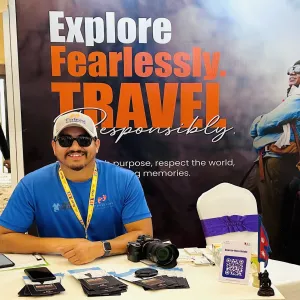
Sharan Karki
Need help? Talk to an expert!
+977 985-1221603
Plan Your Trip
Book Now

Everest Base Camp Trek - 15 Days

355 reviews in TripAdvisor
114 reviews in Google
5 reviews in TrustPilot

15-Day Everest Base Camp Trek at a Glance

  • The trip: 15-day, strenuous Everest Base Camp trek from Footprint Adventure Pvt. Ltd. (Kathmandu), reaching Everest Base Camp and the Kalapatthar sunrise viewpoint at 5,545 m
  • Price: From US$1,550 (down from $1,900), with group pricing available
  • Departures: Guaranteed group dates on Oct 28 to Nov 11 and Oct 31 to Nov 14, 2026, with custom dates on request
  • Route: Kathmandu → Lukla → Phakding → Namche Bazaar → Dingboche → Lobuche → Gorak Shep → EBC → Kalapatthar → Lukla → Kathmandu
  • Included: Airport transfers, a Kathmandu city tour with UNESCO sites, 3 hotel nights, 11 teahouse nights, full-board meals on the trek, Lukla return flights, a licensed first-aid-trained guide, 1 porter per 2 trekkers, all permits, a welcome dinner, a medical kit and water purification tablets
  • Extra costs: Hotel upgrades ($120 per night for 4-star, $250 for 5-star), a $300 single supplement, tips (10–12% for the porter, 12–15% for the guide) and travel insurance
  • Insurance: Must cover high-altitude trekking up to at least 5,500 m, including heli rescue
  • Booking: 20% advance plus passport copies, and free rescheduling with 15 days’ notice
  • Cancellation: 20% (25+ days out), 40% (18–24 days), 50% (10–17 days), 70% (under 10 days), and no refund once the trek starts
  • Best time to go: Spring (March to May) and autumn (late September to early December), while monsoon (June to mid-September) is best avoided
Trip Facts
Duration
15 Days
Trip Grade
Grade 4 (Strenuous)
Country
Nepal
Maximum Altitude
5,545 m
Starts/Ends
Kathmandu/Kathmandu
Group Size
1-20
Activities
Trek, Flight, & Tour
Best Time
Spring & Autumn

Overview

Everest Base Camp Trek is one of the best adventures and the world’s most popular destinations for travelers worldwide. Reaching the foothills of the world’s highest peaks, Mount Everest (8,848.86 m), and other iconic Himalayas in Nepal, is not just an adventure but a beautiful destination that offers the unique experience of welcoming Sherpa people, amazing local foods, culture, and jaw-dropping views of the famous 8,000-meter peaks. The Everest Base Camp trek with experienced guides is designed to fulfill the dream of travelers willing to reach the base camp of the world’s highest peak.

In this 15-day Everest Base Camp Trek itinerary, you visit the Sherpa Indigenous community, renowned for residing at high altitudes and climbing the world’s highest mountains. You get to interact with the local Sherpas, participate in their rituals, and enjoy delicious Sherpa dishes and delicacies. Similarly, you will also explore historic age-old Buddhist monasteries, stupas, along with Tengboche Monastery, Pangboche Monastery, Sagarmatha National Park Museum, diverse geographical landscapes, and various attractions of the Everest Region.

The Everest Base Camp Trek package commences with a 35-minute scenic flight from Kathmandu to Tenzing-Hillary Airport, famously known as the Lukla Airport. The actual trekking begins right from Lukla Town and continues through a steamy forest filled with rhododendron flowers and diverse flora and fauna of Phakding Village. Your first stop, Namche Bazaar, is the gateway to Mount Everest and the most vibrant and popular town in the Everest Region. You’ll hike to locations including the Sagarmatha-Next, Everest Viewpoint, Everest View Hotel, and Khumjung Village as part of acclimatization before proceeding to higher elevations.

Continuing the journey, you explore the renowned Tengboche Monastery, cross the famous Sherpa town Pangboche, and walk to Dingboche village, which lies just below the base of Mount Lhotse. Witnessing the 360-degree views of snow-capped mountains, eventually, you’ll reach Lobuche village, a tough place to spend the night in. During the hike, you’ll see dry lands, glacial rivers, alpine terrain, and beautiful landscapes.

Mani Rimdu Festival: Every autumn, the Sherpa community celebrates this sacred festival at Tengboche Monastery, usually between mid-October and mid-November. The monastery announces the exact dates each year.

Your journey will continue towards the Gorak Shep, and you will walk alongside the mighty Khumbu Glacier until you reach the Mount Everest Base Camp. You’ll experience the Khumbu icefall, Khumbu glacier, and rugged terrain of Everest Base Camp. You’ll return to the Gorak Shep to spend another tough night.

The following day, you’ll hike to Kala Patthar, one of the most popular viewpoints to see the sunrise over Mount Everest, and 360-degree views of the other mountains, glaciers, and lakes. Then, you’ll come back to Gorakshep and keep descending towards the Pheriche and Somare villages for a stay.

Continuing the descending journey, you’ll return to Debuche, Tengboche, Kyamjuma village, and continue to Namche Bazaar. The next day, you’ll arrive in Lukla, and the following day, you’ll take a flight back to Kathmandu to conclude this amazing Everest Base Camp Trek journey in Nepal.

Highlights of Everest Base Camp Trek

  • UNESCO World Heritage Site visit - Pashupatinath Temple, Swyambhunath Stupa, and Patan Durbar Square
  • Scenic flight from Kathmandu to Lukla Airport, the world's most dangerous airport
  • Hike through Sagarmatha National Park and explore the life of rare flora and fauna
  • Altitude Acclimatization in the famous Sherpa Capital - Namche Bazaar
  • Explore the highest and most remote Irish Pub in the world
  • Receive blessings from Lama Rimpoche in Tengboche monastery
  • Majestic views of the mountains such as Mount Everest, Ama Dablam, Lhotse, Thamserku, Cho Oyu, Makalu, Pumori, and many more
  • A sunrise hike to Kalapatthar viewpoint, and explore the 360-degree panoramic views of the mountains
  • Experience the culture and lifestyle of the Sherpa people
  • Cultural dinner in an authentic local Nepali restaurant with performances and dances

When is the Best Time to Do the Everest Base Camp Trek?

The best time for trekking to Everest Base Camp is spring (March to May) and autumn (late September to early December). The weather is stable in these months, skies are usually clear, and visibility is good, so you get incredible views of Mount Everest and the surrounding peaks. Spring brings blooming rhododendrons, moderate temperatures, and busier trails. Autumn brings fresh, dry air, pleasant temperatures, and clear skies that suit photography and panoramic views.

Avoid the monsoon season (June to mid-September). Frequent rain and cloud make trails slippery and hide the mountains. Winter (December to February) is freezing and can be snowy, but crowds are thin and skies are often clear. At Everest Base Camp, temperatures range from about -6 °C to -20 °C depending on the season. Good gear and proper acclimatization are critical for a safe trek.

Why Choose Footprint Adventure for the Mount Everest Base Camp Trek?

Footprint Adventure is the leading local trekking company known for operating many kinds of trekking and climbing experiences in Nepal. From the moment you arrive in Nepal, we provide personalized support, including airport pickup, quality accommodation, assistance with gear rentals, and much more. We are an experienced operator with a deep understanding of the Everest region, and we will always prioritize your safety and comfort. We employ sustainable trekking practices and strictly adhere to the “Leave No Trace Principles” to protect nature and support local communities. Our Everest Base Camp Trek itinerary is designed by local guides and expert planners to give you the best experience. We always aim to provide real value for every penny you spend. We are confident that you will have a memorable trek and adventure with us, and we hope to be a part of your travel experience in Nepal.

We also run other treks in the Everest Region. If you want a bigger challenge, try the Everest Three Pass Trek, the Everest Chola Pass Trek, or the Gokyo Lakes and Renjola Pass Trek. Climbers can add Island Peak or Lobuche Peak to the trek. If you want more comfort, take a look at our Everest Base Camp Luxury Trek. Short on time? The Everest Panorama Trek - 8 Days is a shorter option in the same region. For a customized itinerary, get in touch with our expert trip planner.

Our Commitment to Sustainable Travel

At Footprint Adventure, true exploration is measured by the positive impact you leave behind. Our commitment to sustainable travel is practiced on almost every journey we initiate. We foster meaningful and respectful connections with local communities, actively encouraging our guests to engage in the culture by participating in community-led activities and purchasing authentic, locally made products. This ensures that the economic benefits of tourism are directly shared with the people who call our destinations home. This dedication to well-being is built on a determined ethical foundation, with a zero-tolerance policy for sexual exploitation and harmful child labor. Our expert guides are the soul of our mission; they are not just navigators but passionate guardians of sustainability who enrich your experience with their deep local knowledge. This perspective extends seamlessly to our sustainable accommodation policy, where we partner exclusively with properties that endorse a zero-plastic approach, prioritize energy and water efficiency, and celebrate local sourcing, creating a travel experience that is as reasonable and responsible as it is unforgettable.
Everest Base Camp Trek - 15 Days Itinerary

Day 1

Arrival in Kathmandu and Transfer to Hotel

Upon arrival at Tribhuwan International Airport (KTM), our representative will greet you and transfer you to your hotel in Kathmandu in a private tourist vehicle.

The rest of the day is free to explore at your own pace. Explore and enjoy the nightlife of Thamel. You can visit trekking gear shops in Thamel if you want to buy your trekking essentials for the trek to base camp. 

Overnight at a hotel in Kathmandu. 

Max Altitude: 1,350m (4,429ft)
TIA Airport Kathmandu
Day 2

UNESCO World Heritage Site Excursion

After breakfast, a certified tour guide takes you on a guided exploration of Kathmandu’s UNESCO World Heritage Sites:

  • Swayambhunath Stupa (also known as the Monkey Temple)
  • Pashupatinath Temple (cremation site and the holiest Hindu temple in the world)
  • Boudhanath Stupa (one of the largest stupas in Asia)
  • Patan Durbar Square (a former royal palace complex)

We will have a pre-trek briefing about your EBC trek and the upcoming mountain adventure. Our team members will give you thorough information about the flights from Kathmandu to Lukla, the teahouse accommodation, Everest routes, water facilities in the mountains, and details about trekking in Nepal. Feel free to ask the informant any questions about the trekking.

In the evening, a special welcome dinner at a traditional Nepali restaurant is accompanied by a cultural performance showcasing local music and dance. You'll also be introduced to your trekking guide for your 15-day Everest Base Camp Trek during the dinner.

Overnight in Kathmandu.

Max Altitude: 1,350m (4,429ft)
Day 3

Fly to Lukla & Trek to Phakding

An early morning flight from Kathmandu takes you to the most dangerous airport in the world, Tenzing Hillary Airport (2,845 m) in Lukla.

You will meet your porters at the airport in Lukla. The trek starts through the charming village of Lukla and descends towards a beautiful village in the lower alpine forests, Phakding(2,610 m).

You will hike above the roaring Dudh Koshi River and cross the first suspension bridge of the EBC trek, located between Chheplung and Thadokoshi before reaching Phakding.

Overnight Stay in Phakding.

Flight from/to: Ramechhap Airport

During the peak season March, April, May, October, and November, the flight operates from Manthali airport due to the air traffic. A tourist shuttle will transfer you to Manthali Airport(Rammechhap) at around 2 in the morning. After arriving in Manthali, you will take a flight to Lukla. This system started in 2019, due to excessive air traffic in the Kathmandu airport. Learn more about the Lukla flights. 

Max Altitude: 2,650m (8,694ft)
Day 4

Trek to Namche Bazaar

After breakfast, we will follow the Dudh Koshi River which is a key landmark of the Everest Base Camp Trek. As you ascend you will start to witness the peaks of Thamserku (6,712 m) and Kusum Kangaru (6,367m). Today you will cross about 5-6 suspension bridges including the famous Tenzin Hillary Bridge.

You will officially enter the Sagarmatha National Park, a UNESCO World Heritage Site. For lunch, we will stop at a village named Jorsalle. Fun fact: Jorsalle translates to "twin pine trees" because the area is known for its abundance of pine trees that often grow in pairs. 

If the weather permits, we can take a detour to Top Danda and catch a glimpse of the world's highest mountain, Mount Everest (8,848.86 m)!

Finally, you'll arrive at Namche Bazaar(3,440 m), the "Gateway to Everest." Namche Bazaar is the largest Sherpa town and a crucial acclimatization stop in the Everest Base Camp Trek. This lively hub has shops selling trekking gear and local crafts. You can also find cafes with bakeries, and restaurants offering international and local cuisine. 

Overnight in Namche Bazaar.

Max Altitude: 3,440m (11,286ft)
Day 5

Acclimatization in Namche Bazar

Today marks an important day for acclimatization to the higher altitude. Altitude sickness is one of the crucial factors that  We will hike to the Sherpa Culture Museum which showcases the ancient traditions and the lifestyle of the Khumbu region.

For an extra dose of mountain magic, we will also hike to Syangboche Airport(3,780 m), one of the world's highest airports in the world.

We will spend the rest of the day relaxing, exploring Namche Bazaar, and allowing your body to adjust to the thinner air before pushing towards higher altitudes.

Max Altitude: 3,880m (12,729ft)
Day 6

Trek from Namche to Debuche Village

Today's trek takes you along the sides of the Dudh Koshi River reflecting the gigantic Himalayas as you descend towards Tengboche. 

Upon reaching Tengboche (3,860m), also known as Tengboche Tengling Monastery you’ll be greeted with the sight of the Buddhist monastery situated on the hilltop. It is a significant religious and cultural landmark on the Everest Base Camp Trek. This stop in the Everest base camp trek offers views of Mt. Ama Dablam, Lhotse, and Mt. Everest too! 

The monastery is an archive of ornate wallhangings that testify to the artistic heritage of the Khumbu region. You'll also see a towering 20-foot Buddha Statue which has been a focal point of reverence for devotees and the musical instruments and colorful robes used by the resident Lamas during religious ceremonies.

Overnight in Debuche.

Note: If you reach Debuche ahead of time, you can ask your guide and hike up to Pangboche Village and spend the night in the teahouse. It is also one of the rest and altitude acclimatization stops in the EBC Trek. 

Max Altitude: 3,720m (12,204ft)
Day 7

Trek from Debuche to Dingboche Village

This leg of the EBC Trek is the next altitude acclimatization spot to let your body adjust to the high altitude.

As you depart after breakfast in the morning, you will witness the landscape transformation into a high-altitude desert. This unique ecosystem is a habitat for flora and fauna adapting to the harsh environment. Your trek follows the scenic Imja Tse River and potential wildlife sightings along the way!

The majestic Ama Dablam's crystal-clear visibility will be a photographer's delight. Lhotse, another Himalayan giant, will proudly display its beauty throughout the day.

Finally, reach will your destination for the night - Dingboche village, a popular stop for trekkers on the Everest Base Camp route. Dingboche has cafes and charming settlements which offers a chance to experience Sherpa culture firsthand.

Note: For optimal acclimatization, consider staying in Pangboche the day before this trek. This allows your body more time to adjust to the increasing altitude before tackling the higher sections of the journey.

Max Altitude: 4,410m (14,468ft)
Day 8

Acclimatization in Dingboche

A crucial stop for most Everest Base Camp trekkers, Dingboche is dedicated to further acclimatization while experiencing mountain views.

For acclimatization, we will opt for a highly rewarding hike to the Nangkartshang Viewpoint (5,060m). This Viewpoint in the Everest Base Camp Trek offers views of iconic Himalayan giants like Ama Dablam, Makalu, and the Imja Valley, perfect for capturing unforgettable photos.

Even if you choose not to hike, spending a second night in Dingboche is vital for acclimatization. The extra time allows your body to adjust to the increasing altitude more effectively and further reduces the risk of altitude sickness ensuring a safer and more enjoyable trek towards Lobuche.

After your optional hike or simply enjoying the serene atmosphere of Dingboche, unwind in cozy teahouses and explore the village's unique Sherpa culture. 

Note: Nangkartshang Viewpoint is an optional activity. Listen to your body and choose the option that best suits your fitness level and acclimatization needs.

Max Altitude: 4,410m (14,468ft)
Day 9

Trek from Dingboche to Lobuche

Today we will trek to Lobuche, a high-altitude village known for its stunning mountain scenery and extreme cold temperatures. The trail continues alongside the Khumbu Glacier's lateral moraine with challenging weather conditions so dress in layers for optimal comfort.

Throughout the trek, keep your eyes peeled for display of Himalayan giants like Everest (Sagarmatha) at 8,848 meters (29,029 ft), Nuptse at 8,596 meters (28,169 ft), Lhotse at 8,516 meters (27,939 ft), Ama Dablam at 6,812 meters (22,349 ft), Pumori “Daughter of Everest" at 7,161 meters (23,494 ft), Thamserku at 6,712 meters (22,021 ft), and Kantega at 6,782 meters (22,248 ft).

During the monsoon season (June-August), you might encounter temporary yak herder settlements along the trail. These yak houses, traditionally built with stone and wood, provide shelter for herders as they care for their yaks grazing on the slopes.

We will stop by a small settlement Thukla for lunch. Here, you'll encounter the poignant Sherpa Memorial erected in memory of climbers who lost their lives while pursuing their Himalayan dreams. Many memorials include personal photographs, prayer flags, and heartfelt messages from loved ones. Pay your respects and learn more about the courage and resilience of the Sherpa people who play a vital role in Everest expeditions.

Overnight in Lobuche

Max Altitude: 5,050m (16,568ft)
Day 10

Trek from Lobuche to Everest Base Camp & Stay in Gorakshep

Today is the highest point of your Everest Base Camp trek!

We will walk along the mesmerizing landscape of ice formations and towering crevasses of the Khumbu Glacier. This constantly shifting landscape of ice seracs and crevasses is a powerful reminder of the forces at play in the Himalayas.

After conquering the Khumbu Glacier, you'll reach your ultimate goal - Everest Base Camp at an altitude of 5,364 meters! Standing at the foot of the world's highest mountain is a testament to your physical and mental strength.

If you're trekking during spring, you might encounter a bustling scene at Base Camp. You can witness expedition teams preparing for their summit attempts, adding another layer of excitement and a glimpse into the world of professional mountaineering.

After soaking up the achievement of reaching Everest Base Camp, you will return to Gorak Shep. The roundtrip typically takes about 4 hours.

Back at Gorak Shep, celebrate your incredible accomplishment with fellow trekkers. Share stories, savor a delicious meal, and rest up for your next adventure.

Overnight in Gorakshep.

Additional Tips:

  • Start your hike early in the morning to avoid the heat and crowds (if applicable).
  • Layer your clothes appropriately as temperatures can fluctuate significantly throughout the day.
  • Stay hydrated by drinking plenty of water.
  • Pace yourself and listen to your body during the challenging hike.
  • Be respectful of the fragile environment and leave no trace behind
Max Altitude: 5,364m (17,598ft)
Day 11

Hike to Kalapatthar & Descent to Pheriche

This morning, set your alarm for an early rise (around 4 am) to hike to Kalapaththar (5,545m). This small peak might require some effort, but the reward is beyond imagination.

The summit of Kalapaththar is the most beautiful viewpoint in the Everest Base Camp Trek. You will see the majestic Mount Everest directly ahead, alongside Nuptse, Pumori, Lhotse, Chagatse, and countless other Himalayan giants. You can take pictures of Mt. Everest to cherish forever.

After soaking in the unforgettable mountain views from Kalapaththar, descend back to Gorak Shep for a well-deserved hot breakfast. 

Following breakfast, you will trek down to Pheriche, a lower-altitude village (4,280m).

Max Altitude: 5,544m (18,188ft)
Day 12

Trek from Pheriche to Namche Bazaar

Bid farewell to the high mountains as you descend through Pangboche and Tengboche villages en route to Namche Bazaar

Celebrate your accomplishment upon reaching Namche Bazaar in the afternoon.

In the evening, explore the lively market, savor delicious food, and perhaps enjoy a celebratory drink with your fellow trekkers in one of Namche's many pubs!

Max Altitude: 3,440m (11,286ft)
Day 13

Trek back from Namche to Lukla Village

Today marks the last day of trekking as you return to Lukla, the starting point of your adventure.

Take time to reflect on the incredible journey and the breathtaking landscapes you conquered.

Enjoy some free time in Lukla to relax, unwind, and perhaps enjoy a hot shower!

Max Altitude: 2,840m (9,317ft)
Day 14

Fly back to Kathmandu

Enjoying the last glimpse of the mountains we have recently visited, the 35-minute scenic flight takes us back to Kathmandu.

We will transfer you to the respective hotel, where you'll stay. We help to book the same hotel upon your request as well. In the meantime, you can explore Thamel, and buy souvenirs for your friends and family. 

Max Altitude: 1,350m (4,429ft)
Day 15

Departure Day

Our airport representative will drop you to Kathmandu Tribhuwan International Airport for your final departure from Nepal.

Max Altitude: 1,350m (4,429ft)

We offer opportunities to customize your trip! Consider adding a Kathmandu sightseeing tour, other adventure activities, or day trips around Nepal before or after your trek. Feel free to contact us.

Please understand that our itinerary might need adjustments due to unforeseen circumstances like flight delays, weather conditions, or natural disasters. In such cases, we'll work diligently to find the best alternative solutions to ensure you have a safe and enjoyable trek. Your cooperation and flexibility are highly appreciated during these times.

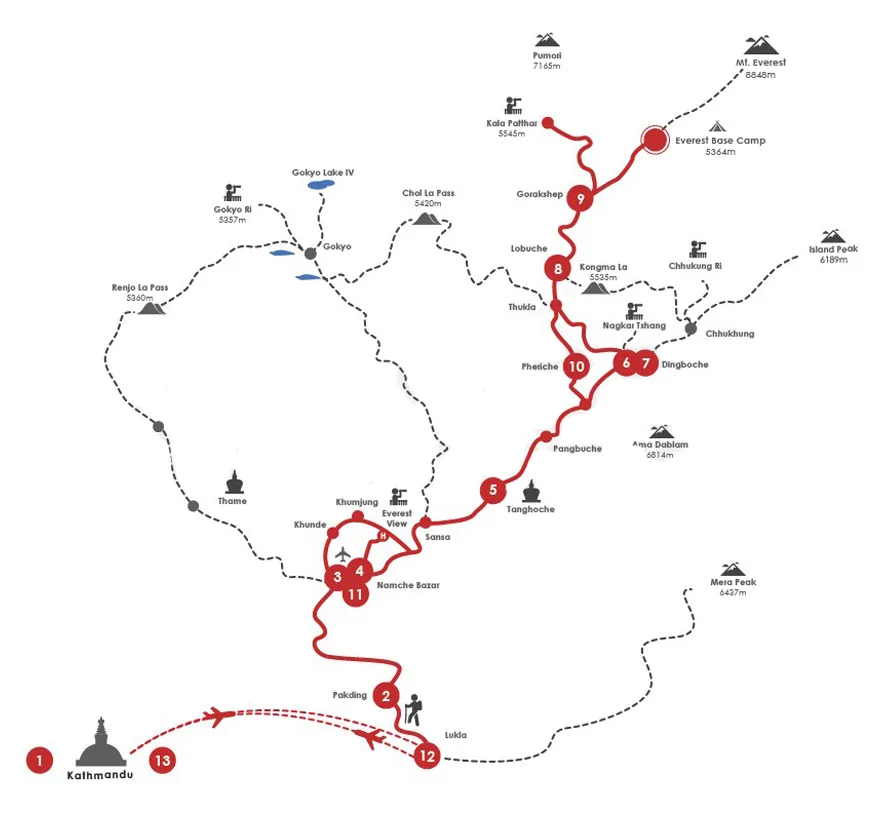
Outline Itinerary & Map

Everest Base Camp Trek - 15 Days
Traveler's Choice
Price Per Person
US$1550
US$1900
  • 1 paxUS$1850
  • 2 paxUS$1620
  • 3 - 5 paxUS$1590
  • 6 - 10 paxUS$1550
  • 11 - 15 paxUS$1520
  • 16 - 20 paxUS$1490

Group pricing varies by group size.

Cost Details

Includes
  • Airport pick-up and drop by private vehicles ( both domestic and international arrivals/departures)
  • Kathmandu City Tour with a tour guide and private transportation
  • 3x nights hotel accommodation with breakfast in Kathmandu (Kantipur Village Hotel), a similar standard
  • Full board meals (breakfast, lunch, dinner), 3x tea/coffee, and 1x soup per day during the trek
  • Round-trip flight tickets from Kathmandu to Lukla Village or from Ramechhap to Lukla (during the peak season)
  • 11x nights best available tea house accommodations with twin sharing room during the trekking
  • Professional, experienced, licensed, first-aid trained, and English-speaking trekking guide for your entire trek
  • A porter for the two trekkers (weight limit = 10-12 kg per trekker)
  • #CarryMeBag for responsible waste collection throughout your trek.
  • Food, Accommodation, Salary, Equipment, Medicines, and insurance for trekking staff
  • All the necessary permits and entrance fees during the trek (Sagarmatha National Park Entrance + Khumbu Rural Municipality Entrance)
  • Welcome dinner with a cultural show program in a typical Nepali restaurant in Kathmandu
  • A medical kit carried by our trekking guide/leader
  • Water purifying tablets for safe drinking water
  • Accomplishment certificate, Footprint Duffel bag, trekking map, and a T-shirt from the company
  • All the government taxes and operating charges of the company
Excludes
  • Nepal visa fare and applicable fees, if required
  • International flights to/from Nepal
  • Extra days in Kathmandu and the mountains due to weather, flight delays, health issues, early arrivals, and late departures
  • High altitude travel insurance for Nepal
  • Lunch and dinner in Kathmandu, except for the welcome dinner
  • Tips for trek guides, tour guides, porters, and drivers (expected)
  • Mineral water, hot water, soft/hard drinks, extra meals, showers in the mountains, laundry, phone calls, internet, and mobile/camera charging during the trek
  • City sightseeing entrance fees in Kathmandu Valley
  • Credit/Debit card processing fees(3.5%), if you use it for trip payment
  • The rest of the expenses that are not mentioned in the cost include section

Add-Ons & Options

Footprint Adventure offers the following add-on services.

Experienced Porter Service
Let our experienced porters handle your luggage so you can fully enjoy the stunning scenery of the Everest region. Each porter can carry up to 25 kg and may be shared between two trekkers.
Best Value
US$220
per porter

Date & Availability

Select Departure Dates
Nov 2026
Dec 2026
Start Date
End Date
Status
Price
Start Date
Nov 30, 2026
End Date
Dec 14, 2026
Status
Guaranteed
Price
US$1550 US$1900

Start Dates refer to your arrival date in Nepal and End Dates refer to your return date from Nepal.

Our 15-Day Everest Base Camp Trek fixed departure dates are tailored for the group joining option. If these dates do not match your schedule, you can always have the option to choose your dates that are fit according to your travel time. To secure your comfortable date, please book early to avoid missing out. Reserve your adventure today and embark on an unforgettable journey to the Himalayas of Nepal.

Equipment List

  • You don’t need to spend a lot on trekking gear before the trek, as most equipment and clothing can be rented or purchased at reasonable prices in Kathmandu.
  • We provide a detailed packing list to make sure you have everything needed for the Everest Base Camp trek, including gear suitable for varying weather conditions.
  • If you’re unsure about what to pack for the Everest Base Camp trek or need advice on essential items, feel free to contact us before your trek.
  • If you want to learn more about the difficulty of the Everest Base Camp trek, then take a good look at how to trek to Everest Base Camp.
Upper Body Layers

Base layer: Its main job is to move sweat away from your skin

  • 1–2 lightweight long-sleeve thermal/base-layer tops
  • Choose merino wool or a good synthetic material
  • Avoid cotton as your primary trekking base layer
  • Should fit reasonably close to the body without restricting movement
  • One can be worn while trekking and the other kept dry for sleeping/resting
Pack-light tip:
You generally don't need a different thermal for every day. Two good base layers are more useful than several mediocre ones.

Lightweight fleece / mid-layer: Particularly useful because it provides warmth without being excessively bulky

  • 1 lightweight or medium-weight fleece
  • Full-zip or half-zip is useful for regulating temperature
  • Should fit comfortably over your base layer
  • Useful during trekking, rest stops, and around camp
  • A breathable fleece is preferable when you're moving uphill
Pack-light tip:
One versatile fleece can do a lot of the work. You don't necessarily need separate trekking and camp fleeces.

Insulation layer: Particularly important when you stop moving and your body heat drops

  • Choose 1 good primary insulating jacket instead of several bulky sweaters.
  • Lightweight down or synthetic insulated jacket ( Down: excellent warmth-to-weight ratio and packs down easily. Synthetic: continues to insulate well when damp and can be easier to manage in wet conditions.)
  • Should fit over your base + fleece
  • Ideally lightweight and compressible
  • Useful during cold mornings, rest stops, and evenings
  • Keep it accessible in your daypack rather than buried in your duffel
Pack-light principle:
A good insulated jacket can replace carrying multiple thick sweaters.

Outer shell: A good outer shell helps protect against wind, snow, and rain

  • 1 waterproof/windproof shell jacket
  • Ideally breathable
  • Should fit comfortably over your insulation layer
  • Hood is highly useful
  • Look for adjustable cuffs
  • Pit zips/ventilation can be useful during strenuous climbing
  • Choose a shell that packs relatively small
Important:
Your shell is NOT primarily there to make you warm. Its job is to protect your insulation system from wind + snow + rain + moisture.
Lower Body Layers
  • 1–2 lightweight trekking trousers
    • Quick-drying and comfortable for long walking days
    • Prefer trousers that allow a full range of movement
    • Zip-off trousers can be useful if you want versatility without another pair
  • 1 thermal/base-layer bottom
    • Lightweight merino or synthetic
    • Useful for cold mornings, high camps and sleeping
    • One good pair is usually enough for most trekkers
  • 1 insulated/warm layer for very cold conditions
    • Fleece-lined or insulated trekking pants, depending on itinerary and temperatures
    • Particularly useful for early starts and prolonged exposure at high altitude
  • 1 waterproof/windproof shell trouser
    • Lightweight, Packable
    • Useful for snow, rain and strong wind
    • Ideally has side zips so you can put them on without removing your boots

For sleeping

  • 1 clean, dry lower layer reserved for sleeping
Pack-light rule: Don't use your sleeping thermals all day. Keeping one dry layer exclusively for sleeping gives you a clean, warm set without needing several pairs.
Footwear & Accessories

Main trekking footwear

  • 1 pair of well-broken-in trekking boots/shoes.
  • Look for: Good grip, Secure heel, Adequate ankle support appropriate to the terrain, Comfortable toe box, Good traction on loose rock and uneven terrain, Water resistance appropriate to the route, enough room for your socks without your toes being compressed.
Note: Don't take brand-new boots straight to 5,000 m.  A boot that feels fine for 20 minutes can become a serious problem after six hours.
Break them in before the trek
Test them with the actual socks you intend to wear
Walk downhill in them to check for toe impact
Check for heel rubbing
Check for hot spots before the trek

Trekking socks

  • 3-4 pairs of good trekking socks 
    • Merino or synthetic
    • Moisture-wicking
    • Appropriate thickness for your footwear
    • Avoid cotton
    • Carry one dry pair in your daypack
  • 1 warm pair reserved for sleeping/camp
Why not pack seven pairs? Because you can rotate and dry socks while carrying fewer, better-quality pairs.

Camp footwear

  • 1 lightweight pair of camp shoes/sandals
Pack-light tip: Choose something lightweight that can also be worn around the lodge.

Foot protection

  • Blister plasters
  • Medical tape/sports tape
  • Small amount of moleskin/blister protection if you use it
  • Foot powder if you find it useful
  • Small nail clippers
  • Keep toenails trimmed before the trek
Head & Sun Protection

BEFORE LEAVING CAMP

  • SPF 30+, preferrably 50+ broad-spectrum sunscreen
  • SPF lip balm
  • Ears + neck covered
  • Sunglasses ON
  • Neck gaiter
  • Gloves on
  • Hood/hat 
  • Sunscreen packed somewhere accessible, not buried in the duffel
  • Reapply during rest stops when necessary.
Personal & Medical Kits

Personal medication

  • Regular prescription medication
  • Personal first-aid essentials
  • Any medication specifically prescribed for the trek
  • Small medication pouch 
  • Copies/photos of important prescriptions if appropriate
Our lead guides carry a comprehensive medical kit stocked with essential first-aid supplies and high-altitude medications.

Oral hygiene

  • Toothbrush, Small toothpaste
  • Floss/interdental cleaning if normally used
  • Small mouthwash only if genuinely needed

Body hygiene

  • Small biodegradable soap/body wash
  • Quick-dry small towel
  • Wet wipes
  • Hand sanitiser
  • Toilet paper/tissues
  • Small packet of sanitary products if required
  • Personal deodorant, preferably small/solid
Miscellaneous
  • Passport/ID
  • Permits/documents
  • Insurance/emergency information
  • Local Cash
  • Phone
  • Power bank
  • Charging cable
  • Water purification method
  • ORS/electrolytes if appropriate
  • Sleeping bag if needed
  • Emergency contacts

Essential Information

Accommodation Options During the 15 Days Everest Base Camp Trek

Accommodation in City

As part of your 15 days Everest Base Camp trek package, we will accommodate you for three nights in a comfortable three-star hotel in Kathmandu on a twin-sharing basis. If you prefer more privacy, we can arrange a private room at an additional cost.

Accommodation During the Trek

  • While trekking to Everest Base Camp, you will spend a total of 11 nights in local teahouses. Most accommodations are on a twin-sharing basis, and meals are taken in common dining areas. Rooms are basic and include a mattress, pillow, and blanket. We recommend bringing a sleeping bag rated to –10°C for warmth; sleeping bags can also be rented in Kathmandu at an additional charge.
  • There is a provision of private bathrooms in teahouses at Lukla, Namche Bazaar, and Phakding, but as you ascend to higher elevations, bathroom facilities are shared. There are some guest houses with attached bathrooms with additional charges.
  • During peak seasons, teahouses along the Everest Base Camp route fill quickly, so advance booking and flexibility with accommodation arrangements are recommended.

Hotel Upgrade Options

If you prefer more comfort in the cities before or after your trek, you also have the option to upgrade your hotel to a higher category.

  • Upgrade to a 4-star hotel in Kathmandu: 120 USD per night pp in BB
  • Upgrade to a 5-star hotel in Kathmandu: 250 USD per night pp in BB
  • Single supplement - 300 USD per person

Transportation Details

  • The Everest Base Camp Trek begins with a flight to the mountain town of Lukla.
  • Private transportation is provided within Kathmandu for airport transfers and city tours.
  • Any extra luggage not required for the trek can be securely stored at your hotel in Kathmandu.

Note: During peak trekking seasons, flights to Lukla operate from Ramechhap Airport (also known as Manthali Airport) instead of Kathmandu due to heavy air traffic. Reaching Manthali requires an approximately 5-hour drive from Kathmandu, followed by a 15-minute flight to Lukla.

Permits & Entrance Fees

To trek to Everest Base Camp, trekkers are required to obtain three major permits:

  • Sagarmatha National Park Permit: NPR 3,000 for foreigners and NPR 1,500 for SAARC nationals.
  • Khumbu Pasang Lhamu Rural Municipality Permit: NPR 2,000 per person (applicable to all trekkers).
  • TIMS (Trekkers’ Information Management System) Card: NPR 1,000 for SAARC nationals and NPR 2,000 for other foreign nationals.

All permits are mandatory for the Everest Base Camp trek, and we can arrange them for you before the trek begins. While some sources may state the TIMS card is not required for the Everest Base Camp trek, it is mandated by law to have it. We also recommend carrying a few photocopies of your passport and permits, as you will need to show them at several checkpoints along the trekking route.

Internet Electricity & Phone Access on Everest Base Camp Trail

  • Most lodges from Lukla to Phakding have power outlets; phone charging costs $2 to $3. Between Namche and Dingboche, phone charging costs $3–$5, and large power banks cost $6–$10. In Lobuche and Gorak Shep, electricity is limited; therefore, charging can cost up to $10. Bring a high-capacity power bank (20,000mAh or more).
  • The internet is available via Everest Link prepaid cards from Phakding upwards (10GB for $20–$25). Some lodges offer WiFi for $3–$7 for a day; cafes in Namche Bazaar often provide free WiFi with a purchase.
  • Mobile coverage is mostly Nepal Telecom (NTC), and Ncell works only at lower elevations. Signals can be unreliable at higher altitudes, and 4G is generally unavailable.

Meals and Dining on the Everest Base Camp Trek

  • During the 15 days Everest Base Camp trek, we provide full board meals as part of the package, including breakfast, lunch, and dinner. Breakfast and dinner are served at lodges, while lunch is prepared fresh along the trail at local teahouses or guesthouses. Each day during the trek, you will also receive 3 servings of tea or coffee and 1 serving of soup.
  • Typical food options include pasta, noodles, soups, fried rice, vegetables, bread, eggs, pancakes, omelets, and seasonal fruits. The most common and filling meal is dal bhat, which comes with free refills to give you enough energy for trekking.
  • Vegan, vegetarian, and gluten-free options are available. If you have any food allergies or dietary restrictions, please inform us in advance so we can make the necessary arrangements.

Drinking Water on Everest Base Camp Trek

  • In lower elevations, bottled water is available for around NPR 100–250 per liter, and at higher elevations, it costs about NPR 400–500 per liter. Lodges also provide boiled water for NPR 100–300 per liter, depending on the location.
  • At higher altitudes, bottled water becomes limited and more expensive. We recommend carrying water purification tablets or a filter or relying on boiled water at lodges to ensure safe drinking water throughout the trek.

Group Leader and Crew

  • You’ll be accompanied throughout the trek by experienced, licensed mountain guides from our team, trained in wilderness skills and first aid.
  • For groups of more than 5 people, we provide an additional assistant guide to ensure extra care and support.
  • To make your journey easier, we assign one porter (Sherpa) for every two trekkers to help carry your gear.

High Altitude Sickness

  • Since this trek reaches a maximum altitude of 5,545 m at Kalapatthar, the risk of altitude sickness is higher than on most other treks in Nepal. Proper acclimatization and careful preparation are essential for a safe journey.
  • Our itinerary builds in gradual elevation gains and acclimatization days at Namche Bazaar and Dingboche. Even so, the altitude demands both physical and mental readiness.
  • Take altitude sickness seriously. At these elevations, low oxygen levels can cause headache, dizziness, nausea, shortness of breath, or fatigue. Read how to understand altitude sickness and take preventive measures before you go.
  • The best way to stay safe is to monitor how you feel, talk openly with your guide, rest when needed, and descend right away if symptoms get worse.

Trail Distance & Altitude Coverage

Trekking Grade

  • The Everest Base Camp Trek from Lukla is strenuous, with daily hikes averaging 5 to 8 hours. Prior trekking experience is strongly recommended. Being physically fit, mentally strong, and maintaining a positive attitude is essential to handle long days of hiking and high-altitude conditions.
  • The trek includes steep uphill and downhill sections, rocky and uneven trails, suspension bridges, and remote paths, particularly between Lukla and Namche Bazaar and from Dingboche to Everest Base Camp.

Weather and Climate

  • The weather along the Everest Base Camp Trek is highly fluctuating and can change rapidly, sometimes even within the same day. As altitude increases, temperatures drop significantly, especially in the mornings and at night, and conditions can become harsh. 
  • Sudden snowfall, strong winds, and cloudy conditions are common in higher regions such as Namche Bazaar, Dingboche, and Gorak Shep. A clear and sunny morning can quickly turn cold, windy, or overcast by the afternoon. 
  • Due to these changing conditions, trekkers should carry warm, layered clothing, including insulated jackets, thermal base layers, gloves, and hats. Waterproof and windproof gear is also essential to stay protected from unexpected rain or snow.

Travel Insurance

Travel insurance is a must for the 15 days Everest Base Camp Trek. Ensure your policy covers high-altitude trekking up to at least 5,500 m, including emergency helicopter rescue, evacuation, and medical expenses. Due to the remote nature of the route and limited medical facilities, comprehensive coverage is strongly recommended. To help you choose the right policy, refer to our guide on Travel Insurance Required for Trekking in Nepal.

Tipping

Tipping on the Everest Base Camp trekking is not mandatory, but it is an important way to acknowledge the hard work of your guide and porter, as it forms a significant part of their income. Generally, we recommend tipping 10–12% of the trek package price for your porter and 12–15% for your guide. You can adjust the amount according to the quality of service and your overall experience. Providing tips in Nepalese Rupees or a widely accepted currency like USD is recommended.

Booking and Cancellation Policy

How to Make a Booking

To secure your Everest Base Camp trek package, we will require photocopies of each traveler's passport to make your booking. You should also provide us with a copy of your Nepal arrival flight schedule or an estimated date of arrival so we can arrange your trek package at your convenience. Finally, you can finalize your booking by paying an advance of 20% of the cost of the trek package. You can go through our entire booking process and conditions so that you have a smooth experience from start to finish. Do note that there is an age limit for the EBC trek.

Cancellation Charges & Conditions

  • 25 or more days before departure: 20% of the total cost
  • 18–24 days before departure: 40% of the total cost
  • 10–17 days before departure: 50% of the total cost
  • Less than 10 days from trek start date: 70% of the total cost
  • Once the trek starts from Kathmandu, no refunds will be provided.

Rescheduling: You can reschedule your trek to a future date without any extra charges, as long as you notify us at least 15 days before your originally scheduled start date.

Customize Itinerary and Trip Extensions

Tale’s by Travelers

EBC completed, legs broken, heart happy!

Nov 2 2025, i went EBC with footprint, organiser : sharan he is kind person helping details about ebc when ever u ping him he will respond back. Wonderful guy he arranged all the facilities.

W
Wander43943607568 - India
November 29, 2025
The Best Experience In EBC With Footprint

I did the Everest Base Camp trek 15-day program and Footprint, and our guide Laxman made this experience absolutely incredible, letting the group experience and enjoy the mountains at our own time and guiding us...

P
Philipe M - United States
September 27, 2025
Travel Moments
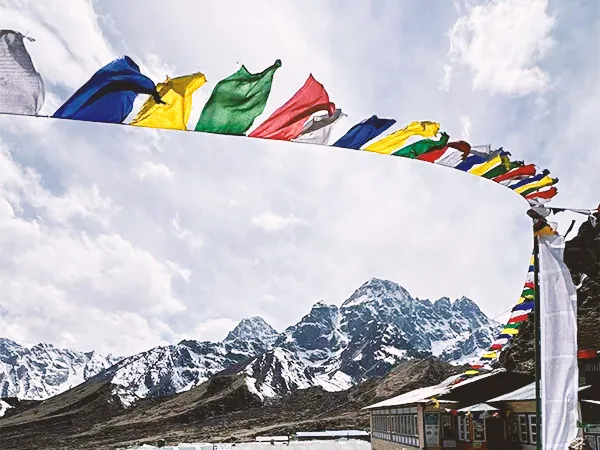
Everest Base Camp in the Off-Season

Everest Base Camp in the Off-Season

Raw Himalayas, Real Moments
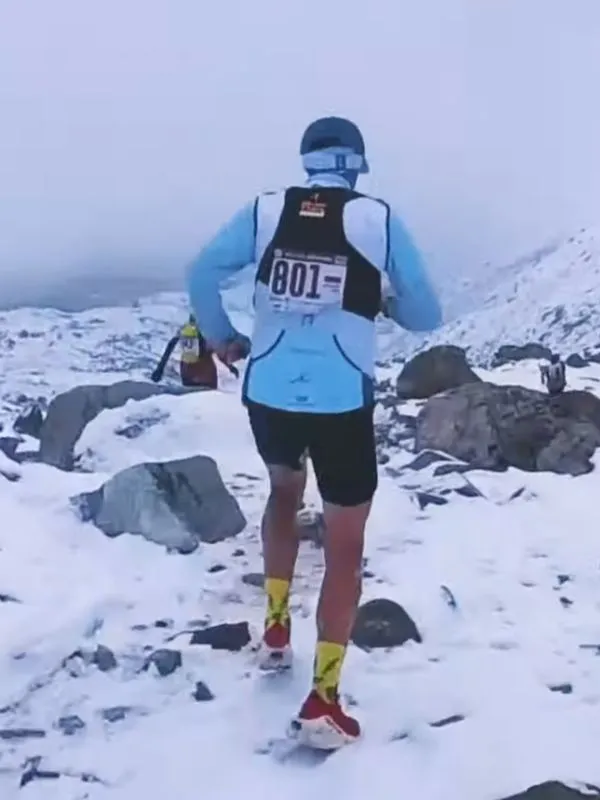
Everest Marathon

Everest Marathon

World’s highest marathon. World’s biggest flex.
Read Reviews On
5.0
4.9
4.1

Everest Base Camp Trek - 15 Days FAQs

Most Asked Questions About Everest Base Camp Trek
Where is Everest Base Camp?

There are two base camps on Mount Everest, on opposite sides of the mountains: South Base Camp is in Nepal at an altitude of 5,364 meters (17,598 ft) (28°0′26″N 86°51′34″E). And the other is in North Base Camp in Tibet, China at 5,150 meters (16,900 ft).

How hard is trek to Everest Base Camp?

Everest Base Camp Trek is considered a strenuous trek but is doable by all age groups including beginners, and immature hikers. To be able to conquer the Everest Base Camp Trek, you need to possess a decent amount of fitness and health. The trail is a mixture of challenging ascends, descends, and flat terrains. You have to walk 5-7 hours daily on average. The altitude range of EBC Trek starts from 2,840 to 5,545m at the top of the Kalapatthar. So, with the proper guidance, spirit, and preparation, the Everest Base Camp trek is doable!

What is the best time to visit Everest Base Camp?

Most of the mountain region in Nepal including Everest Base Camp trek, Spring (March-May), and Autumn (Sept-November) is the best season for trekking. The weather, climate, temperature, views, and many things are in your favor during this season. Though, you can explore mountains around the year with safety and proper guidance. 

How safe is Everest Base Camp for solo male / solo female traveler?

We organize both group and solo trips to the Everest Base Camp. If you want to join the group or if you like to do it solo, we will manage the trip accordingly. For solo males or females, hiking with a local travel agency would be the best option for you. Footprint Adventure is the most recommended company for a solo female trek in Everest Base Camp. 

Can I book a private trip for the Everest Base Camp?

Yes, you can book a private trip for the Everest Base Camp and you also easily customized your requirements as well. We will make your trip as per your requirements and customize your trip according to your request. You can choose your style of services like accommodations, flooding, guiding, destinations, additional days rest, extra services, helicopter flights, and other so many services you can add to your trip. Normally, we have fixed departures for both private and group joining for Everest base camp, so you can choose the date you want or you can ask the date which is suitable for you. But, make sure that, the cost for the private group will be more according to your customization in the normal packages. 

What kinds of accommodation are found in Everest Base Camp?

After a challenging day of hiking, it is necessary to take some time to wind down, relax, and get a good night's sleep in order to be ready for the next day's adventure. To ensure that you have a pleasant stay, we will always reserve the finest lodge, which will include two beds in each room as well as western-style bathroom services. The majority of the time, there will be an adjacent restroom as well as clean and comfy beds that include an electric blanket (if one is available). The temperature of the space will often be kept between 10- 12 degrees Celsius (50 and 53.6 degrees Fahrenheit).

Do domestic flights to Everest Base Camp get canceled?

Yes! The challenging hike to Everest Base Camp is highly dependent on the existing weather conditions. Due to the unpredictability of the weather and the frequent occurrence of weather-related events, flights are sometimes delayed or even canceled. Tenzing Hillary Airport in Lukla is located at 2,800 meters (9,186 feet) above sea level and is accessible by a 25-minute flight from Kathmandu. In the event that the domestic flights to and from Lukla are canceled, we kindly ask that you make appropriate preparations and set aside a few days as a backup in case this occurs.

What and when is the hardest part of the Everest Base Camp Trek?

Your 12-day plan will typically include three days with a significant amount of activity. The first day of the trek from Pheriche to Namche Bazaar is the most difficult since it consists of a lengthy and steep hike all the way from the Hillary suspension bridge to Namche. The second most difficult part of the trek is when you are traveling from Dingboche to Gorakshep. The journey up Kala Patthar, which is 5,545 meters / 18,192 feet high, and getting to the base camp and back down again is the third most difficult phase of the entire trek. 

How can I prevent altitude sickness during Everest Base Camp Trek?

If you want to tackle Everest Base camp without experiencing any difficulties related to altitude sickness, there are a few things you need to keep in mind. The following are a few tips for preventing altitude sickness during your trip to Everest Base Camp, provided by our knowledgeable guides and travel planners.

  • Slow ascent with sufficient rest and acclimatization.
  • Make sure you get enough fluids and keep hydrated.
  • Consume sufficient and balanced calories.
  • Keep clear from alcoholic beverages, cigarettes, and tobacco products for the entirety of the walk.
  • Maintain a level mind and get yourself mentally ready.
  • Train your body to handle uphill hikes 3 months before the trek by doing enough cardio or gym work.
What are the permits for Everest Base Camp Trek?

The Everest Base Camp Trek is not just a simple trip; rather, it is a journey towards the base of the tallest peak on earth. This region has been designated as a UNESCO Heritage site and is protected by the Sagarmatha Conservation Area Project. To reach the Everest region, hikers need three distinct permits: two of them have to be obtained by law, while the third can be obtained voluntarily but is strongly advised to be brought along (in time of emergency, or natural calamities, TIMS will help to rescue). The Sagarmatha National Conservation Permit, the Pasang Lampu Rural Municipality Permit, and the Trekkers' Information Management System (TIMS) Permit are the three permits that are needed to complete the Everest Trek.

How long is Everest Base Camp Trek?

It takes a total of 12 trekking days to complete a round trip of 130 KM distance trek to the Everest Base Camp that includes rest and accommodation days.

The trekking days can also vary from personal physical fitness, weather conditions, rest days and the pace of the trekker.

How do you prepare for Everest Base Camp Trek?

The Everest Base Camp trek is a strenuous and challenging trek, you need to have good physical fitness, good trekking gear, and must obtain all the necessary permits and requirements.

It is better to train your body 1-2 months before the trek, include cardiovascular exercises, pack enough clothes, and invest in good trekking gears. You need to be very careful and need to take enough rest and acclimatize at higher altitudes. You can also choose a local travel agent who can help you get your permits and requirements to trek in the Everest Region.

Is the EBC trek worth it?

The Everest Base Camp trek is definitely worth it. It is a famous and beautiful journey that offers incredible views of the majestic Himalayan mountains, including Mount Everest, the highest peak in the world. The trek offers a diverse cultural experience as it passes through stunning landscapes, endearing Sherpa settlements, and historic Buddhist monasteries. 

While the experience is physically demanding, the sense of achievement felt when you arrive at base camp and are surrounded by towering peaks is absolutely unique. A once-in-a-lifetime chance to experience the Himalayas' breathtaking scenery and learn about the distinctive way of life in the Everest region is the EBC trek.

What to pack for an EBC trek?

Pack plenty of layered clothes that are appropriate for various climates when getting ready for an Everest Base Camp (EBC) trek. Sturdy boots, a rucksack, trekking poles, and a headlamp are all essential items for trekking. 

 are also recommended. Useful electronics include a camera, a power bank, and a waterproof bag to store cash and critical papers. Making sure you have everything you need for a safe and pleasurable trek can be accomplished by packing lightly and consulting thorough lists.

How to get to EBC?

The most common and convenient way to get to Everest Base Camp (EBC) is to take a flight from Kathmandu to Lukla at first. Beginning in Lukla, the journey passes through a variety of towns and landscapes, including stops at popular attractions like Namche Bazaar, Tengboche, and Dingboche. The trek typically takes 9 to 14 days, depending on the pace and amount of acclimatization required. 

In order to avoid altitude sickness, it's essential to stay physically active and acclimate. As an alternative, some travelers choose to take the more time-consuming but innovative route of traveling through the land from Kathmandu to Salleri before setting out for EBC. Hiring a qualified guide and securing the required permissions are advised for a safe and enjoyable trek.

Where to fly for EBC trek?

Flying from Kathmandu to Lukla is the typical starting point for an Everest Base Camp (EBC) trek. Tenzing-Hillary Airport, the smallest airport in Lukla, is the entry point to the Everest region. Several airlines run flights from Kathmandu to Lukla, which normally last 30 to 40 minutes. 

It's essential to keep in mind that weather in Lukla occasionally results in flight delays or cancellations, so it's a good idea to build some extra time into your schedule. You can start your trek to Everest Base Camp after landing in Lukla by traveling through beautiful routes and communities along the way.

Can you drive or fly to EBC?

No, there are no motorized roads that go all the way to Everest Base Camp (EBC), thus you cannot drive there. The Everest region is inaccessible by vehicles due to its rocky, hilly environment.

The most popular way to go to EBC is to take a flight from Kathmandu to Lukla, which has a small airport. The journey to EBC begins in Lukla. The 30- to 40-minute flight from Kathmandu to Lukla provides breathtaking Himalayan views.

As an alternative route, you can also take a bus or a private vehicle from Kathmandu to Salleri if you'd want to travel overland. Although it takes longer and is less frequent, this alternative enables progressive acclimation as you rise.

Why Everest Base Camp Trek?

The Everest Base Camp (EBC) trek is a thrilling experience that provides breathtaking views of towering mountains, a sense of accomplishment, interaction with Sherpa culture, thrilling exploration of various terrains, and the chance to connect with nature. It is a life-changing journey that tests your boundaries, encourages personal development, and forges lifelong memories, making it an appealing option for adventurers looking for a special and fulfilling experience.

Why choose Everest Base Camp Trek?

The Everest Base Camp (EBC) trek is a thrilling experience that provides breathtaking views of towering mountains, a sense of accomplishment, interaction with Sherpa culture, thrilling exploration of various terrains, and the chance to connect with nature. It is a life-changing journey that tests your boundaries, encourages personal development, and forges lifelong memories, making it an appealing option for adventurers looking for a special and fulfilling experience.

How far is Namche Bazaar from Lukla?

Namche Bazaar is around 13 kilometers (8 miles) from Lukla, the starting point for most climbs to Everest Base Camp. The trek from Lukla to Namche Bazaar ascends over picturesque scenery and passes through a number of Sherpa settlements. Depending on the pace and level of fitness of the trekker, the trip normally lasts 6-7 hours. The trail has both uphill and downhill sections, so depending on the precise route selected, the actual distance traveled may vary.

Can you see Everest from Namche Bazaar?

Yes, Mount Everest can be seen from Namche Bazaar. At a height of roughly 3,440 meters (11,286 feet), Namche Bazaar is situated in the Everest region of Nepal. It functions as a significant market town and a well-liked acclimatization stop for trekkers en route to Everest Base Camp. The town is surrounded by mountains, including the recognizable peaks of the Everest range, and is located in a bowl-shaped valley. From numerous vantage points in and around Namche Bazaar, trekkers can enjoy sights of Mount Everest and other notable peaks like Lhotse and Ama Dablam on clear days. It's essential to remember that weather and cloud cover can affect visibility, so Everest views aren't always assured.

Is Everest Base Camp Trek difficult for beginners?

The Everest Base Camp Trek in Nepal is challenging but achievable if you have a basic fitness level. If you are new to trekking, consider additional rest days or inform your trip operator beforehand. You can check our short trek variations to warmup!

You May Also Like

Best Selling
Everest Chola Pass Trek - 18 Days

Everest Chola Pass Trek - 18 Days

Duration: 18 Days
Max. Altitude: 5545 m
Difficulty: Grade 4 (Strenuous)
Starting From
US$1750US$2200
5.0(2 Reviews)
Departure Not Available
Luxury Adventure
everest-luxury-travel

Everest Base Camp Luxury Trek

Duration: 13 Days
Max. Altitude: 5,545 m
Difficulty: Grade 4 (Strenuous)
Starting From
US$4900US$6000
Departure Not Available
Footprint's Special
Everest Heli Tour

Everest Heli Tour & Overnight at Everest View Hotel

Duration: 2 Days
Max. Altitude: 3880 m
Difficulty: Grade 2 (Moderate)
Starting From
US$2290US$2350
Departure Not Available
Need Help? Call Us+977 985-1221603