Why Packing Smart is Essential for Everest Base Camp Trek
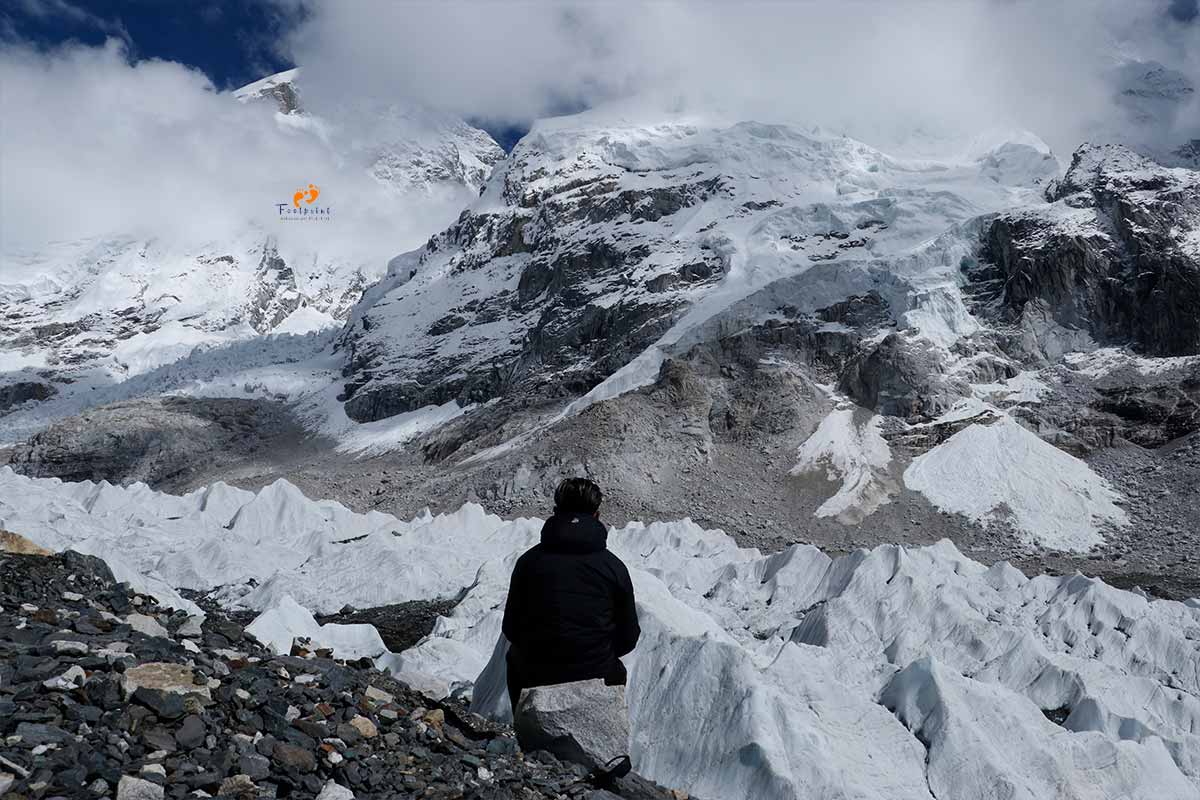
Making sure you pack wisely for the Everest Base Camp trek is really important because the weather up in the mountains can switch up on you real quick. One moment it's all sunny and warm, then out of nowhere, the wind starts blowing cold. Plus, temperatures can drop below freezing at night, even during the milder seasons of spring and autumn. Having the right layers keeps you warm and comfortable throughout the day and night.
Going on this trek means you'll be walking a lot on rough trails, so having lightweight and comfortable gear is key to conserving your energy. Wearing well-fitted shoes and carrying a balanced backpack will help you feel less tired and make each day more manageable. When your gear fits just right, you can truly enjoy the journey without having to deal with any discomfort.
When you're heading up to high altitudes, it's crucial to pack smartly. As you go higher, your body requires extra attention. Bringing along tools for staying hydrated and some basic medicine can really help your body adapt and lower the chances of altitude-related issues. Plus, if you pack smart, the whole trek will be much safer and way more enjoyable, right from the beginning to the end.
Featured Trip: 12 Days Everest Base Camp Trek
Where to Buy or Rent Trekking Gears in Kathmandu
You don’t need to bring all your trekking gear from home because Kathmandu has many good trekking gear shops where you can buy or rent everything you need. In the Thamel area, you’ll find plenty of reliable local stores like Everest Outfit, Dolpo Gear, Nims Outdoors, Wild Yak Gear, Sonam Gear, and Sherpa Adventure Gear, along with some well known international brands like Mountain Hardwear, Northface and Columbia.
These shops offer a wide range of quality trekking items such as jackets, sleeping bags, poles, boots, and accessories at different price levels. This makes it easy and practical to buy or rent gear after you arrive, so you can travel lighter and still get everything you need for your trek.
Essentail Gears and Items for Everest Base Camp Trek
Here is a clear and detailed breakdown of essential gear, clothing, and other necessities for the Everest Base Camp Trek. The key is to keep it light and bring only what's essential for your comfort, safety, and the unpredictable mountain weather.
What Clothing to Pack for Everest Base Camp Trek
Base Layers
Base layers are the most important part of any apparel system because they lie next to your skin and help to keep you dry. They pull moisture from your skin through evaporation while you are walking or hiking for long distances. When hiking to the base camp at Mount Everest, you will need at least two pairs of thermal bottoms and tops made from either merino wool or synthetic materials, as both types of fabric dry quickly and will keep you warm in cooler temperatures.
In addition to thermal wear, your pack should contain at least two to three moisture-wicking t-shirts (both short-sleeved and long-sleeved options) that can be worn comfortably when hiking in lower elevations or during warm afternoons. Avoid using cotton because it retains moisture and once it dries out will leave the wearer feeling cold.
Mid Layers
During the Everest Base Camp trek, mid layers are important for keeping you warm and holding onto body heat. When you're trekking each day, it's good to have a lightweight, breathable fleece jacket or sweater that you can easily layer. This piece of clothing will be your go-to mid layer while you're walking, especially in the mornings or when you're in shaded areas along the trail.
Don't forget to pack a light down jacket for those chilly moments at higher elevations. It's a must-have for those cold mornings, evenings, and breaks. You'll really appreciate it in spots like Namche Bazaar, Dingboche, and Gorak Shep, where the temperature can quickly drop after the sun sets and you need that extra warmth.
Outer Layers
When you're trekking to Everest Base Camp, you'll need outer layers to shield you from the elements like wind, rain, and snow. It's crucial to have a waterproof and windproof jacket that's breathable and strong enough for any weather changes you might face. This jacket will be a lifesaver in spring and autumn, handy during the monsoon season to keep you dry, and a must-have in winter to keep out the chilly winds.
Don't forget to pack a pair of waterproof pants for those rainy, snowy, or windy days, especially during the monsoon and early spring. And for your daily treks, make sure to bring along one or two pairs of quick-dry trekking pants. Look for lightweight or convertible ones that are perfect for the changing conditions of spring and autumn. You can also consider bringing hiking shorts if you prefer, but they're more suitable for warm days at lower elevations, like in the spring or early fall.
Everest Base Camp Trek Hiking Shoes and Boots
You will be on your feet for several hours each day, so proper footwear is crucial to avoid blisters, cold toes, and discomfort.
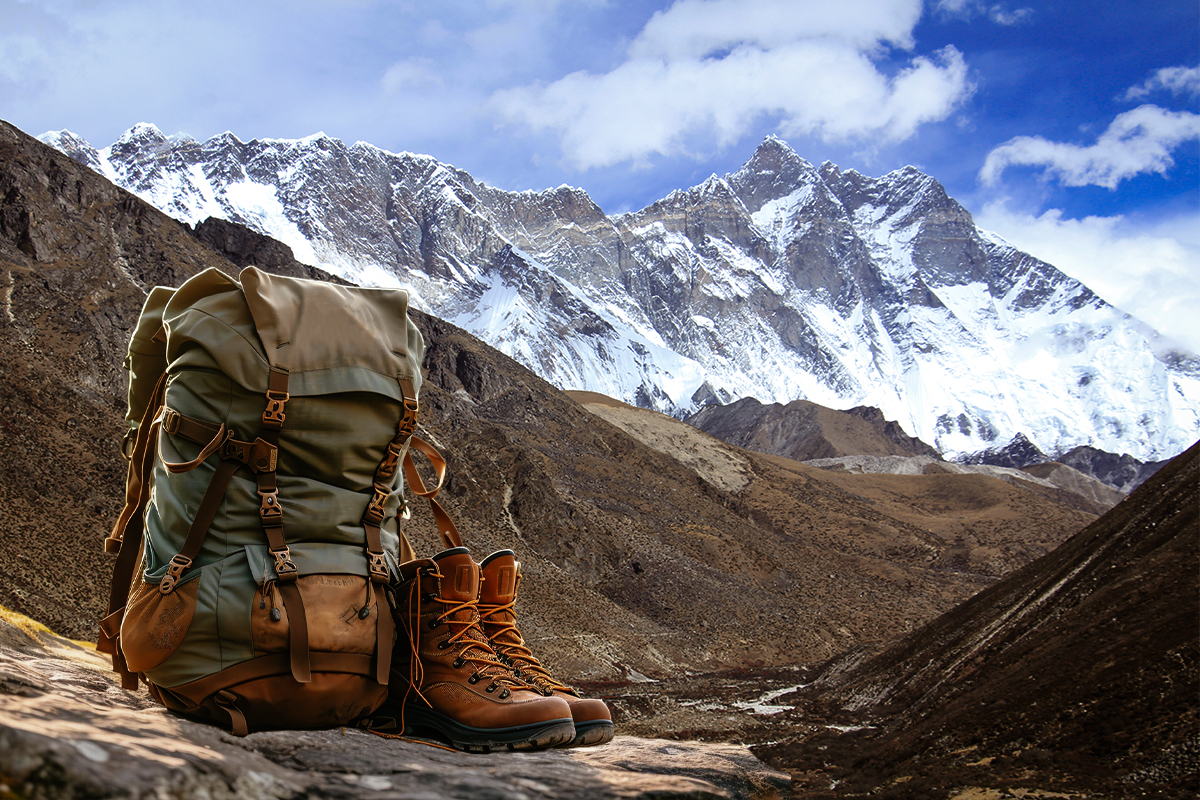
- Hiking Boots: Choose a pair of waterproof, high-ankle trekking boots for stability and support on rocky trails. Popular options include Salomon Quest 4D, La Sportiva Nucleo High GTX, or Lowa Renegade GTX. Make sure your boots are broken in before the trek to prevent blisters. It’s a good idea to bring your own boots from home rather than renting, as this ensures the fit is perfect and you’re already used to them.
- Camp Shoes: After long trekking days, slipping into lightweight sneakers, sandals, or Crocs gives your feet a chance to rest and recover.
- Socks: Pack 4–5 pairs of trekking socks, preferably made of merino wool. They are warm, comfortable, moisture-wicking, and help reduce odor during multi-day treks.
Recommendation Read: Difficulty Level Of The Everest Base Camp Trek
Backpack and Sleeping Gear for Everest Base Camp Trek
The Best Backpack for Everest Base Camp Trek
- Backpack for Multi-Day Trekking: The Everest Base Camp trek lasts about 12–14 days, so choosing the right backpack is crucial. A backpack in the range of 50–65 litres is ideal for carrying your main gear. Nepal’s weather can change quickly, so pick a backpack made from water-resistant material or one that comes with a rain cover. A lighter backpack makes it easier to carry your gear comfortably over long distances and steep trails.
- Daypack for Daily Essentials: Along with your main backpack, bring a small daypack of 20–30 litres for daily trekking needs. This is perfect for water, snacks, sunscreen, camera, extra layers, and a rain jacket. Look for a daypack with good waist and back support and side pockets for easy access to essentials while walking.
- If You Hire a Porter: Porter support is widely available on Everest Base Camp treks. One porter usually carries luggage for two trekkers, with a maximum of 12 kg per person in a duffel bag (around 65–90 litres). If you hire a porter, you only need a daypack of 30–45 litres for your daily trekking essentials.
The Best Sleeping Bag for Everest Base Camp Trek
It is recommended that trekkers on the Everest Base Camp trek pack a winter sleeping bag rated down to -15C and -20C because it will be very cold at night, particularly at higher elevations such as Dingboche, Lobuche and Gorak Shep. While teahouses supply blankets, those blankets are usually not very warm, and sleeping bags of good quality provide a comfortable and safe night's rest.
A sleeping bag liner will give you added warmth and also help to keep your sleeping bag clean and sanitary. If you do not wish to purchase a sleeping bag, you may rent one in Kathmandu for approximately $2 - $3 USD per day.
Personal Care Items You Must Carry for Everest Base Camp Trek
High altitudes and cold can be harsh on your body. The following items are your survival kit:
- Toiletries: Carry your own toiletries as teahouses do not always provide them. Bring biodegradable soap, toothpaste, and a toothbrush. Add a small quick-dry towel and travel-sized moisturizer to protect your skin from the cold and dry mountain air.
- Sunscreen and Lip Balm: Essential for high-altitude trekking. Use SPF 50 or higher because sun exposure is much stronger at high elevations and can easily burn your skin and lips.
- Female-Specific Needs: Pack menstrual products, a small pouch to keep items organized, and a quick-dry towel for convenience.
- Male-Specific Needs: Bring shaving gear or beard oil if needed, depending on personal preference.
Trekking Tools and Other Essentials for Mount Everest Base Camp Trek
Trekking Poles
These are game-changers on the Everest Base Camp trek, helping reduce pressure on your knees and making uphill climbs easier. When purchasing trekking poles, choose a lightweight and adjustable pair so you can shorten or lengthen them depending on the incline. Make sure they have a comfortable grip and secure wrist straps. If you don’t want to bring your own, trekking poles are easily available in Kathmandu or Besisahar for around $12 to $16 per pair
Water Purification
Safe drinking water is not always available on the Everest Base Camp trek, and buying bottled water every day can get expensive. Bring a SteriPEN, water filter, or purification tablets to make water from taps or streams safe to drink. This saves money and reduces plastic waste.
Headlamp
A headlamp is essential for early starts, late evenings, or navigating teahouses in the dark. Make sure it has good brightness and long battery life, and bring spare batteries to avoid being caught without light.
Snacks and Emergency Supplies for Everest Trek
Altitude can mess with your appetite, but energy is not optional.
- Snacks and Emergency Supplies: Trekking in the Everest region means long days and limited energy sources along the trail. Carry lightweight, high-energy snacks like nuts, energy bars, chocolate, or dried fruits to keep your energy up between meals. Snacks and basic supplies are much more expensive at higher altitudes, so it is best to bring enough from home or buy them in Kathmandu before the trek.
- First Aid Supplies: Trekking in the Everest region involves long days and high altitudes, so carrying basic first-aid items is important. Pack a small kit with painkillers, blister pads, bandages, and any personal medications.
Note: Our guides are wilderness and first-aid trained, giving you peace of mind throughout the trek. They carry all the appropriate first-aid supplies and use an oximeter to monitor your oxygen levels at high altitudes. This helps keep track of your health and manage altitude-related issues safely.
Read our blog, Fitness For Everest Base Camp Trek.
Essential Electronics to Bring on Everest Base Camp Trek
- Camera and extra batteries: Cold weather quickly drains the life of batteries.
- Power Bank: A high-capacity power bank is essential since charging options at teahouses can be limited and often cost around 500 to 1000 NPR per charge. Solar-powered power banks are also useful for longer days without electricity.
- Adapter: Be prepared for Type C and D plugs that Nepal uses.
Essential Travel Documents for Everest Base Camp Trek
You will require permits to trek in the Everest region, so do not forget these:
Final Packing Tips
- Weigh Your Bags: Airlines and porters have weight limits, so keep in mind 10–12 kg for the duffel bag.
- Packing Cubes: Organizing with packing cubes saves one's life by keeping things in order and making things easily accessible.
- Don't Overpack: There is always this temptation to carry "just in case," but each additional kilogram counts.
Complete Guidebook For Everest Base Camp Trek
Final Thoughts
Trekking to Everest Base Camp is as much about preparation as it is about adventure. With this packing list, you're not just ticking boxes—you're setting yourself up for a trek that's comfortable, safe, and memorable.
So, what are you waiting for? Grab your gear, double-check your list, and get ready to embrace the Himalayas. Have more questions or packing dilemmas? Drop them in the comments, and let's chat!
FAQs
What happens if I forget something?
Kathmandu's Thamel district is the one place you can find almost everything that you need, both for rental and sale. You are supposed to have one, y
How much weight am I allowed to carry on the Everest Base Camp Trek?
Airlines to Lukla allow typically 15 kg including hand luggage. Porters on the trek usually carry up to 20–30 kg, shared between two trekkers. Your daypack weighs around 5 kg or less for personal comfort.
Can I buy or rent gear in Nepal?
Yes! Thamel in Kathmandu is the center for all trekking gear. You can hire a sleeping bag, down jacket, and more for a pretty good price. However, critical items like your hiking boots and base layers are better brought from home due to quality and fit.
Do I need special footwear?
Yes, heavy-duty, waterproof hiking boots are necessary. They must be worn well prior to the trek. Bring camp shoes or sandals to wear in teahouses at the end of long days of hiking.
Is altitude sickness a problem, and how do I prepare?
Yes, altitude sickness is a risk. Medications like Diamox should be in your luggage, and hydration should be frequent; similarly, ascend slowly. First-aid kits should include treatments for headache, nausea, and dry nasal passages.
Do I need a guide or porter?
While you can trek independently, hiring a guide enhances safety and enriches the experience. Porters help with carrying heavy gear, allowing you to focus on the trek.
Are teahouse accommodations warm?
Teahouses provide basic facilities with limited insulation. A high-quality sleeping bag rated for at least -10°C and thermal layers are essential for staying warm at night.
What food and water options are available?
Teahouses will have meals of rice, lentils, noodles, and soups. Bring snacks with you to eat along the way for energy boosts-trail mix, chocolate. Water can be purified with tablets or a SteriPEN; bottled water is expensive and creates waste.
What documents do I need for the trek?
You will need a valid passport with a Nepal visa, a TIMS card (Trekking Information Management System), and a Sagarmatha National Park entry permit. Travel insurance that covers high-altitude trekking is necessary.