Everest View Trek

Everest Panorama Trek - 8 Days

Key Infomation

  • Duration:9 Days
  • Trip GradeModerate
  • DestinationTIA Kathmandu
  • Max Altitude3,880m
  • ActivityTrekking, City Tour & Hiking
  • Group Size1-10
based on 4 reviews
Short Trek
Price fromUS$990US$1,250
Group Price Available
peoplePrice
1 person - 1 personUS$ 1250
2 people - 4 peopleUS$ 990
5 people - 10 peopleUS$ 950
11 people - 15 peopleUS$ 890
16 people - 20 peopleUS$ 850
  • Best Price Gurantee
  • No booking or Credit Card Fee
  • Free Cancellation

Everest Panorama Trek or Everest View Trek is one of the most popular and most visited short treks in Nepal which is primarily designed for having panoramic views of Mt. Everest from very close, including having dazzling views of dozens of the world’s highest mountains, incredible landscapes, equally popular for exploring ancient Buddhist monasteries, unexplored culture, rituals and lifestyles of Sherpa indigenous communities residing alongside the trail.

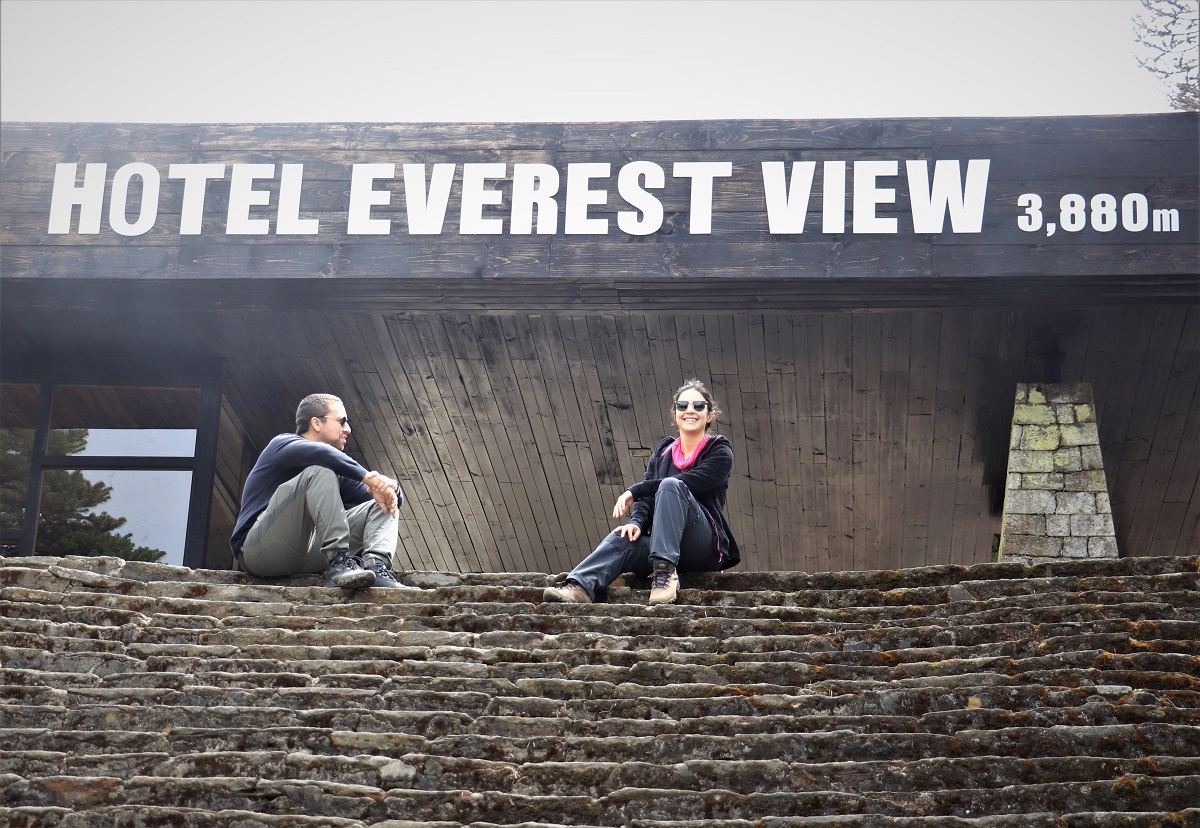
Everest Panorama Trek, as the name designates, this trip is designed to offer you dazzling views of Mt. Everest, the world’s highest peak from very close proximity. It is undoubtedly a short and moderate trip in the Everest region, one of the frequently organized trekking trips by Footprint Adventure. It is one of the most popular, low-altitude trekking routes that primarily revolves around Khumjung, Khunde, and Namche Bazaar. The highest point of this trekking is the Everest View Hotel 3,880m and therefore, this trip suits everyone, even if you are physically challenged or if you are a first-timer. Comparatively, the Everest panorama trek is a relaxed kind of trekking, because you will have to cross fewer ups and downs, mostly winds around the low altitude areas.

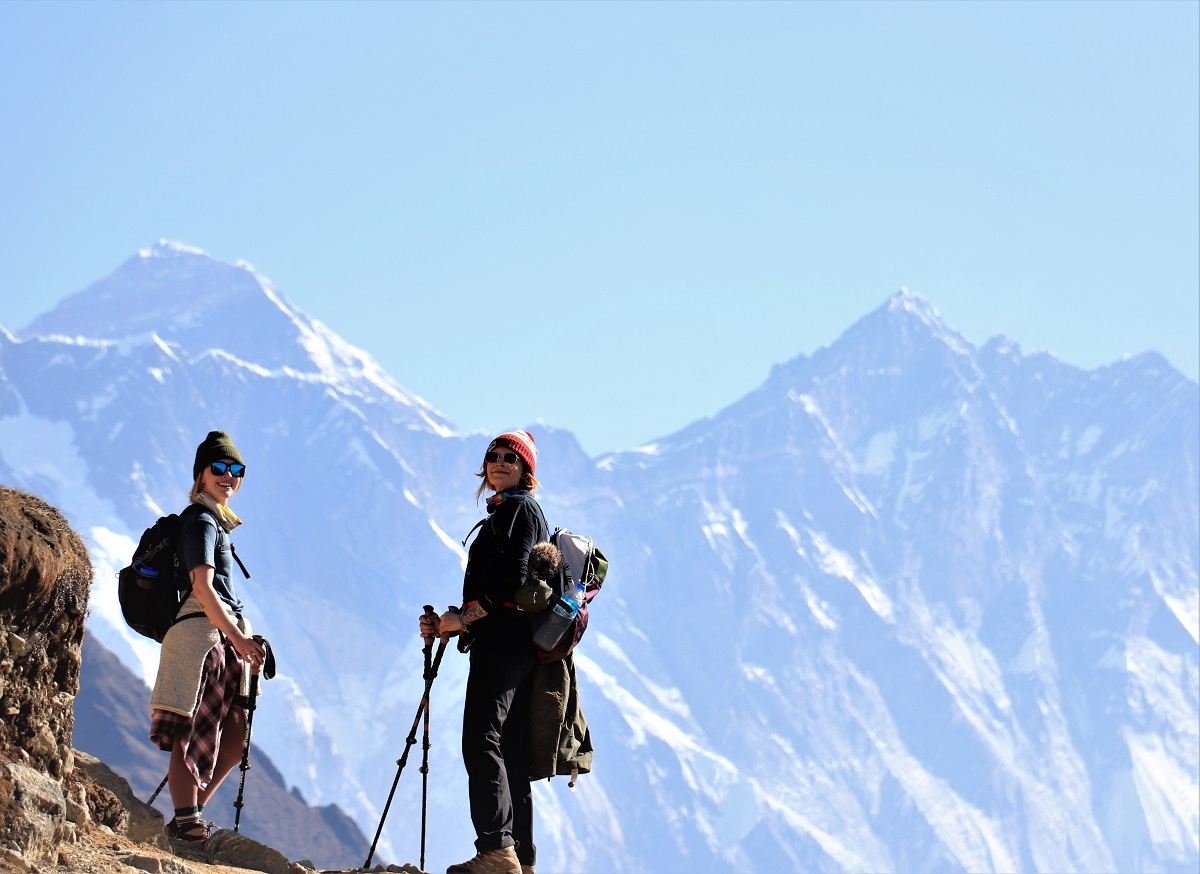
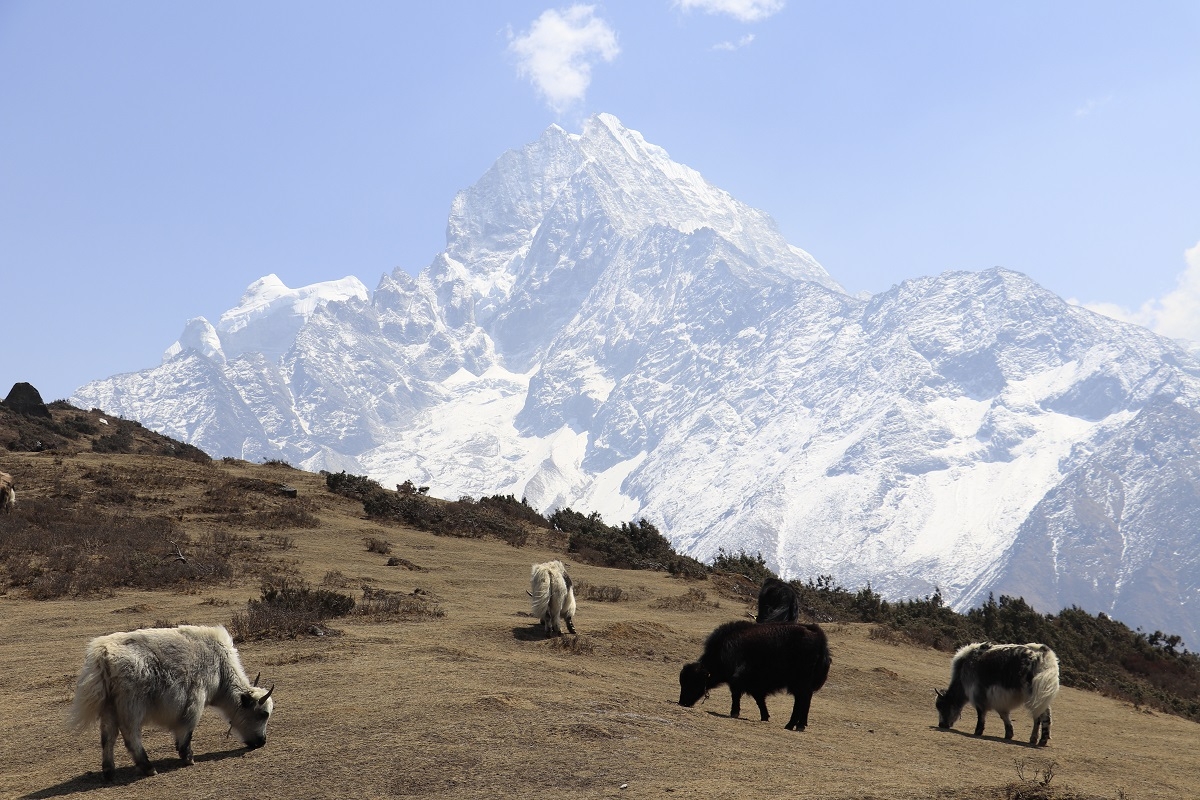
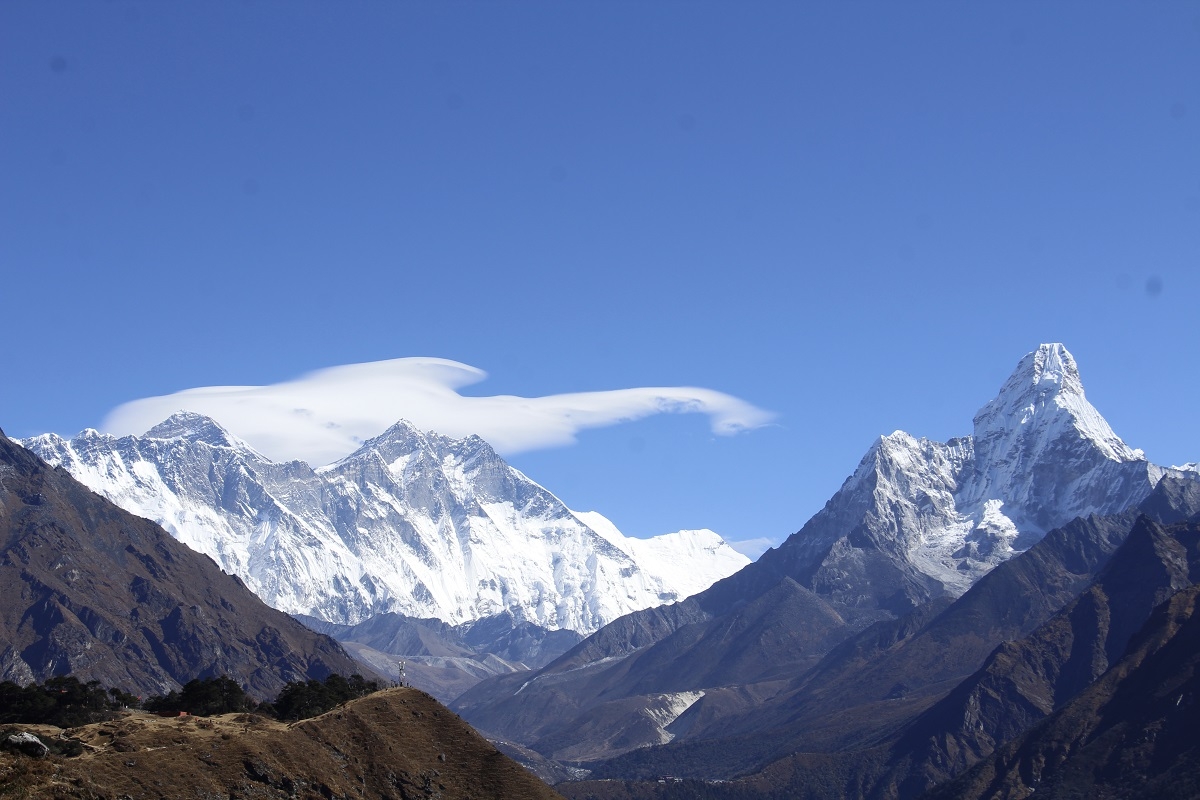
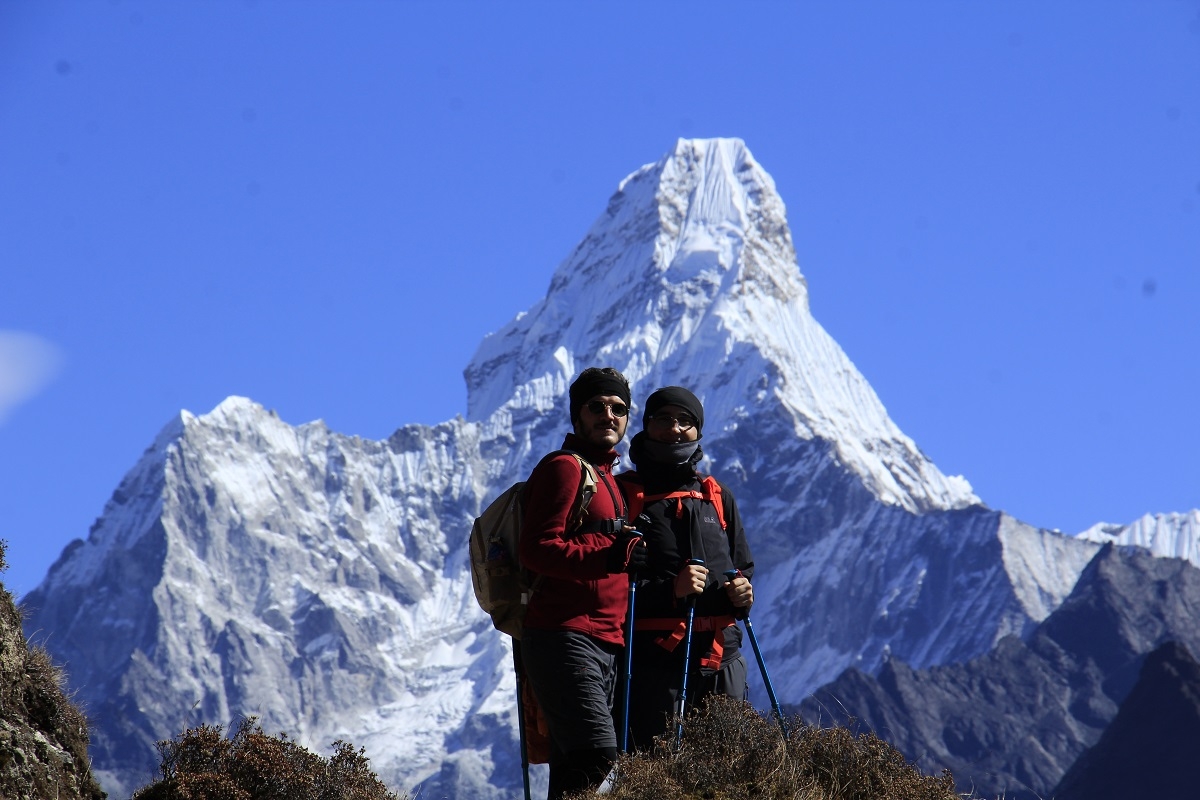
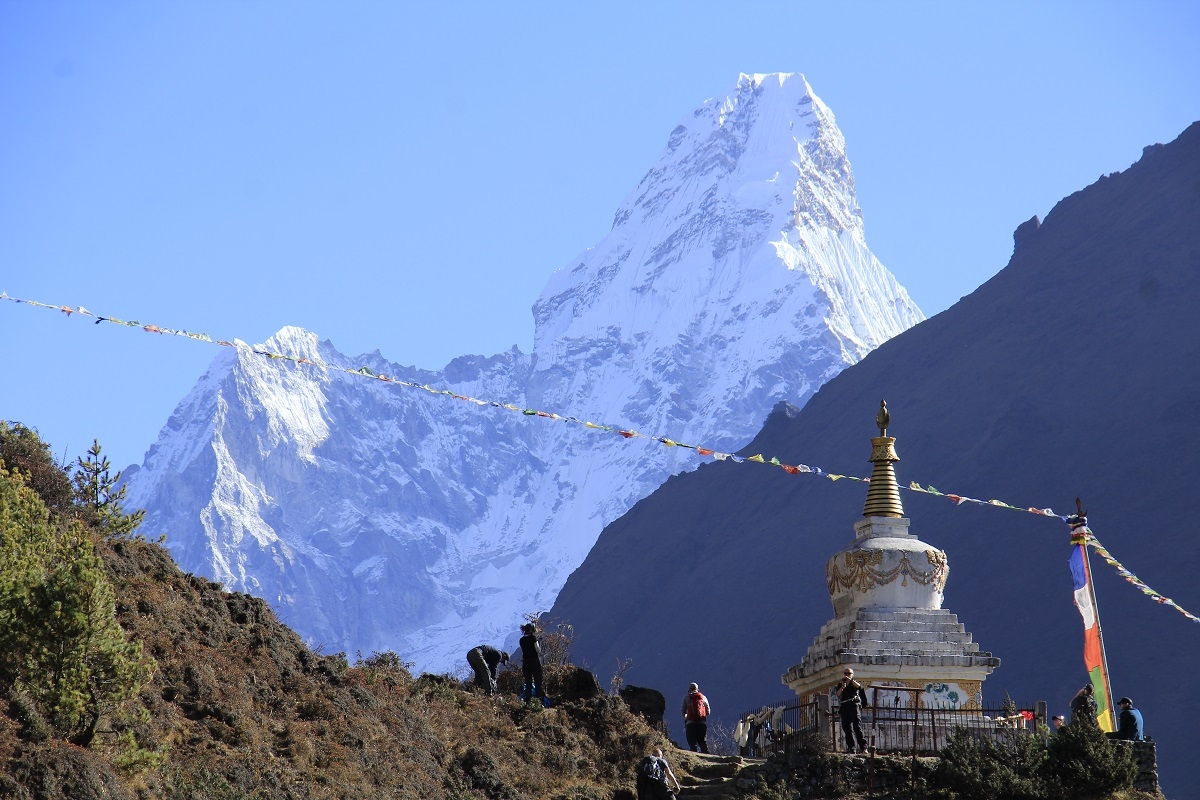
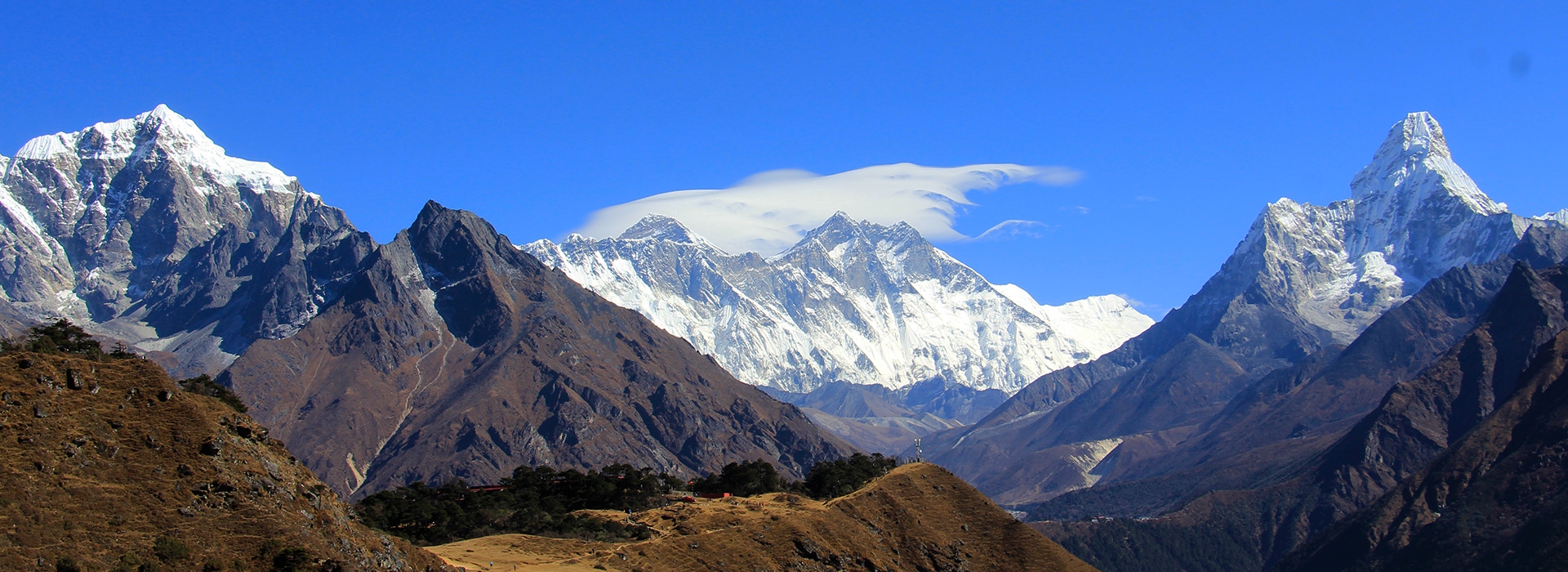
This is one of the easiest trips located in the foothills of Mt. Everest the world’s highest peaks, and this is why you will have breathtaking views not merely of Mt. Everest alone but you will have dazzling views of dozens of Himalayas namely Nuptse, Ama Dablam, Lhotse, Thamserku, Kantega, Kusum Kanguru, Nupla Khang, Kongde Ri and so forth. Besides having panoramic views of the Himalayas, you will equally be amazed at having the opportunity to explore distinct culture, rituals, and lifestyles of Sherpa Indigenous communities, enjoy taking part in the traditional fiestas and festivals, and take local dishes and delicacies, and more importantly, you will utmost opportunity to explore around ancient Buddhist monastery, mani, Chorten, equally you will have awesome views of sunrise and sunset views offering you dazzling views with the backdrop of the majestic Himalayas including Mt. Everest. The hospitality from the Sherpa community, the vibe of the beautiful Namche Bazar, and the facilities offered in that cozy town are the other best things to do during the Everest View Trek.  Nonetheless, as you pass through the greenery jungle, you will have the utmost opportunity to explore the diverse flora and fauna in the prestigious Sagarmatha National Park.  If you are lucky enough, you will encounter even wild animals, endangered birds, and so forth, offering your utmost opportunity for photography.

Everest Panorama trek begins with a short flight from Kathmandu to Lukla Airport, and then the trail follows the classic route alongside Dudh Koshi River, then you will reach Namche Bazaar, where you will have a rest day for acclimatization and also for exploring of Sherpa village. The next day, you will continue trekking to Everest View Point and Everest View Hotel to witness the panoramic mountain view.  It is considered one of the best viewpoints for panoramic views of several mountain vistas. At Everest View Point, you will stroll around and have amazing views of several majestic mountains, including Mt. Everest. Explore all around Khumjung village and Khumjung monastery, and take pictures with the backdrop of the Himalayas and incredible landscapes. If you wish to, you will also have an excursion up to Ama Dablam base camp, and then after exploring all around, you will retrace to Lukla and fly back to Kathmandu.

If you want to explore more places in the Everest Region like the popular trekking trail Everest Base Camp, Gokyo Lakes, and Everest Helicopter trek, you can customize it anytime. For the different packages of the Everest region, please contact us anytime.

Highlights of Everest View Trek

You'll See

Itinerary

Expand AllCollapse All

This is our regular itinerary, If you are looking for your own customized itinerary, feel free to contact us.

Kathmandu, the capital city of Nepal lies in the valley surrounded by beautiful green hills from all sides. If you come through the airways, our representative will be there in the airport terminal with your name to give you a warm welcome. After greeting you, our representative will drop you in your hotel and help you with all the check-in works. If you are arriving through the road, our representative will meet you at the respective destination. There will be no activities planned for you on this day. You can take a rest and if you want to explore nearby you can go and explore yourself as well. Overnight at Hotel in Kathmandu 

  • Accommodation Kumari Boutique Hotel
  • Maximum Altitude1,350m

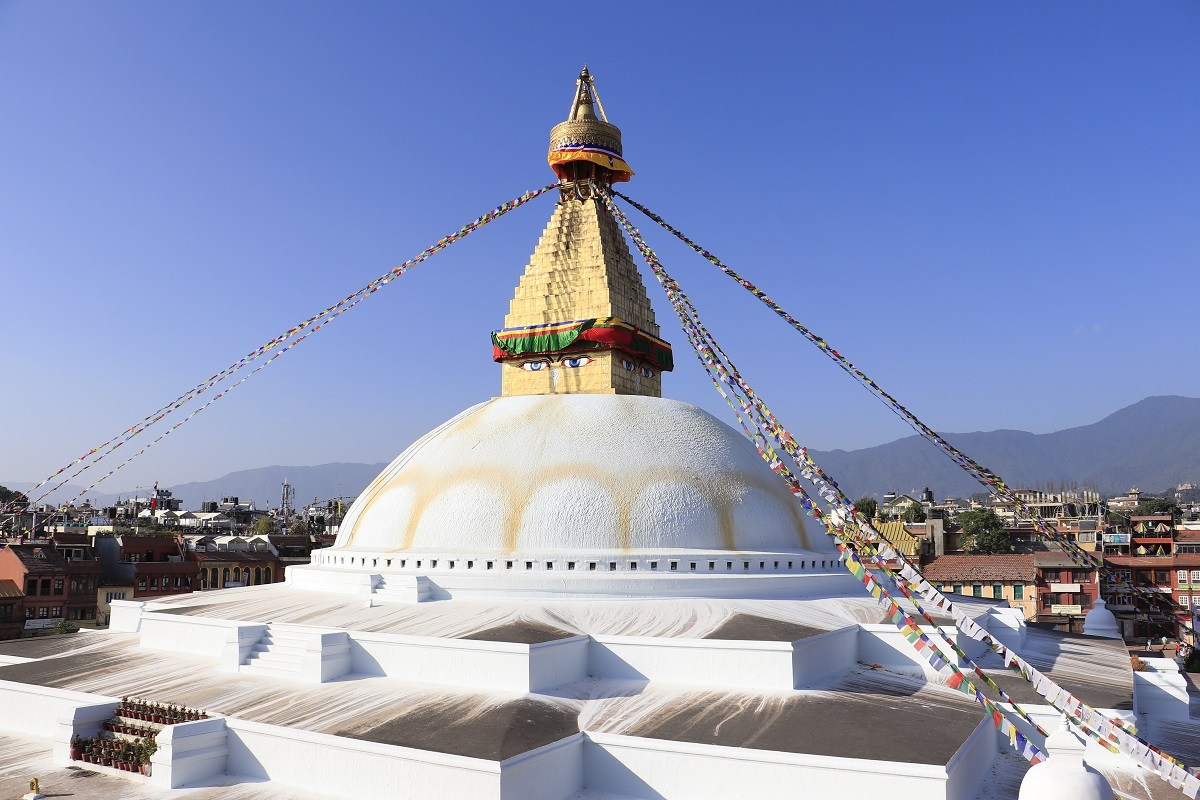
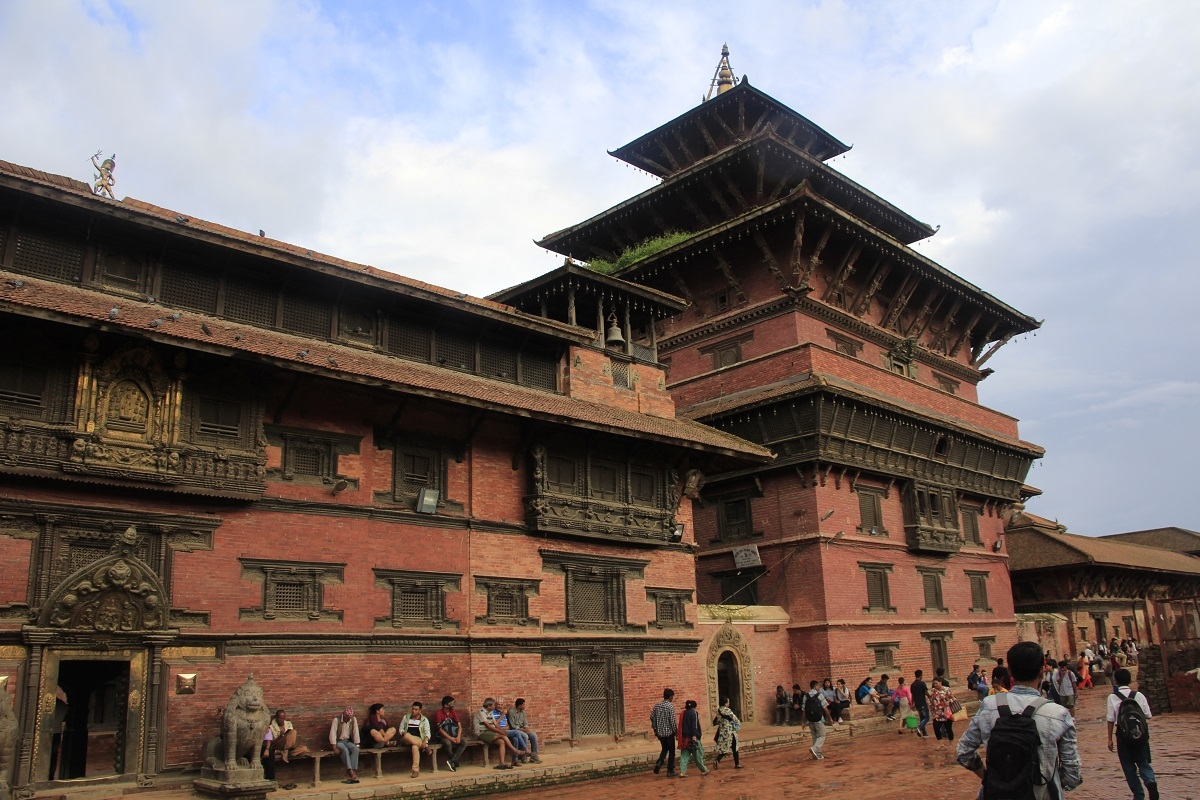
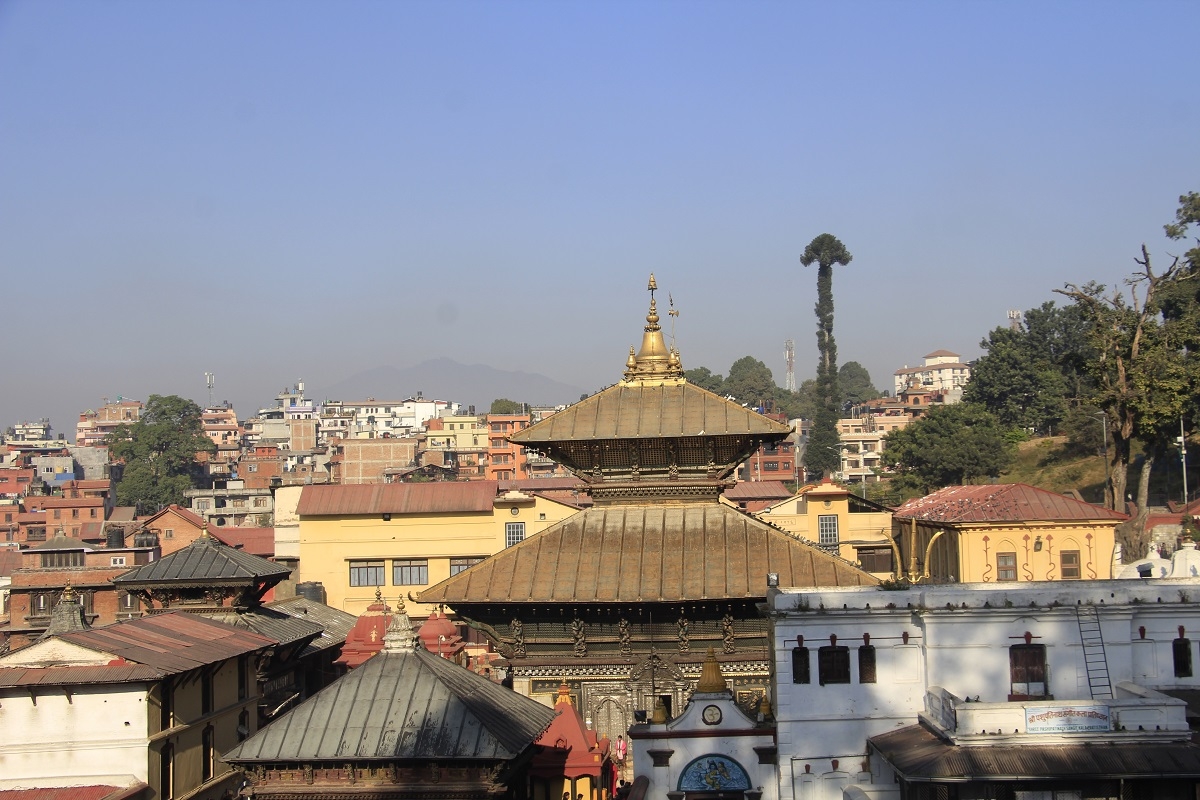
After breakfast, you will be taken to visit some of the famous landmarks of Kathmandu such as  Boudhanath Stupa, Swyambhunath Stupa, Pashupatinath Temple, and Patan Durbar Square. They all are listed in the UNESCO World Heritage Sites and protected areas as all of them are historically, culturally rich, and ancient. You will get to explore these heritage sites with our experienced city tour guide. You will get a chance to know about the historical facts, stories and all the information related to these sites. 

Swyambhunath Stupa is one of the self-sprung Buddhist and Hindu temples, also called the monkey temple. You will enjoy the stupas, temples, shrines, monasteries, and many more things to explore. Similarly, Boudhanath Stupa is one of the oldest Buddhist stupas in Asia and it's an important pilgrimage center for Tibetian Buddhism. Likewise, Pashupatinath Temple is Nepal's biggest Hindu temple that lies on the bank of the Bagmati River, where people worship Lord Shiva shine. Watching the Hindu cremation rites at the bank of the Bagmati river might be a very new experience for you. Patan Durbar Square is one of the three royal squares in the valley. Built-in the medieval era, the Durbar Square used to be the Malla ruler's royal palace and was later used by Shah Kings. 

After your amazing whole day city excursion, you will get back to your hotel. After that, we will go to one Nepali Cultural Restaurant where you will get both delicious Nepali food along with an amazing cultural performance. You will meet your trekking guide, there will be a short briefing session about your trekking and the guide will basically answer all your queries. Overnight at Hotel in Kathmandu. 

  • Accommodation Kumari Boutique Hotel
  • MealsBreakfast & Welcome Dinner
  • TimeFull Day
  • Maximum Altitude1,350m

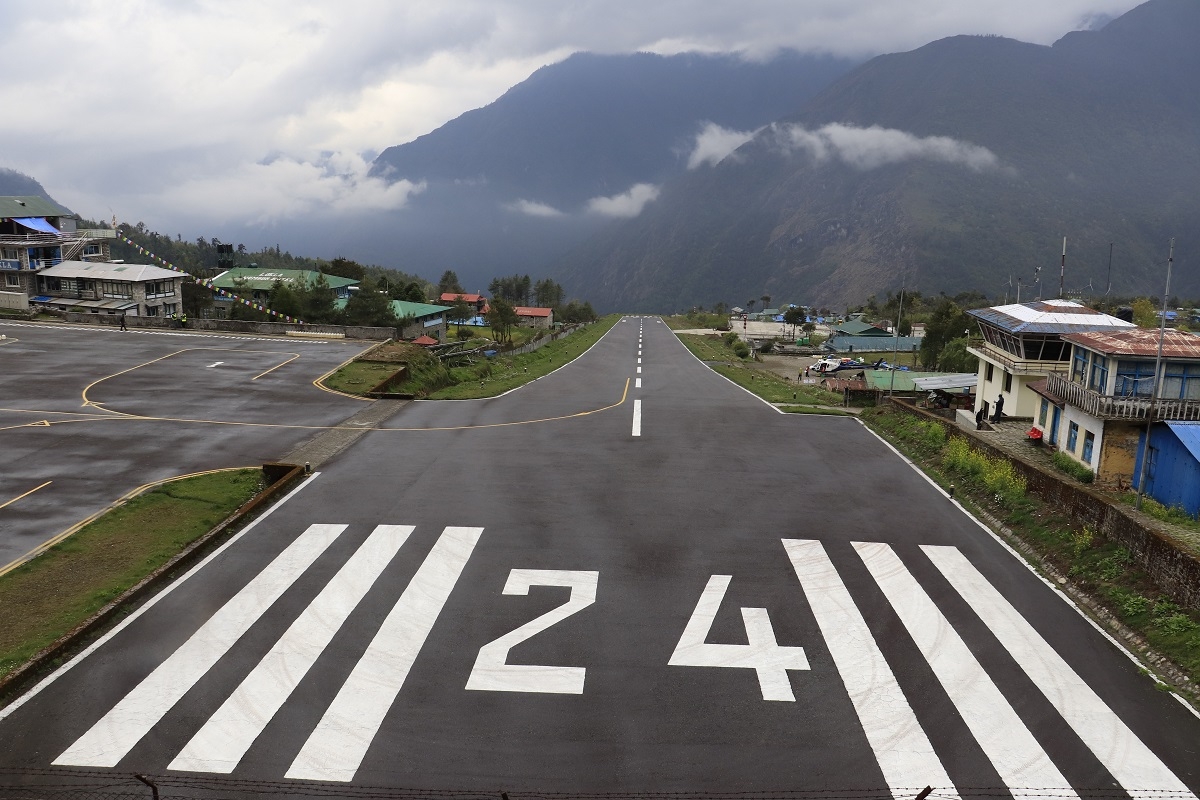
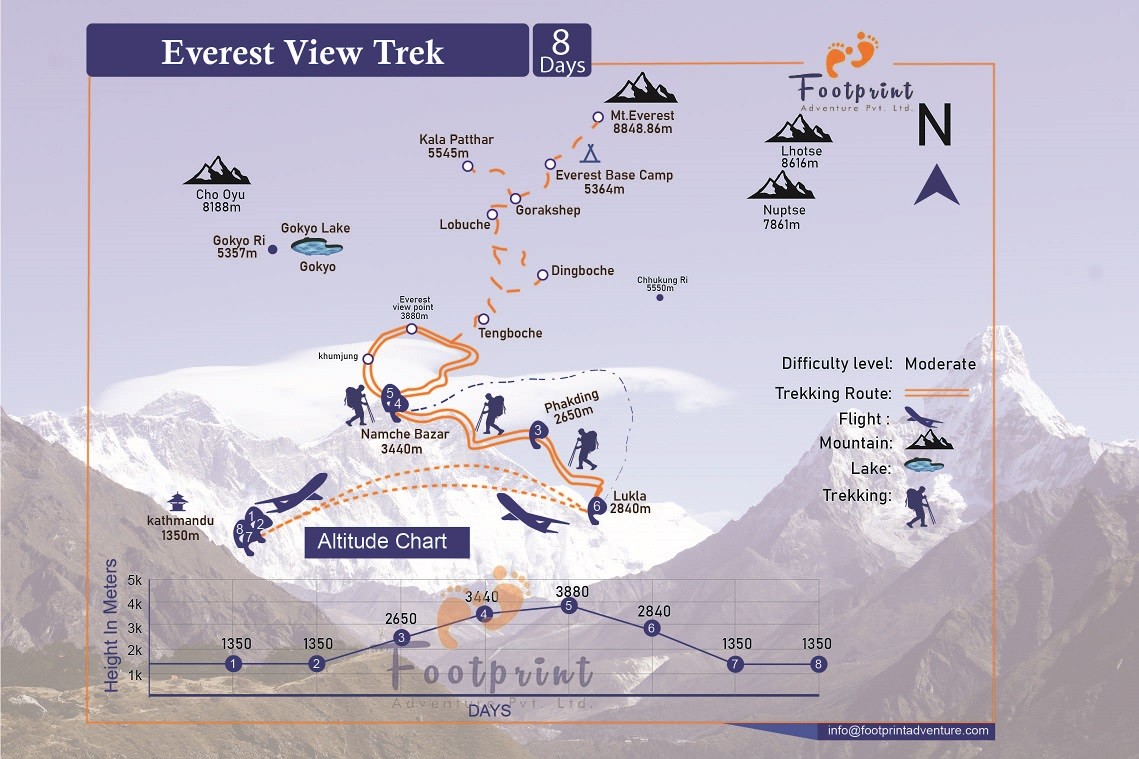
An early morning start takes us to the Tribhuvan International Airport in Kathmandu for the 35-minute scenic flight to Tenzing and Hillary Airport at Lukla. On arrival at the airport, the guide will brief you and introduce our porters before we begin our trek towards Phakding village. After landing we have time to explore the village while our Sherpa crew sort and load our trekking equipment. Then we begin our trek by descending towards the Dudh Kosi River where we join the main trail to Namche Bazaar, located just above Chaunrikharka. The walking is easy. After passing through the small village of Ghat, it is a short walk to Phakding.

  • Accommodation Trekker's Lodge & Restaurant
  • MealsBreakfast, Lunch & Dinner
  • Time30min flight & 3-4 hour trek
  • Maximum Altitude2,650 m

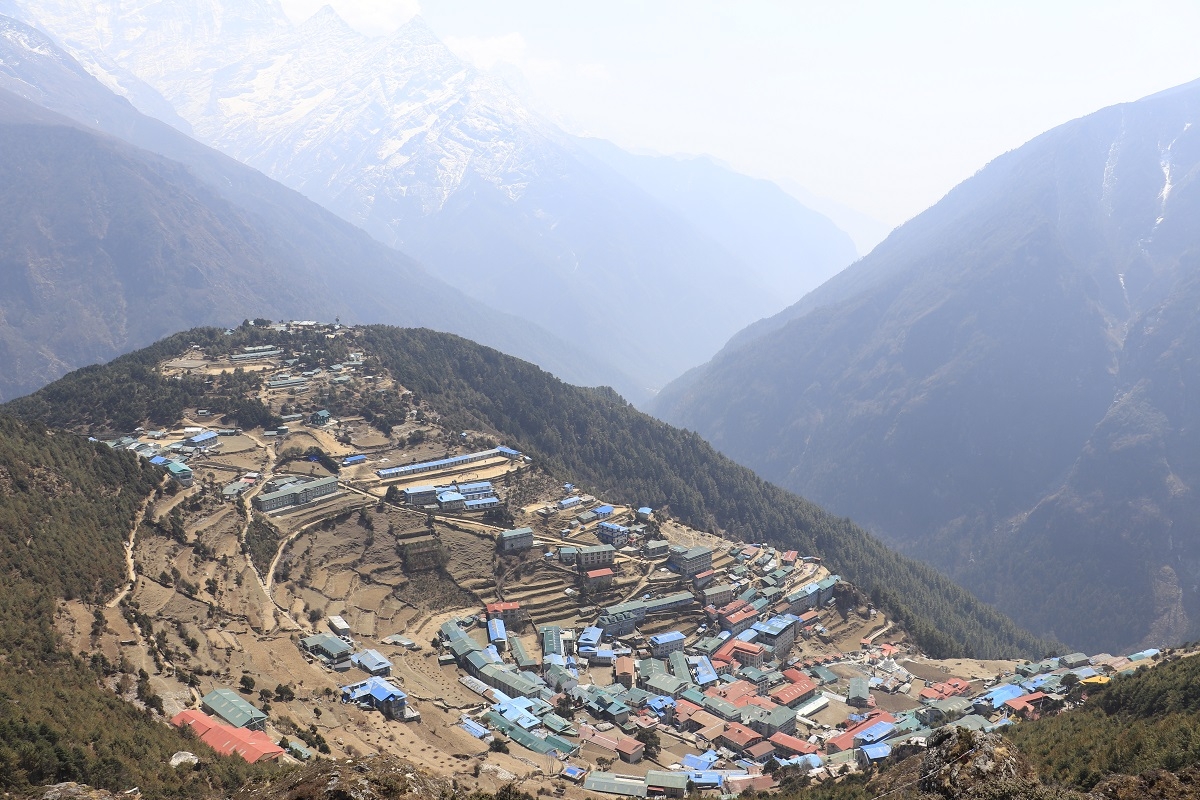
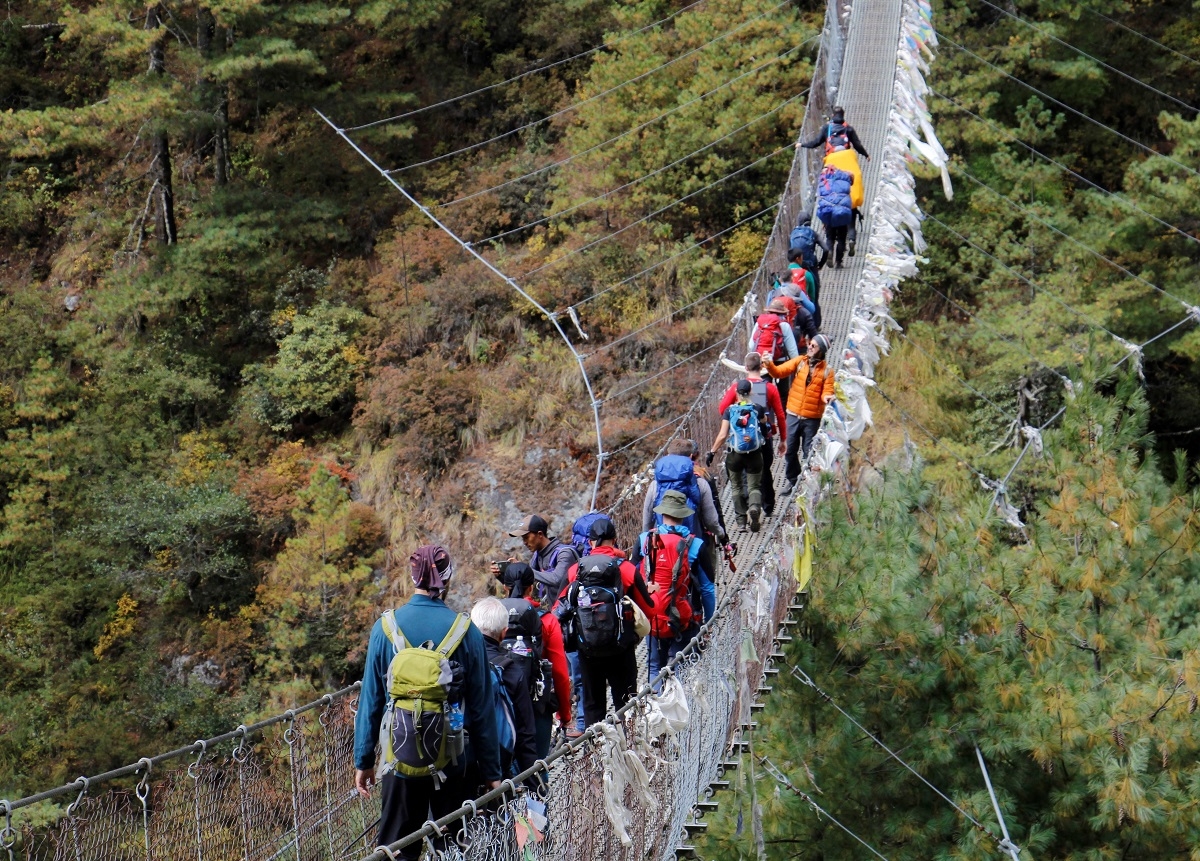
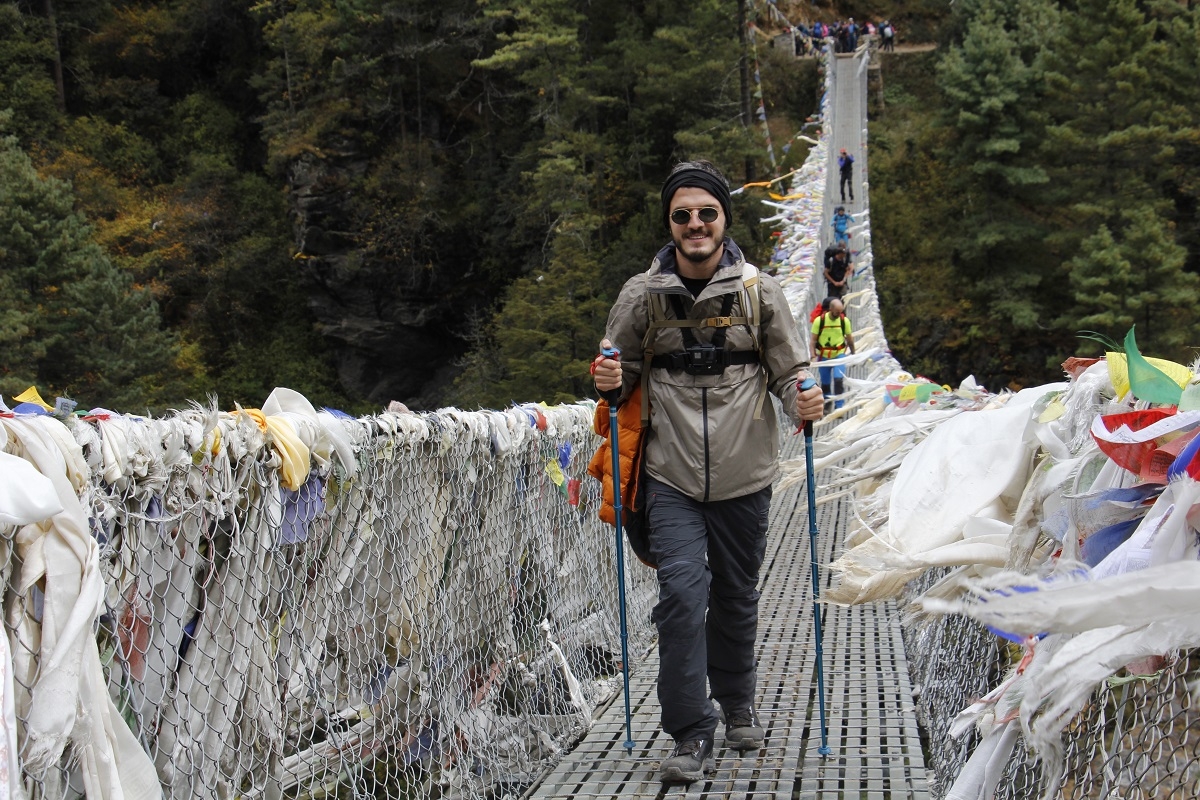
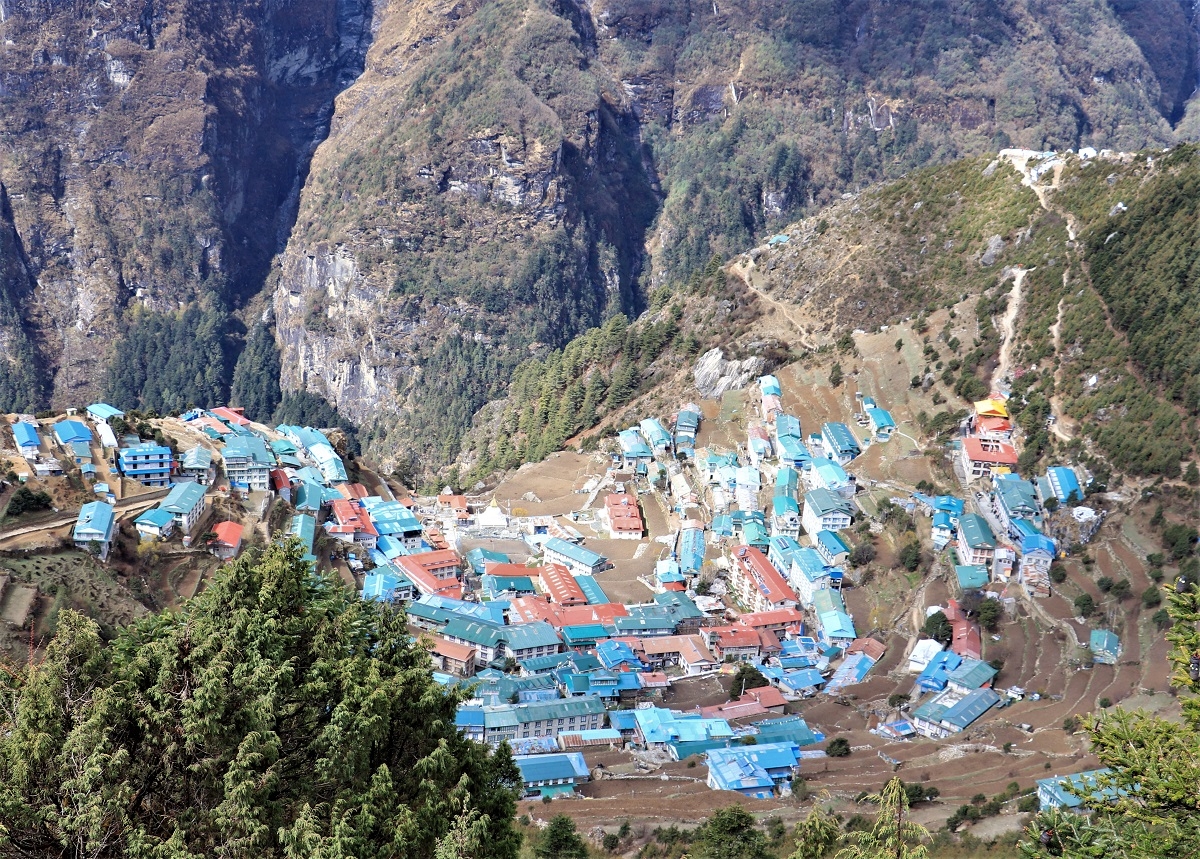
We continue trekking along the banks of the Dudh Koshi, crossing the majestic river many times on exciting suspension bridges laden with prayer flags. After entering the Sagamartha National Park, the trail climbs steeply with breathtaking views. Namche Bazaar (considered the Gateway to Everest) is home to many quality restaurants, hotels, lodges, shops, money exchange services, internet cafes, and bakeries. Namche is the biggest town along the Everest trail. We will spend a night here before hiking for the Everest View Point the Next day. 

  • Accommodation AD Friendship
  • MealsBreakfast, Lunch & Dinner
  • Time5-6 hour
  • Maximum Altitude3,440m

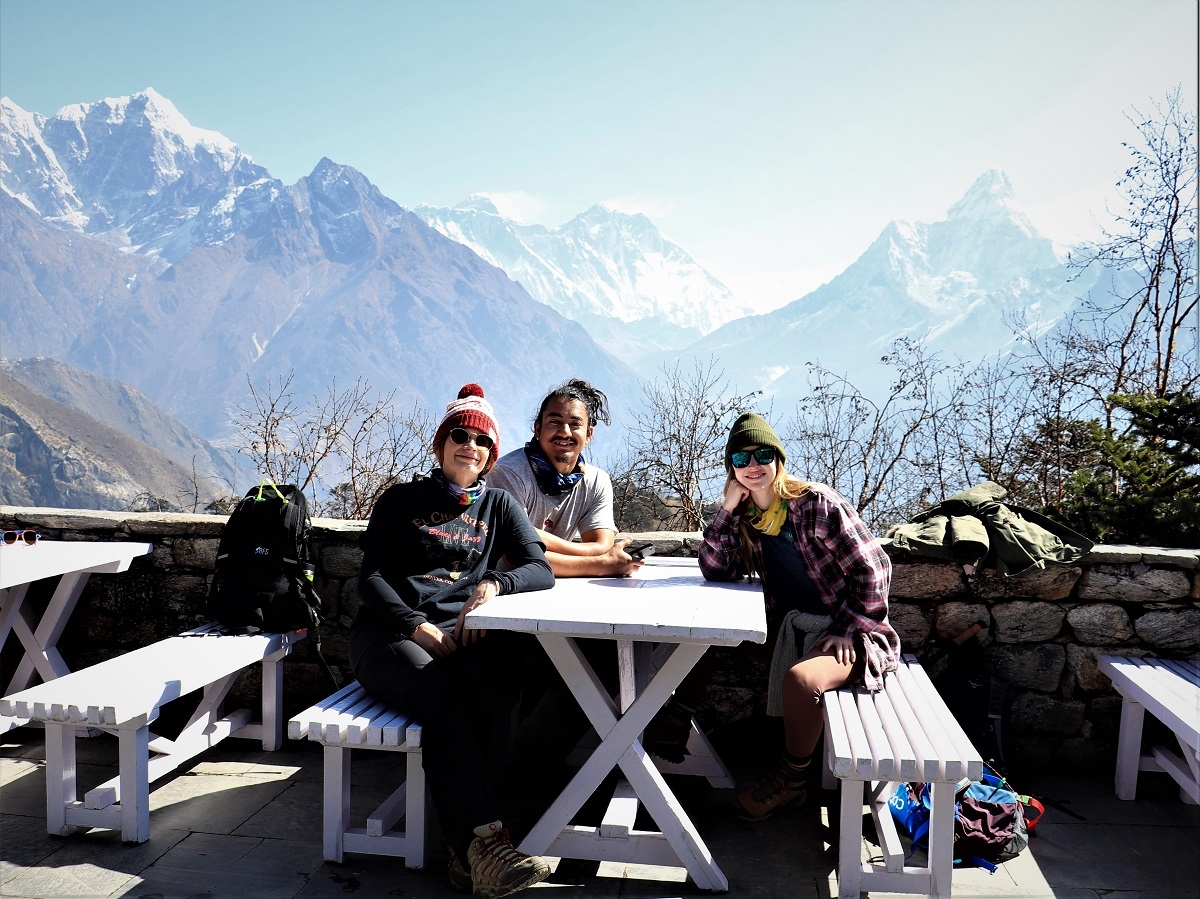
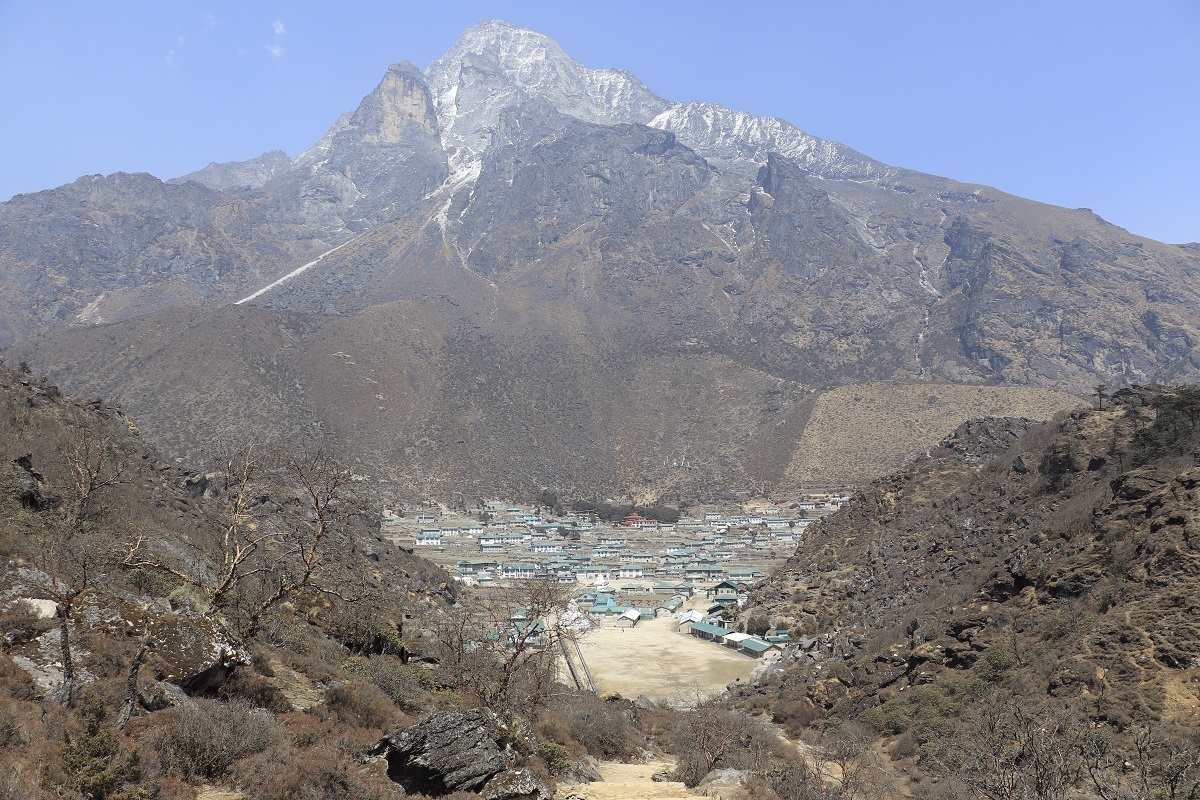
We leave early for the hike up to the Everest View Point and afterward Everest View Hotel about an hour’s hike above Namche for a fantastic panorama of the Himalayas and a great view of Everest, Lhotse and Ama Dablam. After enjoying the view and relaxing with a hot coffee we continue to the traditional Sherpa villages of Khunde and Khumjung. If you get a chance ask your guide to take you to the Khumjung Monastery which houses the scalp of what's said to be a Yeti. Leaving the villages we circle back to Namche via the small airstrip at Shyangboche.

  • Accommodation AD Friendship Lodge
  • MealsBreakfast, Lunch & Dinner
  • Time5-6 hour
  • Maximum Altitude3,880m

After breakfast, we trek toward the Hillary Suspension Bridge and then pass through several local villages. Our arrival in Lukla brings an evening in our last Tea House and, traditionally, a party with your trekking crew: you made it! Thanks to great teamwork and perseverance, you’ve accomplished a physical feat of which others only dream. This is your last night on the mountain, which can be bittersweet.

  • Accommodation Old Town Guest House
  • MealsBreakfast, Lunch & Dinner
  • Time6-7 hour
  • Maximum Altitude2,840m

Enjoying the last glimpse of the mountains we have recently visited, the 35 minutes scenic flight takes us back to Kathmandu. On arrival in Kathmandu, we are met and transferred back to our hotel. In the evening we will have a farewell dinner in a traditional Nepalese restaurant with cultural dance performances.

  • Accommodation Kumari Boutique Hotel
  • MealsBreakfast
  • Time30min flight
  • Maximum Altitude1,350m

Our airport representative will drop you to Kathmandu Tribhuwan International Airport for your final departure from Nepal. 

  • MealsBreakfast

What's Included

  • All ground transport in private vehicles, including airport transfers during international and domestic flight
  • Kathmandu city excursion, tour guide, and private transportation 
  • 3x nights accommodations with breakfast in (Hotel Kumari Boutique) or similar standard 
  • Welcome dinner in a Nepali restaurant with a cultural performance 
  • Full board meals (breakfast, lunch, and dinner), 3x tea/coffee, and 1x soup per day during the trekking 
  • The best available twin-sharing lodge/teahouse for accommodations during the trekking
  • Seasonal fruits like apples, oranges, and pomegranates as dessert during the trekking
  • Mobile charging, wifi, and hot showers are available in your room
  • Government Licence holder and experienced English-speaking trekking guide during the trekking 
  • Honest, kind, and helpful porter during the trekking ( Ration: 1 porter for 2 trekkers)
  • Food, Accommodation, Salary, Equipment, Medicines, and insurance for trekking staff
  • Kathmandu-Lukla-Kathmandu round-trip flight 
  • First Aid Medicine Kit carried by trekking guide 
  • Carry Me Bag for responsible waste collection throughout the trek
  • All the required permits and entrances for the trekking 
  • All government taxes and company charges 
  • Footprint Adventure's T-shirt, trekking map, and trip accomplishment certificate
  • Nepal visa charges, learn more 
  • Personal trekking equipment, learn more 
  • Your travel and rescue insurance, learn more 
  • Entrance fees in sightseeing places in Kathmandu
  • Lunch and dinner in Kathmandu and extra meals in the mountains
  • Tips for guide, porter, and driver (expected)
  • Mineral water, soft drinks, and hard drinks, snacks and other expenses during the trekking
  • The rest of the expenses that are not mentioned in Price includes 

Additional Info

Accommodation Options During the Everest Panorama Trek 

Accommodation in City 

During your 8-day Everest View trek package, you will stay for three nights in a comfortable 3-star hotel in Kathmandu on a twin-sharing basis. If you prefer a single room for more privacy, it can be arranged for an additional cost.

Accommodation During the Trek

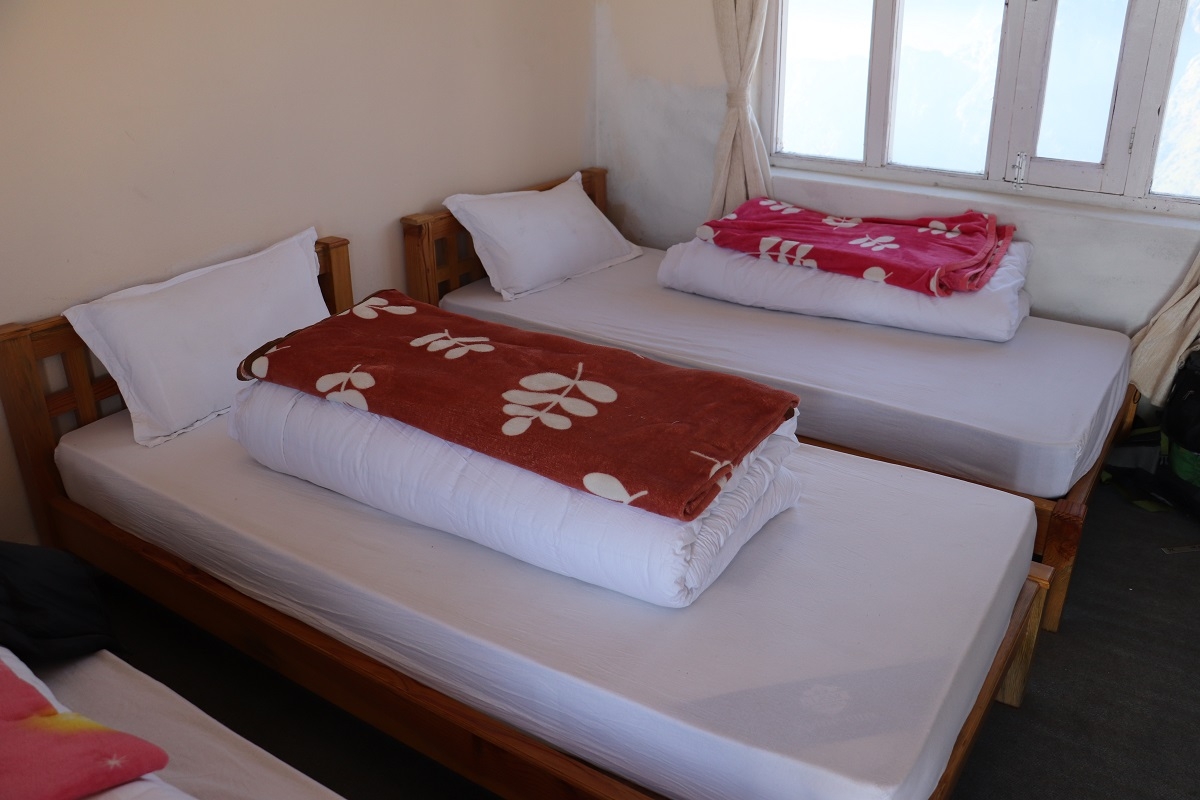
  • During the Everest View trek, you will stay for a total of four nights in local teahouses. Accommodation is on a twin-sharing basis, and meals are served in shared dining areas. Rooms are simple and usually include a mattress, blanket, and pillow.
  • Teahouses are basic and unheated, so you will need a four-season sleeping bag rated to at least -10 °C. If you don’t want to purchase one, sleeping bags can be rented in Kathmandu for around $2–3 per day.
  • Private or attached bathrooms are available in all teahouses along the trek. Hot showers are available at most teahouses and cost between NPR 500 and 700, depending on the altitude.
  • During peak trekking seasons in autumn (September–November) and spring (March–May), teahouses fill up quickly with domestic and international trekkers. Booking early and staying flexible with accommodation arrangements is recommended.

Hotel Upgrade Options

If you prefer more comfort in Kathmandu before or after your trek, you can upgrade to luxury category hotels that offer higher standards of service, better amenities, and a more comfortable stay.

  • Upgrade to a 4-star hotel in Kathmandu  - 120 USD per night pp in BB
  • Upgrade to a 5-star hotel in Kathmandu - 250 USD per night pp in BB
  • Single supplement - 300 USD per person

Transportation During the Everest View Trek

  • The Everest View trek typically begins in Lukla, which can be reached by a short domestic flight from Kathmandu lasting approximately 20–30 minutes. From Lukla, the trek continues on foot along well-marked trails. After completing the trek, you will fly back from Lukla to Kathmandu.
  • All ground transportation in Kathmandu, including airport pickups, hotel transfers, and sightseeing, is provided by private vehicles.
Note: During peak trekking seasons, flights to Lukla operate from Ramechhap Airport (also known as Manthali Airport) instead of Kathmandu due to heavy air traffic. Reaching Manthali requires an approximately 5-hour drive from Kathmandu, followed by a 15-minute flight to Lukla.

Permits and Entrance Fees Required for Everest View Trek

To trek to the Everest View trek, trekkers are required to obtain three major permits

  • Sagarmatha National Park Entry Permit: NPR 3,000 per person for foreigners and NPR 1,500 per person for SAARC nationals.
  • Khumbu Pasang Lhamu Rural Municipality Permit: NPR 2,000 per person for both foreign and SAARC nationals
  • TIMS (Trekkers’ Information Management System) Card: NPR 1,000 for SAARC nationals and NPR 2,000 for other foreign nationals.
All permits are mandatory for the Everest View trek, and we can arrange them for you before the trek begins. Although some sources may suggest that a TIMS card is not required for trekking in the Everest region, it is legally mandatory. We also recommend carrying a few photocopies of your passport and permits, as you will need to present them at several checkpoints along the route.

Internet Electricity & Phone Access on Everest View Trek

  • Mobile networks along the Everest View trek are generally available, with both NTC and Ncell working, though NTC provides better coverage at higher altitudes. Strong signals are usually found in lower villages such as Lukla, Phakding, and Namche Bazaar. Coverage becomes more limited near the Everest Viewpoint.
  • Most teahouses along the Everest View trek rely on solar power, but electricity is generally available, especially in Lukla, Phakding, Namche Bazaar,and Khumjung. Charging is usually available in dining areas and typically costs NPR 200–500 per device. Carrying a power bank or solar charger is still recommended for convenience.
  • Wi-Fi is available in Lukla, Phakding, Namche Bazaar, Everest Viewpoint, and Khumjung via Everest Link cards. Prepaid cards cost around $20 for 10GB or $30 for 20GB, with higher rates at altitude (up to $9–10 per GB). Smaller data packs may also be available from lodges. Speeds are generally good but may slow when many users are connected.

Meals and Dining During the Everest View Trek

  • During the Everest View trek, full board meals are included, covering breakfast, lunch, and dinner. Breakfast and dinner are served at teahouses, while lunch is freshly prepared along the trail. Each day also includes three servings of tea or coffee and one serving of soup to help keep you warm.
  • The food menu on the Everest View trek offers a wide variety of options, including local Nepali and Sherpa cuisine as well as Western dishes. Typical breakfast items include eggs, porridge, Tibetan bread, chapati with jam or honey, pancakes, and omelets. Lunch and dinner often feature Dal Bhat (lentil soup, rice, vegetable curry with free refills), noodles, fried rice, pasta, soups, vegetables, bread, and seasonal fruits.
  • Vegan, vegetarian, and gluten-free options are available upon request. Please inform us in advance of any dietary restrictions or allergies to ensure proper arrangements throughout the trek.

Drinking Water on Everest View Trek

  • In lower elevations, bottled water is available for around NPR 100–150 per liter Lodges also provide boiled water for NPR 300-500 per liter, depending on the location.
  • At higher altitude, bottled water becomes more expensive. We recommend carrying water purification tablets or a filter or relying on boiled water at lodges to ensure safe drinking water throughout the trek.

Group Leader and Crew 

  • You’ll be accompanied throughout the trek by experienced, licensed mountain guides from our team, trained in wilderness skills and first aid.
  • For groups of more than 5 people, we provide an additional assistant guide to ensure extra care and support.
  • To make your journey easier, we assign one porter (Sherpa) for every two trekkers to help carry your gear.

Trekking Equipment 

  • You don’t need to spend much on gear before your Everest View trek, as most items can be bought or rented in Kathmandu. Essentials include layered clothing for cold weather, waterproof trekking boots, gaiters, camp shoes, gloves, warm hat, backpack with rain cover, trekking poles, headlamp, a four-season sleeping bag, sun protection, and water purification. A basic medical kit will be carried by our guide.
  • We provide a detailed packing list to ensure you have everything needed for high-altitude conditions along the Everest View trek. Feel free to contact us if you have any questions about what to pack for Everest View trek.

Trekking Grade

The Everest View trek is considered easy to moderate, making it suitable for beginners and those with average fitness. The trek reaches a maximum elevation of 3,880 m (Everest Viewpoint) and typically takes 5–7 days, with daily walks of 4–6 hours. It offers a mix of scenic trails, traditional Sherpa villages, and spectacular Himalayan views without requiring any technical climbing skills.

Weather and Climate 

The Everest View region experiences a high-altitude mountain climate. The best trekking seasons are pre-monsoon (March–May) and post-monsoon (October–November), offering clear skies and stable weather. Summers (June–August) are wet with heavy monsoon rains, while winters (December–February) are cold with possible snow at higher elevations. Daytime temperatures range from 5°C to 15°C, dropping near or below freezing at night, especially near the Everest Viewpoint.

Travel Insurance

Travel insurance is essential for the Everest View trek, as the route reaches high altitudes up to 3,880 m. Ensure your policy covers high-altitude trekking, emergency evacuation, and medical expenses. Due to the remote areas and limited medical facilities along the route, comprehensive coverage is strongly recommended for a safe trekking experience.

High Altitude Sickness

  • The Everest View trek reaches a maximum altitude of 3,880 m at the Everest Viewpoint. While the risk of altitude sickness is lower than on higher treks, proper acclimatization and preparation are still important.
  • Our itinerary is designed with gradual elevation gains, allowing trekkers to adjust to higher altitudes safely. Trekkers should be aware that even at these elevations, reduced oxygen can cause mild symptoms such as headache, dizziness, nausea, shortness of breath, or fatigue.
  • To stay safe, monitor your condition closely, rest when needed, communicate openly with your guide, and descend if symptoms worsen.

Tipping

Tipping on the Everest View trek  is not mandatory, but it is an important way to acknowledge the hard work of your guide and porter, as it forms a significant part of their income. Generally, we recommend tipping 10–12% of the trek package price for your porter and 12–15% for your guide. You can adjust the amount according to the quality of service and your overall experience. Providing tips in Nepalese Rupees or a widely accepted currency like USD is recommended.

Booking and Cancellation Policy

How to Make a Booking

To secure your Everest View Trek package, we will require photocopies of each traveler's passport to make your booking. You should also provide us with a copy of your Nepal arrival flight schedule or an estimated date of arrival so we can arrange your trek package at your convenience. Finally, you can finalize your booking by paying an advance of 20% of the cost of the trek package. You can go through our entire booking process and conditions so that you have a smooth experience from start to finish.

Cancellation Charges & Conditions

  • 25 or more days before departure: 20% of the total cost
  • 18–24 days before departure: 40% of the total cost
  • 10–17 days before departure: 50% of the total cost
  • Less than 10 days from trek start date: 70% of the total cost
  • Once the trek starts from Kathmandu, no refunds will be provided.

Rescheduling: You can reschedule your trek to a future date without any extra charges, as long as you notify us at least 15 days before your originally scheduled start date.

Customize Itinerary & Trip Extension

As per your time schedule if there is not suitable date for trekking departure from Kathmandu so the place mentions your suitable time and date then we will organize your great trip to Everest Panorama trek. In addition to Everest Panorama Trek, we can organize a trip to the Annapurna Trekking, Langtang Trekking, Manasalu Trekking, Mustang Trekking, Mountain Flight, Water rafting,  Jungle safari, City tour (Kathmandu, Pokhara or Lumbini ), homestay Tour, Nepal Cultural Tour, Tibet tour, Bhutan Tour or India Tour extension as per your time frame.

FAQs

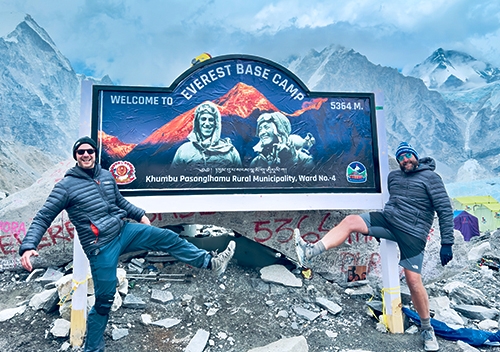
Q1. What is the difference between normal Everest Base Camp Trek and Everest View Trek?

Both the standard Everest Base Camp Trek and the Everest View Trek are popular trekking alternatives in the Everest region of Nepal, and each offers a distinctive experience. 

The lengthier and more difficult Everest Base Camp Trek brings you to Mount Everest's base camp which takes 12 to 14 days to finish and includes strenuous uphill climbs, greater distances, and higher elevations. You will pass through some breathtaking landscapes along the journey, including the Khumbu Valley, Himalayan peaks, glaciers, and the famous Khumbu Icefall.

Whereas, The Everest View Trek, on the other hand, is a quicker and less strenuous alternative, taking approximately 5-7 days to complete. It doesn't take you to the base camp, but it offers amazing, complete landscapes of the Everest region. The Tengboche Monastery visit, where you can have a peaceful spiritual experience and take in the breathtaking views of Everest, Lhotse, Nuptse, Ama Dablam, and other stunning peaks, is the trek's high point. For those with limited time or who want a less demanding trekking experience but still want to take in the splendor of the Everest region, this trek is a great option.

You can either carry your own luggage on the Everest View Trek or you may hire a porter to do it for you. Your personal preference, level of physical fitness, and desired level of comfort during the walk will all play a role in your decision.

If you decide to carry your own luggage, you should pack lightly and make sure you can carry your backpack comfortably the entire walk. To reduce stress on your body, it is advised to use a backpack designed for trekking and to distribute the weight equally.

It's essential to carry the right equipment when getting ready for the Everest View Trek to guarantee your safety, comfort, and overall enjoyment. It is important to wear appropriate clothing, which should include insulating layers like fleece or down jackets to offer warmth, moisture-wicking base layers to control sweat, and a waterproof and windproof outer shell jacket to safeguard against the elements. Additionally required are trekking pants, thermal socks, and pants that are waterproof, breathable, and comfortable. Remember to bring waterproof, insulated gloves, a thick cap, and UV-protected sunglasses to protect your eyes from the sun's glare at higher elevations.

Yes, You can customize the itinerary of Everest View Trek to meet your choices and needs. While most trekkers follow a set itinerary, trekking organizations and guides are typically willing to make accommodations for your unique needs. The length of the trek is one facet of personalization. The standard Everest View Trek lasts between 5 and 7 days, but if you have extra time, you can lengthen the trek and stay longer in particular spots. This permits a slower pace, more time for acclimatization, and the chance to learn more about the area. 

Yes, you need a trekking permit for the Everest View Trek. The permits are necessary to enter the Sagarmatha National Park, which is a protected area and a UNESCO World Heritage Site. Here are the permits you will need:

Sagarmatha National Park Permit: Rs. 3,000 per person

Pasang Lampu Rural Municipality Permit: Rs. 2,000 per person

Autumn (September to November) and spring (March to May) are the best seasons of the year to see Everest in the Everest region of Nepal. The weather is typically calm, the skies are clear, and visibility is great during these seasons, allowing for stunning views of Everest and the nearby peaks. 

While spring brings warmer weather, the blooming of rhododendrons, and a colorful environment, autumn gives temperate temperatures and a lively atmosphere with numerous trekkers on the paths. Both seasons have their own distinct charms, so it is important to plan your walk after checking weather forecasts and consulting with local experts for the most recent information.

After a challenging day of hiking, it is necessary to take some time to wind down, relax, and get a good night's sleep in order to be ready for the next day's adventure. To ensure that you have a pleasant stay, we will always reserve the finest lodge, which will include two beds in each room as well as western-style bathroom services. The majority of the time, there will be an adjacent restroom as well as clean and comfy beds that include an electric blanket (if one is available). The temperature of the space will often be kept between 10 and 12 degrees Celsius (50 and 53.6 degrees Fahrenheit).

Yes! The challenging hike to Everest View is highly dependent on the existing weather conditions. Due to the unpredictability of the weather and the frequent occurrence of weather-related events, flights are sometimes delayed or even canceled. Tenzing Hillary Airport in Lukla is located at 2,800 meters (9,186 feet) above sea level and is accessible by a 25-minute flight from Kathmandu. In the event that the domestic flights to and from Lukla are canceled, we kindly ask that you make appropriate preparations and set aside a few days as a backup in case this occurs.


The months of spring (March-May) and fall (October-November) are the best times to trek to the Everest region. Since the weather is more favorable during these months and is ideal for high-altitude trekking during these months. These times of the year provide a view of the mountains that is completely unobstructed by clouds. Although it is possible to complete the Everest View trek throughout the year.


Since we only ascend to an altitude of 3880 meters on the Everest view trip, altitude sickness won't be an issue.If so, the following are a few tips for preventing altitude sickness during your trip to the Everest view trek, provided by our knowledgeable guides and travel planners.

  1. Slow ascent with sufficient rest and acclimatization.
  2. Make sure you get enough fluids and stay hydrated.
  3. Consume sufficient and balanced calories.
  4. Keep clear of alcoholic beverages, cigarettes, and tobacco products for the entirety of the walk.
  5. Maintain a level head and get yourself mentally ready.
  6. Train your body to handle uphill hikes 3 months before the trek by doing enough cardio or gym work.

The Everest View Trek is a quick hike that provides spectacular views of Mount Everest (8848.86m) and other Himalayan peaks in the Everest region. You may enjoy the distinctive Sherpa culture while on the hike through Sagarmatha National Park. On the journey, mountains like Ama Dablam (6856m), Kongde Ri (6187m), and Nuptse (7861m) will provide stunning views. Additionally, there are beautiful views of the Everest Himalayas during the journey from Kathmandu to Lukla.


Everest's tea houses provide trekkers with wonderful cuisine. Warm breakfast, lunch, and dinner made with local organic ingredients. Continental, Indian, and local foods are on the menu. Breakfast must include Tibetan bread/Chapati. Hot soup options abound. Pancakes, oatmeal, muesli, omelets, etc.

Dal Bhat's lunch buffet includes boiled rice, lentil soup, vegetable curry, and pickles. The Nepalese eat this combination twice a day, so it's wonderful. Rice, pasta, pizza, and spaghetti are the more common alternatives.

Impressive liquid selections-You'll have ginger honey, lemon tea, and coffee. Local wine, beer, and rum are available. Namche has pubs and a bakery. Nepal's other hiking routes don't have such interesting restaurants.


Everest View doesn't require much fitness. Anyone with physical and mental strength can succeed. Officers rated this Nepal trip as "easy." You may complete the seven-day hike without having any high-altitude experience. No mountaineering equipment or skills are needed. Daily short hikes in your neighborhood might enhance your strength. Whenever feasible, trek above 4000m. Cycling, swimming, and running are important. Squat to tighten your thighs. Gym membership can boost your strength. The trip reaches 3880 meters.

Client Reviews

Tripadvisor300+Reviews
Google100+Reviews
trustpilot99+Reviews

Similar Trips

You May Also Like
Explore more