
.jpg)
Highlighting Conscious Partners in Hospitality
Barahi Hospitality Group
Featured properties: Hotel Barahi Kathmandu, Barahi Jungle Lodge, Hotel Barahi Pokhara, Sarangkot Mountain Lodge
The Barahi Group of Hotels has emerged as a clear leader in Nepal’s journey towards certified, responsible tourism. Their commitment is proven not just through self-declaration, but through rigorous international practices, positioning them at the forefront of nature hospitality.
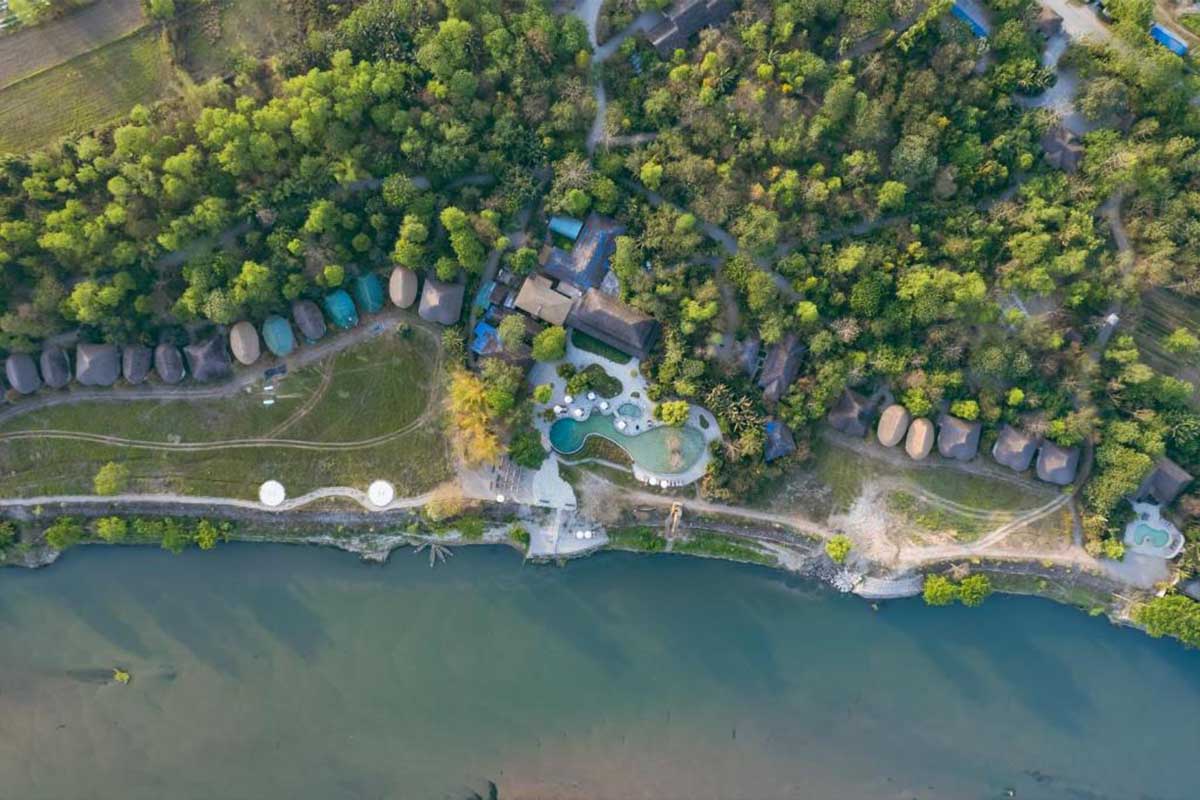
Certifications and Leadership
Their landmark achievements highlight Barahi Group’s dedication. Barahi Jungle Lodge holds the prestigious ISO 14001:2015 certification for environmental management systems and was recognised as Nepal’s first hotel to receive certification under the WTTC Hotel Sustainability Basics programme. Furthermore, Hotel Barahi Kathmandu is the first city hotel in the capital to receive a TOFTigers “Eco Footprint” Certification for outstanding practices. This systemic approach confirms their environmental and social responsibilities are structurally managed.
A 360-Degree Approach to Environmental Protection
The Group prioritizes circular resource management across its properties.
Waste to Energy
Barahi Jungle Lodge operates a biogas plant that processes food waste. This is complemented by vermicomposting, where fruit and vegetable scraps are naturally broken down to enrich their own landscaping and ensure zero food waste ends up in the landfill.
Plastic-Free Luxury
They have taken aggressive action against plastic pollution. Single-use plastics are systematically eliminated, with complementary water provided exclusively in reusable, sterilized glass bottles. In the bathrooms, traditional Ayurvedic amenities are thoughtfully presented in charming reusable dispensers, reducing plastic volume while celebrating local wellness traditions.
Water Security
Barahi protects precious water sources through comprehensive management systems, including advanced water reuse and recycling protocols, which minimize draw on local reserves.
Uplifting Communities and Preserving Culture
Barahi operates on the principle of Nepali production, Nepali taste, and international service, which ensures their success nourishes the local ecosystem.
Local Economic Engine
A commitment to the community is evident in the employment structure, with over 97% of the lodge staff being sourced from the surrounding Chitwan area. They prioritize purchasing raw produce and provisions from local farmers and nearby cillages, guaranteeing that hospitality revenue circulates directly within the regional economy.
Guardians of the Environment
Their dedication extends beyond their property line through active CSR. This includes significant efforts like regular tree plantation drives and organizing substantial cleanup campaigns, such as meticulously clearing stretches of the Rapti River near the lodge. This reinforces their role are active stewards of Nepal’s natural heritage.
Ramada Encore by Wyndham Kathmandu Thamel
Location: Thamel, Kathmandu
Ramada Encore by Wyndham Thamel successfully merges the meticulous standards of a global brand with a genuine commitment to local impact. Operating under the stringent Wyndham Green Program, they adhere to a structured, multi-level framework that ensures continuous improvement in their environmental and social performance.
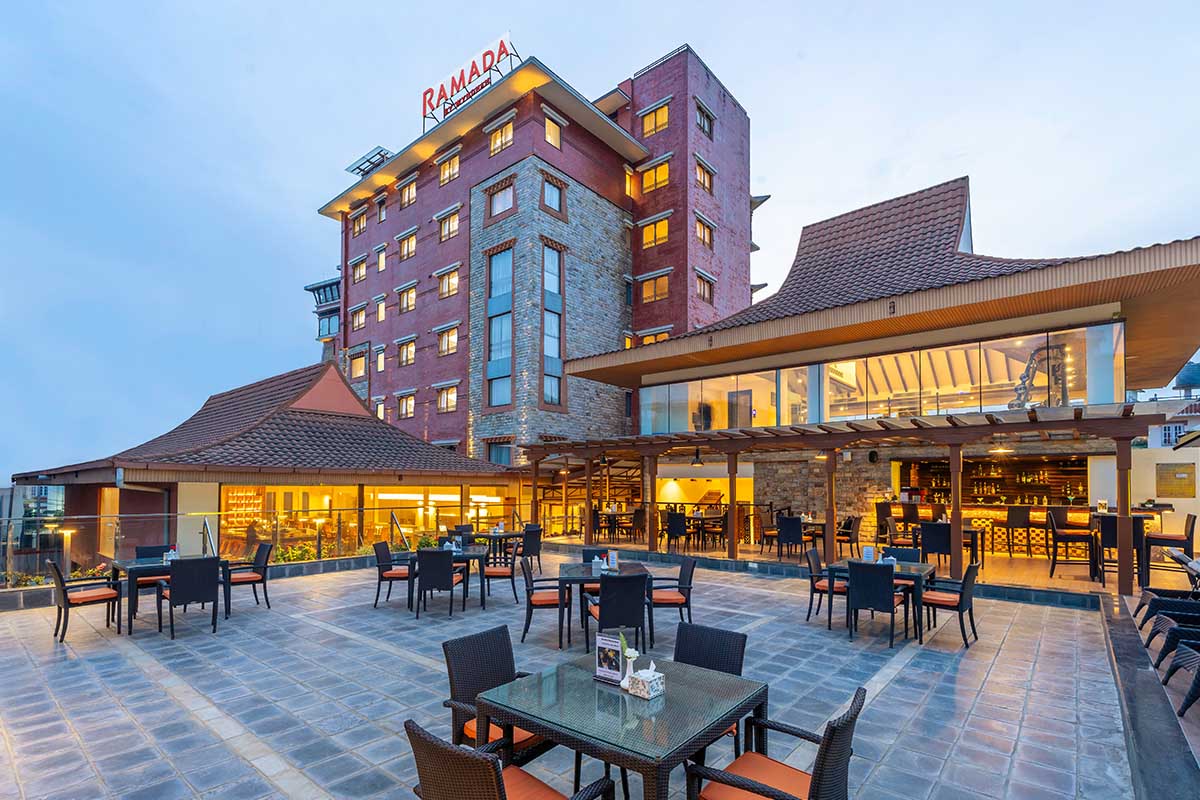
Systematic Reduction and Efficiency
Ramada’s sustainability strategy is data-driven, focused on efficiency, and measurable reduction targets:
Intelligent Energy Use
They have moved beyond simple efficiency by installing comprehensive energy-efficient LED lighting and sophisticated monitoring systems that track and adjust consumption. This commitment aligns with the parent company’s global objective to actively reduce carbon emissions and explore avenues for renewable energy integration.
Proactive Water Conservation
Recognizing the fragility of urban water supplies, the property has fitted all guest rooms and public areas with low-flow and water-saving fixtures. Crucially, they are implementing systems for water reuse and recycling, turning grey water into a valuable resource for non-potable uses, significantly easing the pressure on municipal reserves.
Waste Diversion Strategy
The hotel focuses on minimizing landfill contributions through dedicated, effective waste segregation and advanced recycling programs. A core objective is to minimize single-use plastics systematically across all service points and contribute to responsible waste management in the dense Thamel environment.
Championing the Local Ecosystem
Empowering Local Talent
Ramada Encore intentionally prioritizes the employment of local Nepali residents by offering opportunities that contribute directly to the economic stability and skill development within Kathmandu.
Cultural Preservation Through Commerce
The hotel actively functions as a patron of local culture by supporting local products, artisans, and craftspeople. They integrate local goods into their operations or retail space, transforming the hotel into a showcase that channels tourism revenue back to local entrepreneurs and helps preserve Nepal’s rich artistic traditions.
Through these concerted efforts, Ramada Encore by Wyndham Kathmandu Thamel demonstrates how large-scale, international properties can seamlessly adopt a green ethos, translating global corporate responsibility into tangible, beneficial action at the local level.
Kantipur Village
Location: Jyatha, Thamel, Kathmandu
Kantipur Village offers a tranquil escape that successfully integrates fundamental, eco-friendly practices into its unique artistic atmosphere. Their approach to sustainability is pragmatic and highly effective, focusing on mindful resource use and ethical sourcing that enhances the authentic guest experience.
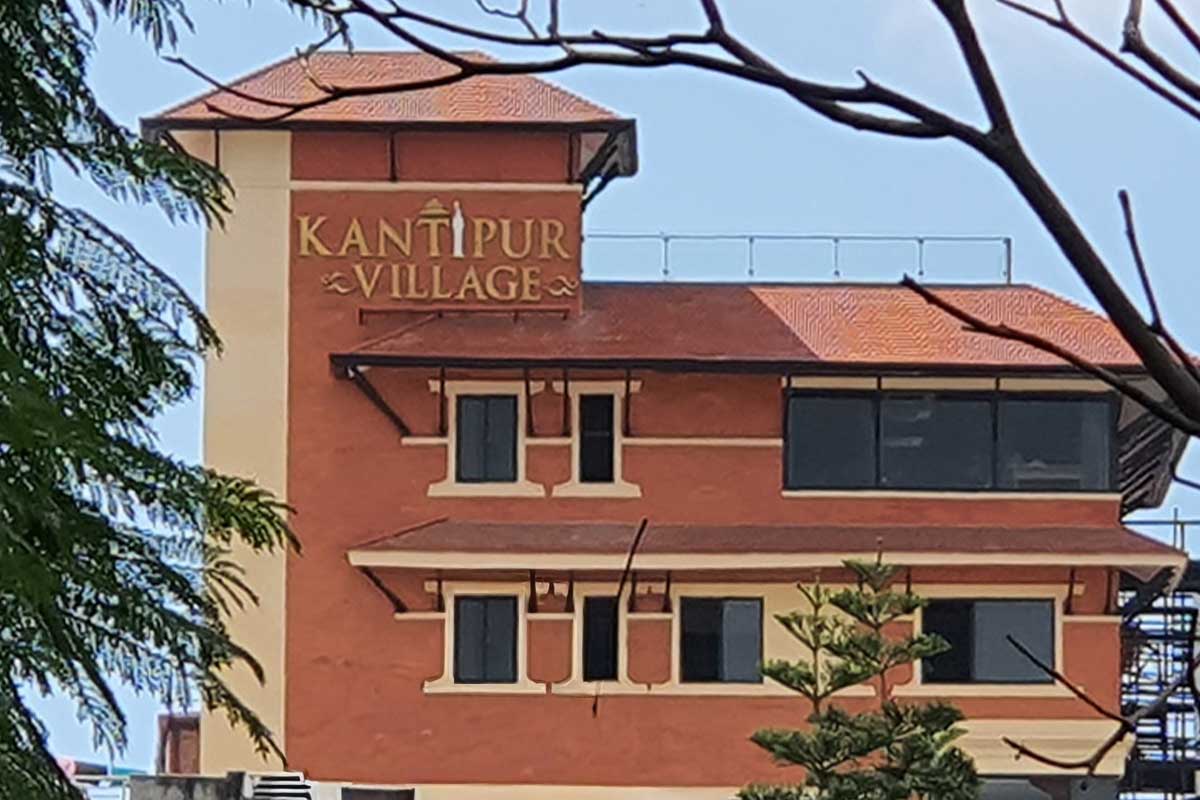
Thoughtful Resource Conservation
The hotel has prioritized core areas where efficiency makes the biggest impact:
Lighting the Way with LEDs
A key investment is the widespread implementation of energy-efficient LED lighting throughout the 47 rooms and multiple outlets. This simple change drastically cuts down on electricity consumption and heat generation. This measure is paired with diligent energy monitoring, signaling a commitment to continuous observation and future reduction planning.
Smart Water Usage
Understanding the value of every drop, Kantipur Village has installed water-saving, low-flow fixtures across all guest and service bathrooms. This foundational infrastructure ensures responsible use and significantly reduces the overall demand on the city's water infrastructure.
Practical Waste Management
The property is committed to responsible disposal through a mandatory waste segregation program that separates recyclables from general waste. Furthermore, they are active in reducing reliance on single-use plastics in their day-to-day operations.
Ethical Sourcing and Staff Dedication
The hotel’s village ethos extends to its ethical treatment of people and products:
Supporting the Green Market
Kantipur Village conscientiously chooses to procure local and eco-friendly products whenever possible. This preference directly supports local small businesses and reduces the environmental cost associated with long-distance shipping, anchoring the hotel within its geographic community.
The Heart of Hospitality
Recognizing that sustainability includes social responsibility, the hotel is dedicated to upholding fair labor practices and promoting staff well-being. They ensure a positive, respectful, and equitable working environment, seeing their employees as the primary ambassadors of their green values.
Guests at Kantipur Village are gently encouraged to participate in this mindful environment through awareness tent cards that prompt conscious choices regarding water and energy use. While they currently lack formal certifications, the sincere implementation of these practical, impactful measures showcases a strong commitment to resource protection and ethical operations.