
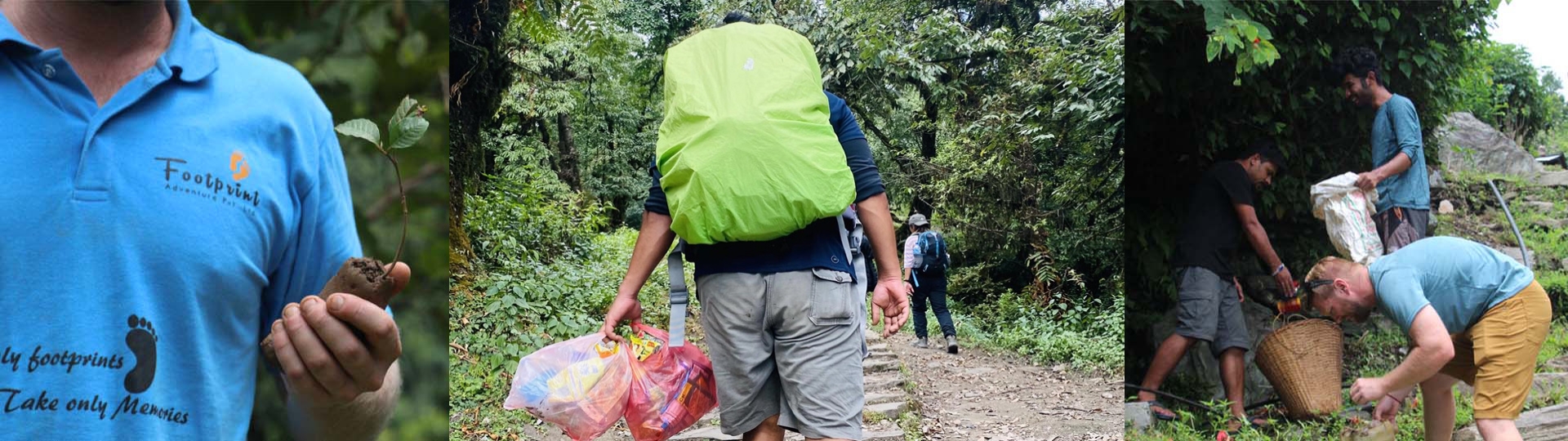
Sustainable tourism at Footprint Adventure is a concept of paying attention to social, economic, and environmental outcomes of tourism and taking care of them, as well as the needs of host communities and tourists' experiences. Protecting the environment, natural resources, and animals are among the core commitments of sustainable tourism that we follow in our operations. These aspects must be addressed at the ground level so that responsible tourism is practiced throughout the tourism industry. Sustainable tourism focuses on developing travel opportunities with minimal impact and benefiting destinations and their communities.
Tourism contributes to improving employment opportunities and earnings with a significant economic impact on the local population. One of the greatest strengths of the Nepalese economy is tourism. Being the home to eight of the ten highest mountains in the world, Nepal is a popular destination for mountaineers, rock climbers, and adventurers. Additionally, strong draws include Nepal's Hindu, Buddhist, and other cultural heritage sites as well as its year-round pleasant weather. Due to a massive number of people traveling back and forth into the country, the overuse of natural resources, and at times, inadequate management, these beautiful places are slowly degrading.
Our approach to responsible adventure and sustainable travel is to inspire travelers to preserve the beauty of the natural world for generations to come. Whoever wishes to receive what nature has to offer should be able to create unforgettable experiences and connect travelers with nature, culture, and community while minimizing our environmental impact.
Why is sustainable tourism important?
In Sustainability science, sustainable development means meeting today's needs without limiting the ability of future generations to meet theirs. Sustainable methods can mitigate the disruptive consequences tourism poses within the country and help motivate travelers to protect and improve the quality of nature. The core objective is to achieve equilibrium between all three factors: balancing economic growth, protecting the environment, and preserving social well-being. Sustainable development is important for many reasons, including:
- Preservation of cultural heritage
- Conservation of natural resources.
- Economic development
- Growth and development of the environment
- For stable economic growth
- For a better traveling experience
How to improve sustainable tourism?
Improving sustainable tourism requires a multifaceted approach that prioritizes environmental, economic, and socio-cultural responsibility. And making a place more accessible to travelers globally and offering recreational activities in nature may deeply affect the natural environment. It's crucial to recognize that tourism does not always have a favorable economic impact on all locals and businesses, and that's when fairness towards local habitats fumbles. We can encourage environmentally sustainable travel by practicing the following:
- Developing the infrastructure of the destination,
- Provide opportunities for creative business ideas,
- Awareness programs on sustainable tourism,
- Sharing sustainable travel stories,
- Preventing illegal trading of local products to tourists,
- Investing in Local Ecotourism Businesses,
- Creating employment opportunities, especially for youth and women,
- Providing tourism guidance and marketing,
- Promoting rural market opportunities,
- Conducting skill development projects.
Sustainable tourism and hospitality management
Many hospitality firms have a significant negative influence on the environment through the use of electricity, water, and other resources when considering the environmental elements of the hospitality and tourism industries. For instance, many hotels and restaurants use excessive amounts of energy for equipment like HVAC(Heating, ventilation, and air conditioning), lights, and gasoline. They also produce a lot of waste and make unsustainable purchases. All of these actions support irresponsible travel. Thus, in order to maintain sustainable tourism, it is essential to raise public knowledge of environmental sustainability and conserve biodiversity as well as natural heritage. The economic impact on the local communities is a crucial component of sustainable tourism. Leakage is a crucial economic idea in environmentally friendly travel. Leakage occurs when visitors spend money at a tourist attraction, but the money doesn't get distributed among the locals as intended but instead leaks out.
What are sustainable tourism duties?
There must be laws and responsibilities so there would be a sustainable tourism business. The obligations support the development of the economy, geographical, and cultural heritages. The following are the key duties of sustainable tourism:
- Fostering cooperation between local communities and tourism
- Creating chances for accessible and inclusive tourism.
- The preservation of cultural assets and the development of genuine visitor experiences
- Defending the natural world, its resources, and its fauna
- Delivering socio-economic advantages to local residents in tourist areas.
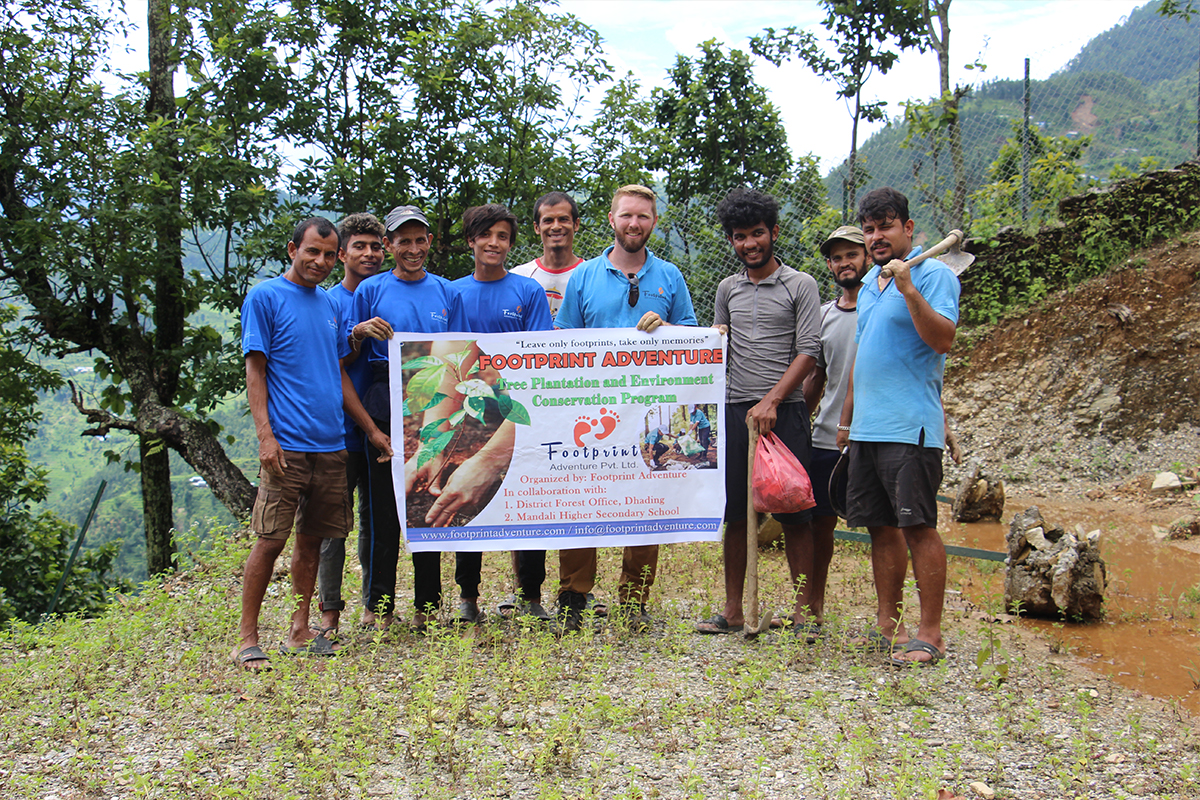
The time of Footprint Adventure has been invested in Nepal's sustainability. The trekking guides and tourists are well aware of the upkeep of hygienic conditions in mountainous areas. We have been participating in awareness-raising campaigns for environmentally friendly tourism. Since tourism and natural beauty are Nepal's two greatest strengths and "Growth comes from change," we need a start here to make a significant change in terms of developing the rural and developing tourist destinations of Nepal.
Our strategy for promoting tourism is demand-driven, integrated, and all-inclusive. While considering the effects on society and the environment, it guarantees long-term economic success. We consider the inherent natural, financial, human, and intangible resources of the particular location. Footprint Adventure promotes sustainable tourist growth at all scales in accordance with this premise:
- We deliberately approach tourism-related issues and are demand-driven, resulting in immediate successes and long-term effects.
- We offer technical guidance in order to provide strategic direction for destination analysis and planning, product development and marketing, as well as organizational development.
- We offer specialized advising services that are beneficial over the long term.
- We offer comprehensive training to put the Sustainable Tourism Destination Management ideas into practice.
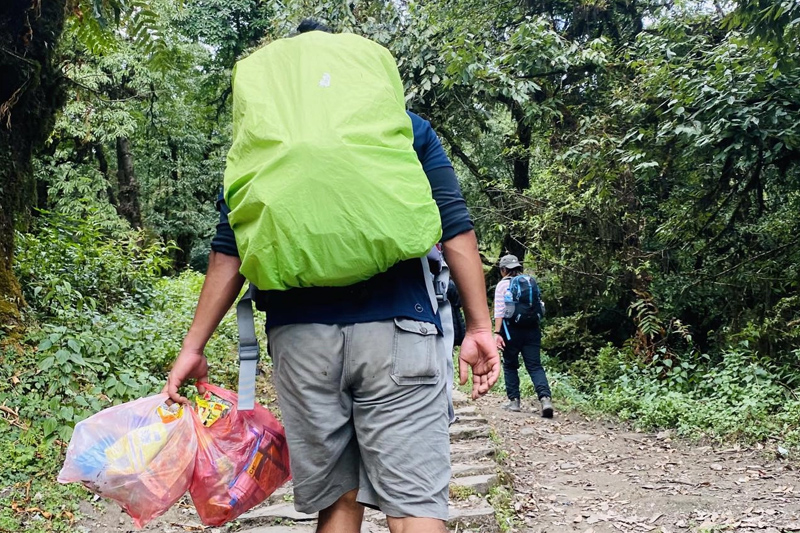
- We have been devoting our time and energy to improving the sanitation and cleanliness of the trekking locations.
Since sustainability is entirely focused on the next generation's ability to use the same resources that we are utilizing, sustainability and the tourism business must be actively linked with one another. Join hands with us to contribute to these long-lasting reforms. For more details about our work on sustainable tourism, please contact us at [email protected].