Accommodation During the Mardi Himal Trek
Accommodation in the City
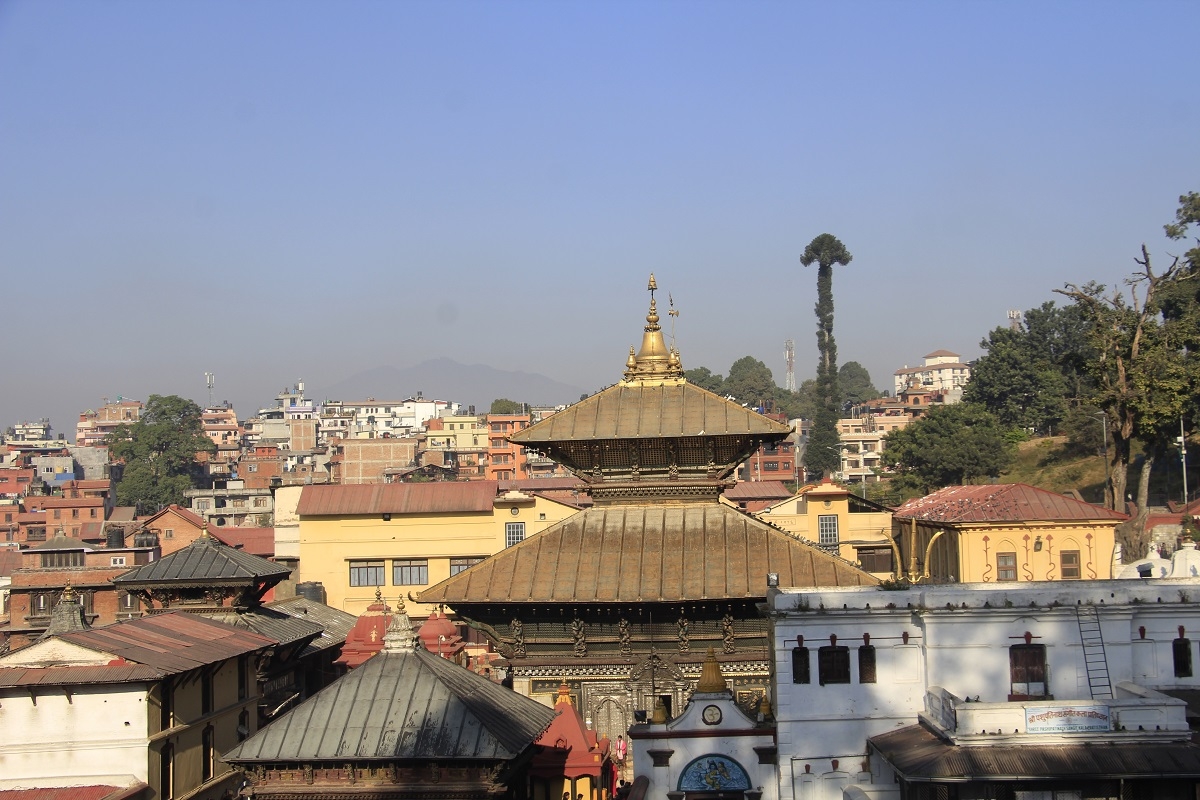
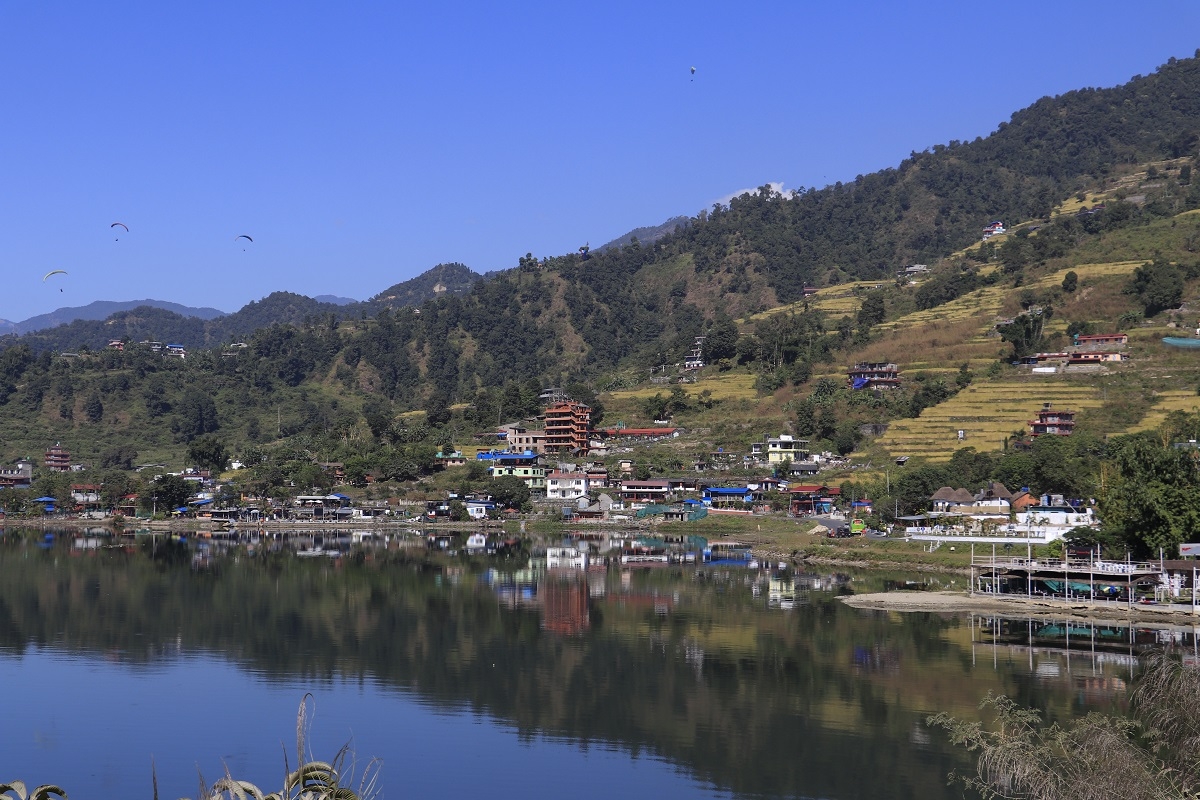
For the Mardi Himal trek, your accommodation includes a total of four nights in comfortable 3-star city hotels: two nights in Kathmandu and two nights in Pokhara. These rooms are provided on a twin-sharing or double basis, featuring private bathrooms, Wi-Fi, hot showers, and daily breakfast. If you desire a private room, this can be arranged for an additional charge.
Accommodation During the Trek
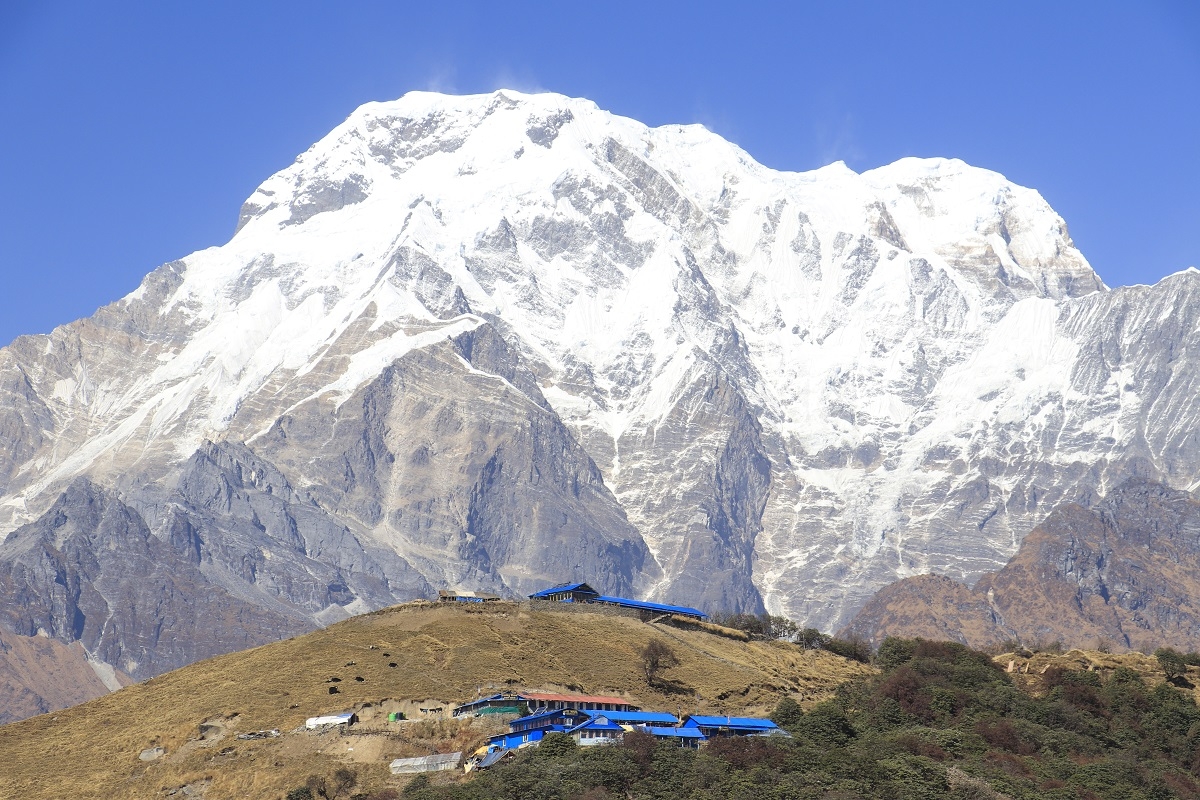
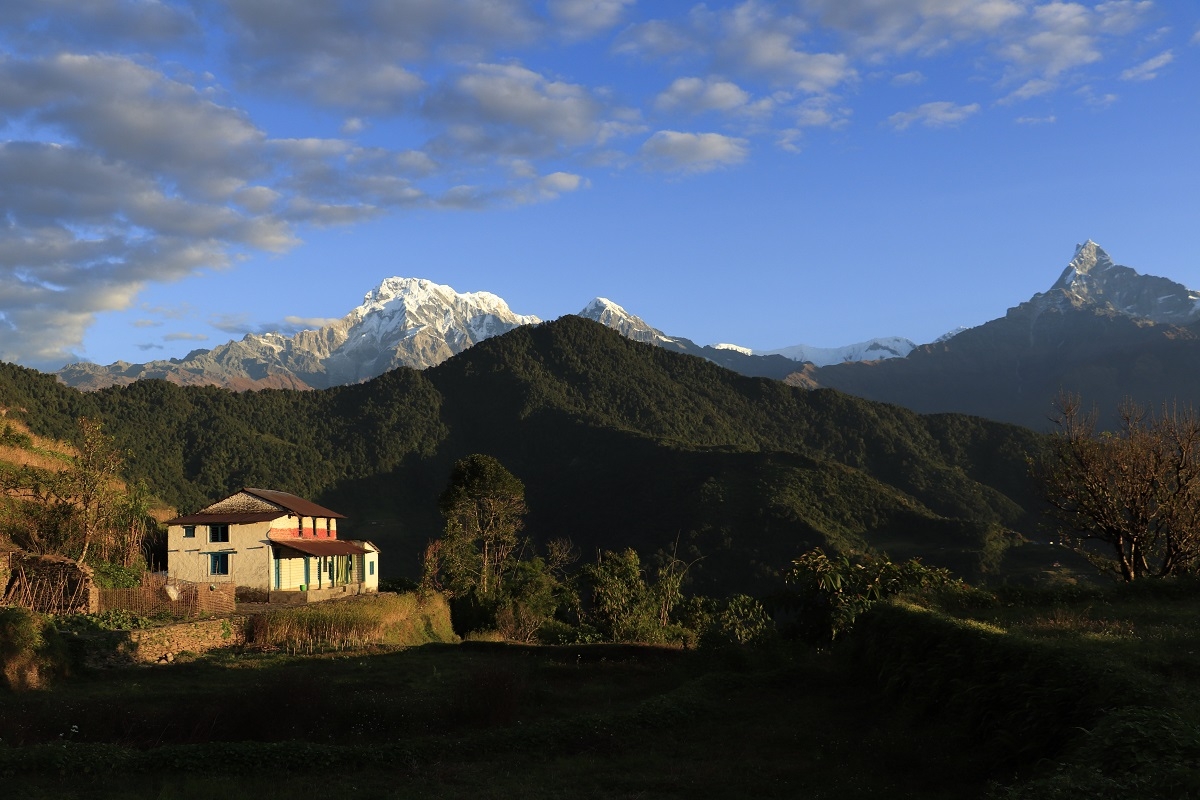
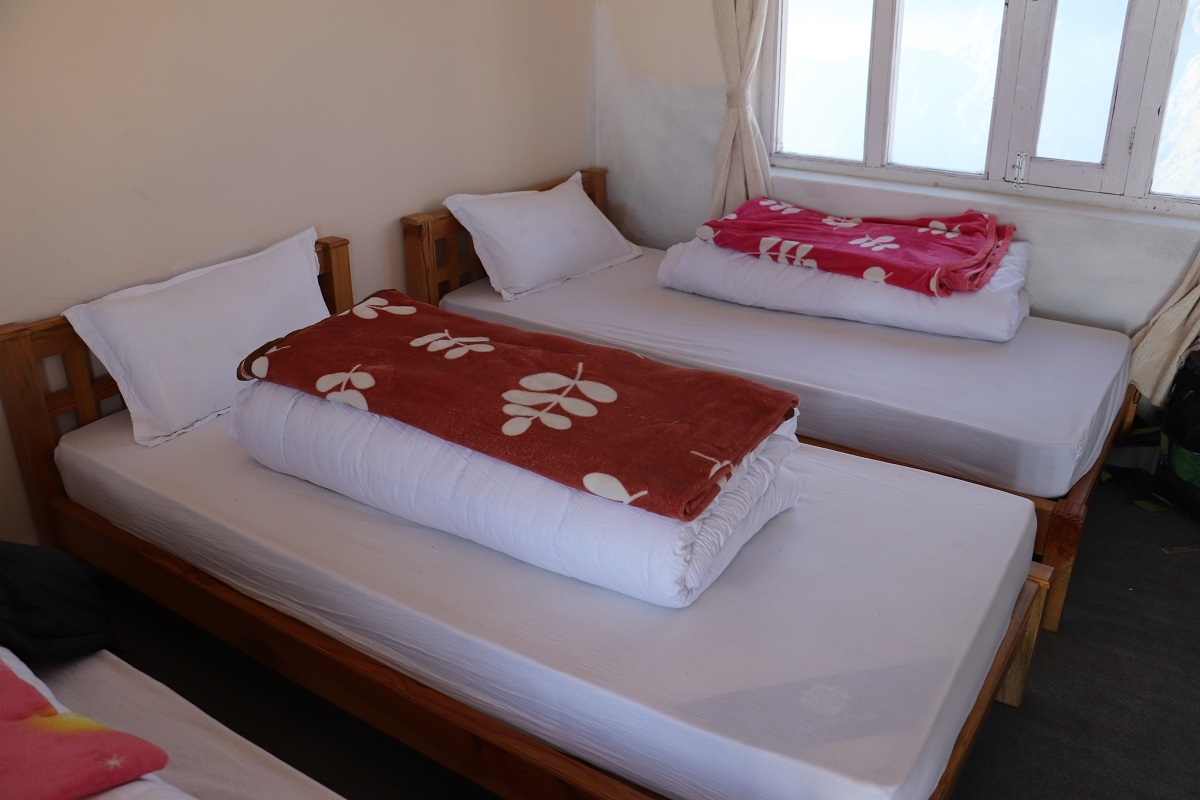
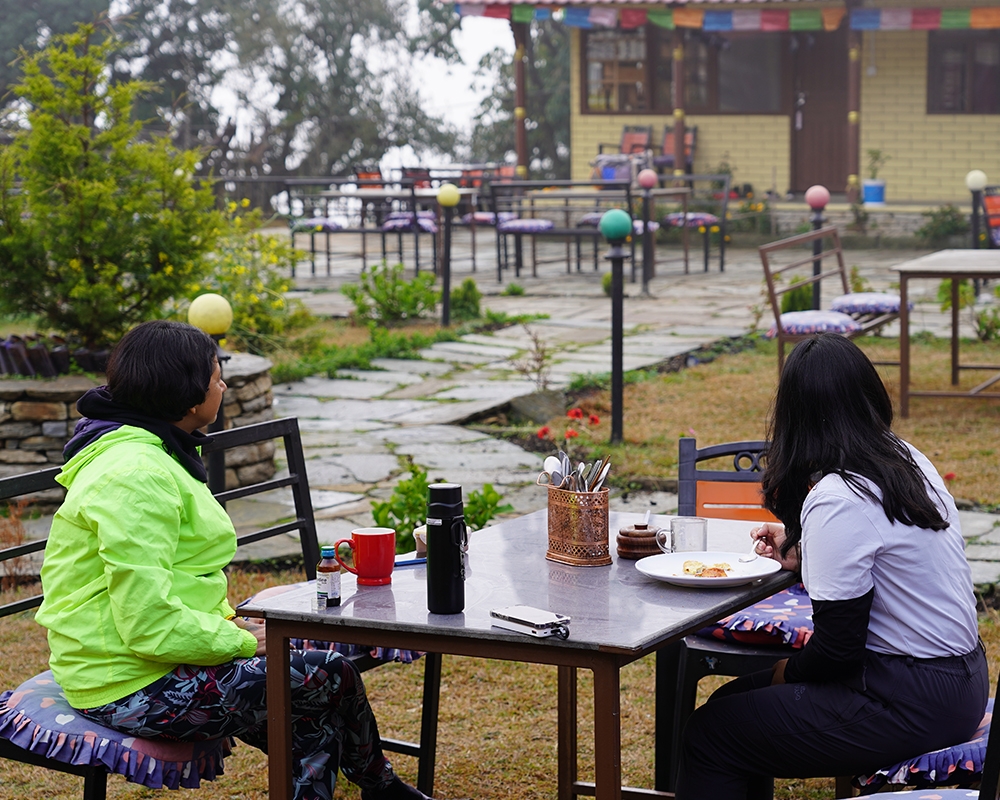
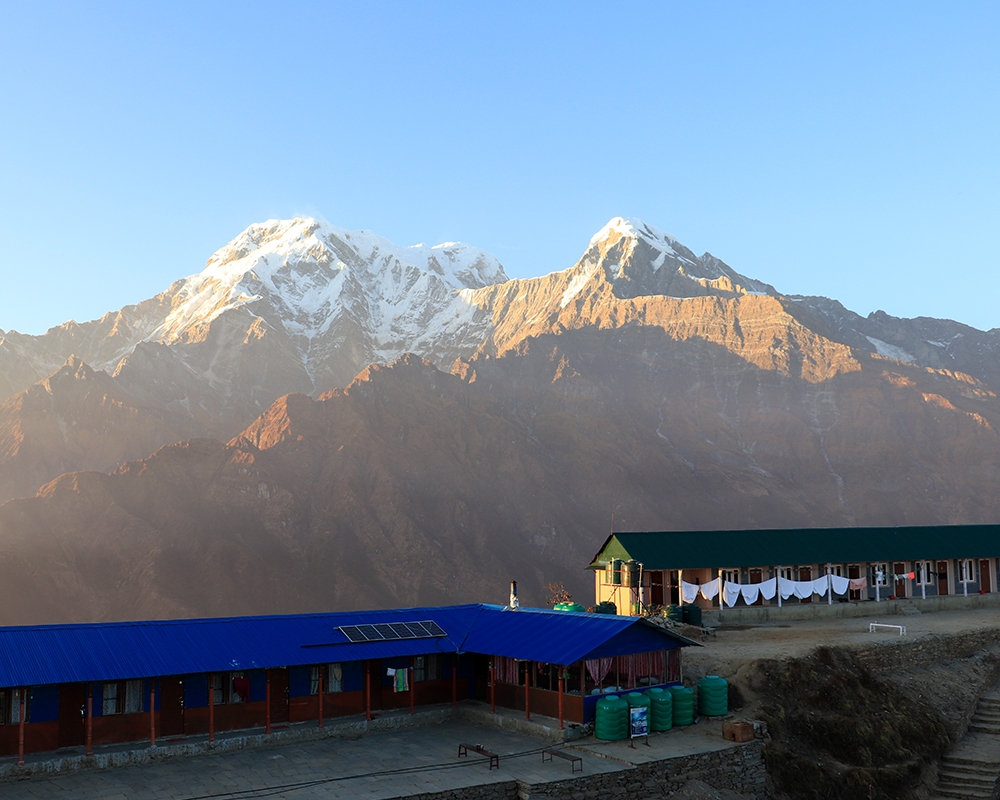
- During the 5 nights of the trek, you will stay in comfortable, well-equipped local teahouses on a twin-sharing basis. The rooms are simple but clean, with basic furnishings such as mattresses, pillows, and blankets. For extra warmth, we recommend bringing a sleeping bag rated to –10°C. If you don’t have one, sleeping bags can be easily rented in Kathmandu at an additional cost.
- Throughout the trek, trekkers will have attached bathrooms in all lodges, except at Mardi Base Camp, where shared facilities must be used. All meals will be provided in common dining areas. Please note that hot showers are available for an additional fee, typically between 500 and 700 NPR per shower. Due to high demand during peak trekking season, lodges can quickly reach full capacity. Therefore, it is strongly advised to book your accommodation well in advance.
Hotel Upgrade Options
If you prefer more comfort in Kathmandu before or after your trek, you can upgrade to luxury category hotels that offer higher standards of service, better amenities, and a more comfortable stay.
- Upgrade to a 4-star hotel in Kathmandu or Pokhara - 120 USD per night pp in BB
- Upgrade to a 5-star hotel in Kathmandu or Pokhara - 250 USD per night pp in BB
- Single supplement - 300 USD per person
Transportation Details for Mardi Himal Base Camp Trek
By Bus
For the Mardi Himal trek, we provide a luxury sofa bus through SWIFT Holiday for transfers between Kathmandu and Pokhara. The bus stops for lunch along the route, allowing travelers to rest and refresh. The total travel time is 6–7 hours, depending on road and traffic conditions.
In Kathmandu, we provide private vehicles for airport pickups and drop-offs, ensuring smooth transfers within the city.
**Pokhara Road Update** Due to ongoing road construction, travel time between Kathmandu and Pokhara has increased from 6-7 hours to around 8-9 hours, with added congestion and pollution. Alternatively, a 30-minute flight is available for USD 125 one way.
By Private Vehicle
We can also arrange private transfers to and from Pokhara. Traveling by private vehicle gives you flexibility to start your journey at your preferred time, stop whenever you like, and explore along the way. The trip usually takes 5–6 hours, depending on traffic and road conditions.
By Flight
You can also choose fly between Kathmandu and Pokhara, which takes about 30–35 minutes. Flights offer the fastest option but come at an additional cost. To ensure a smooth transition, airport transfers are provided at both the departure and arrival points.
Permits and Entrance Fees for Mardi Himal Trek
For Mardi Himal Trek, trekkers are required to obtain two permits
- Annapurna Conservation Area Permit (ACAP): NPR 3,000 for foreigners and NPR 1,000 for SAARC nationals.
- Trekkers Information Management System (TIMS) Card: NPR 2,000 for foreigners and NPR 600 for SAARC nationals.
Both of these permits are mandatory, and we can arrange them for you before your trek begins. It’s also recommended to carry a few photocopies of your passport and permits, as there are several checkpoints along the route where you’ll be asked to show them.
Internet, Electricity & Phone Access on Mardi Himal Trek
- Mobile network coverage is generally available up to Pitam Deurali and Rest Camp, though the signal may be weak in some areas. Beyond Low Camp and Mardi High Camp, coverage is very limited, and only Nepal Telecom (NTC) may work intermittently. 4G does not function at higher elevations.
- Internet access is available at some lodges up to Low Camp, but it is often slow and may not work during bad weather. Using Wi-Fi usually costs around NPR 200–300 per session. Beyond Low Camp, internet access is rare.
- Charging electronic devices such as phones and cameras is possible at most lodges along the route, but it usually incurs a small fee of NPR 300 per hour or NPR 500 for a full charge. Electricity is primarily solar-powered, so charging times can be slower, especially during cloudy or rainy days. It is recommended to carry a power bank for high-altitude days.
Meals and Dining on the Mardi Himal Trek
- During the trek, all three meals are included as part of the package. Breakfast and dinner are served at the lodges, while lunch is prepared fresh along the trail at local guesthouses or restaurants. There are plenty of teahouses along the way, so you don’t need to worry about going hungry while trekking.
- The standard food options during the Mardi Himal Trek include pasta, noodles, soups, fried rice, vegetables, bread, eggs, pancakes, omelets, and seasonal fruit, which we provide as a complimentary item.The most common and filling meal is Dal Bhat, which comes with free refills to provide plenty of energy for the trek.
- Vegan, vegetarian, and gluten-free options are available, along with seasonal fruits. If you have any food allergies or dietary restrictions, please let us know in advance so we can accommodate your needs.
Drinking Water on Mardi Himal Base Camp Trek
- In lower elevations, you will be able to find bottled water for NPR 50 per liter, and it will be available for NPR 100 at elevations above Low Camp.
- Lodges will provide boiled water for around NPR 500 - 800 for a big pot. However, it is important to note that when you reach high altitudes, bottled water becomes limited and less affordable, so we recommend that you bring along water purification tablets or rely on boiled water at lodges.
Group Leader and Crew
- You’ll be accompanied throughout the trek by experienced, licensed mountain guides from our team, trained in wilderness skills and first aid. Hiring a guide is mandatory while trekking in Nepal, as required by law.
- For groups of more than 5 people, we provide an additional assistant guide to ensure extra care and support. To make your journey easier, we usually assign one porter (Sherpa) for every two trekkers to help carry your gear.
Trekking Equipment for Mardi Himal Base Camp Trek
- It's not necessary to spend a lot of money on extra equipment and clothing before your trip. The majority of these gears can be bought at reasonable prices in Kathmandu. Essentials include layered clothing, waterproof boots, camp shoes, gloves, sun hat, backpack with rain cover, trekking poles, headlamp, sleeping bag, sun protection, and water purification. A basic medical kit will be carried by our guide for your safety.
- We provide a detailed packing list to ensure you have everything you need for the Mardi Himal Trek, including essential gear for various weather conditions. Don't hesitate to reach out to us if you have any questions about what to pack for the Mardi Himal Trek.
High Altitude Sickness
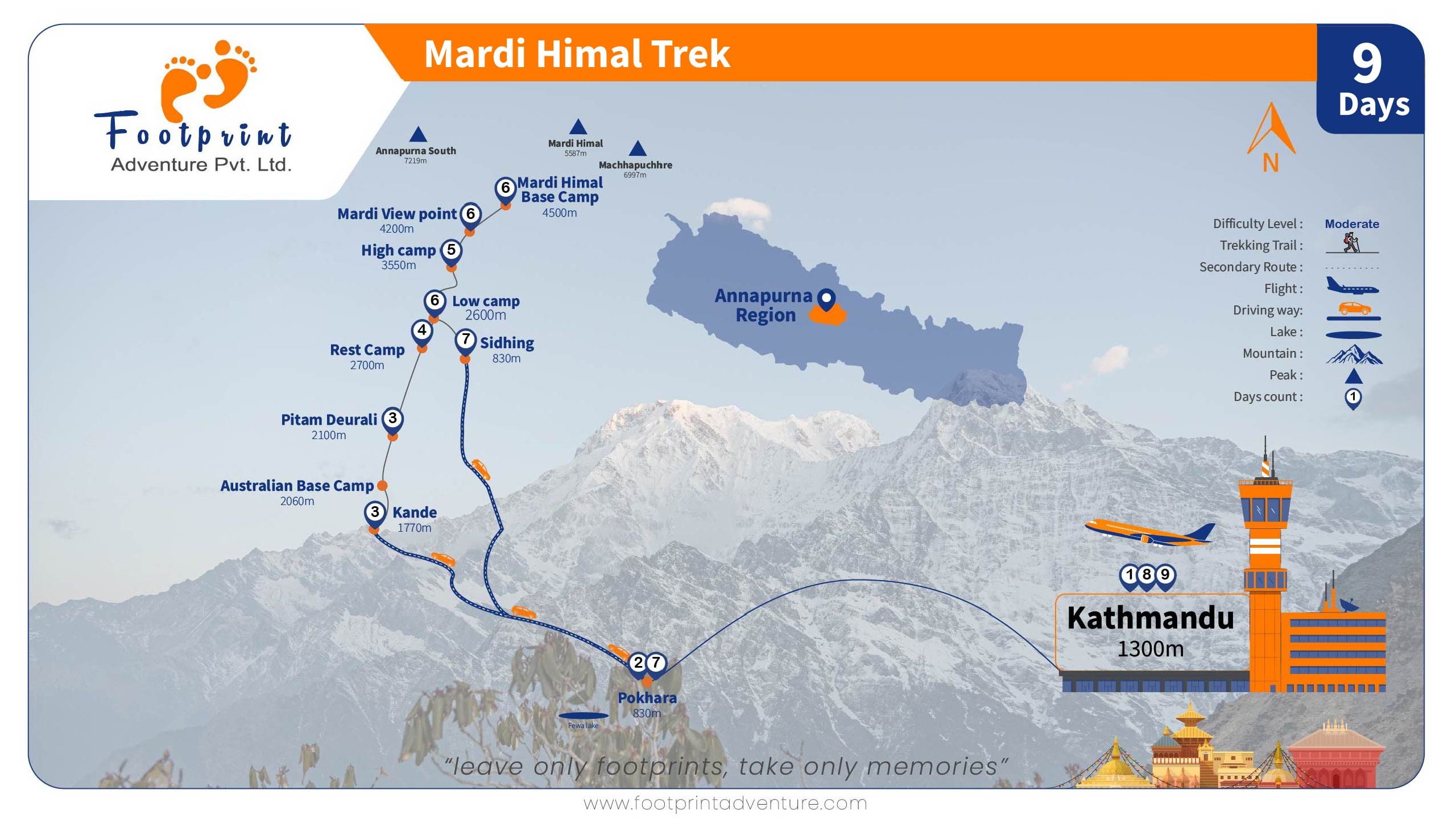
- Since the Mardi Himal Trek reaches a maximum altitude of around 4,500 m at Mardi Base Camp, the risk of altitude sickness is moderate to high. Proper acclimatization and preparation are essential for a safe trek.
- Our itinerary is planned with gradual elevation gains where possible, but trekkers should be aware that higher-altitude sections, especially above 3,500 m, require both physical and mental readiness. Reduced oxygen levels can cause symptoms such as headache, dizziness, nausea, shortness of breath, or fatigue, which may worsen if not managed properly.
- To stay safe, monitor your condition closely, rest when needed, and communicate any symptoms to your guide. Descending to a lower altitude is recommended if symptoms worsen. Some trekkers may use Diamox (acetazolamide) under medical supervision to help prevent or reduce altitude sickness.
Travel Insurance for Mardi Himal Trek
For your Mardi Himal Trek, we strongly advise securing comprehensive travel insurance. This coverage must include emergency high-altitude rescue, evacuation, and medical expenses. For guidance on selecting the most suitable coverage, please refer to our guide “Travel Insurance Required for Trekking in Nepal.”
Trekking Grade
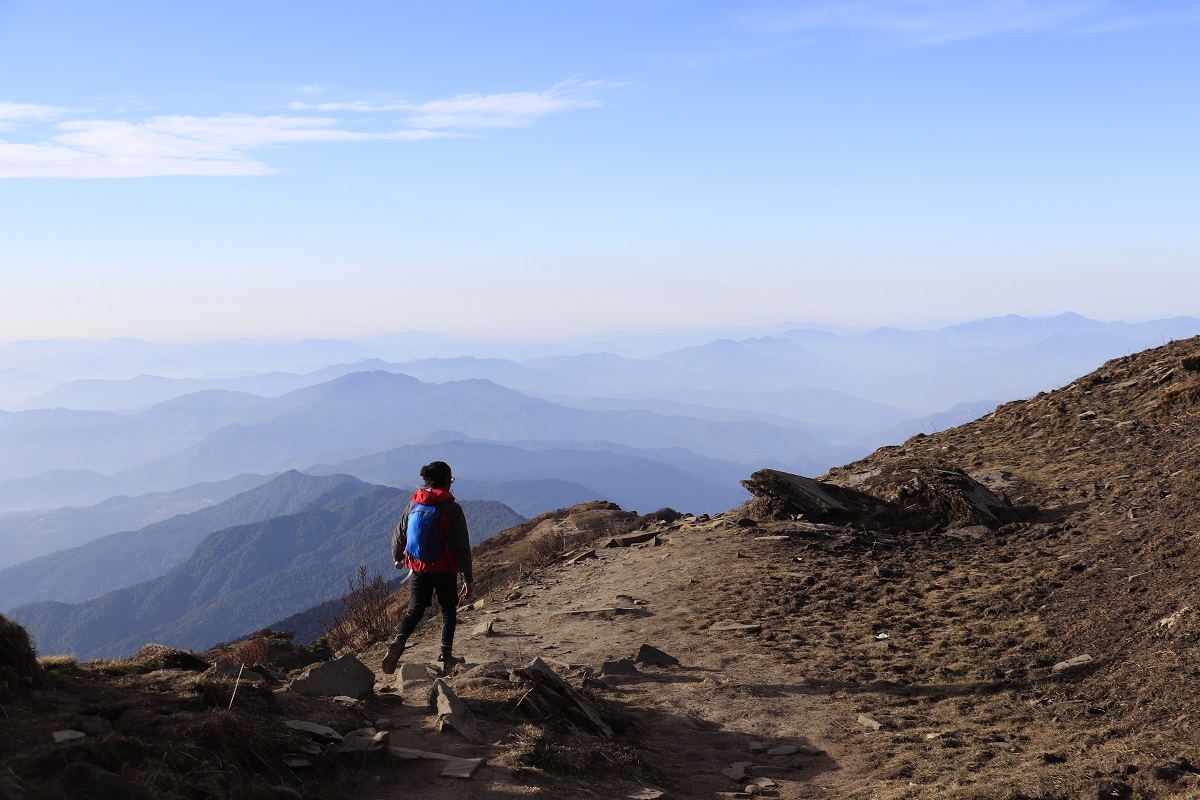
The Mardi Himal Trek is generally rated as moderate, suitable for individuals with a reasonable level of physical fitness and some prior hiking or trekking experience. The trek reaches a maximum altitude of around 4,500 m at Mardi Base Camp, with daily hikes of 4 to 7 hours. Trails include gradual ascents and descents, uneven paths, and occasional rough, muddy or steep sections.
Weather and Climate
The weather in Nepal is highly unpredictable and can change rapidly, sometimes within a single day. Trekkers trekking the Mardi Himal should be prepared for significant temperature drops at higher altitudes, as sudden snowfall, strong winds, and shifting clouds or fog are common. Layered, warm clothing including insulated jackets, thermal wear, gloves, and hat is essential, along with waterproof gear to stay dry during unexpected rain or snow.
Tipping
While tipping in Nepal is not mandatory, it is an important way to acknowledge the hard work of your guide and porter, as it forms a significant part of their income. Generally, we recommend tipping 10–12% of the trek package price for your porter and 12–15% for your guide. You can adjust the amount according to the quality of service and your overall experience. Providing tips in Nepalese Rupees or a widely accepted currency like USD is recommended.
Booking and Cancellation Policy
How to Make a Booking
To secure your Mardi Himal Base Camp trekking package, we will require photocopies of each traveler's passport to make your booking. You should also provide us with a copy of your Nepal arrival flight schedule or an estimated date of arrival so we can arrange your trek package at your convenience. Finally, you can finalize your booking by paying an advance of 20% of the cost of the trek package. You can go through our entire booking process and conditions so that you have a smooth experience from start to finish.
Cancellation Charges & Conditions
- 25 or more days before departure: 20% of the total cost
- 18–24 days before departure: 40% of the total cost
- 10–17 days before departure: 50% of the total cost
- Less than 10 days from trek start date: 70% of the total cost
- Once the trek starts from Kathmandu, no refunds will be provided.
Rescheduling: You can reschedule your trek to a future date without any extra charges, as long as you notify us at least 15 days before your originally scheduled start date.
Customize Itinerary & Trip Extensions
As per your schedule if there is not a suitable date for trekking departure from Kathmandu so please mention your suitable time and date then we will organize your great trip to Mardi Himal Trek. In addition to Mardi Himal Trek, we can organize trips to Langtang, Everest, Ghorepani Poon Hill, Manaslu, Mustang trekking, Mountain Flight, water rafting, helicopter tours, jungle safari, City tour (Kathmandu, Pokhara, or Lumbini ), homestay Tour, Nepal Cultural Tour, Tibet tour, Bhutan tour or India tour extension as per your time limit.