Accommodation Options During the Everest Base Camp Yoga Trek
Accommodation in City
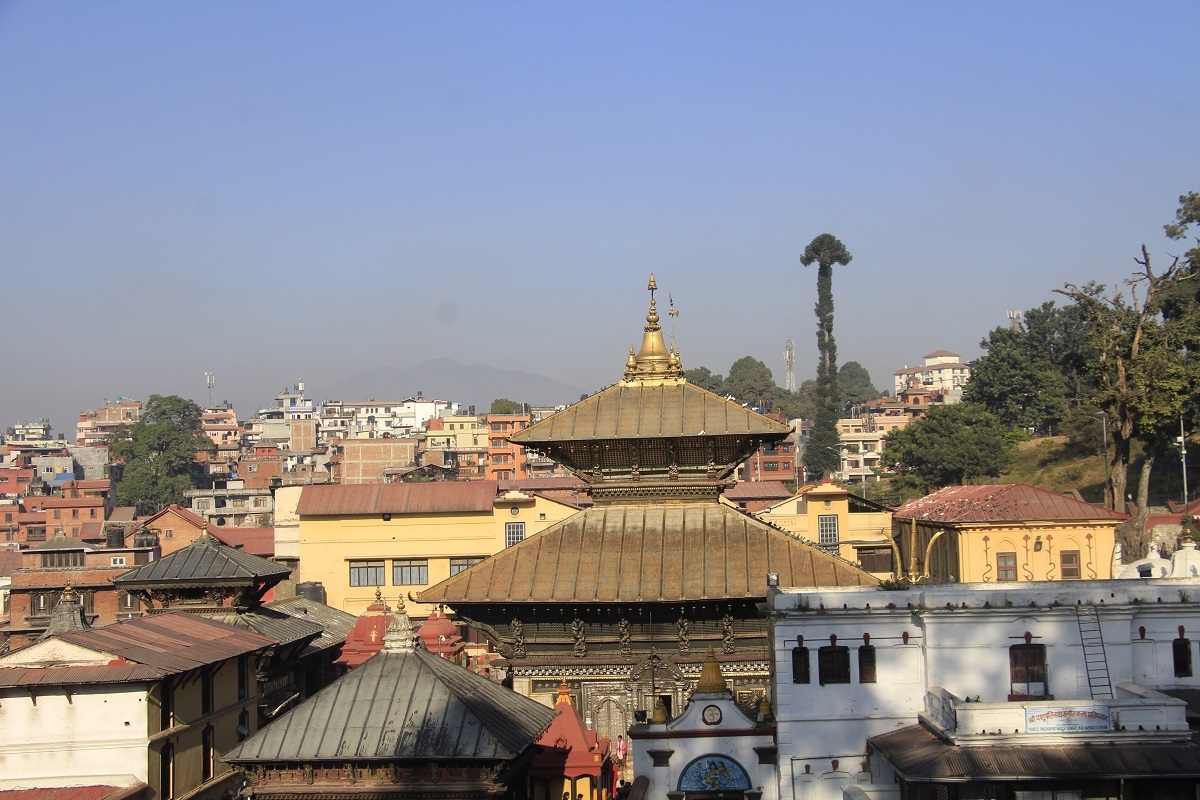
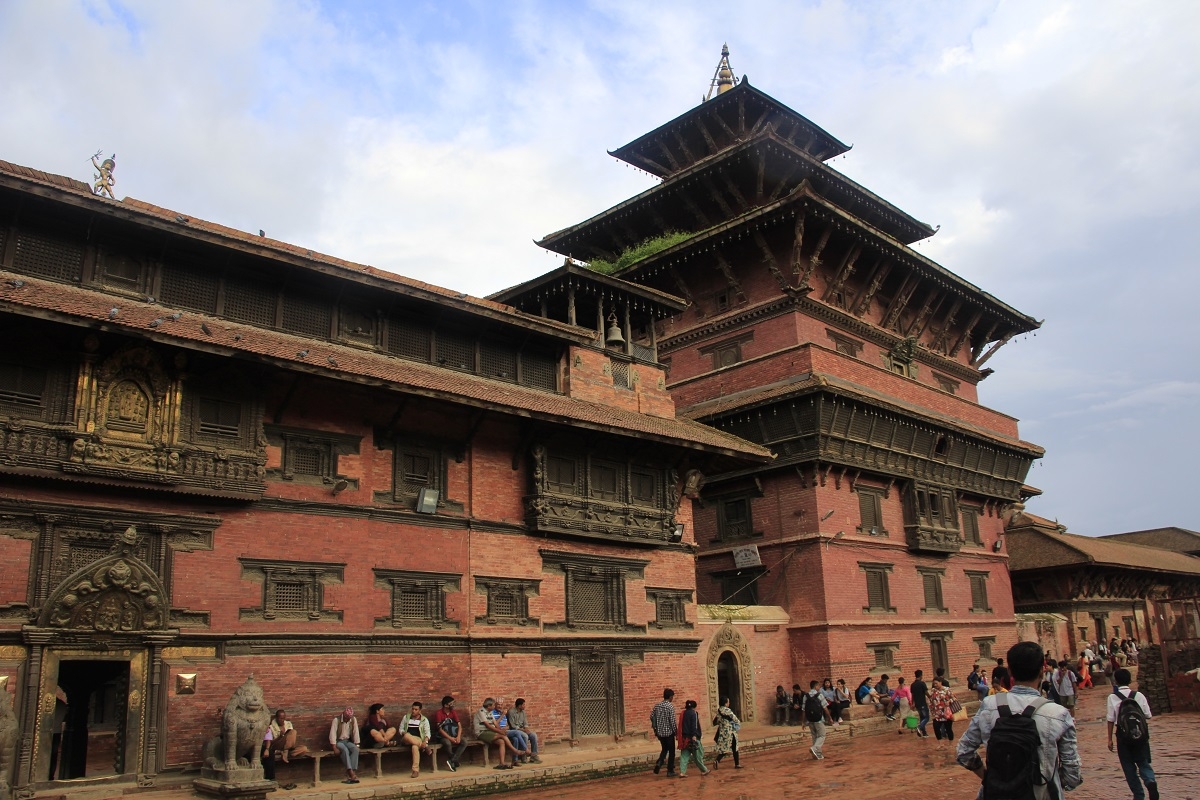
As part of the Everest Base Camp yoga trek, you will stay in a 3-star hotel in Kathmandu for four nights on a twin-sharing basis, with breakfast included. If you prefer more privacy, we can arrange a private room at an additional cost.
Accommodation During the Trek
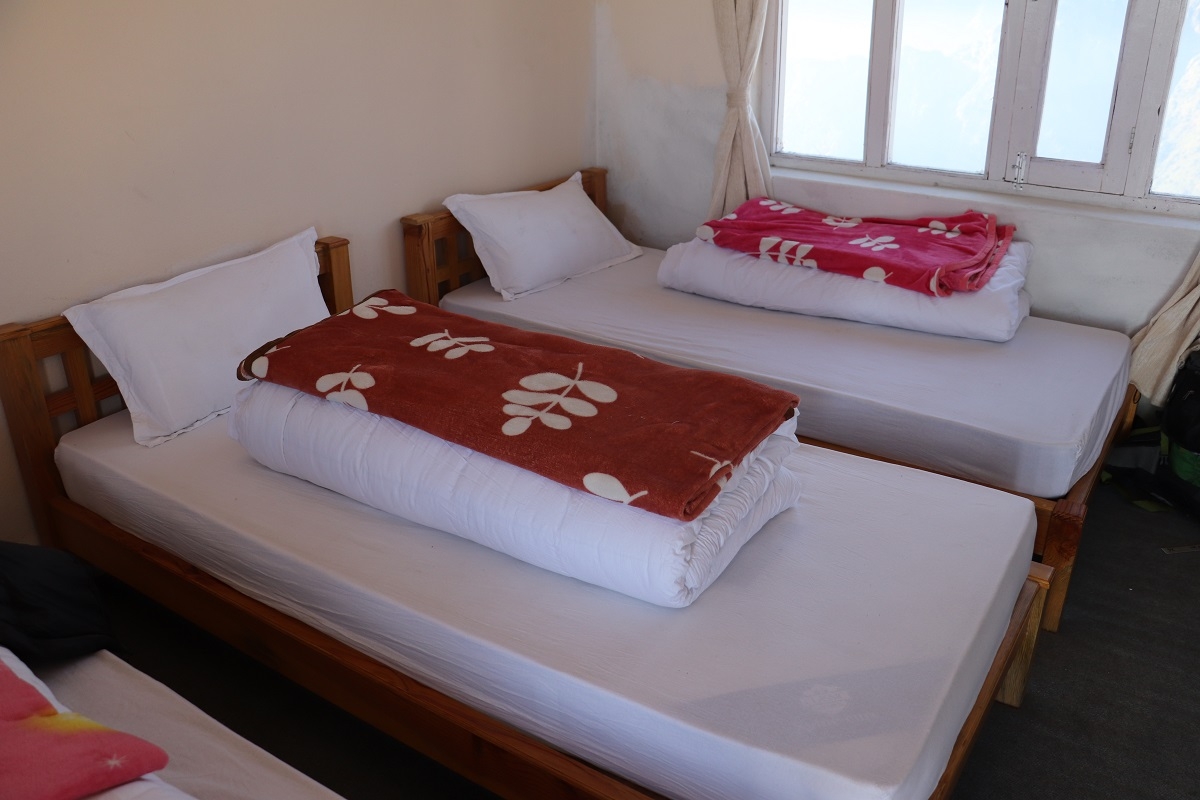
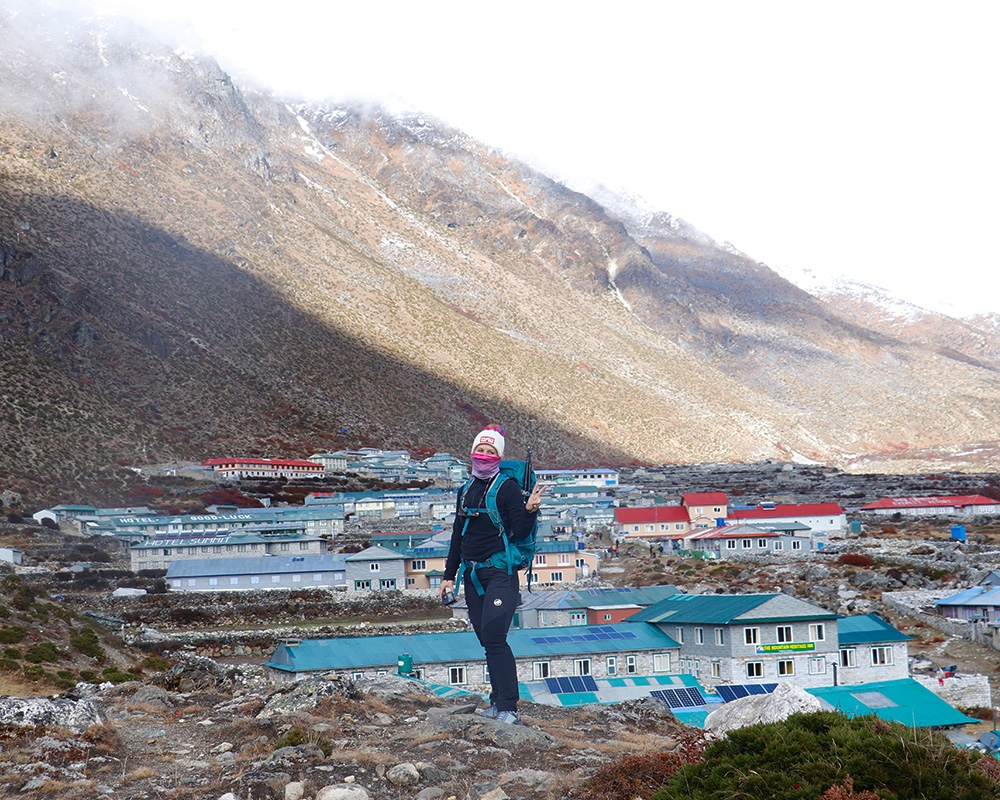
- During the Everest Base Camp yoga trek, you will stay for a total of 11 nights in local teahouses. Accommodation is on a twin-sharing basis, and teahouses serve meals in shared dining areas. Rooms are simple and usually include a mattress, blanket, and pillow.
- The trek takes place at high altitude, with several nights spent above 4,000 meters and the final rest stop at Gorakshep reaching 5,164 meters. Due to the altitude and harsh mountain conditions, temperatures can drop well below freezing, especially at night. Teahouses are basic and unheated, so a four-season sleeping bag rated to at least -10°C is essential. You can rent sleeping bags in Kathmandu for approximately $2–3 per day.
- Private or attached bathrooms are available only in lower villages such as Lukla, Phakding, and Namche Bazaar. Above Namche, you will use shared bathrooms. Hot showers are available at all locations and typically cost between $5 to $7, depending on altitude.
- During peak trekking seasons in autumn (September–November) and spring (March–May), teahouses along the route fill up quickly therefore, we recommend booking early and remaining flexible with accommodation arrangements.
Hotel Upgrade Options
If you prefer more comfort and luxury in Kathmandu before or after your trek, you also have the option to upgrade your hotel to a higher category.
- Upgrade to a 4-star hotel in Kathmandu - 120 USD per night pp in BB
- Upgrade to a 5-star hotel in Kathmandu - 250 USD per night pp in BB
- Single supplement - 300 USD per person
Transportation Details
- We provide all ground transportation, including airport pickup and drop-off, in a private tourist-standard vehicle.
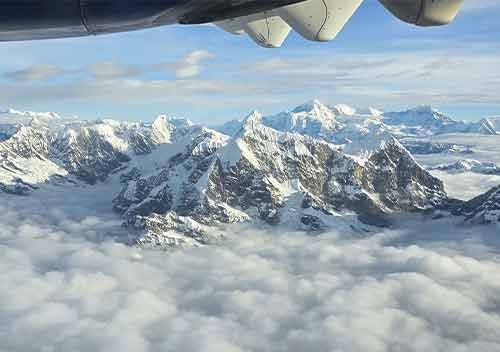
- The Everest Base Camp yoga trek begins with a short 30–40 minute flight from Kathmandu to Lukla. Please note that bad weather conditions may sometimes cause delays, and you may get stuck in Kathmandu. To avoid inconvenience, we recommend booking extra days or flexible return flights to your home country.
- If weather conditions prevent flights from operating and you are stuck in Kathmandu or Lukla, you also have the option to travel by helicopter.
Note: During peak trekking seasons, flights to Lukla operate from Ramechhap Airport (also known as Manthali Airport) instead of Kathmandu due to heavy air traffic. Reaching Manthali requires an approximately 5-hour drive from Kathmandu, followed by a 15-minute flight to Lukla.
Yoga and Meditation Sessions
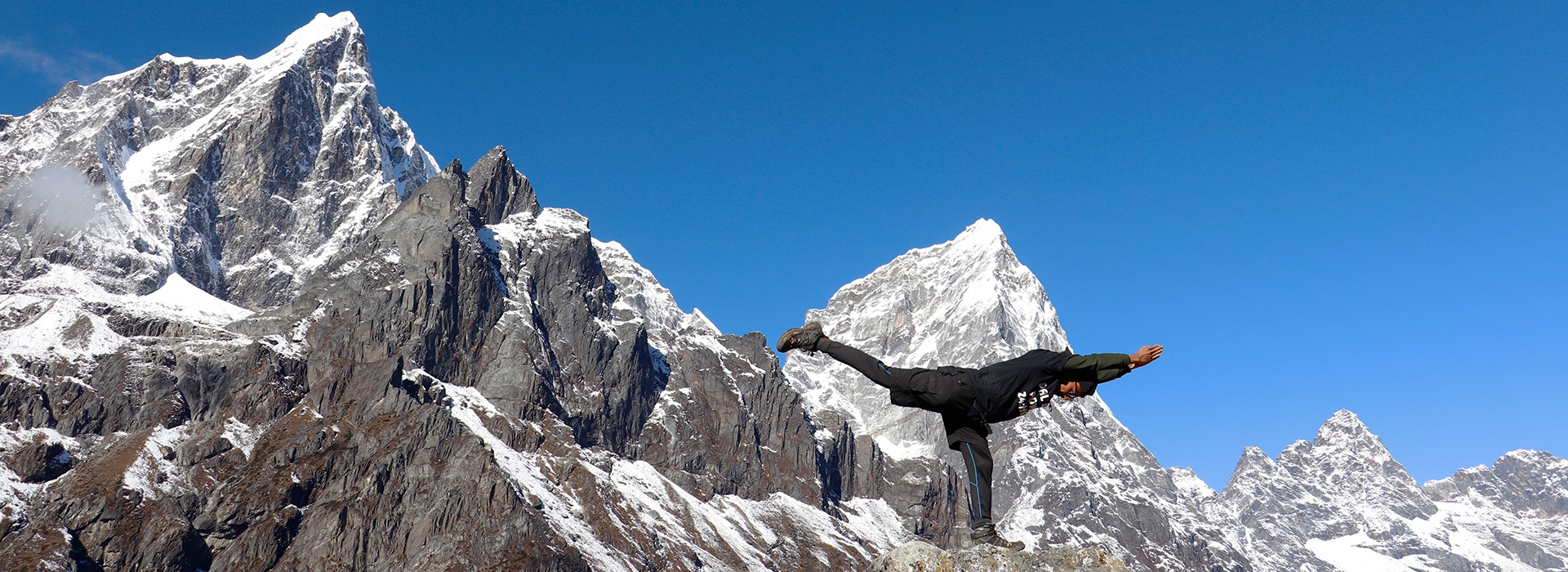
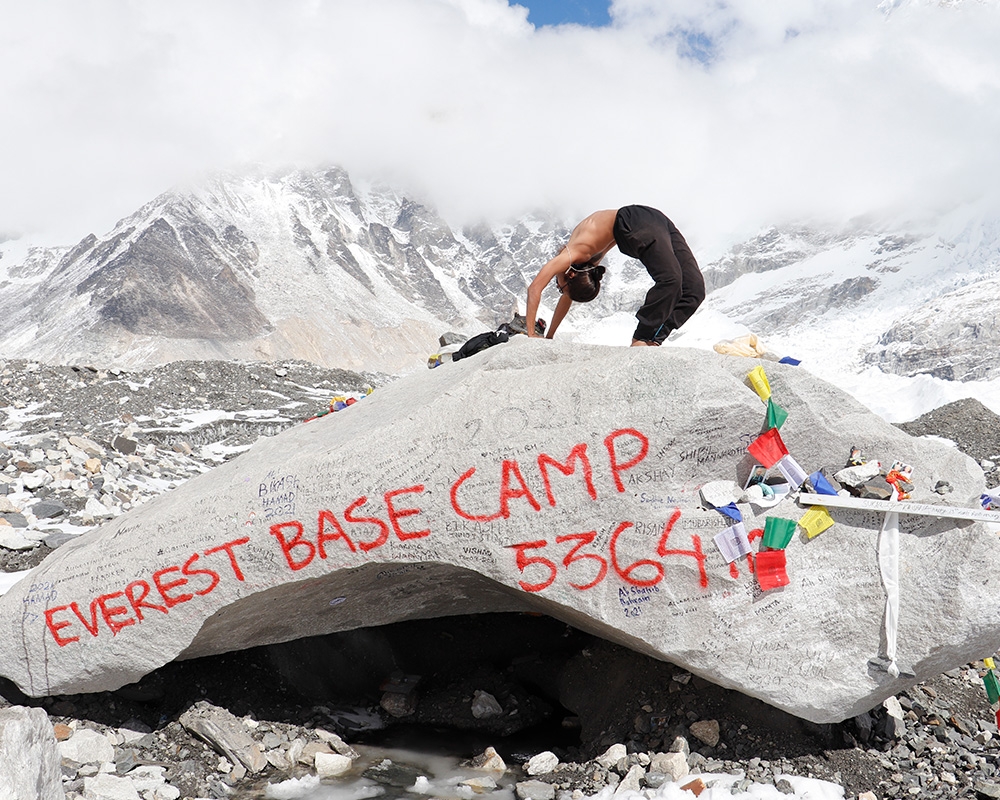
- During the Everest Base Camp Yoga Trek, a licensed yoga trekking guide will accompany you throughout the trek. The yoga guide will organize and lead all yoga and meditation sessions along the trek.
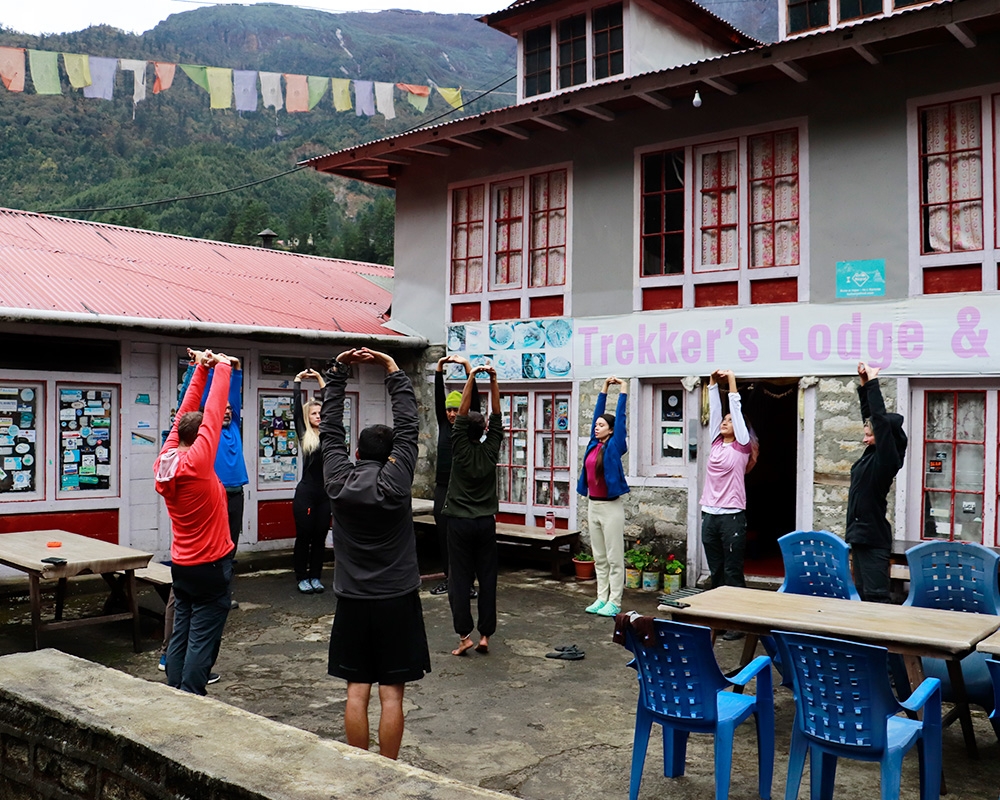
- You will practice yoga each morning before breakfast. During the day, if you feel tired or the trekking distance is long, the yoga guide will conduct short yoga and meditation sessions along the trail or at rest points. If time allows, you will also practice yoga in the evening before dinner.
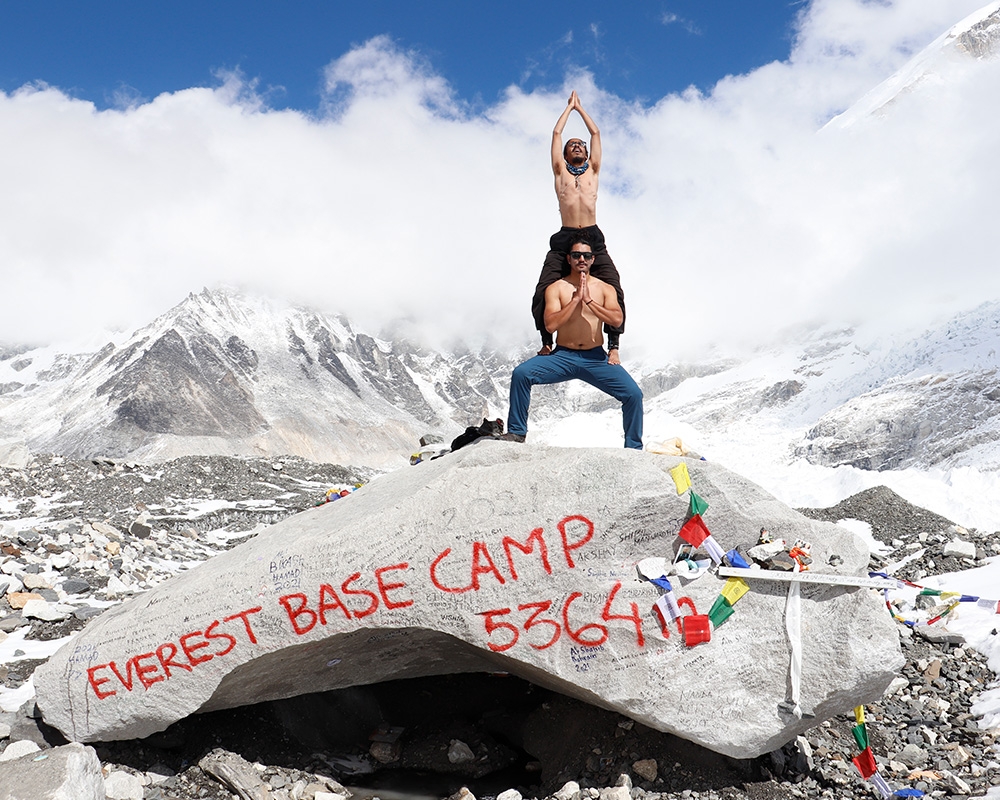
- The yoga guide will focus on a variety of yoga asanas combined with meditation techniques and singing bowl sessions to support relaxation, recovery, and mental balance throughout the trek.
- After returning to Kathmandu, you will take part in a half-day yoga, meditation, and stretching session with your guides once again. This final session helps your body recover from the trek.
Permits and Entrance Fees for Everest Base Camp Yoga Trek
For the Everest Base Camp Yoga Trek, trekkers are required to obtain three major permits:
- Sagarmatha National Park Permit: NPR 3,000 for foreigners and NPR 1,500 for SAARC nationals.
- Khumbu Pasang Lhamu Rural Municipality Permit: NPR 2,000 per person (applicable to all trekkers).
- TIMS (Trekkers’ Information Management System) Card: NPR 1,000 for SAARC nationals and NPR 2,000 for other foreign nationals.
All permits are mandatory for the Everest Base Camp Yoga trekking, and we can arrange them for you before the trek begins. While some sources may state the TIMS card is not required for Everest Base Camp trek, however, it is mandated by law to have it. We also recommend carrying a few photocopies of your passport and permits, as you will need to show them at several checkpoints along the trekking route.
Internet Electricity & Phone Access on Everest Region
- Most lodges from Lukla to Phakding provide power outlets, and charging a phone usually costs $2–$3. Between Namche and Dingboche, phone charging costs $3–$5, while charging large power banks costs $6–$10. In Lobuche and Gorak Shep, electricity is limited, and charging can cost up to $10. We recommend bringing a high-capacity power bank (20,000 mAh or more).
- Internet access is available from Phakding onward through Everest Link prepaid cards, with 10 GB costing approximately $20–$25. Some lodges offer Wi-Fi for $3–$7 per day, and cafes in Namche Bazaar often provide free Wi-Fi with a purchase.
- Mobile network coverage is mainly provided by Nepal Telecom (NTC), while Ncell works only at lower elevations. Signals can be unreliable at higher altitudes, and 4G is generally unavailable.
Meals and Dining on the Everest Base Camp Yoga Trek
- During the Everest Base Camp Yoga Trek, we include full-board meals in the package, covering breakfast, lunch, and dinner. Lodges serve breakfast and dinner, while local teahouses or guesthouses along the trail freshly prepare lunch. Each trekking day also includes three servings of tea or coffee and one serving of soup to help keep you warm and energized.
- Food options along the Everest Base Camp Yoga Trek are limited but sufficient for trekkers. Typical meals include pasta, noodles, soups, fried rice, vegetables, bread, eggs, pancakes, omelets, and seasonal vegetables. Along the trekking route, we provide complimentary seasonal fruits every day as part of your trek package. Dal Bhat is the most popular and filling meal option, offering free refills and providing sustained energy to keep you strong throughout the trek.
- Vegan, vegetarian, and gluten-free meal options are available, along with seasonal fruits. If you have any food allergies or dietary restrictions, please inform us in advance so we can accommodate your needs. Most yogis prefer vegetarian meals during yoga trekking and meditation for better digestion and balance, so if you wish to experience a similar lifestyle, we recommend choosing vegetarian or vegan meals during the trek.
Safe Drinking Water on Everest Base Camp Trek
- At lower elevations in the Everest region, a one-liter bottle of water typically costs around NPR 150–200. As you ascend, prices increase, and a bottle can cost up to NPR 300.
- Most lodges offer boiled water, which usually costs about NPR 800 for a large pot (4–5 liters).
- At higher elevations, bottled water is less available and more expensive. Therefore, we strongly recommend carrying water purification tablets or relying on boiled water provided by the lodges.
Group Leader and Crew
- Throughout the Everest Base Camp Yoga Trek, you will be accompanied by our professional, licensed yoga trekking guide who leads daily yoga and meditation sessions. Our guides have extensive wilderness experience and hold first-aid and safety certifications.
- For groups larger than five participants, we provide an additional assistant trekking guide from our team to ensure extra support and personalized care.
- To make your yoga trek more comfortable, we arrange one porter for every two trekkers to help carry your main gear, allowing you to focus on your trekking, yoga practice, and overall well-being.
Trekking Equipment Required for Everest Base Camp Yoga Trek
- For the Everest Base Camp Yoga Trek, you do not need to carry a lot of gear or spend much money on extra equipment and clothing before your trip. Most essential items are available at reasonable prices in Kathmandu. You only need to bring a comfortable backpack, sturdy trekking shoes, warm clothing, a water bottle, a hat, sunglasses, and your personal items.
- We provide a detailed packing list for the Everest Base Camp Yoga Trek to ensure you have everything you need for varying weather conditions and high-altitude trekking. We also provide all yoga mats and essential yoga equipment for the trek, so you do not need to carry any yoga gear. If you have any questions about what to pack, please feel free to contact us anytime.
High Altitude Sickness
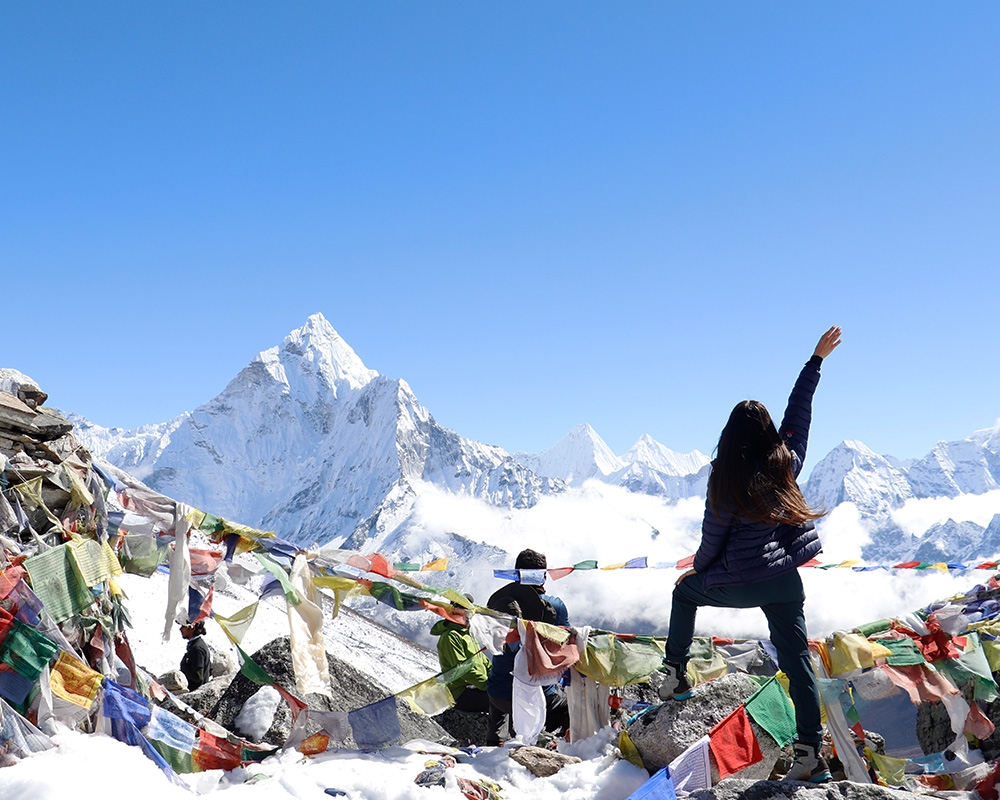
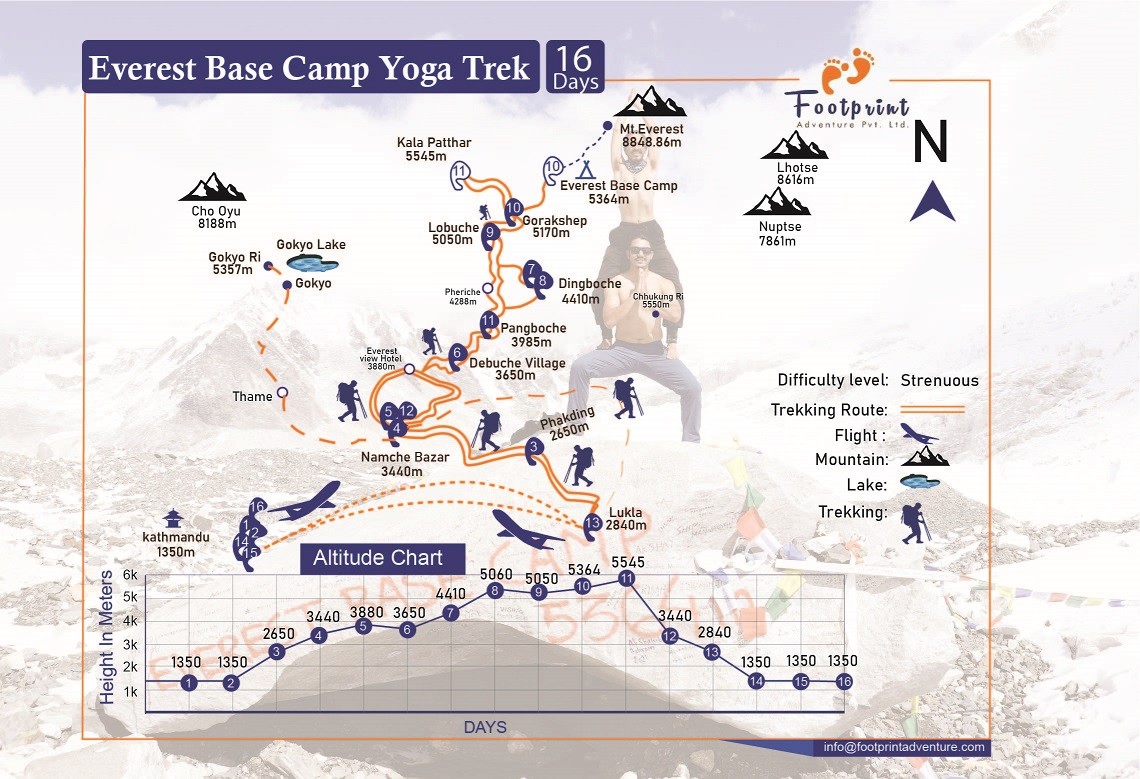
- The Everest Base Camp Yoga Trek reaches elevations up to 5,545 meters at Kalapatthar. At these high altitudes, there is a significant risk of altitude sickness. Proper acclimatization, preparation, and awareness are essential for a safe and enjoyable trek.
- Our itinerary is designed with gradual altitude gains wherever possible, allowing your body to adjust naturally as you ascend. Even at a steady pace, the higher sections require both physical and mental readiness. Daily yoga and meditation sessions are included to help your body adapt and reduce the effects of altitude sickness.
- Altitude sickness can cause symptoms such as headache, dizziness, nausea, shortness of breath, or fatigue. Ignoring these symptoms may lead to more serious conditions, so it is crucial to monitor your health carefully.
- Preventive measures for AMS include staying hydrated, resting when needed, eating properly, and communicating regularly with your guide. If symptoms worsen, descending immediately is the safest course of action.
Trekking Grade
The Everest Base Camp Yoga Trek is moderate to challenging, with 5–8 hours of walking each day. The trail includes steep ascents, rocky paths, narrow trails, and occasional suspension bridges, becoming more remote at higher altitudes. Daily yoga and meditation sessions along the trek help improve endurance, support breathing, and enhance physical and mental well-being.
Weather and Climate
The weather on the Everest Base Camp Trek can be highly unpredictable, especially at higher elevations near Gorakshep and Kala Patthar. Conditions can change quickly from sunny to cloudy, windy, or cold within the same day. Temperatures drop sharply in the mornings and evenings, and snow is possible during colder months. Trekkers should carry warm layered clothing, including insulated jackets, thermals, gloves, and hats, along with waterproof gear to stay protected from rain or snow.
Travel Insurance
Travel insurance is highly recommended for the Everest Base Camp Yoga Trek. The trek reaches high elevations up to 5,164 meters, passes through remote trails with unpredictable weather, and has limited medical facilities. Make sure your policy covers emergency high-altitude rescue, evacuation, and medical treatment. For guidance on choosing the best insurance, see our guide on Travel Insurance for Trekking in Nepal.
Tipping for Everest Base Camp Yoga Trek
Tipping on the Everest Yoga trek is not mandatory, but it is an important way to acknowledge the hard work of your guide and porter, as it forms a significant part of their income. Generally, we recommend tipping 10–12% of the trek package price for your porter and 12–15% for your guide. You can adjust the amount according to the quality of service and your overall experience. Providing tips in Nepalese Rupees or a widely accepted currency like USD is recommended.
Booking and Cancellation Policy
How to Make a Booking
To secure your Everest Base Camp Yoga trek package, we will require photocopies of each traveler's passport to make your booking. You should also provide us with a copy of your Nepal arrival flight schedule or an estimated date of arrival so we can arrange your trek package at your convenience. Finally, you can finalize your booking by paying an advance of 20% of the cost of the trek package. You can go through our entire booking process and conditions so that you have a smooth experience from start to finish.
Cancellation Charges & Conditions
- 25 or more days before departure: 20% of the total cost
- 18–24 days before departure: 40% of the total cost
- 10–17 days before departure: 50% of the total cost
- Less than 10 days from trek start date: 70% of the total cost
- Once the trek starts from Kathmandu, no refunds will be provided.
Rescheduling: You can reschedule your trek to a future date without any extra charges, as long as you notify us at least 15 days before your originally scheduled start date.
Customize Itinerary &Trip Extensions
As per your time schedule if there is not a suitable date for trekking departure from Kathmandu so the place mentions your suitable time and date then we will organize the trip according to your requirements. For that, you've to mention us before coming to Nepal. In addition to Everest Base Camp Yoga Trek, we can organize a trip to the Annapurna Trekking, Langtang Trekking, Manaslu Trekking, Mustang Trekking, Mountain Flight, Water rafting, Jungle safari, City tour (Kathmandu, Pokhara or Lumbini ), homestay Tour, Nepal Cultural Tour, Tibet tour, Bhutan Tour or India Tour extension as per your time frame.