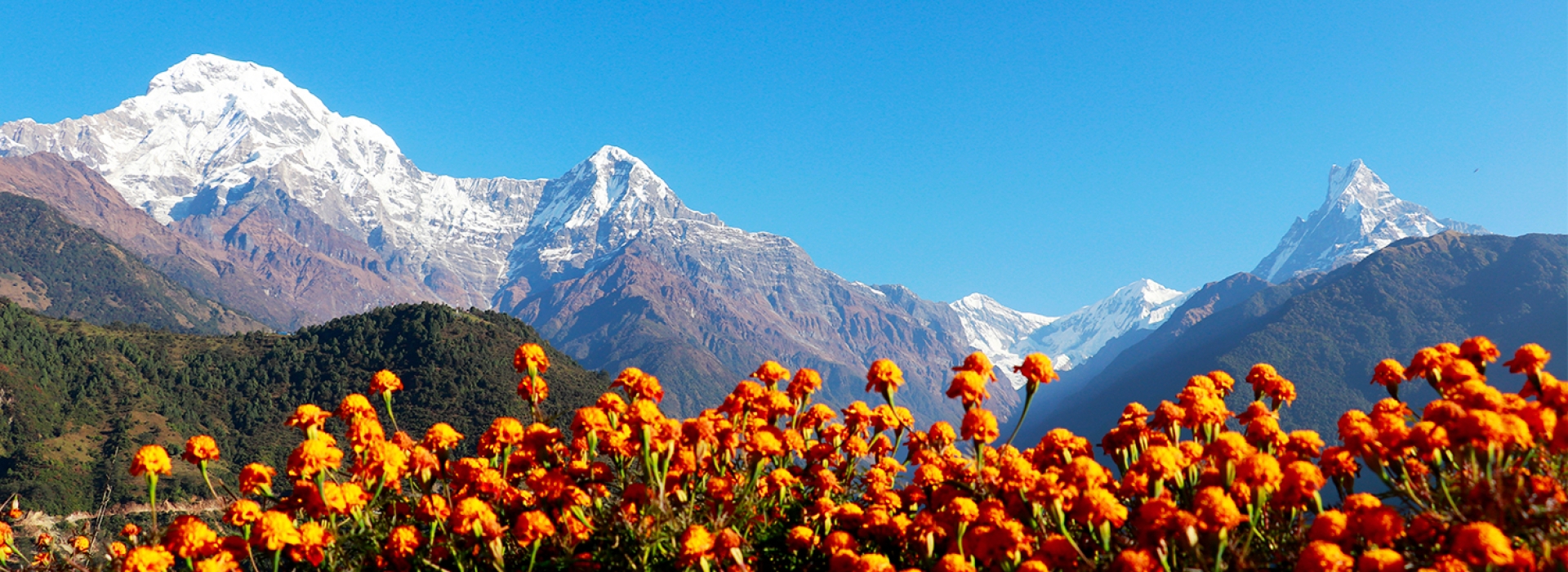
Ghorepani Poon Hill Trek

Ghorepani Poon Hill Trek - 8 Days

Key Infomation

  • Duration:8 Days
  • Trip GradeModerate
  • DestinationTIA Kathmandu
  • Max Altitude3,210 m
  • ActivityTrek, Drive, Tour
  • Group Size1-20 Person
based on 3 reviews
Short Trek
Price fromUS$590US$990
Group Price Available
peoplePrice
1 person - 1 personUS$ 790
2 people - 4 peopleUS$ 720
5 people - 10 peopleUS$ 690
11 people - 15 peopleUS$ 650
16 people - 20 peopleUS$ 590
  • Best Price Gurantee
  • No booking or Credit Card Fee
  • Free Cancellation

Overview of Ghorepani Poonhill Trek

The Ghorepani Poonhill trek is one of the most popular and shortest trekking routes in the Annapurna region of Nepal. The Ghorepani Poonhill trekking route is most appropriate for anyone considering trekking in Nepal for the first time, including families, lone travelers, and groups of friends who are looking for the most accessible trek in Nepal, where they can still have an unforgettable himalaya memory. What makes this trek special is that the Ghorepani Poonhill trek passes through historic communities with dramatic and beautiful Himalayan ranges including Annapurna, Dhaulagiri, Lamjung Himal, Gangapurna, and Machhapuchhre towering above like a panorama.

The Ghorepani trek is known to be one of the easiest treks in the Annapurna region and has been popular since the late 20th century because of the short duration, easy access, and varied topography. The trail leads trekkers through rhododendron forests, terraced farmlands, and traditional Gurung and Magar villages, thus making it a perfect trek for trekkers of any age group.

The Ghorepani Poonhill trek Nepal is a wonderful trek for beginners while Nepal is known for its high-altitude treks such as the Annapurna Circuit or Everest Base Camp trek. This short Himalayan trek begins with a drive from Kathmandu to Pokhara. The most convenient option to start the Ghorepani Poonhill trek is from Pokhara rather than Kathmandu.

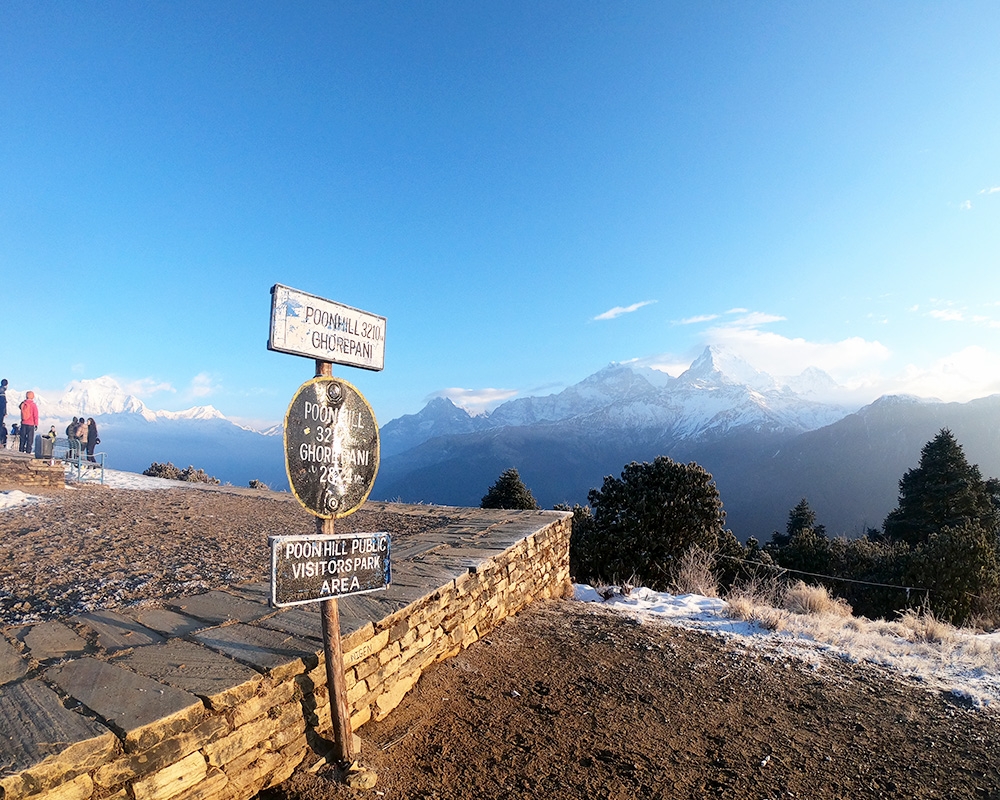
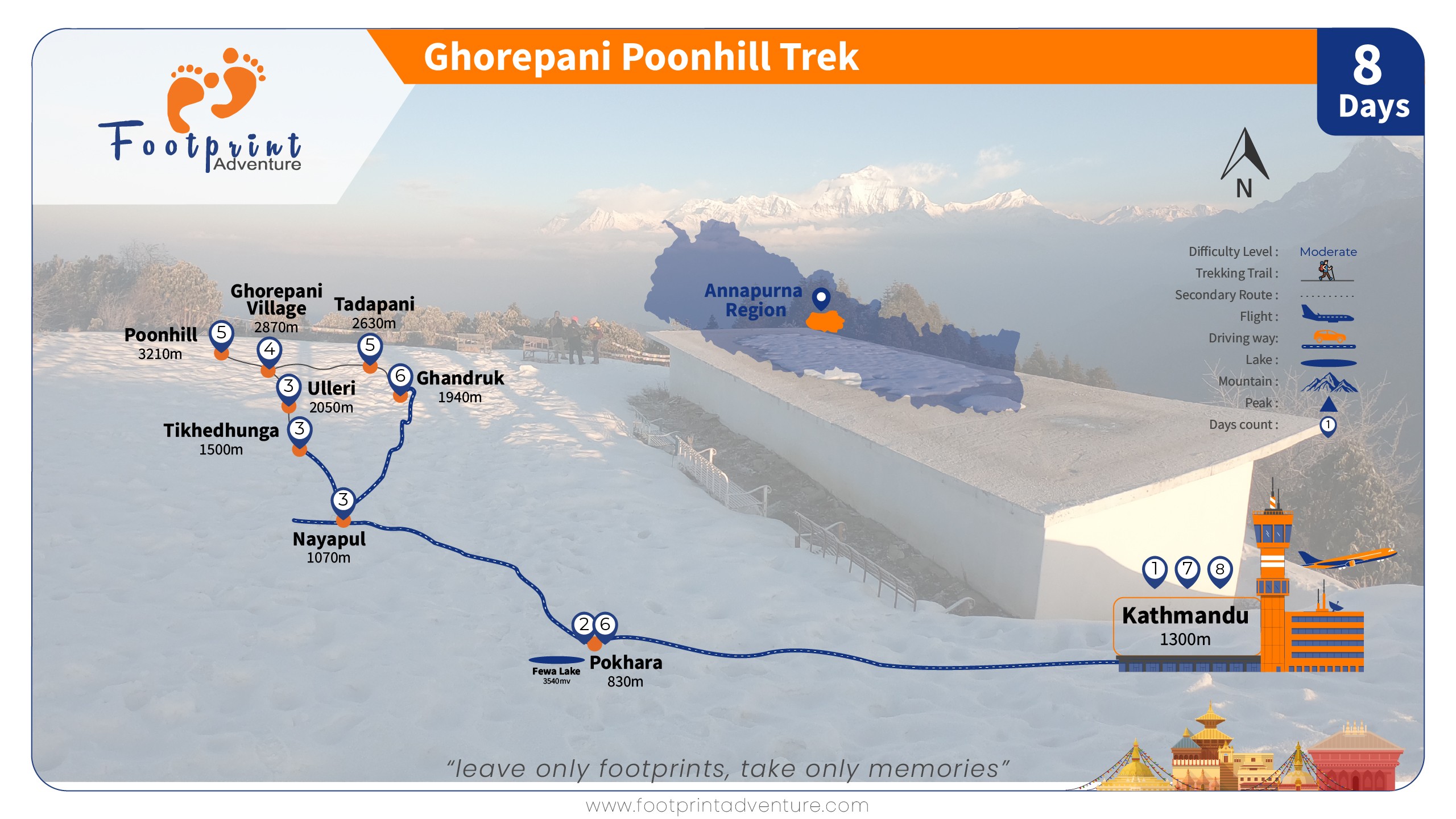
On the third day, we drive from Pokhara to Tikhedhunga and begin our hike. Ulleri, a typical Himalayan village, welcomes you with its iconic stone steps and mountain views. The next day, we hike to the well-known Ghorepani village, passing through lush forests and traditional settlements. On the fifth day, we hike early to Poonhill to witness one of the best Himalayan sunrises. From here, you’ll see panoramic views of Dhaulagiri (8,167m), Annapurna I (8,091m), Annapurna South (7,219m), Annapurna II, III, and IV, Machhapuchhre (6,993m), Tukuche, Nilgiri, Hiunchuli, and Lamjung Himal. This is the major highlight of the trek.

The Ghorepani Poonhill trek is easy and safe. At 2,028 meters, Ghorepani is the highest overnight stop, so there's no risk of altitude sickness, which usually starts above 3,500 meters. After this scenic morning, we descend to Tatopani, where you can enjoy a relaxing soak in the natural hot springs. We then head to Ghandruk, a large Gurung village, and finally descend to Nayapul. From there, we drive back to Pokhara and return to Kathmandu. Also known as the Annapurna sunrise trek, this route is a great option for those seeking a short and easy trek in Nepal.

The price of the Ghorepani Poonhill trek varies from USD 590 to USD 750 depending on your group size, duration of your stay and service level. Don't miss out on this easy and beautiful trip. Footprint Adventure has regular treks to the area. Feel free to contact us to customize your Ghorepani Poonhill trekking itinerary to experience the beauty of the Himalayas.

Highlights of the Ghorepani Poonhill Trek

  • Witness one of the best Himalayan sunrises from Poonhill, with panoramic views of Dhaulagiri, Annapurna I, Annapurna South, Machhapuchhre (Fishtail), Hiunchuli, Nilgiri, and much more
  • Walk through lush forests of blooming rhododendrons, oak trees, and bamboo trees, all of which are particularly beautiful in springtime
  • Immerse yourself in the local culture and hospitality in traditional villages like Ulleri, Ghorepani, and Ghandruk
  • Trek through diverse landscapes, from terraced farm fields to hilltop viewpoints and dense green forests
  • Indulge in a natural hot spring at Tatopani after your trek
  • Start your trek easily with a short drive from Pokhara, making this the easiest trek in Nepal
  • Enjoy nature and wildlife, with many opportunities to see Himalayan birds and plants along the trail
  • Visit Ghandruk village, a beautiful Gurung village with spectacular views of the mountains and amazing culture

Major Highlights of Ghorepani Poonhill Trek

Ghandruk Village

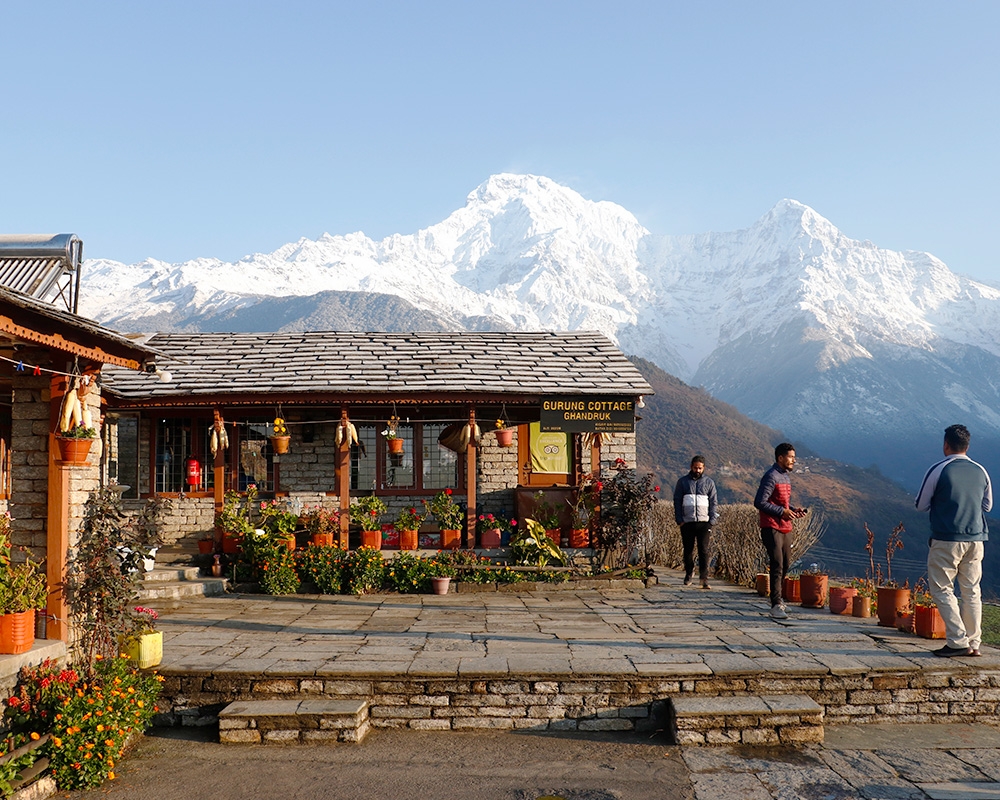
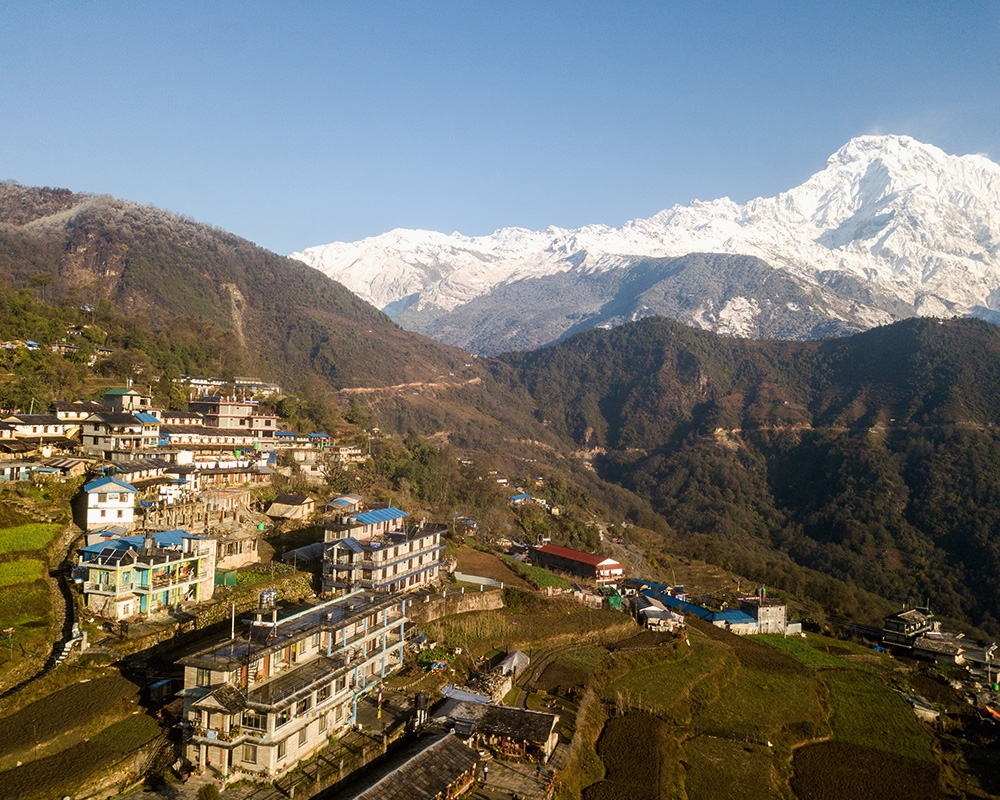
Ghandruk village is a culturally inhabited area of the Nepalese Gurung community. It is one of the most well-known overnight rest stops in the Annapurna region. Additionally, the community draws citizens from all across the country. Ghandruk offers a breathtaking view of the Annapurna Mountain ranges, which include Machhapuchhre and Himchuli. Ghandruk village is the most popular trekking destination in Nepal.  The second Gurung village in Nepal, Ghandruk, is promoting rural tourism using its resources.  Along with this, you'll fall in love with the untouched culture, rustic way of life, local food, welcoming atmosphere, and captivating vista of the sparkling Himalayas.

Poon Hill Viewpoint 

Poon Hill Viewpoint offers breathtaking views of the Annapurna Himalayas, sunrises, sunsets, stunning landscapes, valleys, rivers, and conventional hamlet communities from its vantage point. Every day, hundreds of trekkers may be seen hiking Poon Hill to take in the vibrant sunrise. Poon Hill Viewpoint is one of the most popular viewpoints in Nepal due to its simple accessibility, brief stay, and plenty of natural beauty. The well-known Annapurna Base Camp Trek, the Annapurna Circuit Treks, and the Khopra Danda Trek are all connected by the Traditional Poonhill Trek.

Pokhara City

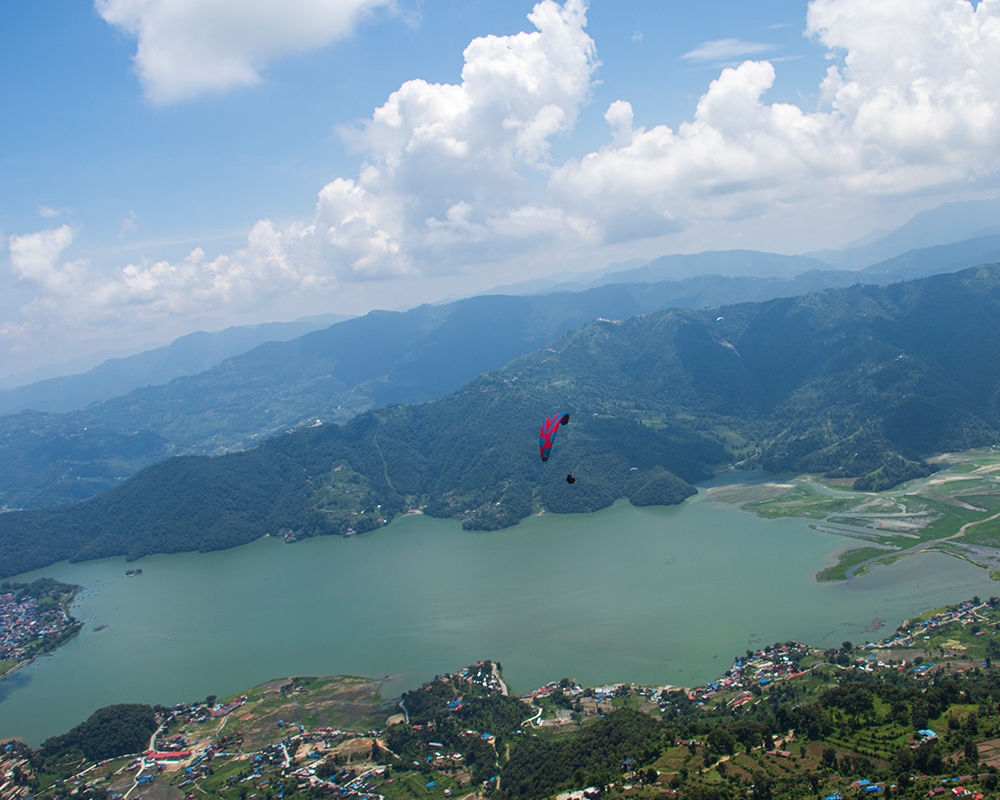
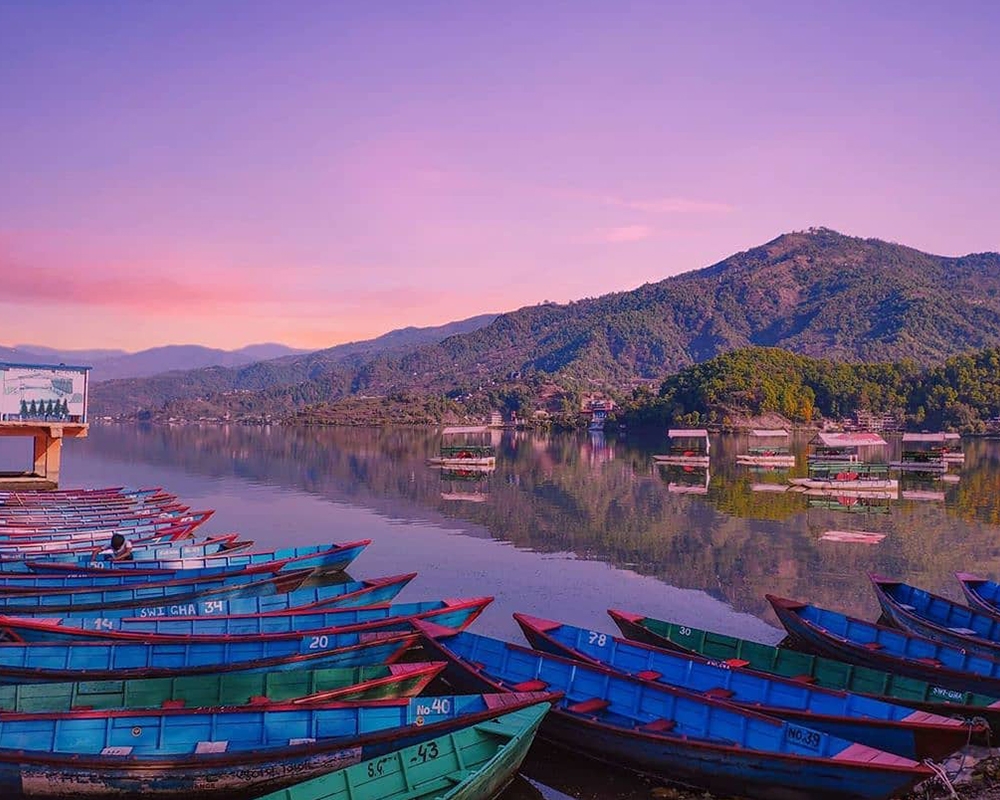
Pokhara, in western Nepal, is a major tourist city in the Annapurna Himalayas. It's a great place to view mountains, lakes, and other natural treasures. Annapurna Base Camp, Poonhill, Ghorepani, and Mardi Himal begin at Pokhara. Pokhara is also the starting point for most tourism, trekking, and adventure activities in Nepal, including boating, rafting, Annapurna trekking, paragliding, bungee jumping, ziplining, canyoning, and skydiving in Annapurna. 

Trek Route Details and Alternatives

The Ghorepani Poonhill trek has several starting points, meaning that trekkers may have some flexibility based on time, fitness, and modes of travel. Birethanti, or Nayapul, is the most common and traditional starting point, being considered the official gate of the trek. After arriving at Nayapul, trekkers walk through a few small villages, namely Ulleri, Banthanti, and Nangethanti, and then to Ghorepani village, the official stop before heading up to Poonhill for sunrise.

There is another option that includes starting from Tikhedhunga. Many trekkers take the jeep from Pokhara to Tikhedhunga to avoid the long first day of walking, then trek from Tikhedhunga to Ulleri (which is an uphill two-hour walk), and then you can continue on the classic route to Poonhill via Ghorepani.

Some trekkers start from Ghandruk, which is a beautiful Gurung village, and then trek through Tadapani before arriving at Ghorepani. The trek is a little tougher on this route, since you will have to do a couple of steep uphill climbs and associated stone steps. However, it is possible to do both approaches; you can begin from Ghandruk and finish at Nayapul, or do it in reverse. You can also access Ghandruk by jeep or bus from Pokhara, but the road may be muddy during the rainy season

There is also a lesser-used route that begins from Australian Camp, accessible from Kande. It travels through forested trails before joining the main Poonhill trail. It is a quieter and more relaxing trek, a perfect choice for anyone wanting a different trek. Some trekkers choose to complete the Ghorepani Poonhill trek and continue with longer treks to Annapurna Base Camp or Annapurna Circuit so they can see more of the area while enjoying the famed Poonhill sunrise. Where you begin, every route eventually arrives at Ghorepani village, a welcome stop before the morning trek up to Poonhill (3,210m) for the breathtaking sunrises with views of the Himalayas.

Is This Trip the Right Choice for You?

You do not need to worry about your fitness or altitude sickness while you are on this trek because it is quite easy, short, and does not reach very high elevations. Anyone can easily do this trek, even those without any prior trekking experience. There is a good chance that the Ghorepani Poon Hill trek is the easiest and shortest trek in the Annapurna region of Nepal. Although the daily walking distance varies, it usually takes 4 to 6 hours to get from one town to the next. If you are mentally and physically fit, you will have a better chance of being successful.

How Difficult is Ghorepani Poonhill Trek and How Should I Prepare?

The easiest hike in Nepal's Annapurna region is possibly the Ghorepani Poon trek. It is considered easy to moderate and is one of the best options for beginners. The walking distance between settlements varies daily, but you often need to travel 4 to 6 hours per day. You can succeed if you are physically and psychologically healthy. It is a 4-day walking trip, but only the first two days are uphill through a rhododendron forest. The last two days are just downhill through a forest and villages. However, it still requires physical preparation.

Trekking Conditions

  • Daily trekking hours: 4-7 hours
  • Maximum altitude: 3,210m at Poonhill Viewpoint
  • Steep Staircases: The trek from Tikhedhunga to Ghorepani involves climbing over 3,000 stone steps, which can be physically demanding
  • Gradual ascents & descents: Unlike high-altitude treks, Poon Hill has a steady elevation gain

Physical Preparation:

  • Cardio training: To build stamina, perform running, cycling, swimming, or fast walking at least 4-6 weeks before the trek. Cardiovascular fitness aids in maintaining energy on the ascents and long trekking days.
  • Strength training: Focus on leg strength exercises like lunges, squats, step-ups, and calf raises to prepare your muscles for steep climbs, especially the stone staircases leading to Ghorepani. Core strengthening exercises like planks can also help with stability.
  • Endurance building: Go on regular long hikes with a weighted backpack (5-7 kg) to simulate actual trekking conditions. This will condition your body to carry a load while hiking for several hours. Progressively increase your hiking distance and elevation gain.
  • Flexibility & Balance: Incorporate stretching exercises or yoga into your routine to improve flexibility, reducing muscle soreness and enhancing mobility on uneven terrain.

This trek is achievable for most people with essential fitness, but advanced training will make the experience more enjoyable and help prevent muscle fatigue and exhaustion.

People visit Ghorepani to see the mountains and learn about the local Gurung, Magar, Thakali, and other indigenous peoples. You can learn about the region's religions and cultural practices, dance, and eat regional specialties. Footprint Adventure is always ready to help with a complete guidebook of the Annapurna Region. Feel free to contact us if you have any other questions about the trek packages or customized itineraries.

When is the Best season for the Ghorepani Poonhill Trek?

March and April in the spring, September, October, and November in the fall are the Best seasons for the Ghorepani Poonhill Trek. At that time, it is much less likely to rain, but it can get very cold at night, especially in November and March.

Choosing the right season is crucial for an enjoyable trekking experience, as the weather and trail conditions vary significantly throughout the year.

  • Autumn (September to November) is widely considered the best time for the Ghorepani Poon Hill Trek. During this season, the weather is stable, with clear blue skies and moderate temperatures, creating ideal trekking conditions. Trekkers benefit from excellent visibility because they can enjoy complete views of the Annapurna and Dhaulagiri mountain ranges. During this season, the landscapes display colorful features because of their golden forests and cultivated terraced fields. Both fantastic views and heavy crowds exist during this time since it represents the most popular trekking period.
  • Spring (March to May) is another excellent time for trekking, especially for nature lovers and photographers. The temperature is mild, and the rhododendron forests along the trail burst into a spectacular display of red, pink, and white blossoms, adding a unique charm to the trek. Wildlife is more active during this period, providing opportunities to spot Himalayan birds and other animals. While there are fewer trekkers compared to autumn, it is still a popular season, so accommodations can fill up quickly in some areas.
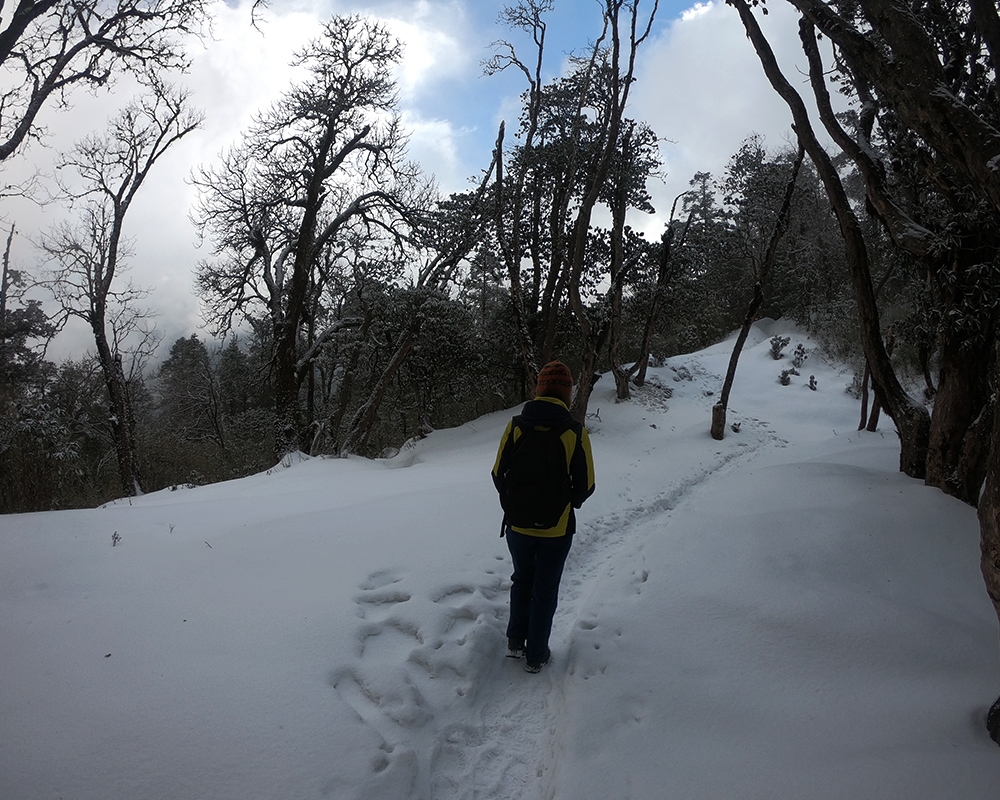
  • Winter (December to February) offers a quieter and more peaceful trekking experience, with fewer crowds on the trails. The landscape is typically covered with snow, giving stunning contrasts to the high mountains. Blue skies and clear mountain air give excellent visibility, and the photography is just incredible. The temperatures can be extremely low, especially in the evenings, and snowfall can make some sections of the trail challenging. Trekkers must be prepared with the appropriate winter equipment to make the journey comfortable.
  • Monsoon (June to August) is the least favorable time for trekking due to frequent rain showers, which can make the trails muddy and slippery. The increased humidity brings lush green vegetation, vibrant wildflowers, and powerful waterfalls, creating a different kind of beauty. However, heavy cloud cover often obscures mountain views, and the presence of leeches can be bothersome. Despite these challenges, some trekkers still choose this season to enjoy solitude and the dramatic landscapes of the Annapurna region.

Why Choose Footprint Adventure for the Ghorepani Poonhill Trek in 2025/ 2026?

 Footprint Adventure is a licensed trekking company with experienced, government approved guides. We focus on safety, clear communication, and responsible tourism. Whether you're a solo traveler or in a group, we customize your trip to fit your needs and budget, with fair pricing and no hidden costs. We follow sustainable practices with initiatives like carry me bag, support local communities, and have a high success rate on all treks. Our team is available 24/7 by phone or email, before and during your adventure. Contact us today to plan your trek to Ghorepani Poonhill.
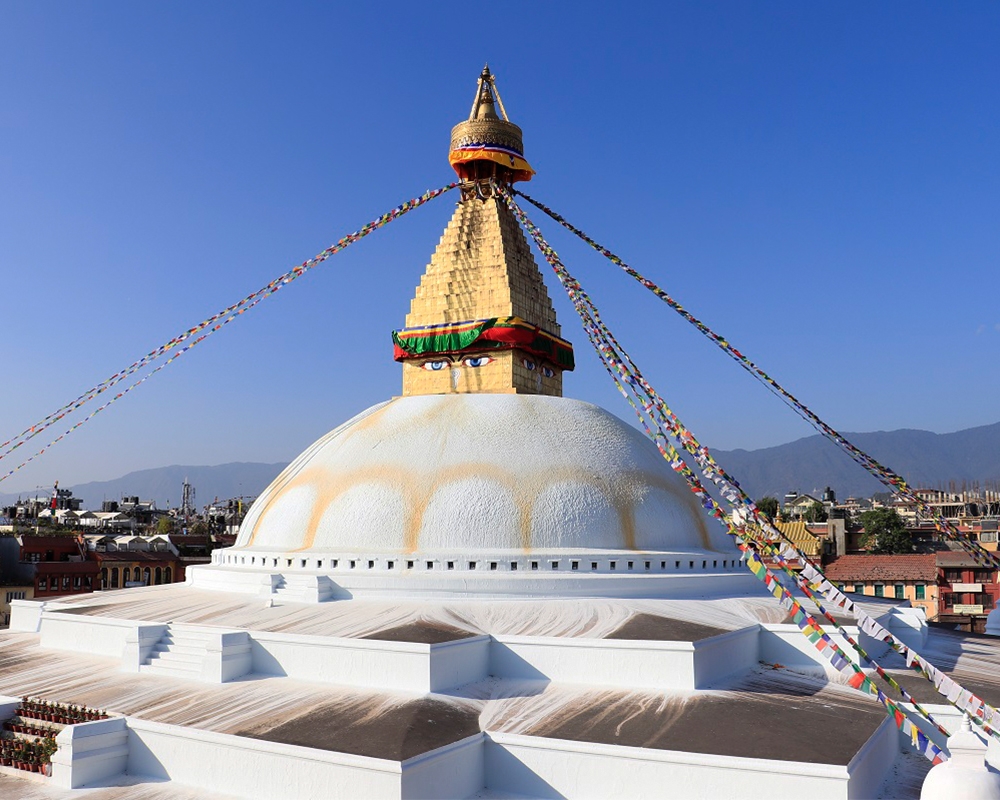
You'll See

Itinerary

Expand AllCollapse All

This is our standard itinerary for the Ghorepani Poonhill trek. If you want to customize it and add more days, please feel free to contact us anytime for a fully customized itinerary of your choice. 

Upon arrival at Tribhuvan International Airport, a representative from Footprint Adventure will greet you and transfer you to your Hotel in Kathmandu. 

After the check-in, you'll have some free time to relax and adjust to the time difference. In the afternoon, you will browse through the alleys of the famous tourist hub, Thamel. 

In the evening, meet your guide for the pre-trek briefing to cover the details about your upcoming adventure, including the route, logistics, safety procedures, and what to expect on the trek.

  • Accommodation Kantipur Village Hotel
  • MealsDinner
  • Time30 min
  • Maximum Altitude1,350m

The comfortable tourist bus ride on the windy highway along the Trisuli River with a breathtaking view of waterfalls, river, jungle, hamlets higher up on the hills, and terraced fields with seasonal crops to Pokhara takes 6/7 hours. In the evening, you can explore around the lakeside and Pokhara street and overnight in Pokhara.

**Pokhara Road Update**

Due to ongoing road construction, travel time between Kathmandu and Pokhara has increased from 6-7 hours to around 8-9 hours, with added congestion and pollution. Alternatively, a 30-minute flight is available for USD 125 one way.

  • Accommodation Aabas Pokhara
  • MealsBreakfast
  • Time6-7 Hours Drive
  • Maximum Altitude830 m
  • Distance200 km

In the early morning, after having breakfast at the hotel in Pokhara, we will drive to Tikhedhunga, a small village at the starting point of our Ghorepani Poonhill trek. The drive mostly passes through scenic landscapes, rivers, and small rural villages.

Once we reach Tikhedhunga, we will begin our hike to Ulleri. The trail is mostly uphill and passes through forests, terraced fields, and local villages. Depending on the season, guests will see farmers working the fields, children walking to school, and neighbouring villagers carrying supplies.

The trail from Tikhedhunga to Ulleri has stone staircases that can be steep, so we will take short breaks as needed and enjoy the surroundings. When we arrive at Ulleri, we will check in to the lodge, rest, have dinner, and recover for the next day.

Overnight stay at Ulleri.

  • Accommodation Local Teahouse
  • MealsBreakfast, Lunch & Dinner
  • Time2 hour drive and 3 hour trek
  • Maximum Altitude2,070 m

After breakfast in Ulleri, we will begin our trek toward Ghorepani. The trail starts by climbing gradually through a dense forest of oak and rhododendron trees. During spring, these forests are full of blooming rhododendron flowers, which are the national flower of Nepal. Birds can often be heard in the forest, adding to the natural atmosphere of the trek.

As we continue, we will pass through small settlements such as Banthanti and Nangethanti, where trekkers often stop for tea or short breaks. These villages are surrounded by terraced fields and traditional houses, giving a glimpse of rural life in the mountains.

On clear days, we can already start to see snow-capped peaks such as Annapurna South, Hiunchuli, and Machapuchare (Fishtail Mountain) in the distance. The view becomes more open as we get closer to Ghorepani.

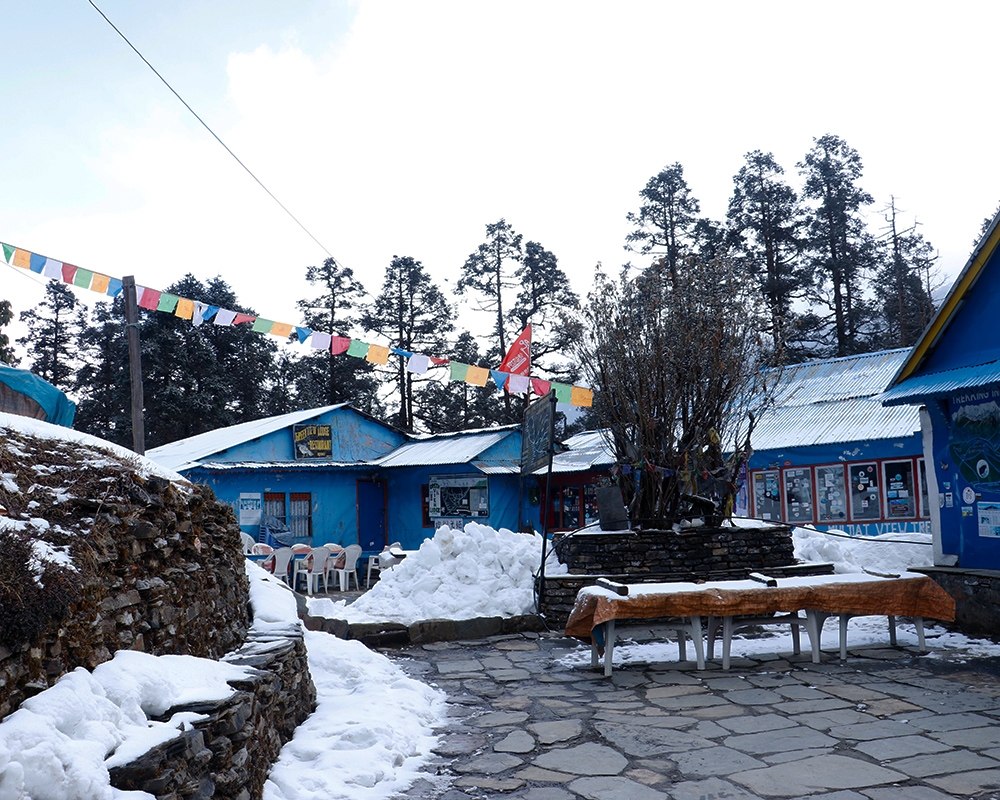
Finally, we will reach Ghorepani village, which sits at a higher elevation and is surrounded by panoramic views of the Annapurna and Dhaulagiri mountain ranges. Ghorepani is an important stop on the Annapurna trekking route, and it is also the base for the famous sunrise hike to Poon Hill, which we will do the next morning.

Overnight stay at Ghorepani

  • Accommodation Loca Teahouse
  • MealsBreakfast, Lunch & Dinner
  • Time4-5 hour
  • Maximum Altitude2,875 m

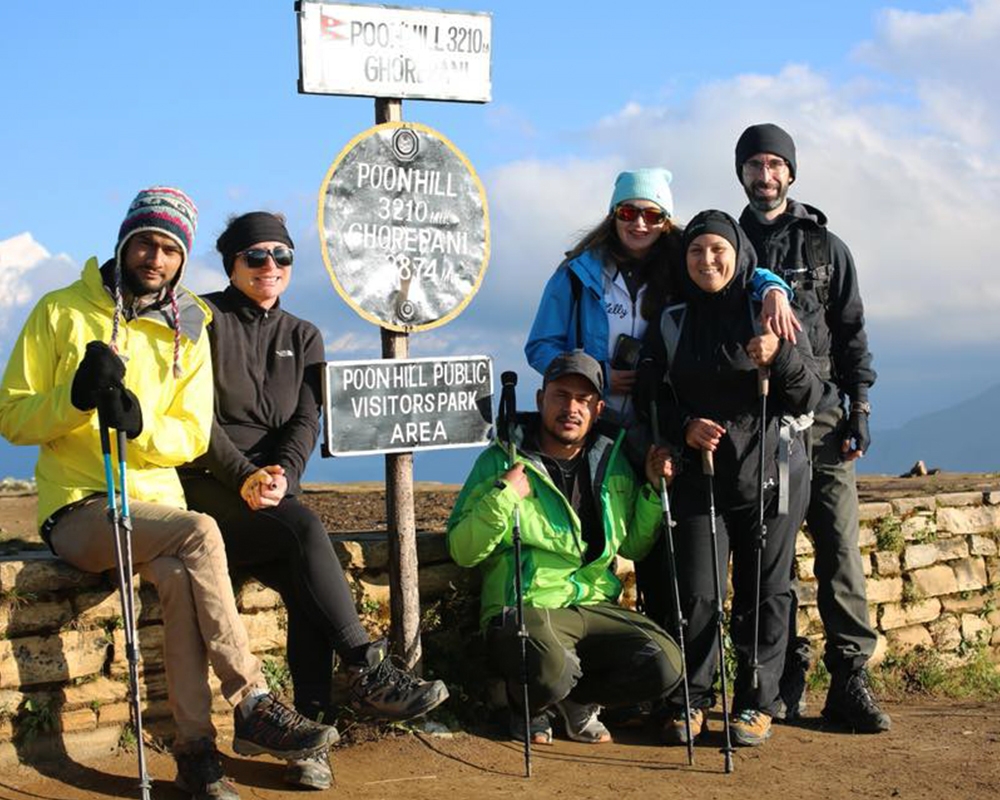
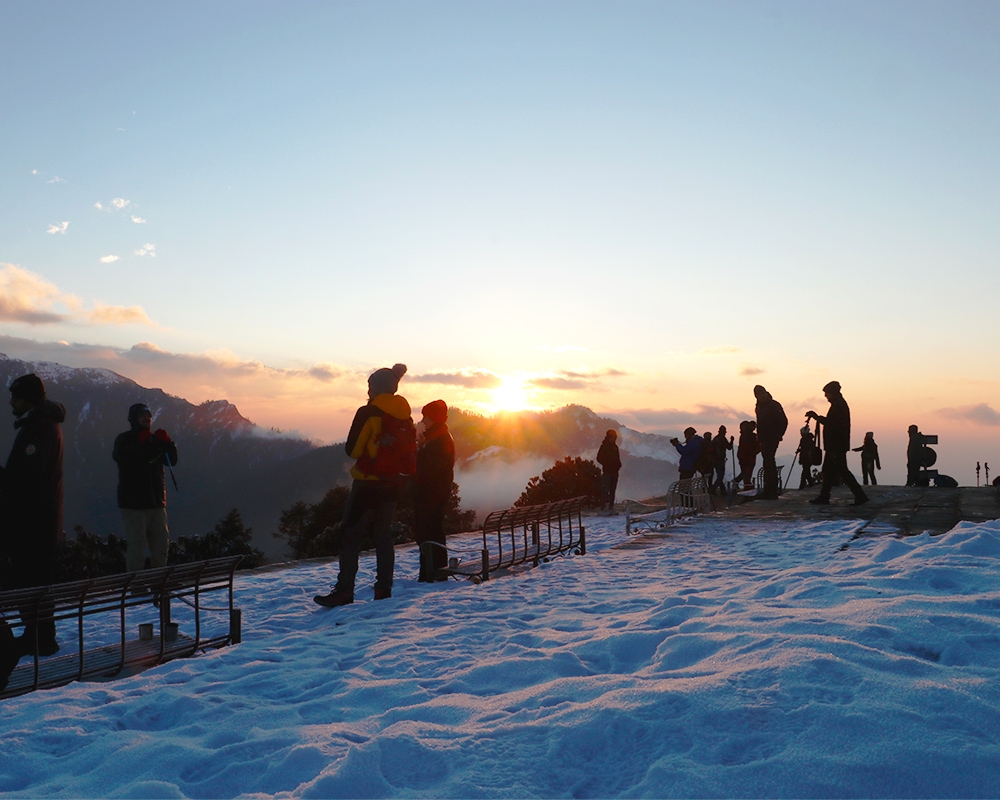
Early in the morning, before sunrise, we will hike from Ghorepani to Poon Hill viewpoint. The trail is a steady uphill climb through stone steps. From the top of Poon Hill, we will see one of the most famous sunrise views in the Annapurna region. As the sun rises, the first light touches the peaks of the Annapurna range, Dhaulagiri range, Machapuchare (Fishtail Mountain), Hiunchuli, and several other snow-capped mountains. This spot is one of the best viewpoints in Nepal for panoramic Himalayan scenery.

After spending some time at Poon Hill, we will return to Ghorepani for breakfast. From there, we will continue our trek toward Tadapani. The trail first climbs uphill and then passes through forests of rhododendron and oak, which are home to many birds and wildlife. Along the way, we may get glimpses of mountains such as Annapurna South and Machapuchare through openings in the forest.

The trek involves both ascents and descents, with resting points in small villages and tea houses along the way. By afternoon, we will arrive at Tadapani, a village well known for its close-up views of the Annapurna peaks and its peaceful forest surroundings.

Overnight stay at Tadapani

  • Accommodation Local Teahouse
  • MealsBreakfast, Lunch & Dinner
  • Time6-7 hour
  • Maximum Altitude3,210 m

After breakfast in Tadapani, we will begin our trek toward Ghandruk Village. The trail mostly descends through a forest of rhododendron, oak, and pine trees, which provides shade and a peaceful atmosphere. Along the way, we will pass small streams and may spot birds and other wildlife in the forest.

As the forest opens, we will see terraced farmland and scattered houses leading toward Ghandruk. Upon reaching Ghandruk, we will explore this large Gurung settlement, which is one of the most famous villages in the Annapurna region. The village is known for its traditional stone houses, cultural museums, and warm hospitality of the Gurung community. On clear days, Ghandruk offers excellent views of Annapurna South, Hiunchuli, and Machapuchare (Fishtail Mountain) rising above the village.

After spending some time exploring Ghandruk and learning about local culture, we will take a vehicle back to Pokhara. The drive passes through hills, rivers, and farmland before reaching the city.

  • Accommodation Aabas Pokhara
  • MealsBreakfast & Lunch
  • Time4 hour trek and 3 hour drive
  • Maximum Altitude4,130 m

The comfortable tourist bus ride on the windy highway along the Trisuli River with a breathtaking view of waterfalls, river, jungle, hamlets higher up on the hills, and terraced fields with seasonal crops takes a 6/7 hour drive back to Kathmandu. In the evening you can explore the Thamel and streets of Kathmandu for food hunting and buying souvenirs.

If you are interested in extending the trip, there are many options such as Chitwan Jungle Safari, River Rafting Adventure, Kathmandu Tour, Pokhara City Tour, mountain biking, and other activities.

Overnight stay at Kathmandu.

  • Accommodation Kantipur Village
  • MealsBreakfast
  • Time6-7 hours drive
  • Maximum Altitude1,350 m

The trip concludes today. Our airport representative will drop you at the international airport in Kathmandu for your flight departure from Nepal.

  • MealsBreakfast
  • Time30 min

What's Included

  •  
  • Airport pickups and drops in a private vehicle
  • 2x nights hotel accommodation in Kathmandu with breakfast on a double-sharing basis
  • 2x nights hotel accommodation in Pokhara with breakfast on a double-sharing basis
  • 3x nights best available teahouse accommodations during the trek on a double-sharing basis
  • Full Board Meal (breakfast, lunch, and dinner) 3x tea/coffee, 1x soup per day during the trek
  • Welcome dinner in a traditional Nepali kitchen with a cultural dance show
  • Fresh seasonal fruits will be served as dessert during the entire trekking
  • All ground transportation is on a comfortable tourist-standard vehicle
  • Kathmandu - Pokhara - Kathmandu transfer in AC Deluxe Tourist Standard Bus
  • An experienced, English-speaking, and government-licensed trekking guide/leader
  • Staff costs include salary, insurance, equipment, food, and accommodation.
  • Footprint Adventure's trekking bag/duffel bag, t-shirt, and trekking map are yours to take
  • All necessary paperwork and trekking permits (ACAP and  TIMS Card)
  • #Carry Me Bag for responsible waste collection throughout the trip
  • Daily medical assessment and health check-ups
  • Medical kit (carried by your trek leader)
  • All government taxes and company service charges
  •  
  • Nepalese visa fee and application fare if required
  • International airfare to and from Kathmandu
  • Lunch and dinner in Kathmandu and Pokhara except for one welcome dinner in Kathmandu
  • Extra night accommodation in Kathmandu and Pokhara in case of early arrival, late departure, and early return from the mountain(due to any reason) than the scheduled itinerary
  • Travel and rescue insurance for Nepal
  • Porter service for the trek (25USD per day)
  • Credit/Debit card processing fees (3.5%)
  • Personal expenses (phone calls, laundry, bar bills, battery recharge, extra porters, bottle or boiled water, shower, etc.)
  • Tips for guide, porters, and drivers
  • Anything which are not mentioned in above inclusive section

Dates & Price

Start Dates refer to your arrival date in Nepal, and End Dates refer to your return date from Nepal.

Our 08-Day Ghorepani Poonhill Trek fixed departure dates are tailored for the group joining option. If these dates do not match your schedule, you can always have the option to choose your dates that fit according to your travel time. To secure your comfortable date, please book early to avoid missing out. Reserve your adventure today and embark on an unforgettable journey to the Himalayas of Nepal.

Departure DateTrip StatusPrice 
dateJanuary 02, 2026 - January 09, 2026StatusAvailablepriceUS$650
dateJanuary 09, 2026 - January 16, 2026StatusAvailablepriceUS$650
dateJanuary 16, 2026 - January 23, 2026StatusAvailablepriceUS$650
dateJanuary 23, 2026 - January 30, 2026StatusAvailablepriceUS$650
dateJanuary 30, 2026 - February 06, 2026StatusAvailablepriceUS$650

Additional Info

Accommodation Options During the Ghorepani Poonhill Trek

Accommodation in City

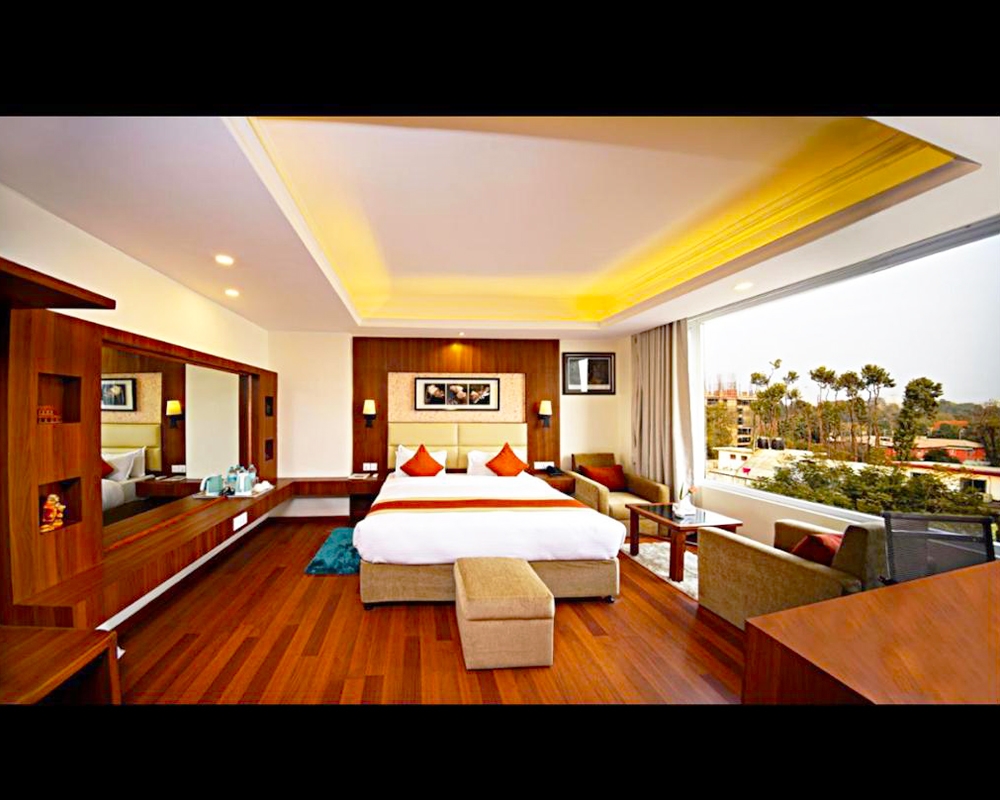
As a part of the Ghorepani Poonhill trekking package we will accommodate you in a comfortable 3 star hotel in the city on a twin sharing basis for 2 nights in Kathmandu and 2 nights in Pokhara. If you prefer more privacy we can arrange you a private room for an extra cost.

Accommodation During the Trek

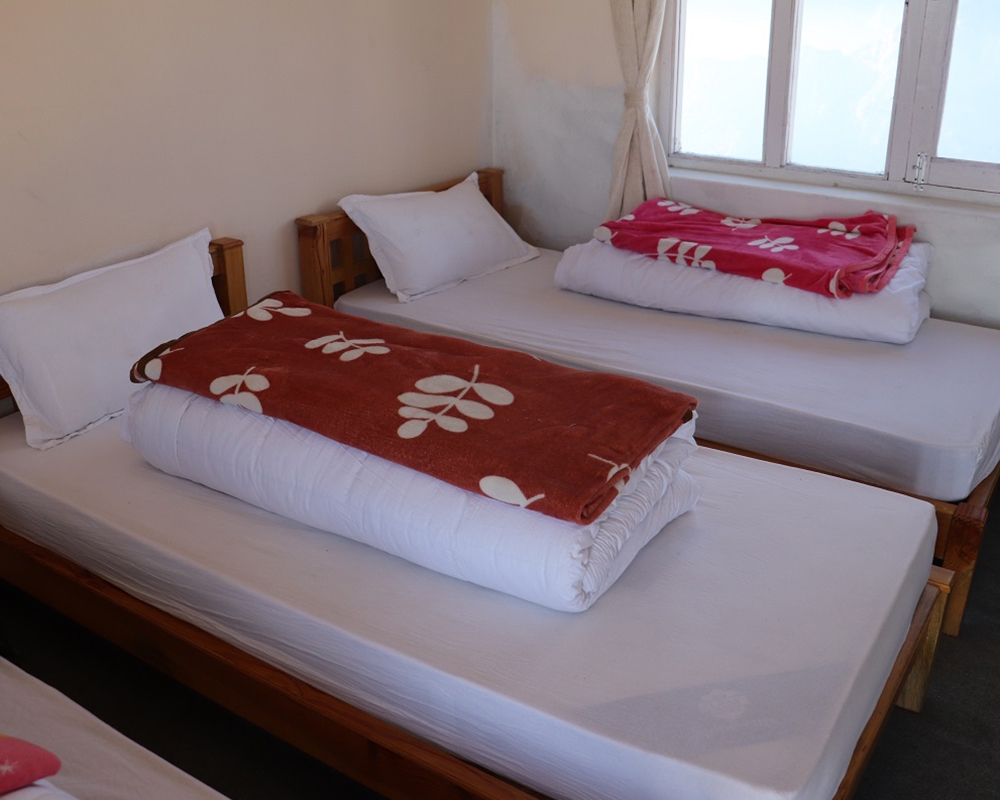
You will stay in comfortable, well-equipped local teahouses for all three nights of the trek. Each room has basic bedding and is on a twin-sharing basis. The walls are thin, so carry earplugs for a more comfortable sleep. Attached bathrooms are available along the way for an extra cost. Hot showers are offered at every stop and cost between 300 and 500 NPR ($2.5–$4).

During peak trekking season, lodges fill up quickly, so book in advance or stay flexible with your accommodation options.

Hotel Upgrade Options

If you prefer more comfort in the cities before or after your trek, you also have the option to upgrade your hotel to a higher category.

  • Upgrade to a 4-star hotel in Kathmandu - 120 USD per night pp in BB
  • Upgrade to a 5-star hotel in Kathmandu - 250 USD per night pp in BB
  • Single supplement - 300 USD per person

Transportation Details

By Bus

Our Ghorepani Poon Hill trek includes a comfortable bus transfer from Kathmandu to Pokhara on a luxury sofa bus with AC and cushioned seats. The journey takes about 6–7 hours and includes a lunch stop on the way.

When you arrive in Pokhara, you can leave your extra luggage there and carry only the essential items for the trek. From Pokhara, we will drive you to Tikhedhunga in a private vehicle, which takes around 2 hours. All ground transportation, including airport pickup and drop-off, is provided by a private tourist-standard vehicle.

By Flight (Optional)

If you'd like to save time, you can fly from Kathmandu to Pokhara. It is about a 25-30 minute flight, but it is significantly more expensive than the bus. Once in Pokhara, we will arrange a private vehicle to take you to Tikhedhunga.

By Private Vehicle (Optional)

You can also choose to travel from Kathmandu to Pokhara in a private vehicle which costs around 100-150$. This option costs more than the bus but offers more comfort and the flexibility to stop wherever you like along the way. The drive usually takes about 5–6 hours.

Permits & Entrance Fees for Ghorepani Poonhill Trek

To trek to Ghorepani Poon Hill, you need the following two permits:

  • Annapurna Conservation Area Permit (ACAP): NPR 3,000 for foreign nationals and NPR 1,000 for SAARC nationals
  • Trekkers’ Information Management System (TIMS) Card: NPR 2,000 for foreign nationals (independent trekkers), NPR 1,000 for trekkers with an organized group/guide, NPR 600 for SAARC nationals

Both permits are mandatory, and we can arrange them for you before your trek begins. Carry a few photocopies of your passport and permits, as you will need to show them at several checkpoints along the route.

Internet, Electricity & Phone Access

  • Mobile network coverage is generally available along the Ghorepani Poon Hill trail, with both NTC and Ncell working, but NTC tends to be more reliable. 4G is available in some areas but can be unstable.
  • Internet access is available in most teahouses along the trail. Wi-Fi is often slow and weather-dependent, and using it usually costs around NPR 200–300.
  • Charging electronic devices such as phones and electronics is possible at teahouses, but it usually incurs a small fee of NPR 300–500 per hour. Electricity is primarily generated through solar power, so availability may be limited during cloudy weather.

Meals and Dining on the Ghorepani Poonhill Trek

  • During the trek, we will provide all three meals as part of the package. Breakfast and dinner are served at the lodges, while lunch is prepared fresh along the trail at local guesthouses or restaurants during your hike.
  • The standard food options during the Ghorepani Poon Hill trek include pasta, noodles, soups, fried rice, vegetables, bread, eggs, pancakes, omelets, and seasonal fruit, which we provide as a complimentary item. The most common and filling meal is Dal Bhat, which comes with free refills to give you plenty of energy for the trek. Additionally, along the trail, there is also a wide variety of food available, including bakeries, Western dishes, and Indian cuisine, so you can enjoy different options at the teahouses.
  • Vegan, vegetarian, and gluten-free options are available, along with seasonal fruits. If you have any food allergies or dietary restrictions, please let us know in advance so we can accommodate your needs.

Drinking Water on Ghorepani Poonhill Trek

  • In lower elevations, you will be able to find bottled water for NPR 50 per liter, and it will be available for NPR 80- 100 at higher elevations.
  • Lodges will provide boiled water for around NPR 500 per liter. However, it is important to note that when you reach high altitudes, bottled water becomes limited and less affordable, so we recommend that you bring along water purification tablets or rely on boiled water at lodges.

Group Leader and Crew

  • You’ll be accompanied throughout the trek by experienced, licensed mountain guides from our team, trained in wilderness skills and first aid.
  • For groups of more than 5 people, we provide an additional assistant guide to ensure extra care and support.
  • To make your journey easier, we usually assign one porter (Sherpa) for every two trekkers to help carry your gear.

Trekking Equipment

  • It's not necessary to spend a lot of money on extra equipment and clothing before your trip. The majority of these gears can be bought at reasonable prices in Kathmandu.
  • We provide a detailed packing list to ensure you have everything you need for trekking the Ghorepani Poonhill, including essential gear for various weather conditions. Don't hesitate to reach out to us if you have any questions about what to pack for the Ghorepani Poonhill Trek.

High Altitude Sickness

  • Since this trek reaches a maximum altitude of 3,210 m at Poonhill, the risk of altitude sickness is significantly lower compared to other high altitude treks. Proper acclimatization and careful preparation are however still essential for a safe journey.
  • Our itinerary is designed with gradual elevation gains where possible, but trekkers should be aware that the high altitude after 3,000 m demands both physical and mental readiness. This allows your body to adjust more naturally while you enjoy the breathtaking scenery.
  • It is crucial to understand altitude sickness and take preventive measures seriously. At such elevations, reduced oxygen levels can lead to symptoms such as headache, dizziness, nausea, shortness of breath, or fatigue. These symptoms can escalate if not managed properly.
  • The best way to stay safe is to monitor your condition closely, communicate openly with your guide, rest when needed, and descend immediately if symptoms worsen. Following these precautions helps ensure that your Ghorepani Poonhill Trek is both safe and memorable.

Trekking Grade

The Ghorepani Poon Hill Trek is generally considered an easy to moderate adventure, suitable even for beginners. Most hiking days range from 4–6 hours, making it accessible for trekkers with basic fitness levels. Prior trekking experience can be helpful but is not required. However, certain parts of the trail can feel challenging, especially the long stone staircases leading up to Ulleri and the steeper ascents approaching Ghorepani.

Weather and Climate

The weather around Ghorepani and Poon Hill can be quite unpredictable and it often changes quickly throughout the day. Mornings are usually clear and offer good conditions for sunrise views, but clouds, mist or light rain can develop by the afternoon. Temperatures drop noticeably at higher points such as Poon Hill, especially before sunrise or when the wind increase. Because of these sudden shifts, trekkers should carry warm, layered clothing including fleece or insulated jackets, thermals, gloves and hats. Waterproof jackets and rain covers are also important because unexpected rain or thick fog is common in this Annapurna region.

Travel Insurance

Travel insurance is important for the Ghrorepani Poonhill trek. Make sure the policy includes emergency high-altitude rescue, evacuation, and medical coverage. To see which insurance is better for the trek, check out our guide on Travel insurance required for trekking in Nepal.

Tipping

Tipping on the Ghorepani Poonhill Trek is not mandatory, but it is an important way to acknowledge the hard work of your guide and porter, as it forms a significant part of their income. Generally, we recommend tipping 10–12% of the trek package price for your porter and 12–15% for your guide. You can adjust the amount according to the quality of service and your overall experience. Providing tips in Nepalese Rupees or a widely accepted currency like USD is recommended.

Booking and Cancellation Policy

How to Make a Booking

To secure your Ghorepani Poonhill Trek package, we will require photocopies of each traveler's passport to make your booking. You should also provide us with a copy of your Nepal arrival flight schedule or an estimated date of arrival so we can arrange your trek package at your convenience. Finally, you can finalize your booking by paying an advance of 20% of the cost of the trek package. You can go through our entire booking, payment process and conditions so that you have a smooth experience from start to finish.

Cancellation Charges & Conditions:

  • 25 or more days before departure: 20% of the total cost
  • 18–24 days before departure: 40% of the total cost
  • 10–17 days before departure: 50% of the total cost
  • Less than 10 days from trek start date: 70% of the total cost
  • Once the trek starts from Kathmandu, no refunds will be provided.

Rescheduling: You can reschedule your trek to a future date without any extra charges, as long as you notify us at least 15 days before your originally scheduled start date.

Trip Customization

In addition to the Ghorepani Poon Hill Trek, we can arrange a wide range of trips including Langtang, Everest, Manaslu and Mustang trekking, mountain flights, water rafting, jungle safaris, city tours in Kathmandu, Pokhara or Lumbini, homestay tours, Nepal cultural tours, as well as tour extensions to Tibet, Bhutan or India. If you do not find a suitable departure date from Kathmandu in our schedule, simply let us know your preferred time and date and we will organize the Ghorepani Poon Hill Trek according to your availability.

FAQs

Q1. How difficult is the Ghorepani Poon Hill Trek? Is it suitable for beginners?

Ghorepani Poonhill Trek is a easy to moderate-level trek,  making it accessible for beginners, families, and occasional trekkers. Anyone with good physical fitness can easily execute this trek.

  • Distance Covered: Around 40-50 km in total.
  • Elevation Gain: Maximum altitude of 3,210m (Poon Hill).
  • Daily Trekking Hours: 4-6 hours per day.
  • Challenges: Steep stone staircases (especially from Tikhedhunga to Ghorepani), some high-altitude sections, and moderate ascents.

No technical climbing is required, and the well-marked trails make navigation easy. However, basic physical preparation, including endurance and leg-strength exercises, is recommended.

Yes, this is a beginner-friendly trek where there are 4 days of trekking where you need to walk for 4-5 hours daily which can be easily done and the last 2 days are typically downhill which can be comparatively easier. 


Yes, you can hire a guide for trekking to the Ghorepani Poonhill. As per the new rule of NTB, you must hire a guide or porter to climb at higher altitudes. 

You can also choose packages from our website, for customized and personalized itineraries.

No, there are no specific cultural or religious considerations to be aware of during Poonhill Trek, however, you must respect each and every culture and race. 

Ghandruk village is a culture inhabited area famous for its Gurung culture hospitality and is a major stop for acclimatization and resting spot in Annapurna Region. 

As Ghorepani Poonhill is a moderate trek, a good level of fitness is enough for completing this trek. However, it is a plus point if you perform a few cardio vascular exercises 2-3 weeks prior to your trek. 

Yes, you can always contact us, for any customization or changes in the trip itinerary to the Ghorepani Poonhill. 

You can also choose other treks in the different regions of Nepal like, Annapurna Base Camp Trek, Upper Mustang Trek, Everest Base Camp treks.

Yes, Footprint Adventure is a leading trekking company that has been providing A-level services since 2015. You can always extend your trek during the Ghorepani Poonhill Trek. 

The trip extension can be very flexible in all the treks we offer such as Annapurna Circuit Trek, Mardi Himal Trek, Manaslu Circuit Treks. 

The Ghandruk Ghorepani Trek is situated in Nepal's north-central region, inside the Annapurna Conservation Area. The Ghandruk Ghorepani Trek begins and ends in close proximity to Pokhara. The Annapurna Base Camp Trek includes the Ghandruk Ghorepani Trek as well.


From Ghorepani Poonhill, one can see numerous high peaks, including the Annapurna 8,091m, Dhaulagiri 8,127, Annapurna South 7,219 Meter, Machapuchare 6,993 Meter, Hinchuli, Annapurna III, Dhampus Peak, and Dhaulagiri II.


Both the Ghorepani Poon Hill Trek and the Annapurna Sunrise Trek are the same. This traditional beginning to Annapurna trekking goes by several names, including Poon Hill Trek and Annapurna Sunrise Trek. The Annapurna Sunrise View Trek also goes by that name.  You may be confident that no matter which hike you select, you will experience the most breathtaking sunrise of  your life.


The hike up Ghorepani Poon Hill is simple and low-elevation. There is no danger of getting high-altitude mountain sickness during this quick and easy walk because Ghorepani, at 2,028 meters, is the highest point you will spend the night. Usually, after ascending above 3500 meters, people may get altitude sickness.

Your breakfast and dinner while trekking in the Annapurna Ghorepani region will be served from the lodge similarly, and your lunch will be provided by a nearby inn or restaurant. The Nepali dish known as Dhalbhat is very well-liked in the highlands. It is served with rice, curry, spinach, lentil soup, pickle, and pappadam. You can also have bread, a set breakfast (which includes bread, an omelet, potatoes, and tea), fried noodles, fry rice, Mo: Mo (dumpling cuisine), a variety of soups, Ramayan Korean soup, and Indian foods, but don't anticipate anything that has been professionally prepared. It is just manufactured safely and fresh. Additionally, drinks are offered in the lodge and restaurant booths.

You will be staying in locally crafted tea houses and lodges when you walk up Ghorepani Poon Hill. The lodging on this walk will be private, with twin beds and personal lockers. Your room will be furnished with a comfy bed, pillows, a small tea table, and a blanket, but it does not have a bathroom. There will be an additional fee if you take a hot shower because it is shared. During the Ghorepani Poon hill hike, lodging costs between $5 and $10 US (twin bedroom).

March and April in the spring; September; October; and November in the fall are the ideal times to hike Poon Hill. The likelihood of rain is substantially lower at that time, although it could get very cold at night, especially in November and March.


No. Ghorepani can only be accessed on foot from the trailhead in Nayapul because it is not accessible by vehicle. While there are several trekking routes available, even a simple journey like the Poon Hill Trek can take two days to traverse from Pokhara to Ghorepani.

Yes, an ACAP (Annapurna Conservation Area Project) is required for the Ghorepani Poon Hill hike and may be obtained from the Nepal Tourism Board (NTB) in Kathmandu and Damside in Pokhara. There are two distinct permits: TIM cards and ACAP permits. Permits and TIMS are priced at:

  • The cost of an ACAP Permit: $30 US/ individual
  • Cost of TIMS card: $10 US (If you trek through a trekking agency)
  • Cost of TIMS card: $20 US (If you trek by yourself)


The easiest hike in Nepal's Annapurna region is possibly the Ghorepani Poon hill trek. The walking distance between settlements varies daily, but you often need to travel 4 to 6 hours per day. You can succeed if you are physically and psychologically healthy.

It is a 4-day walking vacation, but only the first two days will involve climbing through a rhododendron forest, while the latter two days will simply involve descending through a forest and villages.


Ghorepani Poonhill Trek is a moderate level trek that takes around 10 days to complete. The basic itinerary includes, drive to pokhara- ghandruk and then you can easily trek to the Ghorepani Poonhill. The main attraction of this trek is the Ghandruk Village and the Poonhill Viewpoint that serves the amazing landscapes of Annapurna, Machhapuchhare, Manaslu and Dhaulagiri. The trek up the Ghorepani is easy as the highest elevation you reach is 3,210 meters.

Client Reviews

Tripadvisor300+Reviews
Google100+Reviews
trustpilot99+Reviews

Similar Trips

You May Also Like
Explore more