Planning a trek in the Himalayas should be the highlight of your year, not a paperwork nightmare. If you’ve been searching for answers lately, you’ve likely seen conflicting news: "Solo trekking in Nepal is banned!" vs. "Solo permits are open!"
Here is the grounded truth: Nepal has modernized its trekking rules for 2026. The system is now more digital, safer, and, surprisingly, more accessible for solo travelers than it was a decade ago.
This guide from Footprint Adventure breaks down the density of these rules so you can book your flight with total confidence.
Can You Trek Solo in Nepal in 2026?
This is the biggest update in years. For decades, "Restricted Areas" required a minimum of two foreign trekkers to get a permit.
What the 2026 Update Says
As of March 2026, the Department of Immigration has officially abolished the two-person requirement. You can now apply for a permit as a solo traveler. However, "solo" refers to the number of tourists in your group, not your total party.
The Conditions for Solo Travelers
To maintain safety in high-altitude zones, "solo" trekking comes with two non-negotiable legal requirements:
- You must hire a licensed guide: You cannot walk these trails entirely alone.
- You must use a registered agency: Your permit must be processed by an authorized local agency like Footprint Adventure.
Note: These rules ensure that if you get sick or lost, there is a professional on the ground and a legal entity in Kathmandu responsible for your immediate rescue.
How to Get Trekking Permits in Nepal
The 2026 permit system is now almost entirely digital, replacing the old manual paper applications that used to take days.
The New Online Permit System
To speed up the process, Nepal now allows agencies to apply for their Restricted Area Permit (RAP) online. To do this, you will need:
- Valid Nepal Visa Number: You can only apply once your visa is issued.
- Application Submission ID: If you are applying from abroad, your agency can use your submission ID to pay fees in advance.
Your Simple 5-Step Process
- Select Your Route: Pick one of the 13 restricted districts.
- Partner with an Agency: Contact a registered trek organizer.
- Provide Documents: Email a scan of your passport and visa details.
- Digital Processing: The agency uploads your data to the DoI portal.
- Verified Checkpoints: Your permit is digitally linked to your passport, which is scanned at trail checkpoints.
Why Hiring a Guide in Nepal is Now Mandatory
The "Mandatory Guide" rule, first introduced in 2023 and fully integrated by 2026, is no longer just a recommendation; it is a strictly enforced law.
Legal Requirements & Safety Ratios
- The 1:7 Rule: One licensed guide can lead up to 7 trekkers. If your group is 8 people, you must hire a second guide.
- Checkpoints: Expect to be stopped at entry points. If you do not have a licensed guide with their official ID, you will be turned back.
The Practical Value of a Guide
Beyond legal compliance, a guide provides critical support in the 2026 trekking environment:
- Altitude Management: They are trained to monitor oxygen levels and spot early symptoms of HAPE/HACE.
- Emergency Coordination: In remote zones, your guide is the only one who can coordinate a satellite-linked helicopter rescue.
- Cultural Liaison: They act as a bridge between you and the ancient Tibetan-influenced communities you’ll be visiting.
The 13 Restricted Districts in Nepal (Where Rules Apply)
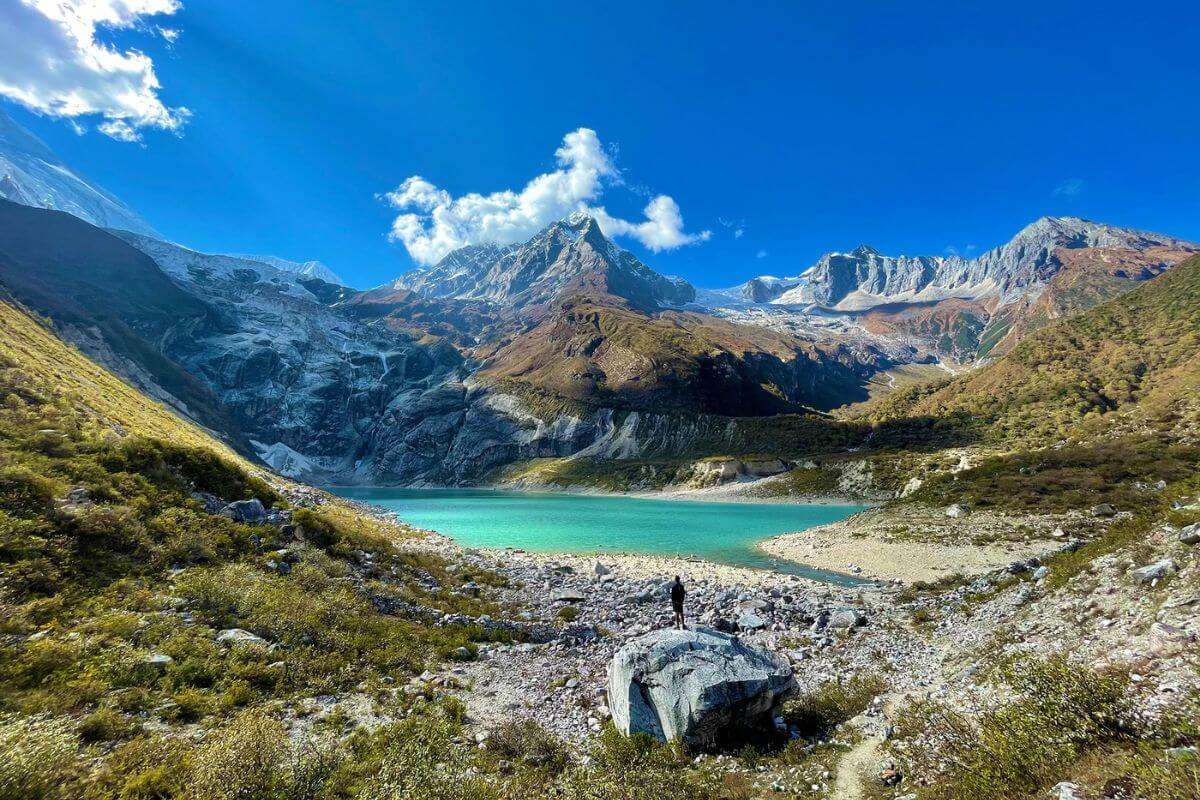
To be clear, the special permit and guide rules apply to specific zones within 13 districts along Nepal's borders. If your trek enters these districts, you must follow the 2026 RAP policy:
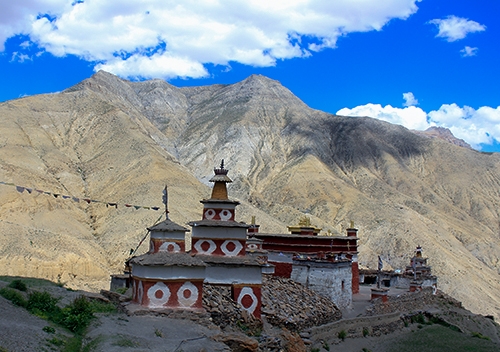
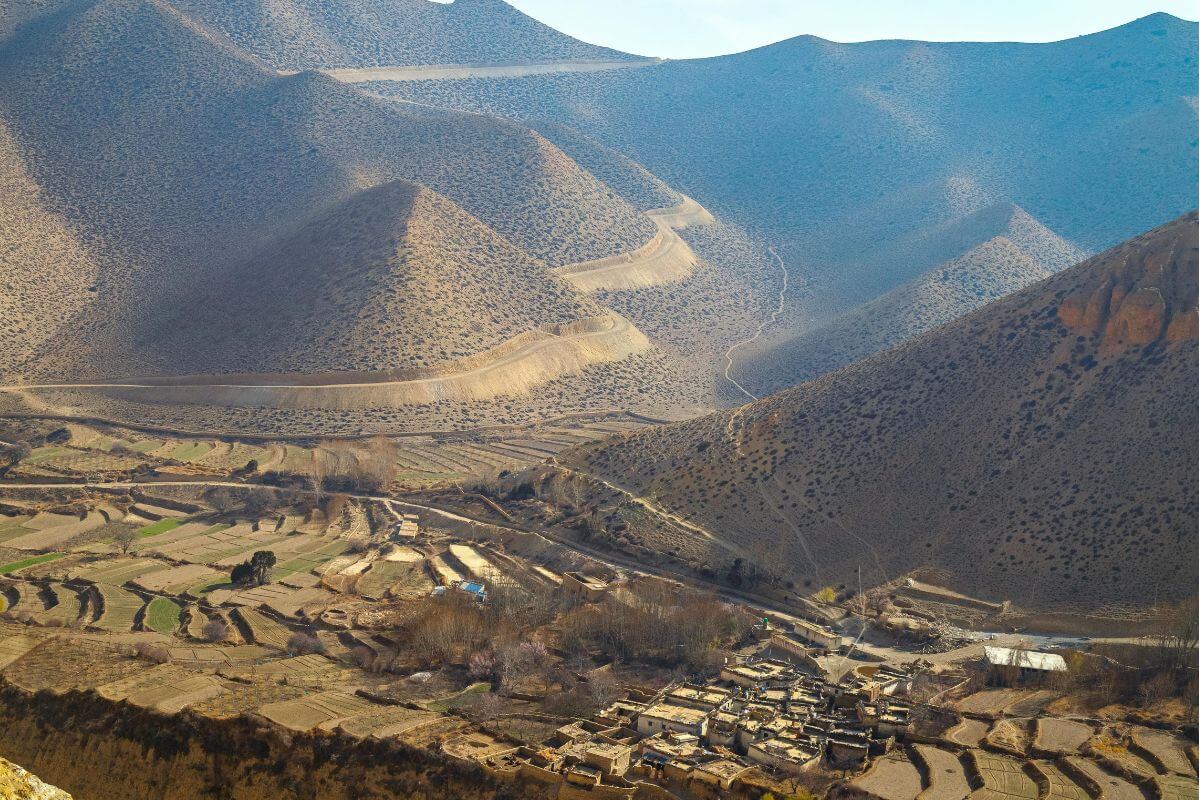
- Mustang: Home to the famous Upper Mustang (The Forbidden Kingdom).
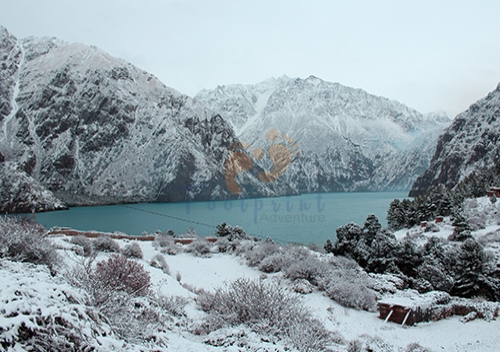
- Dolpa: Includes both Upper Dolpo and Lower Dolpo regions.
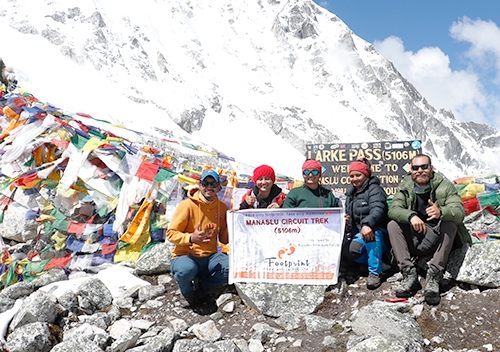
- Gorkha: Covers the Manaslu Circuit and the sacred Tsum Valley.
- Manang: Specifically, the Nar and Phu Valley restricted zones.
- Humla: Essential for Simikot and the Limi Valley (Mt. Kailash routes).
- Taplejung: Home to the Kanchenjunga Base Camp treks.
- Sankhuwasabha: The remote approaches to Makalu and the Barun Valley.
- Solukhumbu: Specifically, the remote northern zones near the Tibetan border.
- Dolakha: Covers the Rolwaling Valley and Gauri Shankar regions.
- Rasuwa: Specific restricted zones in Northern Langtang.
- Mugu: The untouched wilderness around Rara Lake's restricted border zones.
- Bajhang: Remote Northwestern trails.
- Darchula: Far-Western frontier treks like Api and Nampa.
Nepal Trekking Cost in 2026: Is It More Expensive?
With the move to digital permits and mandatory guides, the "on-paper" cost has risen, but the value has improved.
Understanding the 2026 Pricing
- Mustang/Dolpo Fees: These remain the most expensive, often starting at $50 per day.
- Guide Salaries: Expect to pay between $30 and $40 per day for a licensed professional.
- Agency Service Charges: Agencies charge a fee to manage the legal responsibility of your rescue and logistics.
Budget Management Tips
- Form a Small Group: Splitting a guide's daily wage among 3-4 people significantly lowers your per-person cost.
- Pre-Season Booking: Booking early often allows agencies to lock in better rates for tea houses and local transport.
Why Nepal Updated Its Trekking Rules
These changes were supported by the Trekking Agencies’ Association of Nepal (TAAN) to fix three major issues:
- Safety: Too many solo travelers were going missing in remote border zones.
- Economy: Ensuring tourism dollars reach local guides and porters directly.
- Infrastructure: Using digital permits to better track trail capacity and prevent environmental "over-trekking."
Final Thoughts: Trekking in Nepal is Still Simple
While the rules have shifted, the spirit of Himalayan adventure hasn't. With the 2026 solo permit allowance, the mountains are actually more open to independent-minded travelers than ever before; you just have to bring a local friend (your guide) along for the ride.
Book with Footprint Adventure so that you can travel worry-free in these restricted areas. Contact us today!
FAQs on Solo Trekking in Nepal 2026
Can I trek solo in Nepal in 2026?
Yes, solo permits are now allowed, but you must still trek with a licensed guide through a registered agency.
Do I need a guide for trekking in Nepal?
Yes, a licensed guide is mandatory for restricted areas and most popular trekking routes.
Can I apply for trekking permits by myself?
No, permits for restricted areas must be arranged through a registered trekking agency.
What is the new guide-to-trekker ratio in Nepal?
The new guide-to-trekker ratio in Nepal is 1 licensed guide for up to 7 trekkers.
Which areas in Nepal require special trekking permits?
Restricted areas include Upper Mustang, Manaslu, Tsum Valley, Nar Phu, Dolpo, and other remote regions.
Is trekking in Nepal more expensive now?
Costs are slightly higher due to guide and agency requirements, but they improve safety and overall experience.