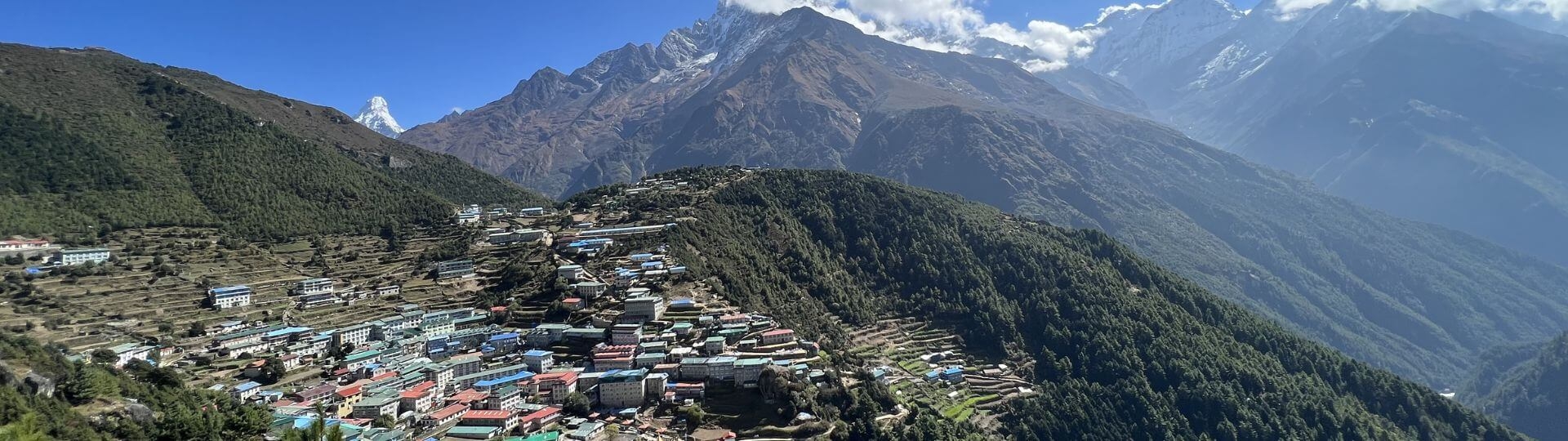
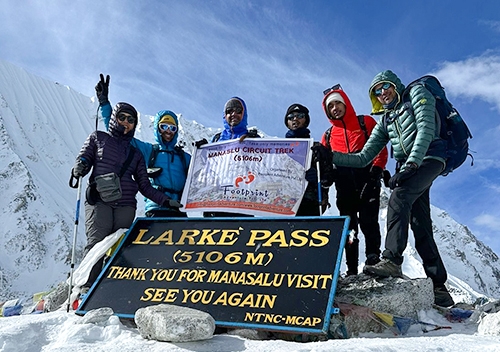
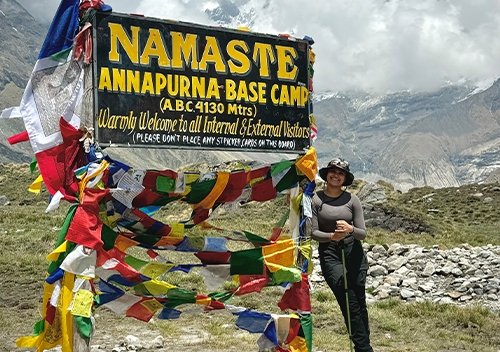
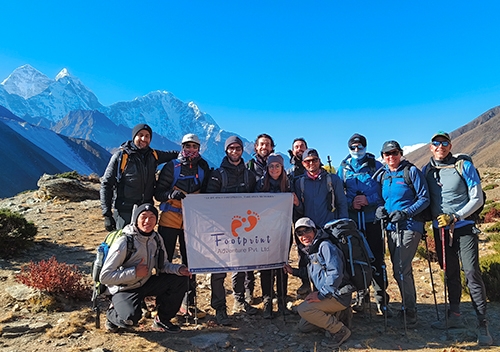
While trekking in Nepal is generally safe, travelers should understand how to avoid trekking scams in Nepal before planning their trip. Nepal is one of the world’s top trekking destinations. Routes such as Everest Base Camp, Annapurna Base Camp, and the Manaslu Circuit attract thousands of hikers each year.
Most trekking agencies in Nepal operate professionally and follow tourism regulations. However, a few dishonest operators occasionally target tourists with misleading offers or unnecessary services. These situations can involve fake trekking companies, hidden costs, or questionable rescue arrangements.
Learning how to avoid trekking scams in Nepal helps travelers protect their budget and safety. By choosing licensed operators, understanding trekking permits, and asking the right questions, you can enjoy a smooth and secure Himalayan adventure.
At Footprint Adventure, we believe informed travelers make the best trekking decisions. This guide explains the most common trekking scams in Nepal and practical steps you can take to avoid them.
Are Trekking Scams Common in Nepal?
Trekking scams are not widespread in Nepal. The country’s tourism economy depends heavily on trekking, so most companies maintain high standards of service and safety.
However, like many major travel destinations, a few issues occasionally occur. Some tourists have reported tourist scams in Nepal related to trekking services, such as:
- Fake trekking agencies
- Unlicensed trekking guides
- Unclear pricing structures
- Unnecessary helicopter evacuations
Understanding how to avoid trekking scams in Nepal allows travelers to recognize warning signs and choose reliable trekking operators.
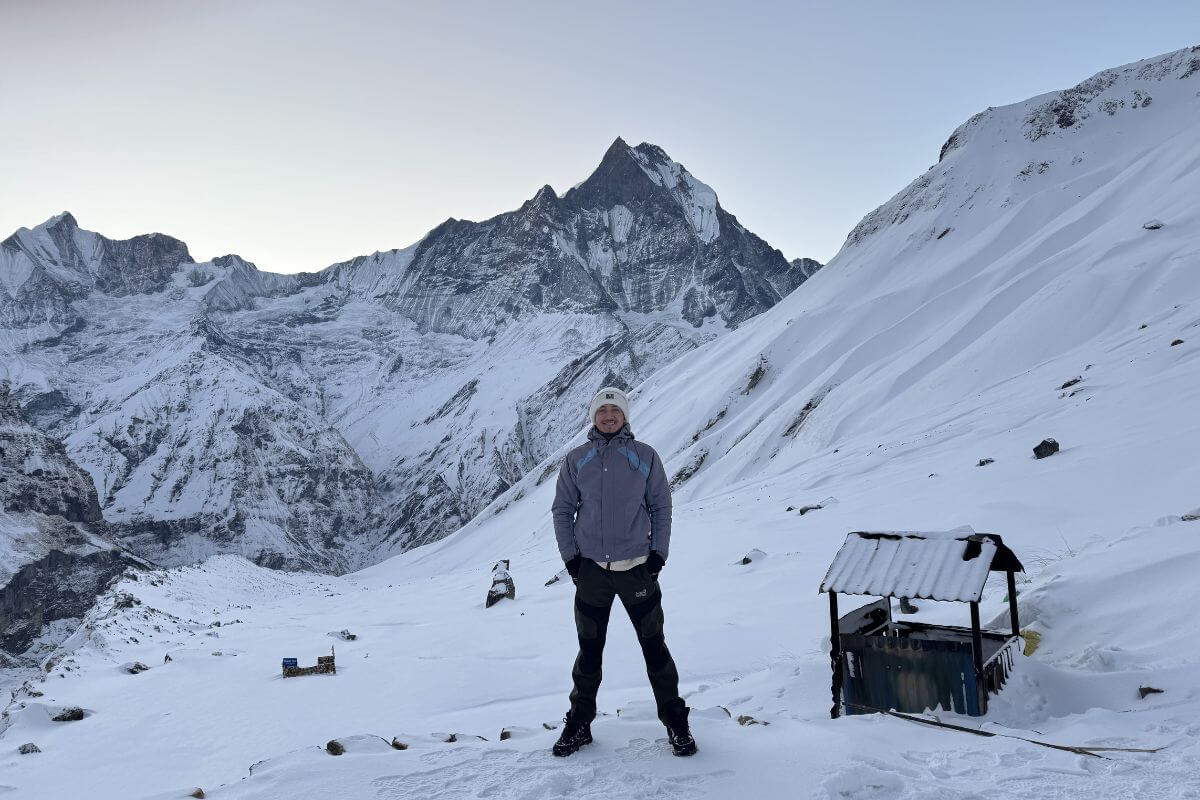
Most Common Trekking Scams in Nepal
Understanding the typical scams reported by trekkers is the first step in learning how to avoid trekking scams in Nepal.
Fake Trekking Companies Nepal
One common issue involves fake trekking companies in Nepal that advertise extremely cheap trekking packages. These operators may not be registered with government tourism authorities or trekking associations.
Risks of booking with unlicensed companies include:
- Poor safety standards
- Untrained guides
- Missing trekking permits
- Unreliable logistics
To avoid this problem, always verify the company’s registration with the Nepal Tourism Board and trekking industry associations.
Helicopter Rescue Scam Nepal
The helicopter rescue scam in Nepal has received international attention in recent years. In some cases, trekkers are encouraged to take a helicopter evacuation even when it is not medically necessary.
The helicopter rescue is then billed to the traveler’s insurance provider at a high cost. To prevent this situation, trekkers should only accept a helicopter evacuation when it is clearly required for medical safety.
Unauthorized Trekking Guides
Some individuals offer guiding services directly to tourists in busy areas such as Thamel in Kathmandu or Lakeside in Pokhara. These guides may not have formal training or licenses. Hiring an unregistered guide can create safety risks, especially during high-altitude treks.
Understanding how to choose a trusted trekking company in Nepal helps ensure that your guide has proper experience and certification.
Overpriced Trekking Packages
Another issue involves unclear pricing structures. Some trekking operators promote very cheap packages but later add additional charges during the trip. These costs may include:
Clear communication about the itinerary and inclusions helps ensure safe trekking in Nepal without unexpected expenses.
Warning Signs of Trekking Scams in Nepal
Recognizing early warning signs is an important part of learning how to avoid trekking scams in Nepal. Common red flags include:
- Trekking packages priced far below market rates
- Companies without official registration
- Pressure to book immediately
- Vague trekking itineraries
- Unclear permit arrangements
When you notice these warning signs, it is better to research other options before confirming your booking.
How to Avoid Trekking Scams in Nepal?
Following a few simple precautions can help travelers enjoy trekking in Nepal without unnecessary risks.
Book with a Registered Trekking Company
The most effective way to understand how to avoid trekking scams in Nepal is to work with a licensed trekking operator. Registered agencies follow official tourism regulations and maintain safety standards for Himalayan expeditions.
Check Reviews and Reputation
Online reviews provide useful insights into a company’s reliability. Reading feedback from previous trekkers can help identify trustworthy operators and avoid potential scams in Nepal tourism. Look for companies that have consistently positive reviews and long experience in organizing treks.
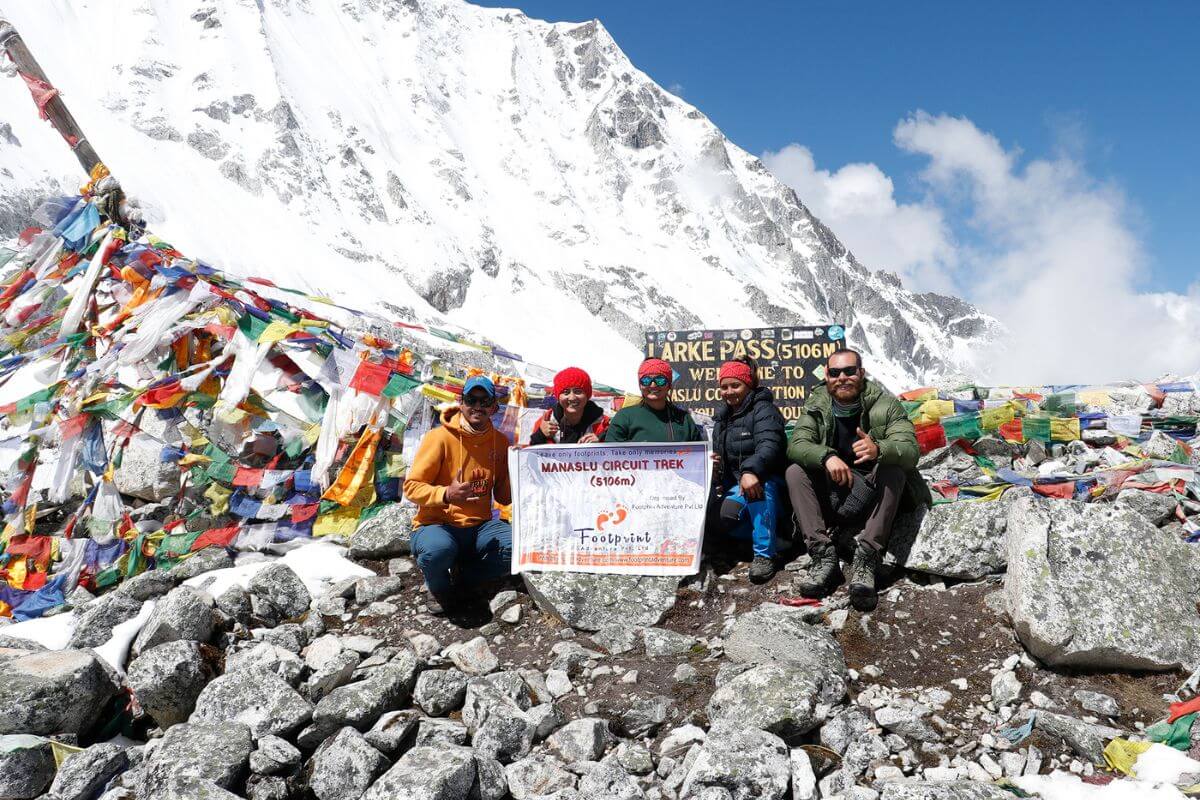
Understand the Trekking Package
Before booking, ask for a detailed breakdown of the trekking itinerary and costs. A transparent trekking company will clearly explain the following:
Accommodation arrangements
- Transportation logistics
- Permit costs
- Guide and porter services
- Meals during the trek
Clear information helps ensure safe trekking in Nepal without hidden charges.
Confirm Trekking Permits
Permits are required for most trekking regions in Nepal. These may include conservation area permits or national park entry permits. Confirming permits through official channels is an important step in avoiding travel scams in Nepal.
Be Careful with Helicopter Evacuations
Helicopter rescues are an important safety option during emergencies in the mountains. However, they should only be used when necessary.
If someone recommends a helicopter evacuation during a trek, it is important to understand the medical reason behind it. In genuine emergencies, experienced guides will make the decision based on your health and safety.
Why Trekking with a Trusted Company Matters?
Choosing a reliable trekking operator improves both safety and organization. Professional trekking agencies manage permits, guides, transportation, and logistics throughout the journey.
Working with experienced guides also helps prevent misunderstandings or safety risks in remote mountain areas. Selecting the right operator is a key step in understanding how to choose a trekking company in Nepal.
Why Choose Footprint Adventure?
At Footprint Adventure, we focus on transparency, safety, and responsible tourism. Our trekking services include:
- licensed and experienced mountain guides
- clearly defined trekking itineraries
- transparent pricing with no hidden costs
- properly arranged trekking permits
- strong commitment to trekking safety Nepal
Footprint Adventure also promotes sustainable travel practices that respect local communities and mountain environments. By following ethical trekking standards, we help travelers enjoy the Himalayas while avoiding potential trekking scams in Nepal.
Final Thoughts
Nepal remains one of the most rewarding trekking destinations in the world. While a few issues occasionally occur in the tourism industry, most treks are organized safely and professionally.
Understanding how to avoid trekking scams in Nepal helps travelers recognize warning signs, verify trekking companies, and plan their journey responsibly. With proper preparation and the support of experienced trekking operators, you can enjoy a safe and unforgettable Himalayan adventure.
At Footprint Adventure, we are committed to helping travelers explore Nepal responsibly while ensuring a secure and unforgettable trekking experience. Contact us for an unforgettable journey!
FAQ on How to Avoid Trekking Scams in Nepal
Are trekking scams common in Nepal?
No, trekking scams are not common in Nepal. Most trekking companies operate honestly and professionally. However, travelers should still research carefully and book with licensed trekking agencies to avoid potential issues.
What is the helicopter rescue scam in Nepal?
The helicopter rescue scam refers to situations where trekkers are encouraged to take unnecessary helicopter evacuations so operators can claim money from travel insurance companies. Trekkers should only accept a helicopter rescue in genuine emergencies.
How can I verify a trekking company in Nepal?
You can verify a trekking company by checking whether it is registered with the Nepal Tourism Board and the Trekking Agencies Association of Nepal. Online reviews and traveler feedback can also help confirm the company’s credibility.
Is it safe to trek in Nepal with a guide?
Yes, trekking with a professional guide is one of the safest ways to explore the Himalayas. Guides provide navigation, cultural insight, and assistance in case of emergencies during the trek.
What permits are required for trekking in Nepal?
The permits required depend on the trekking region. Common permits include the TIMS card, national park permits, and conservation area permits.