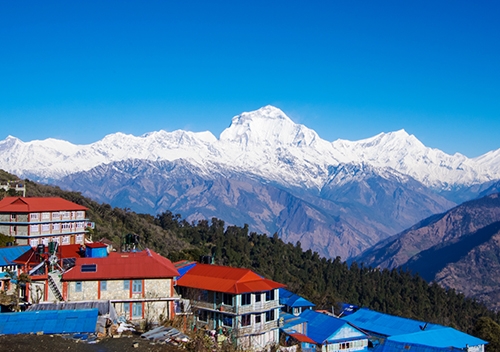
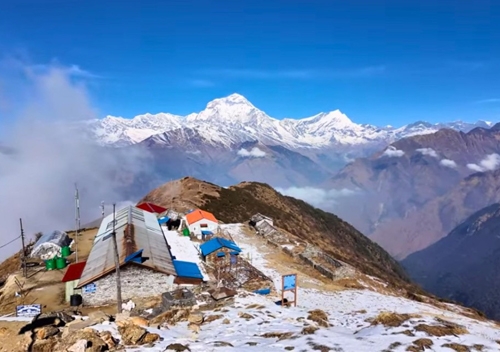
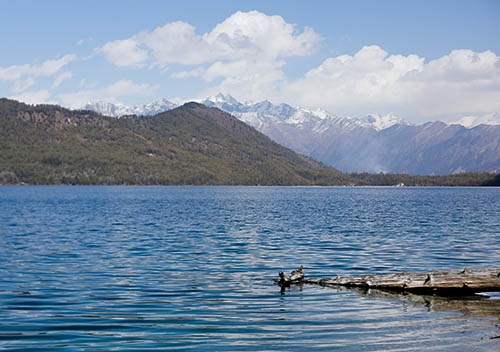
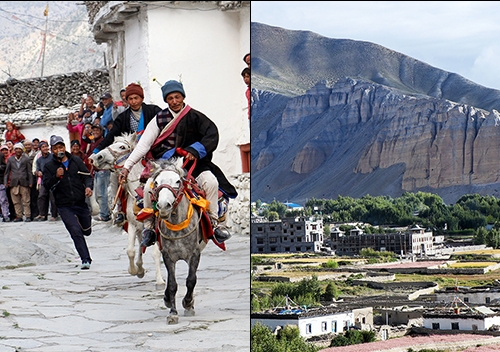
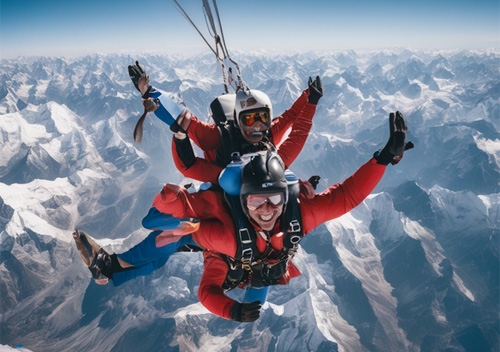
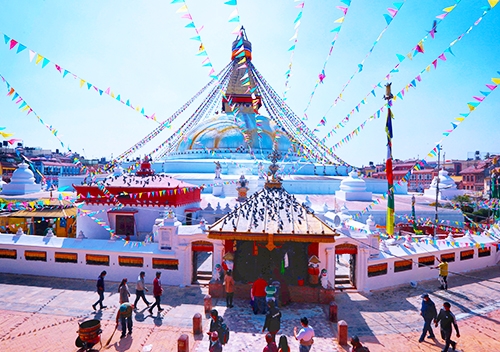
Nepal doesn't give you average photos. It gives you the kind of shots that stop people mid-scroll.
Most travelers leave Nepal with only a fraction of the photos they could have taken, sticking to well-known locations, missing the light, and skipping the hidden gems. Whether you're a seasoned travel photographer or someone chasing killer Instagram content, this guide covers the best photography spots in Nepal: the iconic, the underrated, and the ones most tourists walk right past.
Why is Nepal a Paradise for Photography?
When photographers talk about the most beautiful places in Nepal, they always come back to one word: variety. Nowhere else packs this much visual diversity into a single country.
You have the Himalayas turning pink and gold at sunrise, ancient cities with thousand-year-old temples, turquoise glacial lakes, high-altitude deserts, and jungle lowlands draped in morning mist. The light at altitude is thinner, cleaner, and more saturated than anywhere at sea level. And Nepal's cultural depth, Buddhist stupas, Hindu festivals, and prayer flags over cobblestone streets give photographers human stories layered into every frame.
For anyone looking for stunning photography, Nepal is simply unmatched.
Top 10 Instagrammable Places in Nepal
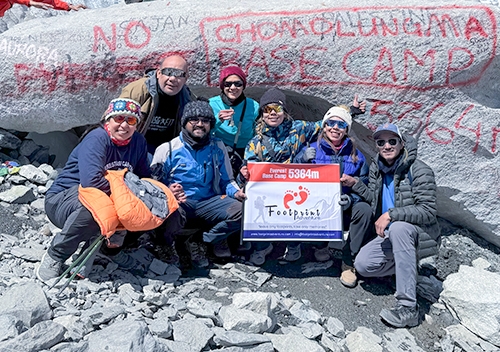
1. Everest Base Camp – The Ultimate Himalayan Shot
The real prize isn't base camp itself; it's Kala Patthar, the viewpoint above it at 5,545 meters. Standing above the clouds at sunrise, watching the sun catch Everest's peak while orange and pink spill across the horizon, with prayer flags in the foreground, no filter required. This is arguably the single most dramatic Nepal photo spot on earth.
Key details:
- Duration: 12 to 14 days round trip from Lukla
- Difficulty: Moderate to challenging
- Maximum altitude: 5,545 meters (Kala Patthar)
- Best shot: Sunrise panorama from Kala Patthar with Everest behind you
Learn more about the route in our detailed Everest Base Camp Trek guide and real experiences in our Everest Base Camp blog.
Ready to photograph Everest? Our team can help you plan a customized EBC trek around the best light windows of the year. Plan Your Everest Photography Trek
2. Poon Hill – Sunrise Viewpoint
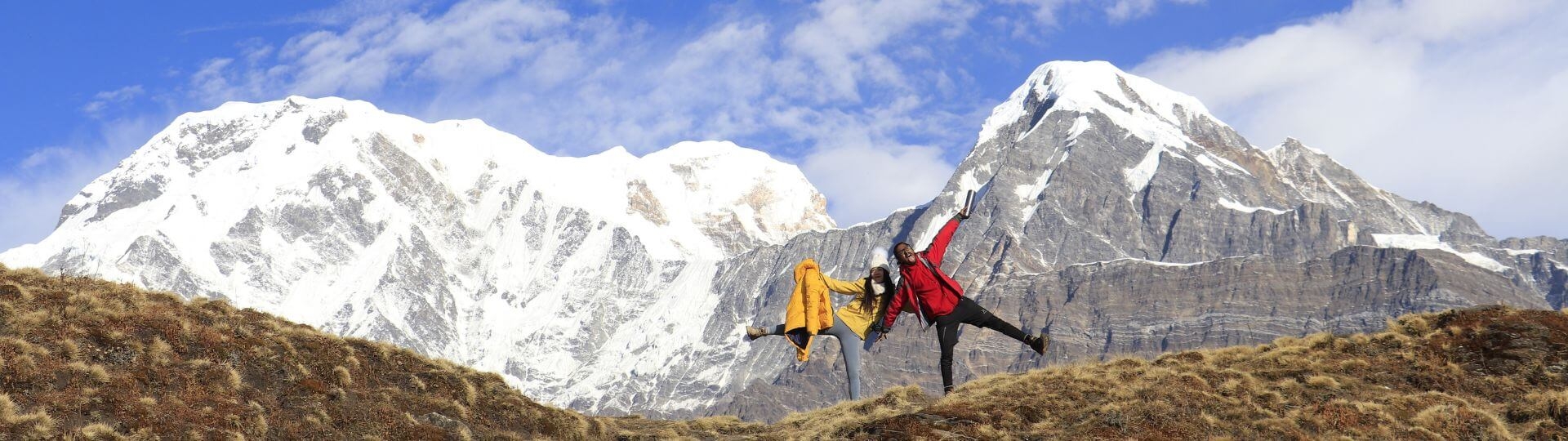
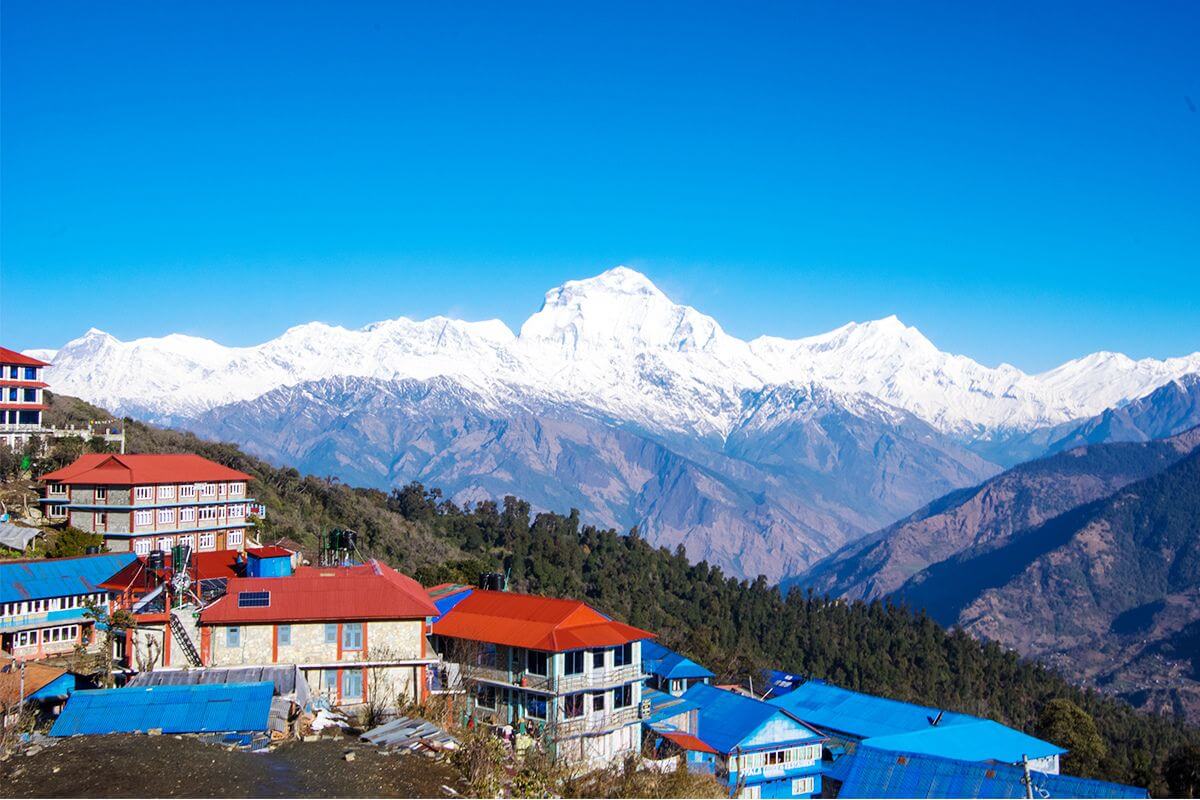
One of the most Instagrammable places in Nepal that beginner trekkers often overlook because it's labeled "easy." Don't make that mistake. Poon Hill delivers a 180-degree sweep of the Annapurna and Dhaulagiri ranges bathed in golden light, with over a dozen peaks above 7,000 meters visible from a single vantage point.
Key details:
- Duration: 3 to 5 days
- Difficulty: Easy
- Maximum altitude: 3,210 meters
- Best shot: Sunrise panorama with Annapurna South, Hiunchuli, and Machhapuchhre lined up
Full route details are available in our Ghorepani Poon Hill Trek guide.
3. Gokyo Lakes – Turquoise Reflections
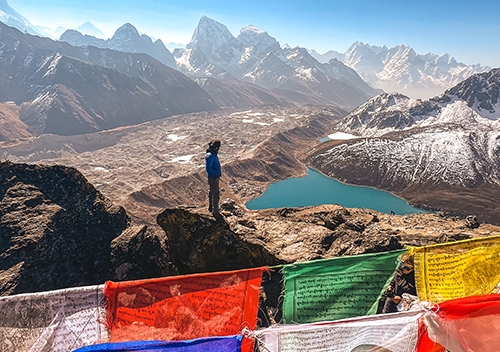
The color of these high-altitude glacial lakes is hard to believe until you see it, an intense, almost electric turquoise produced by glacial sediment and high-altitude light. On a still morning, the surface mirrors surrounding peaks so perfectly that photos look Photoshopped. They're not. This is one of the most scenic places in Nepal and consistently one of its top photography locations.
Key details:
- Duration: 10 to 12 days
- Difficulty: Moderate
- Maximum altitude: 5,357 meters (Gokyo Ri viewpoint)
- Best shot: Morning reflections of Cho Oyu in the lake surface
Explore the full route in our Gokyo Lakes Trek guide.
4. Upper Mustang: Nepal's Hidden Desert
Upper Mustang is visually unlike anywhere else in Nepal, with red and ochre cliffs, wind-carved canyons, whitewashed monasteries, and cave dwellings carved directly into rock. The walled city of Lo Manthang looks like something from a fantasy novel. Because visitor numbers are controlled by a restricted area permit, you rarely have to fight crowds for your shot.
Key details:
- Duration: 12 to 14 days
- Difficulty: Moderate
- Maximum altitude: Around 3,840 meters
- Best shot: Lo Manthang city walls with the Mustang desert stretching behind, golden hour light on the red cliffs
Interested in off-the-beaten-path Nepal? We specialize in customized itineraries to restricted areas, including Upper Mustang. Inquire About a Custom Trek
5. Rara Lake – Nepal's Hidden Blue Gem
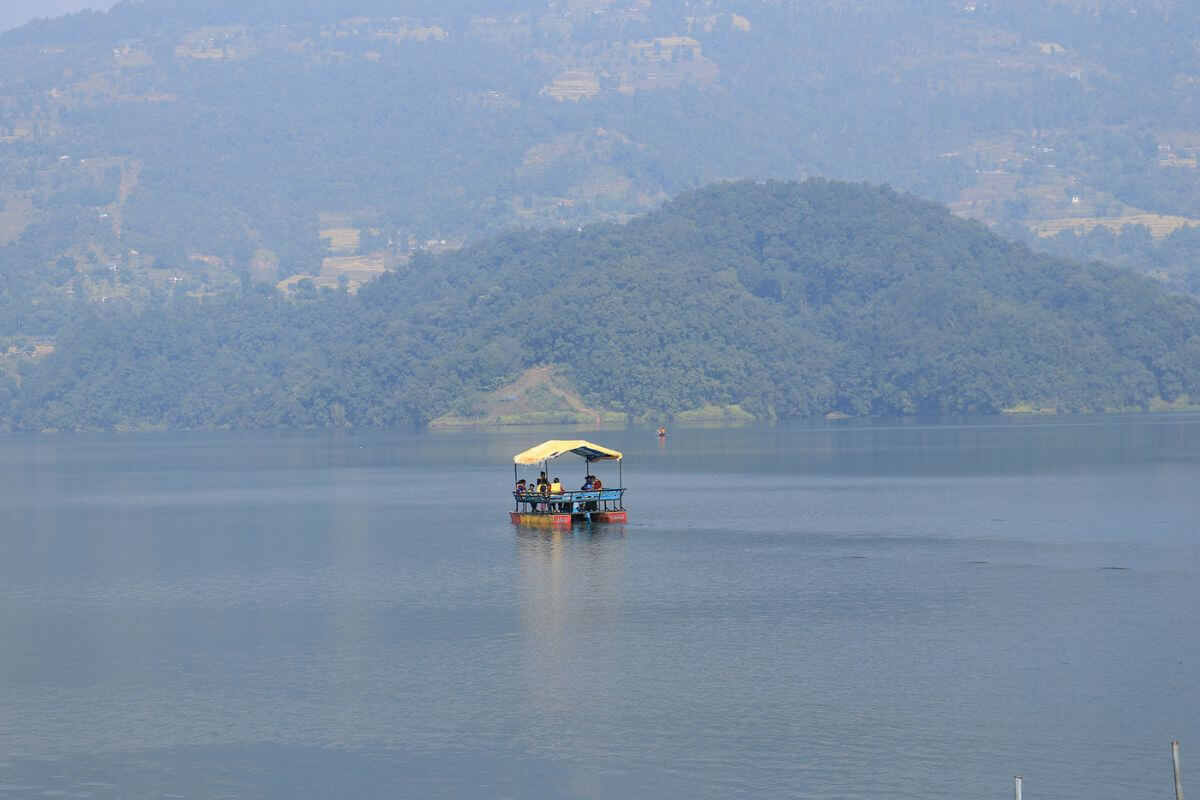
Rara Lake offers something increasingly rare in Nepal photography locations: genuine solitude. The largest lake in Nepal shifts between sapphire, cobalt, and teal depending on time of day and cloud cover. Surrounding Rara National Park adds pine forest, wildlife, and misty mornings to the visual mix. Reflection photography here is exceptional; the lake is often completely still at dawn.
Key details:
- Duration: 8 to 10 days
- Difficulty: Moderate
- Maximum altitude: 2,990 meters
- Best shot: Morning reflections with the forest treeline mirrored in the lake
Details on the full route are available in our Rara Lake Trek guide.
6. Pokhara and Phewa Lake - Classic Reflection Shot
The reflection of Machhapuchhre (the fishtail peak) in Phewa Lake at sunrise is one of the most reproduced images in Nepal travel photography and is still magical in person. Colorful wooden boats, a lakeside temple, and morning mist rising off the water give photographers multiple layers to work with in a single frame.
Key details:
- Duration: 1 to 2 days for photography
- Difficulty: Easy
- Maximum altitude: 822 meters
- Best shot: Sunrise reflection of Machhapuchhre from the eastern lakeshore or from a rowboat
For more on what to see and do, explore our Pokhara travel package.
7. Kathmandu Durbar Square - Cultural Frames
A UNESCO World Heritage Site packed with ancient temples, royal palace walls, and daily street life that has barely changed in centuries. For Nepal Instagram spots rooted in culture rather than landscape, Kathmandu Durbar Square is the anchor. Carved window frames, deity shrines draped in marigolds, and locals at morning puja with 16th-century architecture as a backdrop: it's endlessly photogenic.
Key details:
- Duration: Half day minimum for serious photography
- Difficulty: Easy
- Best shot: Temple doorways with local people in frame, street scenes at morning puja
Visiting Kathmandu? Let us help you build a photography-focused itinerary that covers Kathmandu's heritage squares without the rush. Plan a Cultural Photography Day Tour.
8. Boudhanath Stupa - Spiritual Aesthetic
One of the largest Buddhist stupas in the world and one of the most photogenic places in Nepal. The white dome, gilded tower, all-seeing painted eyes, and thousands of prayer flags radiating outward make it nearly impossible to photograph badly. Monks in maroon robes completing their kora add human scale and cultural depth to every frame.
Key details:
- Duration: 2 to 3 hours, ideally timed for golden hour
- Difficulty: Easy
- Best shot: Wide-angle from the rooftop cafes around the stupa during evening golden hour; prayer flags as leading lines
9. Mardi Himal Trek – Above the Clouds
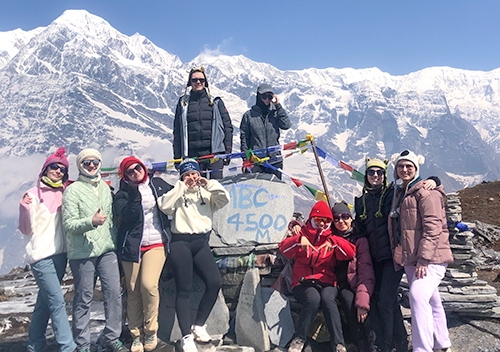
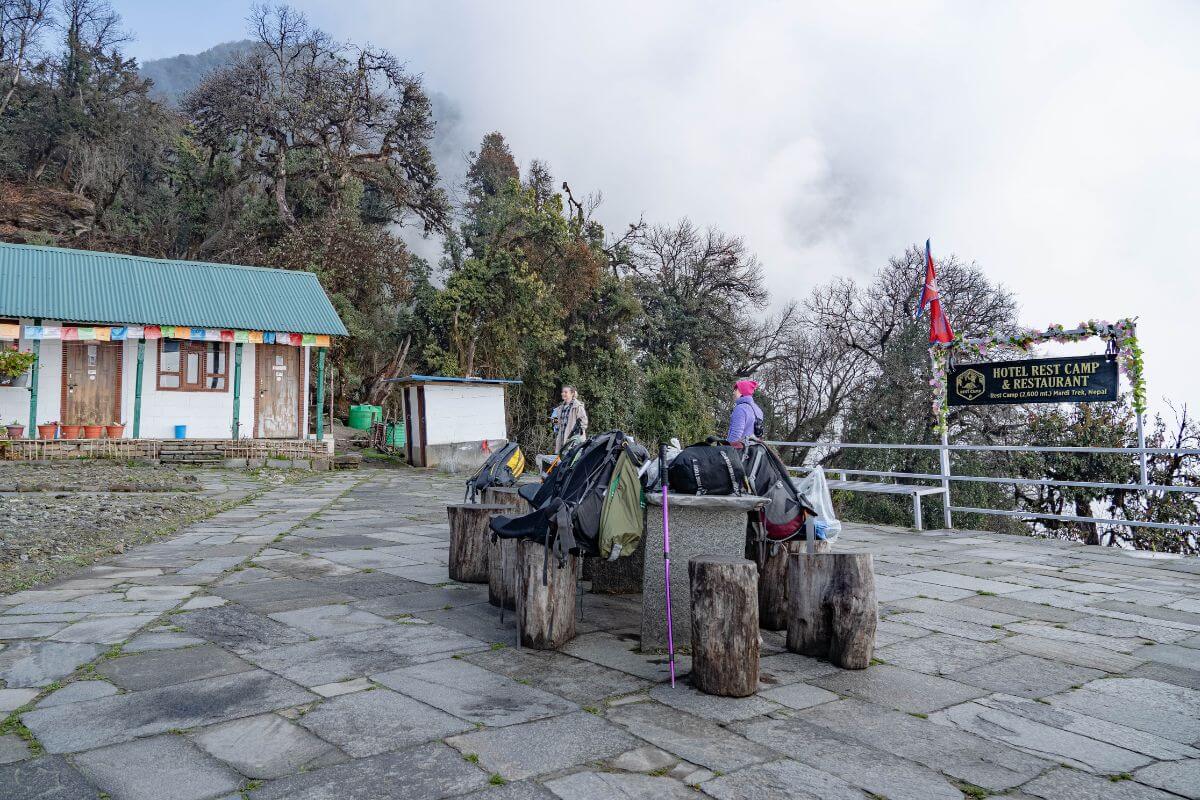
The high camp on the Mardi Himal ridge at ~4,500 meters offers something genuinely cinematic: walking above a sea of clouds while massive peaks tower above you. Wide-angle shots of the trail disappearing into the mist with Machhapuchhre looming behind are the signature images of this trek, and because Mardi Himal flies under the radar, you get those shots without crowds.
Key details:
- Duration: 5 to 7 days
- Difficulty: Moderate
- Maximum altitude: 4,500 meters (High Camp)
- Best shots: Ridge trail above the cloud layer, Machhapuchhre close-up from high camp
Learn more details in our Mardi Himal Trek guide.
10. Khopra Danda – Offbeat Mountain Viewpoint
Khopra Danda rivals Poon Hill for sunrise impact but draws a fraction of the visitors. Sweeping views of Dhaulagiri, the Annapurna range, and the Kali Gandaki Valley far below make this one of the most rewarding, best places for photography in Nepal that most tour operators don't even mention. For photographers, that's the point.
Key details:
- Duration: 5 to 7 days
- Difficulty: Moderate
- Maximum altitude: 3,660 meters
- Best shot: Sunrise mountain panorama from the ridge
Visit Footprint Adventure for full route information in our Khopra Danda Trek guide.
When is the Best Time for Photography in Nepal?
The best time for photography in Nepal depends on what you want to capture. March-May and September-November give the clearest mountain views and, in spring, rhododendron forests in full bloom. The off-season is cold but clear, with long, moody shadows that add drama to mountain scenes.
Peak Season (March-May and September-November):
October and November offer the sharpest mountain views of the year, freshly washed air, intensely blue skies, and snow-dusted peaks. Spring adds rhododendron forests in full bloom across the Annapurna and Everest regions.
Off-Season (December-February and June-August)
Cold but crystal clear. Low-angle winter light creates long, moody shadows on mountain faces that serious photographers love.
Monsoon (June-August):
Lush green valleys, dramatic waterfalls, misty cloud scenes, and rich cultural festivals like Teej make this the most unique season for Nepal travel photography if you're willing to work with unpredictable conditions.
Quick Photography Tips for Nepal
- Shoot at golden hour for the best light.
- Travel light and carry only essentials.
- Respect local people and religious sites.
- Check drone rules before flying.
- Bring extra batteries and memory cards.
- Use a tripod for sunrises, sunsets, and low light.
- Protect your gear from weather and dust.
What are the Hidden Photography Spots Most Tourists Miss?
A few Nepal photo spots that punch well above their reputation:
- Pikey Peak: Arguably the finest panoramic view of Everest available anywhere, at a fraction of EBC's effort. Virtually tourist-free at sunrise.
- Mohare Danda: A community trekking route with 360-degree mountain views, rhododendron forests, and an outstanding sunrise viewpoint with almost no other trekkers.
- Tsergo Ri: Above Langtang Valley at over 5,000 meters, with commanding views of Langtang Lirung and the Tibetan Plateau.
- Ruby Valley: A rarely visited valley in the Ganesh Himal region with dramatic landscapes and traditional Tamang villages.
Want to explore beyond the tourist trail? Our team specializes in custom photography treks to Nepal's hidden spots. Design Your Custom Nepal Photography Itinerary with Footprint Adventure.
Final Thoughts
Nepal is not running out of incredible photography spots anytime soon. From the iconic to the completely unknown, this country rewards photographers who take the time to go a little deeper, to stay for the golden hour, to walk the path less taken, and to slow down and look properly.
The Instagrammable places in Nepal covered here range from the world-famous to the virtually unknown, but they all share one thing: the ability to produce images that genuinely don't look like anywhere else on earth. The scale, the culture, and the light combine in a way that's nearly impossible to replicate.
Ready to plan your Nepal photography trip? Reach out to our team and we will help you build an itinerary around your camera and your goals.
Frequently Asked Questions
What is the most Instagrammable place in Nepal?
Kala Patthar at sunrise, the viewpoint above Everest Base Camp, is widely considered Nepal's single most spectacular photography location.
Do I need permits for photography in Nepal?
For general photography in most areas of Nepal, no special permit is needed. However, certain protected areas and restricted regions, like Upper Mustang, require trekking permits that cover all activities, including photography.
Can I fly a drone in Nepal?
Yes, but with significant restrictions. Drones require a permit from the Civil Aviation Authority of Nepal (CAAN) and are prohibited in national parks, near airports, and in several sensitive areas.
Which trek is best for photography beginners?
Poon Hill is the ideal starting point; it is short (3 to 5 days), low difficulty, and delivers one of Nepal's most dramatic sunrise panoramas.