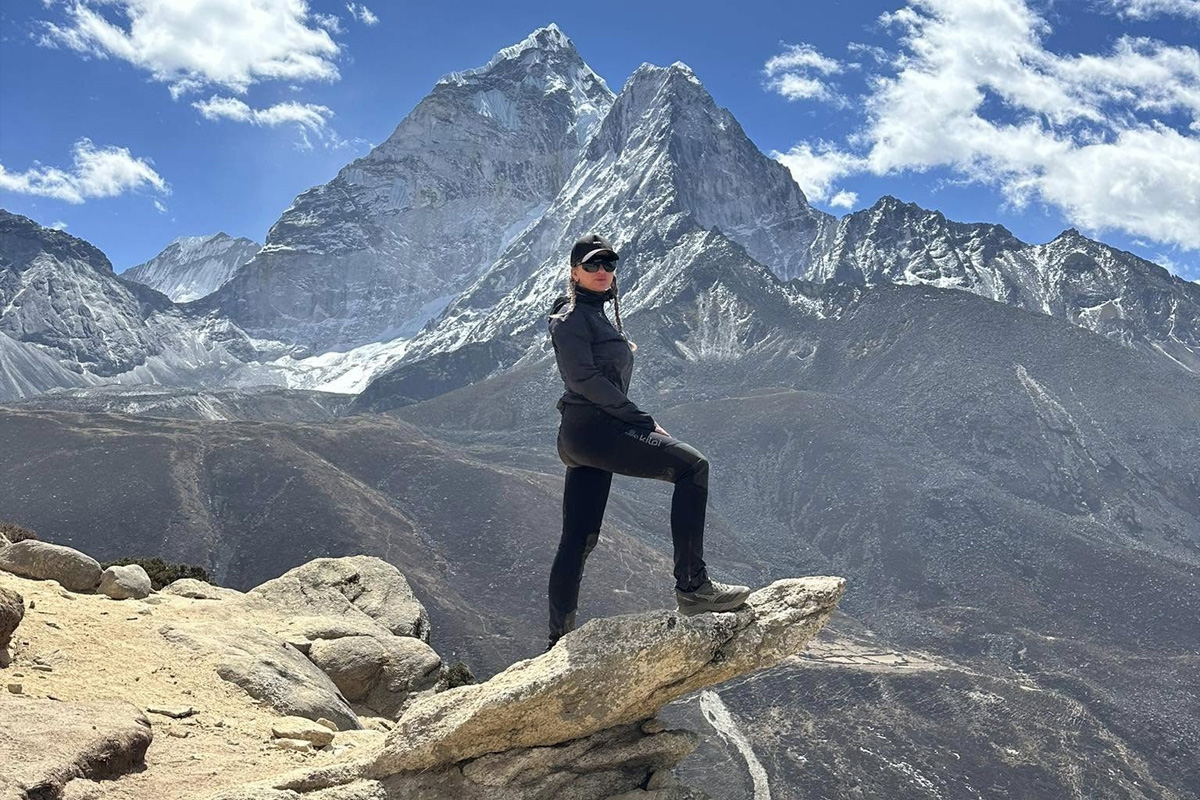
Why Do You Need Proper Training for High Altitude Trekking in Nepal?
Training is necessary for high-altitude trekking in Nepal because most treks go above 3,000 to 5,000 meters, where the risk of AMS increases due to low oxygen levels. Training enhances the capacity of your heart and lungs to adapt to a low-oxygen environment. Most Nepal treks require 5-8 hours of walking every day over steep and uneven trails for days altogether. Strength and endurance training prepares your legs and core muscles for continuous uphill and downhill movement, reduces fatigue, and lowers the risk of altitude-related problems and injuries.
How to Assess Your Fitness Level for High Altitude Trekking in Nepal
To determine your fitness level for high altitude trekking in Nepal, you must undertake a field test with a weighted backpack and hike 10 km on hills to check your ability to handle 5–8 hours of physical activity each day. You should also perform a cardio test, such as running 5 km in under 30 minutes, and conduct a health check to ensure you do not have anemia or heart problems that could worsen at high altitudes in Nepal. Your fitness will be determined by your ability to maintain an easy, comfortable pace while trekking with a full trekking backpack. You should be able to climb stairs for 60 minutes with a backpack without becoming overly tired, and ensure you can handle most treks in Nepal.
First Things First: Nutrition and Hydration Tips for High Altitude Trekking Training
Training for high-altitude trekking requires a lot of energy. Long hikes can burn up to 3,000-5,000 calories per day, so focus your diet on rich carbohydrates, which make up about 60 to 70% of your meals, to sustain energy. For each meal, include lean protein, like meat, eggs, beans, and nuts, to support muscle recovery. Healthy fats can help add extra calories and are found in avocado and olive oil. Avoid high-fiber or raw vegetables before trekking because they may be difficult to digest at altitude.
Hydration is super important both during training and trekking. The high-altitude atmosphere increases water loss from your body through hyperventilation and perspiration, so drink three to four liters of water per day, before and during the trek. Sipping water frequently on the trail aids hydration, and adding supplements like electrolytes through sports drinks or salt tablets helps regain lost minerals from the body. Start each day hydrated, and take small snacks, such as granola bars or trail mix, throughout long workouts to fuel energy and endurance.
Pro Tip: Practice the Oxygen Before Water mantra while walking. The trick is to stabilize your breathing before taking a sip to prevent aspiration. While drinking water is as important as it can be, breathing correctly before you drink is the best way to avoid choking or coughing mid-walk.
Month 1 (Weeks 1–4): Building Base Fitness for High Altitude Trekking
As you prepare for trekking in Nepal, focus on boosting your stamina and getting into a good routine during the first month. Try cardio exercises like walking, cycling, or light jogging 3 to 4 times a week for about 30 to 45 minutes each time. Together, aim to do strength training twice a week, focusing on your legs and core muscles with exercises like squats, lunges, step-ups, and planks. Most importantly, don’t forget to stretch before and after each workout.
Training Plan for the First Month
Day 1: Cardio (Moderate Intensity)
A 30–45 minute session of cardio exercise, such as brisk walking, jogging, cycling, or swimming, at a steady pace so that you can build your aerobic endurance over time.
Day 2: Strength Training (Legs and Core)
Strengthen your legs and core through performing 3 sets of 10 repetitions of each of the following: squats, lunges, step-ups, plank holds for 20-30 seconds. Use bodyweight only at first until you can consistently maintain the proper form.
Day 3: Active Recovery and Mobility
Perform light stretching, yoga, or leisurely walking to relax tight muscles and support muscle recovery.
Day 4: Cardio with Incline or Hills
Complete a 30–45 minute cardio workout that includes uphill movement. Walk on hills, use a stair climber, or set a treadmill to an incline. Stair climbing can also be used to simulate uphill trekking. Add a light backpack if comfortable.
Day 5: Strength Training (Full Body)
Perform a full-body strength workout for 45–60 minutes. Include upper-body exercises such as push-ups or dumbbell rows, core exercises like planks, and leg movements such as squats or lunges. This session helps prepare your body for carrying a backpack during long treks.
Day 6: Long Walk or Hike
Complete a longer walk or hike lasting around 2 hours on moderate terrain. Start with no pack or a light load. Wear trekking shoes and practice using trekking poles if available.
Day 7: Rest and Recovery
Take a full rest day or do very light stretching or walking to allow your body to recover.
Progression
This is the plan you will follow for four weeks (one month). Each week, you will increase the volume and intensity of your training by 5-10% by either adding additional time, elevation, or light weight. Gradually increasing the intensity will enable you to build your body's endurance and allow you to undertake high altitude more seriously.
Month 2 (Weeks 5–8): Improving Endurance and Strength for Trekking and Climbing in Nepal
During the second month of the trekking training schedule, increase the intensity of workouts by adding weight to your exercise. It is essential to perform cardio workouts 3-4 times a week, along with intensity techniques such as interval training, sprints, or High-Intensity Interval Training (HIIT) for 30-45 minutes. Strength training workouts are recommended twice a week with heavy squats, lunges, and step-ups. Single-leg lifts and plyometric training must be a part of it.
Training Plan for the Second Month
Day 1: Interval Cardio
Do 30-40 minutes of running or cycling at a moderate intensity. Add interval training: work harder for 3 minutes and then easy for 2 minutes, repeat this routine 4 times. This will help you build endurance and your heart-lung function, which is helpful while carrying a pack when hiking.
Day 2: Leg Strength with Weight
Perform 3-4 sets with 8-12 repetitions of squats and lunges with dumbbells. One-legged exercises, such as Bulgarian split squats or single-leg deadlifts, will help you achieve strength and balance. Use a backpack with 5-10 pounds of weight during bodyweight exercises. Finish your routine with core training involving planks, side planks, or other exercises.
Day 3: Easy Hike or Recovery
Do 1–2 hours for an easy hike or active recovery. If possible, take the bag weighing 10–15 pounds as you need to get your back used to carrying something. Some easy walking, stretching, or yoga is also okay.
Day 4: Hills or Stairs
Do 30 to 45 minutes of uphill aerobic exercise or any form of cardio. Go jogging or hiking uphill for 3 to 5 minutes, then walk back down to recover. Repeat this process 4 to 6 times. You can also carry a light backpack if you feel comfortable.
Day 5: Full-Body Strength with Load
Do full-body strength for 45–60 minutes by incorporating push-ups or rows, planks, and leg exercises, such as squat jumps or step-ups, with a 10–20 lb pack. Add balance moves like lunges with twists while carrying weight.
Day 6: Long Hike with Pack
Hike 3–5 hours on moderate or rugged terrain with a pack (start 15–20 lb). Aim for 3,000 to 4000 ft elevation gain. Each week, increase either bag weight or hike time.
Day 7: Rest and Recovery
Take a complete rest day or do some light stretching, yoga, or light walking to help your muscles recover and not get injured.
Month 3 (Weeks 9–12): Final Training to Tackle High Altitude Treks
In the third month of the 12-week training plan for trekking in Nepal, the priority is to train on trekking simulation. Engage in cardio training three to four times every week using hills, stairs, or interval training. Strength train two times every week using heavier weights and your backpack, including single-leg movements, jump training, and your core training. Engage in at least one to two long hikes, which is 4 to 6 hours, using close to your goal backpack weight on rugged trails. Stretch or perform yoga after every workout or activity.
Training Plan for the Third Month
Day 1: Recovery / Steady Cardio
Do 45 minutes of light cardio exercise such as jogging, swimming, cycling, or a leisurely hike. The priority is to work comfortably while allowing your muscles a recovery time for intense workouts.
Day 2: Strength Endurance
Engage in a strength workout using larger weights. The squat and lunge should be 1-1.5 times body weight (as heavy as possible without injury). Finish with core exercise such as planks and bird dogs. Always maintain proper training technique.
Day 3: High-Intensity Cardio
Do a HIIT workout. This would involve something like 10 cycles of 1 minute of strenuous running or cycling with 1 minute of rest between cycles. HIIT training raises your cardiovascular fitness and is useful when training at high altitude.
Day 4: Pack Loaded Strength/ Cardio
Do strength and weight training with your pack. Do step-ups and lunges with your pack. Another exercise is to perform 30 minutes on the stair mill with your pack, and then follow with 20 minutes of core training. This strengthens your muscles and trains your posture to carry the pack under fatigue conditions.
Day 5: Flexibility & Recovery
Take a full rest day or do a flexibility session such as yoga. Alternatively, do a light 1–2 hour walk without a pack to loosen legs.
Day 6: Peak Hike
Go on a lengthy and strenuous 5–7 hour hike on uneven terrain, carrying close to your projected pack weight. If at all possible, schedule hikes on consecutive weekends-say, Saturday and Sunday-to simulate multi-day trekking.
Day 7: Hike or Rest
If you're doing back-to-back hikes, complete a 3–4 hour hike with the same or a lighter pack; if not, take a full rest day to recover.
Disclaimer: This is a general training plan and may need adjustments based on your fitness level, health conditions, and specific route. Consider consulting a certified personal trainer or experienced climber for a personalized plan.
Conclusion
The Nepal high-altitude trekking requires consistent training, strength, and stamina. You can gradually build your fitness over a period of 3 months trekking training plan through cardio, strength exercises, hill hikes, and long walks with a backpack. In the first month, you will start with basic workouts; in the second month, you will be able to increase the intensity and weight, while in the third month, you will simulate the real situation. Basically, leg and core strength are required, along with good cardiovascular condition, flexibility of the body, and nutrition and hydration principles. Practice with your trekking gear and get used to carrying your pack. By the end of this plan, you will be able to hike long distances, manage hills with at least a decent grade, and handle your backpacking comfortably, knowing you are confident and ready for a safe and enjoyable high-altitude trek in Nepal.
Frequently Asked Questions
How fit do I need to be before starting a high-altitude trekking training plan?
You will need to have a basic level of fitness, such as the ability to walk quickly for 30-45 minutes and perform bodyweight exercises such as squats and lunges.
Can beginners follow this 3-month training plan?
A beginner can certainly follow this high-altitude training plan. They can make it more manageable by reducing the weight and cardio duration, focusing on a gradual progression.
How many days a week should I train for trekking in Nepal?
Training should be done 5-6 days per week with activities such as cardiovascular exercise, strength training, active recovery, and flexibility.
Do I need a gym for this training plan, or can I train at home?
You can train at home by using weights available, dumbbells, or resistance bands. A gym helps when you use heavier weights, though.
What kind of cardio is best for high-altitude trekking preparation?
The most effective cardiovascular exercises for high-altitude trekking include brisk walking, jogging, cycling, stair climbing, and hill hiking.
How can I improve my stamina quickly for long hikes?
To increase your stamina, you should conduct cardiovascular exercise, interval training, as well as longer hikes with a backpack followed by a nutritious diet.
How important is strength training for trekking and climbing?
Strength training is significant for trekking and climbing because it enhances muscle power in the legs, core strength, as well as the capacity to carry a backpack long distances.
How do I know if I’m ready for my trek at the end of 3 months?
You know you’re ready when you can comfortably hike long distances with your pack and handle hills or stairs without getting overly tired. Being able to maintain your strength and endurance throughout these activities shows your body is prepared for the trek.

.jpg)