Is It Safe to Trek in Nepal During Off-Season?
Trekking in Nepal is possible any time of the year, even during off-seasons. However, the conditions can be volatile, so it is important to prepare consciously. You may encounter snowfall and cold weather in high altitude regions, and there may be flooding or landslides in lowland areas during the monsoon season.
Trekking solo in Nepal is generally discouraged, and trekking during the off-season poses even greater risk. For maximum safety and enjoyment, it is recommended to hire a local experienced guide who knows the trails and understands the weather patterns. Consult a trusted local trekking agency to choose the right trail based on the season, as lower-altitude trekking routes like the Annapurna or Langtang regions are considered safer even in off-season weather conditions. Trekking in Nepal during the off-season can be safer and more memorable if you have a clear plan, the right gear preparation, updated information, and correct guidance.
Best Trekking Routes in Nepal Suitable for Monsoon Season
Distance: 160-230km; Duration:13 days; Difficulty: moderate to challenging
/IMG_3894.JPG)
The Annapurna Circuit is regarded as one of the best treks in Nepal all year round. Whether you trek during the monsoon season, spring, or any season, each season presents a new perspective on this classic trek. A significant benefit of the Annapurna Circuit is that much of the trek is in a rainshadow zone, especially the northern highlands of Manang and Mustang. Therefore, even during the monsoon months of June to August, there is very little rain in these areas, as they are protected by the mighty Annapurna Massif.
While the lower sections of the trail may experience some rainfall, the landscapes turn beautifully lush and lively during this period. Rivers flow strongly, forests grow dense, and colourful rhododendrons bloom across the hillsides. Early mornings often offer the clearest views of majestic peaks such as Annapurna I, II, III, IV, Dhaulagiri, Machhapuchhre, and Gangapurna, before the clouds roll in later in the day.
Distance: 40-60 km; Duration: 8 days; Difficulty: moderate
.jpg)
The Ghorepani Poonhill Trek is a popular hiking destination in Nepal that is also accessible during the rainy season. The hike is short and easy, going through green valleys, terraced fields, and large rhododendron forests, as well as traditional Gurung and Magar villages along the way.
During the rainy season, the trails are usually wet and green, with waterfalls and mist in the valleys. While some days may be cloudy, and others offer clearer views of the mountains, the trek still provides a chance to experience peace in the Annapurna region.
The most notable aspect of this trek is Poon Hill (3,210 m), which provides good viewpoints of peaks like Annapurna South, Dhaulagiri, Machhapuchhre (Fishtail), and Hiunchuli, with clouds often moving across them. Due to fewer tourists, this area is less crowded than in the peak season, while the fresh green environment feels refreshing. For beginning and short-time travelers, it is a practical option for experiencing the Himalayas during the rainy months.
Tamang Heritage Trail
Distance: 55-65km; Duration: 7-8 days; Difficulty: moderate
.jpg)
The Tamang Heritage Trail is one of the most beautiful treks in Nepal, particularly during the monsoon season. This trek offers a route through Tamang Villages, including Gatlang, Tatopani, Thuman, and Briddim and is located within the Langtang region.
During this trek, you will walk along local village paths, cross over cultivated fields, and pass through lush green forests that remain green and full of life due to the increase of moisture from rainfall. The trail is far less travelled compared to other more popular routes, allowing for a peaceful journey along with an intimate experience of the Tamang community.
Homestays in the Tamang community offer hospitality and provide guests with opportunities to experience local food, stories, and culture. The trekkers get a chance to experience food and culture. The visit includes old monasteries, prayer wheels, stone houses, and seeing how the people in the mountains engage in farming and trading. The hot springs in Tatopani are a relief for the body from the tiredness of the day. Furthermore, the monsoon clouds make the atmosphere cool. However, some trails are slippery. Thus, the trek requires cautious walking and appropriate rain gear.
Distance: 40-69 km; Duration:9-10 days; Difficulty: moderate.jpg)
The Mardi Himal Trek is a very popular short trek that is great for the monsoon season in the Annapurna region. The trek passes through forests, terraced agricultural land, and traditional villages before finally reaching the Mardi Himal Base Camp. At the Base Camp, the trekkers will enjoy views of Machhapuchare (the Fishtail peak) and the Annapurna range and Hiunchuli.
Monsoon trekking enables one to see green natural surroundings, flowing streams, waterfalls, and a few people in the Mardi Himal trek. Rhododendron forests and wildlife flourish during this time and present an opportunity for trekkers to get an intimate encounter with nature.
However, the monsoon also possesses some challenges. Heavy rain, slippery muddy trails, thick fog, and many leeches make it difficult to walk. In the monsoon, especially near Forest Camp, Low Camp, and High Camp, trekkers have to be very conscious of the trail. Early morning is the best time to start a hike to Mardi Base Camp before the cloud builds up. Trekkers should carry proper rain gear, wear good shoes, and walk with an experienced guide.
Badimalika Trek
Distance: 50-60 km; Duration: 9-10 days; Difficulty: moderate to challenging
.jpg)
The Badimalika Trek is a scenic and less crowded trail in the far-western region of Nepal, making it a great option for monsoon trekking routes in Nepal. The trail passes through lush forests, terraced fields, and small villages, giving trekkers a close look at local life during the rainy season.
The trek is known mainly for its natural beauty, with flowing rivers, waterfalls, and green landscapes that are especially stunning during the monsoon. Along the route, trekkers can visit traditional villages, interact with local communities, and see small temples and shrines throughout the region.
The Badimalika Trek also involves moderate climbs and some high passes, offering stunning views of the Api and Saipal mountain ranges. As it is one of the off-the-beaten trekking trails in Nepal, the trail remains quiet even during peak seasons, providing a peaceful trekking experience.
Distance:70-115 km; Duration: 8 days; Difficulty: moderate
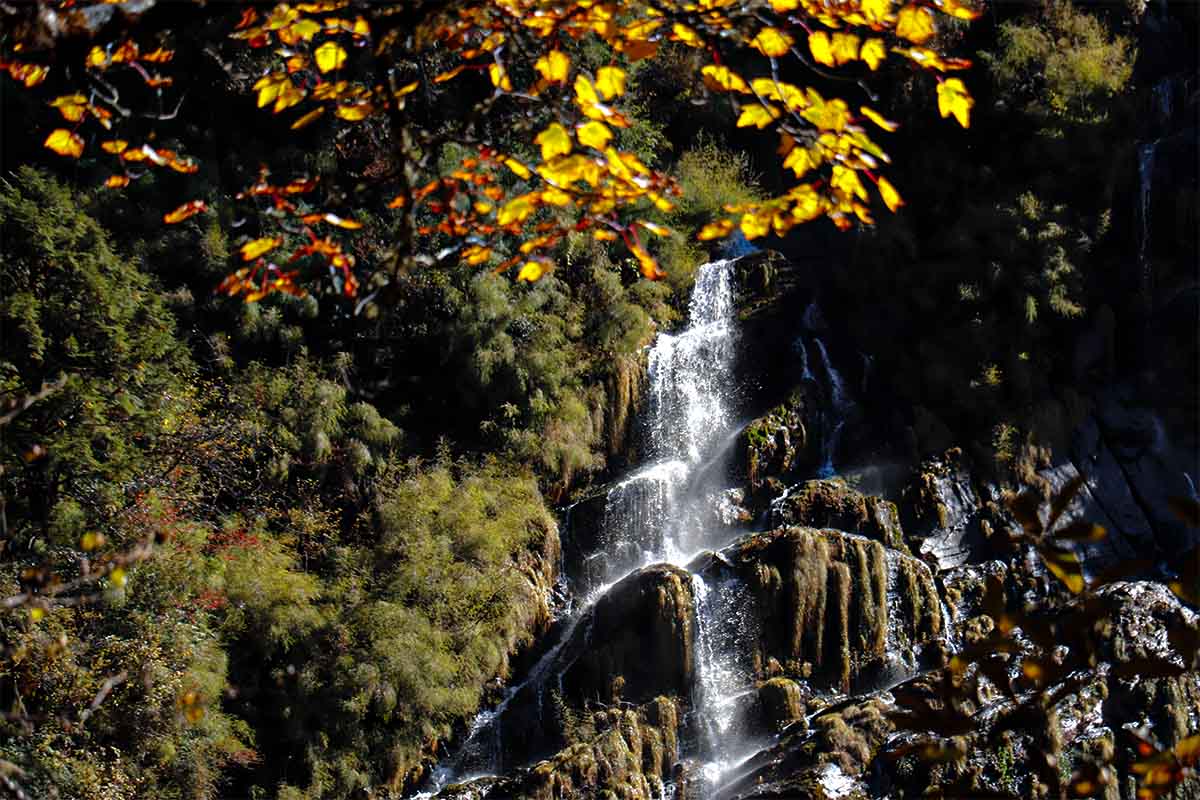
The Annapurna Base Camp (ABC) trek is one of the most popular trekking routes in Nepal, and it is possible to trek year-round, including during the monsoon season. It is a great option for those looking to visit during the low season, as it is usually quieter with fewer trekkers along the trail.
While many trekkers avoid the trail during the monsoon, the lower and mid sections remain accessible, and the route transforms into a lush green landscape. Rivers flow strongly, waterfalls appear along the path, and terraced fields and lush forests make the scenery especially beautiful. Trekkers also get the opportunity to experience local culture, as villagers continue their daily activities, planting crops and grazing livestock.
The trek ends at the Annapurna Base Camp (4,130 m), where you have a chance to view a variety of stunning peaks, including Annapurna II, III, and Machhapuchhre, and many others. Early mornings are often the best time to see the peaks before the clouds come in.
Popular Trekking Routes in Nepal Suitable for the Winter Season
Distance: 50-60 km; Duration: 8 days; Difficulty: moderate
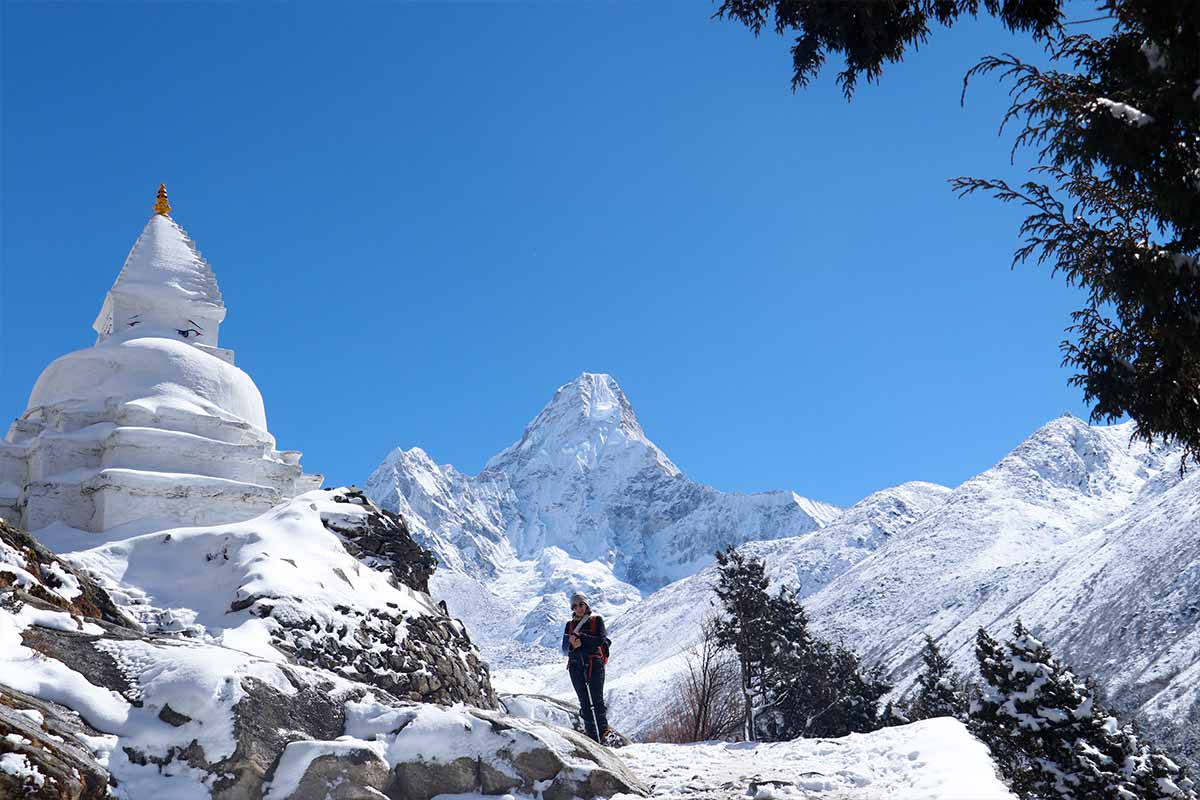
The Everest View Trek, also known as the Everest Panorama trek, is ideal for anyone who wants to take in the scenery of the Everest Region without having to trek all the way to Everest Base Camp. The trek can easily be done in the winter and is one of the top winter trekking routes in Nepal.
The trail takes trekkers through traditional villages and pine forests, along with beautiful, open ridges. Snow doesn't really appear until you get to the high areas of the trek. During the early morning, views of the peaks such as Everest, Lhotse, Nuptse, and Ama Dablam can often be seen crystal clear.
The trek typically travels to Namche Bazaar and has a short hike up to the Everest View Hotel for the stunning views of the mountains. Winter makes the trail quieter with fewer trekkers, which allows for a more pleasant trekking experience and also allows for more meaningful interactions with the Sherpa communities. This trek is perfect for an off-season trek in Nepal that has easy access, beautiful winter skies, and local culture experiences.
Distance: 40-60 km; Duration: 9 days; Difficulty: moderate
The Pikey Peak Trek in the Everest region is one of the most popular winter treks in Nepal, offering wide Himalayan views and peaceful trails. The route passes through rhododendron forests, Sherpa villages, and open ridges with beautiful sunrise and sunset views.
From Pikey Peak, you can see seven 8,000-meter mountains, including Everest, Lhotse, Makalu, Kanchenjunga, Shishapangma, Annapurna, and Manaslu, along with other peaks like Gauri Shankar, Ama Dablam, and Thamserku. During winter, the skies are clear, and light snow adds beauty to the scenery without blocking the trail. The trek is peaceful and less crowded, giving you time to enjoy nature and local culture. It’s a great short trek for those wanting to experience the expansive Everest mountain range in winter.
Distance: 70-80 km; Duration: 11 days; Difficulty: moderate to challenging
.jpg)
The Shey Phoksundo Lake Trek is perhaps one of the most spectacular off-season trekking routes in Nepal, situated in the isolated and scenic Dolpo district of western Nepal. The trail leads to the magical and serene Phoksundo Lake, with its deep turquoise hue.
The trek passes through traditional villages, pine and birch forests, and parts of Shey Phoksundo National Park where wildlife like blue sheep and Himalayan tahr can be seen. Trekkers will even have the opportunity to explore old monasteries and are exposed to the unique local culture influenced by Tibetan Buddhism.
Since Dolpo lies in a rain-shadow zone, the trek can be undertaken even during the monsoon or during the winter. The quiet trail, amazing cliffs, and spectacular views of Shey Phoksundo Lake make the trek one of the great and peaceful experiences for those seeking low-season trekking in Nepal.
Distance: 65-80 km; Duration: 11 days; Difficulty: moderate
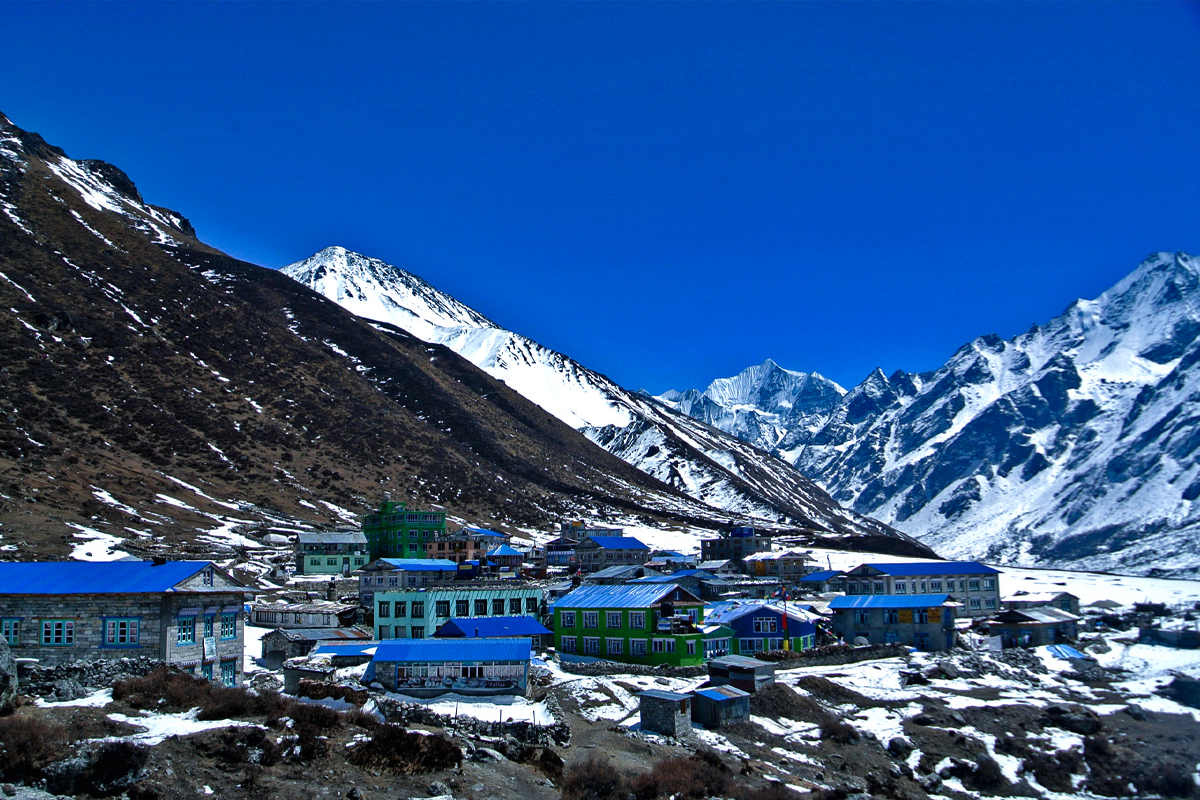
The Langtang Valley Trek is one of the best options for winter trekking in Nepal, offering stunning mountain views, rich culture, and easy access from Kathmandu. Trekkers can enjoy clear winter skies and panoramic views of Langtang Lirung, Ganesh Himal, and Dorje Lakpa. Snow may cover the higher sections, adding beauty to the landscape without blocking the main route. Along the way, trekkers can visit local monasteries and experience the warm hospitality of the Tamang people. This moderate trek is ideal for those looking for peaceful trails and breathtaking scenery during the colder months.
Practical Information for Off-Season Treks in Nepal
During the off-season, permit processing can generally be faster, but trekking permits remain mandatory, and the costs stay the same throughout the year.
All foreign trekkers must obtain the Trekkers' Information Management System (TIMS) card ($17) along with National Park or Conservation Area permits ($25 each), depending on the trekking region, such as Annapurna, Langtang, or Everest.
In restricted areas like Upper Mustang, trekkers must pay $500 for the first 10 days, plus daily charges. Permits for most trekking regions, including Annapurna and Everest, are valid for a single entry and cannot be extended or transferred.
The Nepalese government requires trekking to be done through registered agencies or with licensed guides, especially in restricted areas. For off-season trekking, it is advisable to arrange permits well in advance through trekking agencies, as solo trekking and self-arranged permits are no longer permitted in many regions.
Accommodation and Facilities Available during Winter and Monsoon Treks
During Nepal’s winter season, accommodation is typically available, with less crowded teahouses and lodges, even at high altitude. Temperatures can be very cold in high-altitude areas, and services such as heating, hot water, and meals may be limited. The trails will be quieter and offer peaceful overnight stays, but trekkers will need to be prepared to encounter snow and chilly nights. Larger villages, such as Lukla, Namche Bazaar, Manang and Jomsom, will have better facilities in comparison to the remote areas.
.jpg)
During the monsoon, heavy rains can temporarily shut down lodges in the remote areas or areas prone to landslides. However, rain-shadow areas, such as Upper Mustang and parts of the Annapurna Circuit, will be accessible. Facilities will be basic, focusing on staying dry from the rain as opposed to hot water or heat. Tea houses will either have affordable, simple options for meals, and you should expect somewhere between $15-$25 per day in costs. Off-season trekkers must carry waterproof gear, warm clothing and insect repellent.
Hiring Guide and Porter for Safe Off-Season Trekking
As of April 2023, it is no longer allowed for foreigners to trek solo during both peak and off-peak seasons in most of Nepal's national parks and conservation areas. All foreign trekkers must hire a certified guide or join a group trek for their safety and for regulatory reasons.
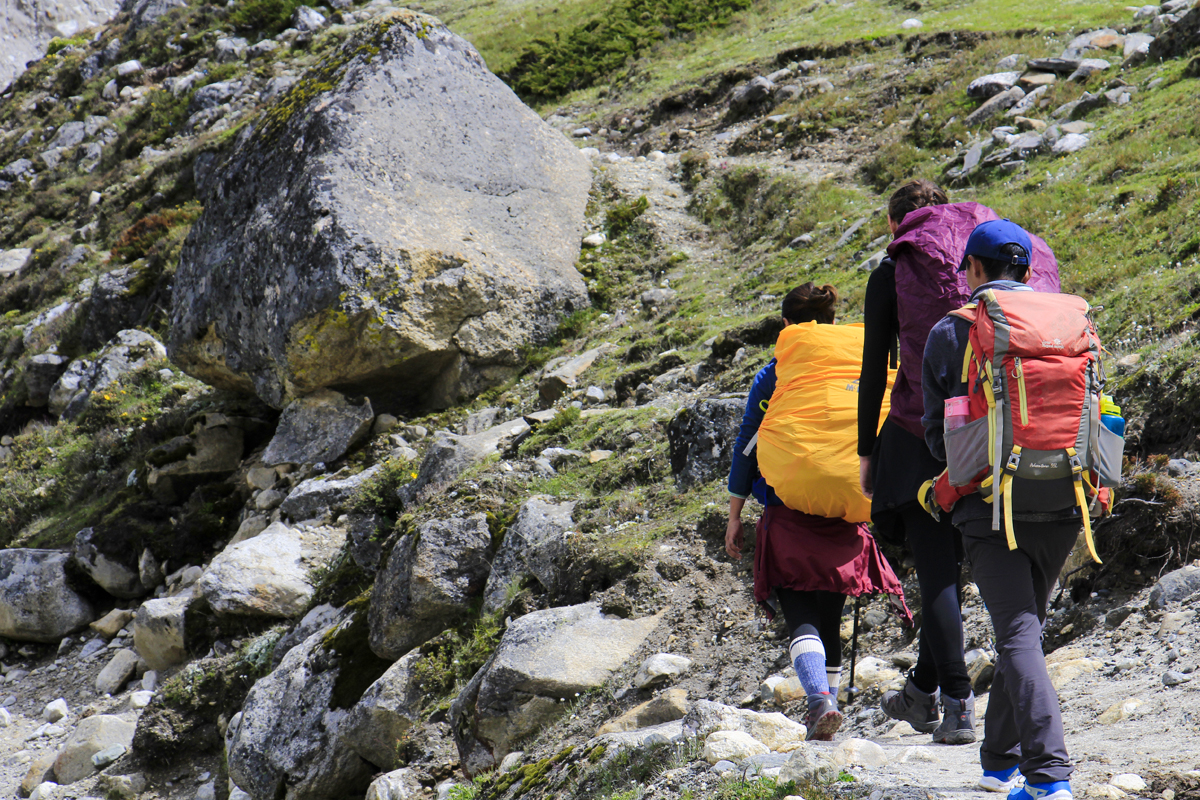
While trekking, guides provide vital support when things go wrong, arrange logistics such as permits and accommodation, and share local knowledge of the routes, terrain, and culture, enhancing both safety and the trekking experience. If you wish to trek independently, you can do so through a registered company that will provide a guide as part of a fully supported package.
Budget and Cost Considerations for Off-Season Treks in Nepal
Nepal's off-season trekking tends to be more affordable because of lower demand amongst tourists, resulting in discounts for accommodation, food, and some services along the trails. Teahouses and hotels offer lower prices during off-season times, making this period more attractive for travelers on a budget. While trekking agencies offer packages to facilitate 7-10 day treks for around $500 to $900, which include permits, accommodation, meals, a guide, a porter, and transport, this can vary from region to region. That said, if you're looking to trek with a guide and a porter, their costs will be the same throughout the year (usually $20 – $30 per day for a guide and $30 – $40 per day for a porter) along with permit fees.
Transportation and Access to Trailheads
Most trekking trailheads in Nepal are accessible by road using tourist buses, local buses, or private jeeps. Popular starting points like Syabrubesi for Langtang and Nayapul for the Annapurna Circuit can be reached this way. Road conditions vary, and rural or mountain roads are often rough and slow, with risks of landslides during the monsoon, so flexibility is important.
Public buses are the cheapest and offer a local experience but can be crowded and less comfortable. Booking in advance is recommended for busy routes such as Machhakhola on the Manaslu Circuit. Private jeeps are more costly but faster and provide direct access to remote villages, ideal for travelers prioritizing comfort and convenience.
Some treks, like Everest Base Camp via Lukla or the Annapurna Circuit via Jomsom, start with domestic flights costing around $200–$450 round trip. These flights are weather-dependent, and during the monsoon, landslides or floods may cause travel disruptions.
Communication and Connectivity on Off-Season Treks
Communication and connectivity during off-season treks in Nepal are generally available but can vary by region. NTC networks work relatively well even at higher altitudes, while Ncell offers better coverage in lower areas. Some lodges provide Wi-Fi for a small fee, though connections may be slow or unstable. During winter or monsoon, heavy snowfall or rainfall can disrupt both mobile and internet services. Trekkers should inform family or agencies about possible delays and carry power banks to stay connected when signals are weak.
Health and Safety Services Along the Trek
Health and safety services are provided along most of Nepal's trekking routes. Major trekking routes have health posts, first-aid stations, and basic medical facilities in larger villages. Some trekking areas also offer rescue services and emergency helicopter evacuations, if required. Facilities are limited in remote areas, so trekkers should carry some basic medicines and travel insurance that covers rescue at high altitude if necessary.
Weather and Trail Conditions in Winter and Monsoon
In the winter, temperatures in the trekking areas of Nepal can vary greatly, especially at higher elevations. In the mid-hills, daytime temperatures generally range from 5°C to 12°C, while in higher elevation areas such as near Everest Base Camp or Annapurna, they can drop to -10°C or even lower at altitudes of 3,000 meters or higher. Trails in mid-hill areas may be covered with snow, and it can be extremely cold at night. You will require warm clothing, solid boots, and winter conditions. Most of the traditional routes will still be open, but some high passes may be closed due to significant snowfall; however, you will want to be aware of weather patterns that affect safety.
Temperatures are generally milder during the monsoon season, ranging from approximately 18°C to 30°C at lower altitudes, but the consistent and heavy rain tends to make trails muddy and slippery. Landslides and leeches are common, and visibility is often low due to mist. Areas in the rain-shadow such as Upper Mustang, Nar Phu Valley, and parts of the Annapurna Circuit remain relatively dry and accessible. Waterproof and flexible clothing is highly recommended.
Travel Tips and Sustainable Trekking Practices to Follow while Trekking in Nepal
When hiking in Nepal, it is essential to follow Leave No Trace principles for the purpose of preserving the fragile mountain environment. Trekkers should minimize waste, stay on designated paths, and respect local wildlife and cultures. Trekkers should always carry reusable bottles and avoid using single-use plastics whenever possible.
At Footprint Adventure, we advocate for responsible travel, using Carry Me Bags to collect and carry rubbish down the trails, to ensure there is no waste left behind. By trekking responsibly and by minimizing your impact you will help preserve Nepal’s stunning landscape for future generations of trekkers.
Frequently Asked Questions
Can you trek in Nepal during the monsoon season (June‑August)?
Yes, you can trek during the monsoon season in Nepal, but it is important to stay informed about trail conditions and the latest weather reports. It is wise to trek in rain-shadow areas to avoid as much rain as possible.
Is winter trekking in Nepal safe?
Yes, winter trekking is safe, however you should prepare well. Wear warm clothing, take a local guide who is experienced with winter trekking, check the weather forecast before leaving, and start your trek early to finish and return before it gets dark.
What are the main challenges of off‑season (monsoon/winter) trekking in Nepal?
You could face weather changes, muddy or slippery trails, low visibility, and closed teahouses or transportation options if you aren't well prepared during the off-seasons. However, during off season it is not recommended to trek solo; you can book your trip through a local agency for safety.
Do tea‑houses and lodges operate in the off‑season?
Very few tea houses and lodges operate during the off season trekking in Nepal, so you'll need to plan your accommodations carefully.
Will I still get good mountain views during monsoon or winter treks?
During monsoon season, it's possible that you will have views of mountains in rain-shadow areas or in the early morning, but clouds and mist might block your view. In winter, the skies are generally clearer, and you can enjoy the stunning views of snow-covered mountains.
Are costs cheaper for trekking during the off‑season?
Yes, trekking expenses are lower because the lodges and service providers charge lower prices during times with fewer hikers.
What precautions should I take for safety (landslides, icy trails, leeches) in off‑season?
Check the weather reports regularly, use proper hiking boots, use trekking poles to help with slippery parts of the trails, avoid risky areas that may have risk of landslides, and use leech protection sprays or socks wherever it is wet.

.jpg)
