Top 10 Common Mistakes Travelers Make in Nepal and How to Avoid Them
Top 10 Common Mistakes Travelers Make in Nepal and How to Avoid Them
Modified on Feb 4, 2026
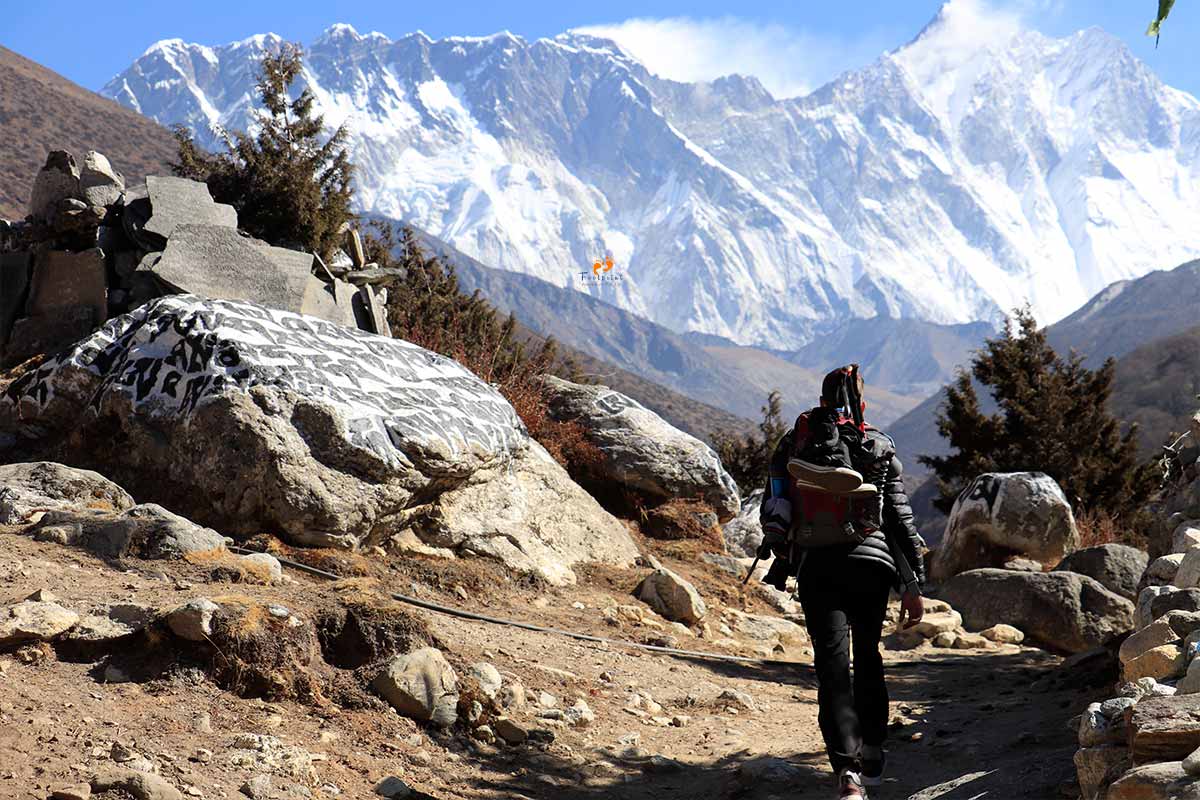
For many travelers, trekking in Nepal is a bucket list item. However, there are numerous common mistakes travelers make in Nepal that can ruin the experience or even make it unsafe. Knowing about Nepal travel mistakes and things not to do in Nepal can help make your Nepal trip enjoyable and safer. Many tourists assume that what works in their home country will work in Nepal as well, but cultural differences change the scenario. Skipping proper preparation and ignoring local customs can lead to uncertain issues during travel.
A major problem is ignorance about the trekking mistakes Nepal travelers tend to make. These could include ignoring the weather, neglecting risks of altitude sickness, or the difficulty of the most popular trails. Another common mistake is overlooking permits and regulations. Tourists should research trekking routes and obtain the required permits prior to leaving on their trip to Nepal.
Safety is an important consideration too. One of the most significant Nepal travel tips includes carrying enough cash, since ATMs might be limited in rural areas, and always have a plan B in case of emergencies. Tourists should also respect local culture and environmental guidelines to avoid hassle. If tourists have a good grasp of what to expect before visiting Nepal, they can avoid unnecessary stress and misunderstandings with the local people.
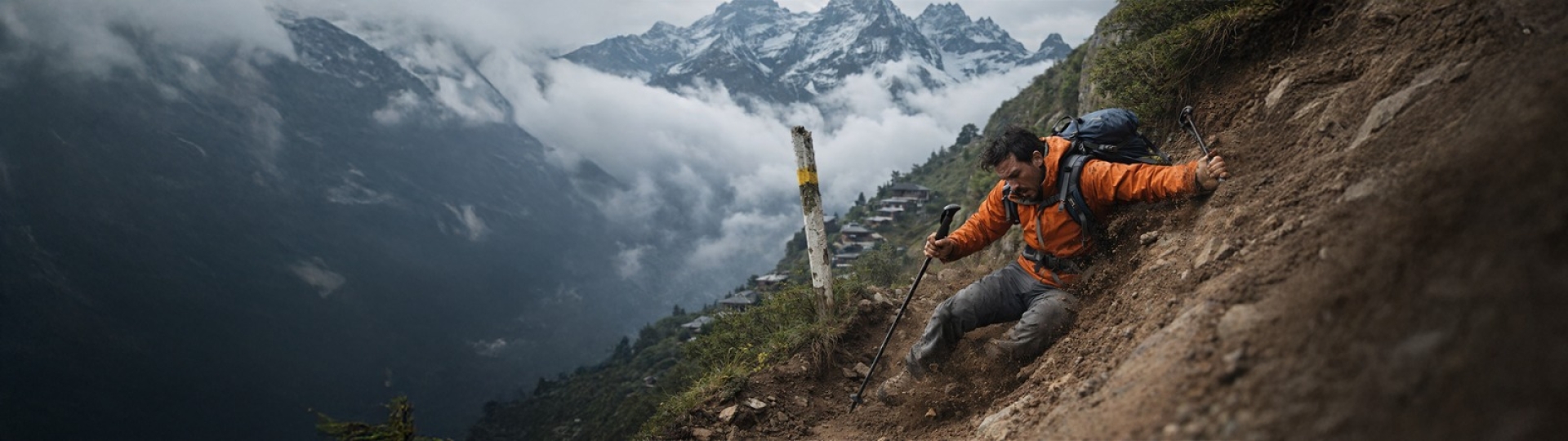
There are also some practical things to take note of before traveling to Nepal, such as what clothes and gear to pack, how to remain hydrated, and how to prepare for long hours of hiking. Trekkers must avoid activities that increase the risk of incidents, such as leaving marked trails or following unsafe advice. By knowing these common mistakes and following a few simple guidelines, travelers can relish the beauty and culture of Nepal without complications.
In this blog, we will discuss some of the common mistakes when trekking in Nepal, what not to do in Nepal as a traveller, and things to know before traveling to Nepal. With this in mind, if you follow these tips, you can help ensure an unforgettable, safe, and well-prepared trip.
Table of Content
Ignoring Travel Permits and Entry Requirements
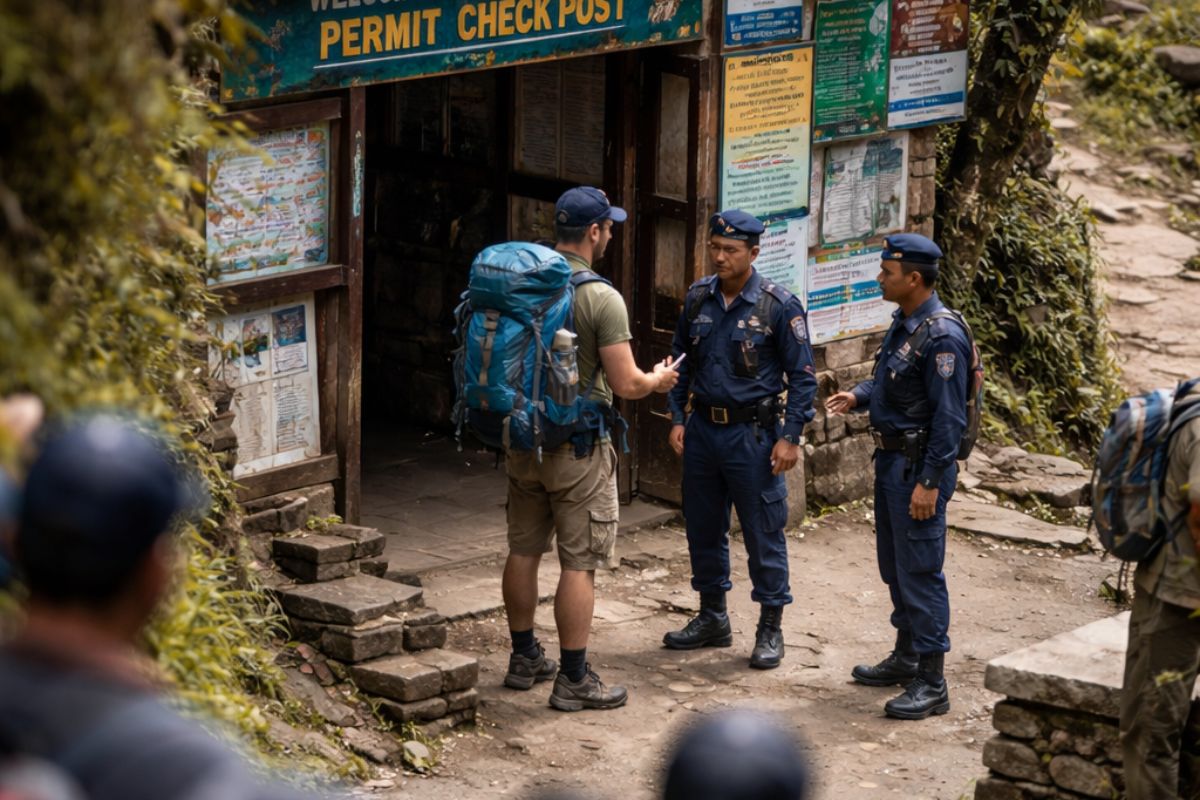
One of the major common mistakes travelers make before arriving in Nepal is that many of them have no idea of the strict permit system in Nepal, which results in denied entry to a protected region or being liable to pay a fine.
Nepal does require a variety of permits to trek in most places, including the Annapurna Sanctuary, the Everest region, and even some restricted areas like Upper Mustang. In addition to area permits, a TIMS (Trekkers' Information Management System) card is required for most treks. Further, it is not enough to just obtain a visa on arrival. Travelers must also ensure their passport has at least six months of validity and has at least two empty visa pages.
Another common mistake is assuming that all the required permits can be obtained at the trailhead, but many have to be obtained in advance through official offices in Kathmandu or Pokhara, or you can arrange one through your travel agency. Many permits will also require a passport-sized photo and payment made in USD cash.
How to Avoid
Check the necessary permits for your itinerary.
Acquire any visas and documents before you book your travel.
Get all of your trekking permits from the official offices in Kathmandu or Pokhara.
Make sure to bring extra passport photos and USD cash to cover expenses.
Or simply ask your travel agency; they can provide all permits and documents for you.
Travelling During the Wrong Season
Generally, there are four seasons in Nepal, and you can visit year-round. The best time to visit Nepal depends on what kind of activity you are planning to do. Choosing the wrong season can drastically affect your experience.
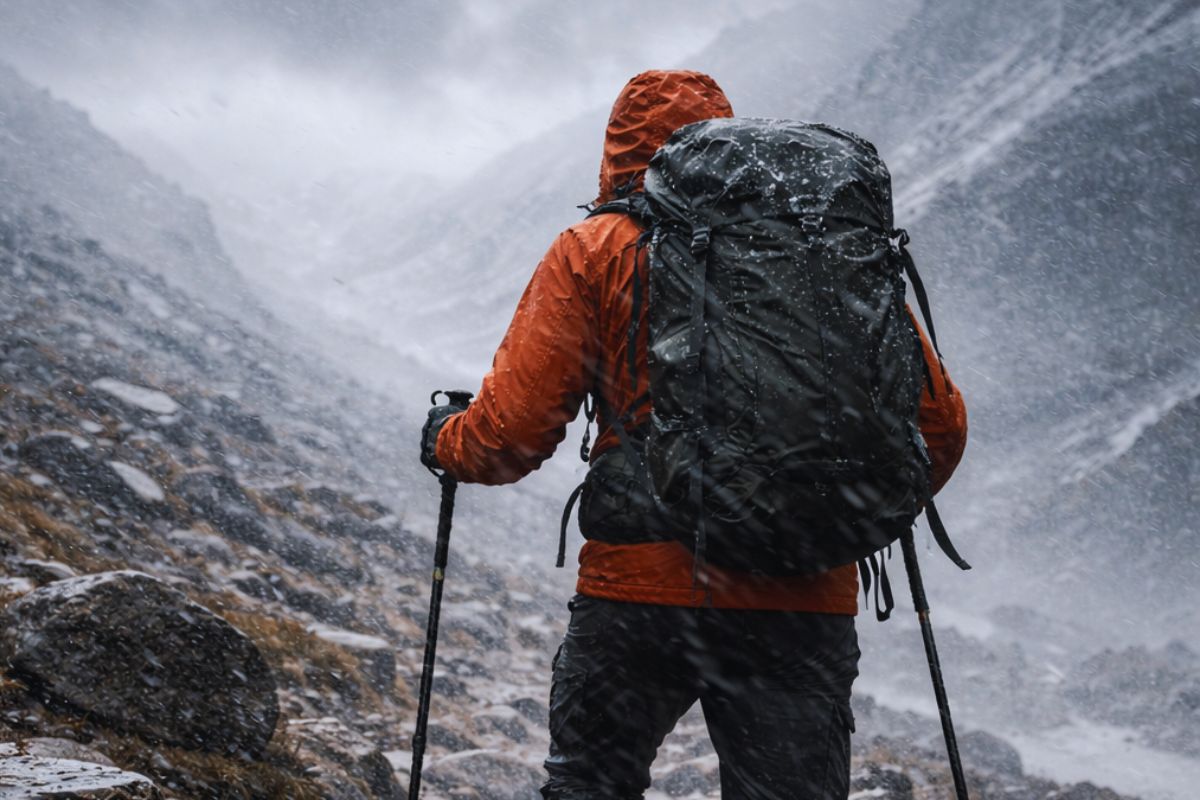
The monsoon season lasts from June to August and brings heavy rain, which can cause flight cancellations, leeches on trails, landslides to block roads, and pretty lousy views of the mountains. The winter months bring extreme cold, especially at high altitude, meaning that some passes or teahouses may close or become dangerous to access. One of the best pieces of travel advice for Nepal is that if you plan to trek, it is best to avoid these two seasons.
The shoulder seasons offer distinct advantages. The post-monsoon period from September to November provides stable weather and clear skies, while the pre-monsoon spring from March to May offers warm temperatures and blooming rhododendrons. For sightseeing tours, any season is suitable, but it is important to align your trip with your desired activities.
How to Avoid
Travel in Nepal during the peak seasons: Autumn (September to November) or spring (March to May).
Check the usual weather forecast for where you will travel.
Avoid high mountain trekking in the winter.
Avoid hiking in the low areas during the times of heavy monsoon.
Disrespecting Local Culture and Traditions
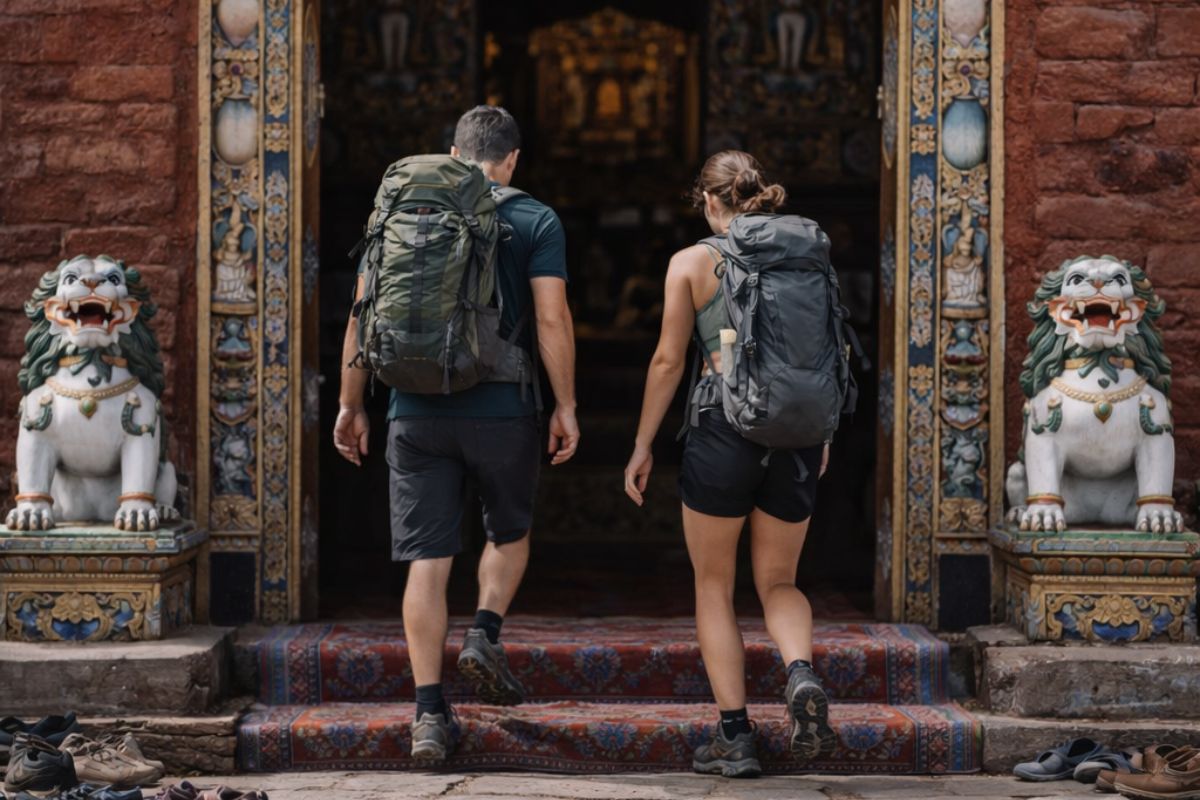
Nepal is an exceptionally spiritual and culturally rich country, and failing to respect its customs is a common mistake. First-time in Nepal, tips include being mindful of inappropriate clothing, particularly in sacred places such as temples or stupas. In Nepal, it is considered disrespectful to wear revealing clothing, so make sure to cover your shoulders and knees.
Never wear shoes inside temples or monasteries
Showing affection in public is considered inappropriate in Nepal. When entering temples, always remove your shoes and leave any leather items outside. Do not touch offerings or prayer wheels with your left hand because it is considered impure. Do not point your feet at people or any religious object because feet will be considered sinful.
Photography also requires care. Always ask people's permission before taking pictures of them, especially monks and sadhus. Never take pictures inside temples unless permitted. And remember, you are a guest in Nepal, so it is very important to observe and respect local customs.
How to Avoid
Research cultural practices before you arrive
Dress thoughtfully, especially at religious sites
Always, always ask if you can take photographs of people
Use your right hand when giving and receiving items
Remove your shoes before entering temples and homes
Not Accounting for Altitude Sickness
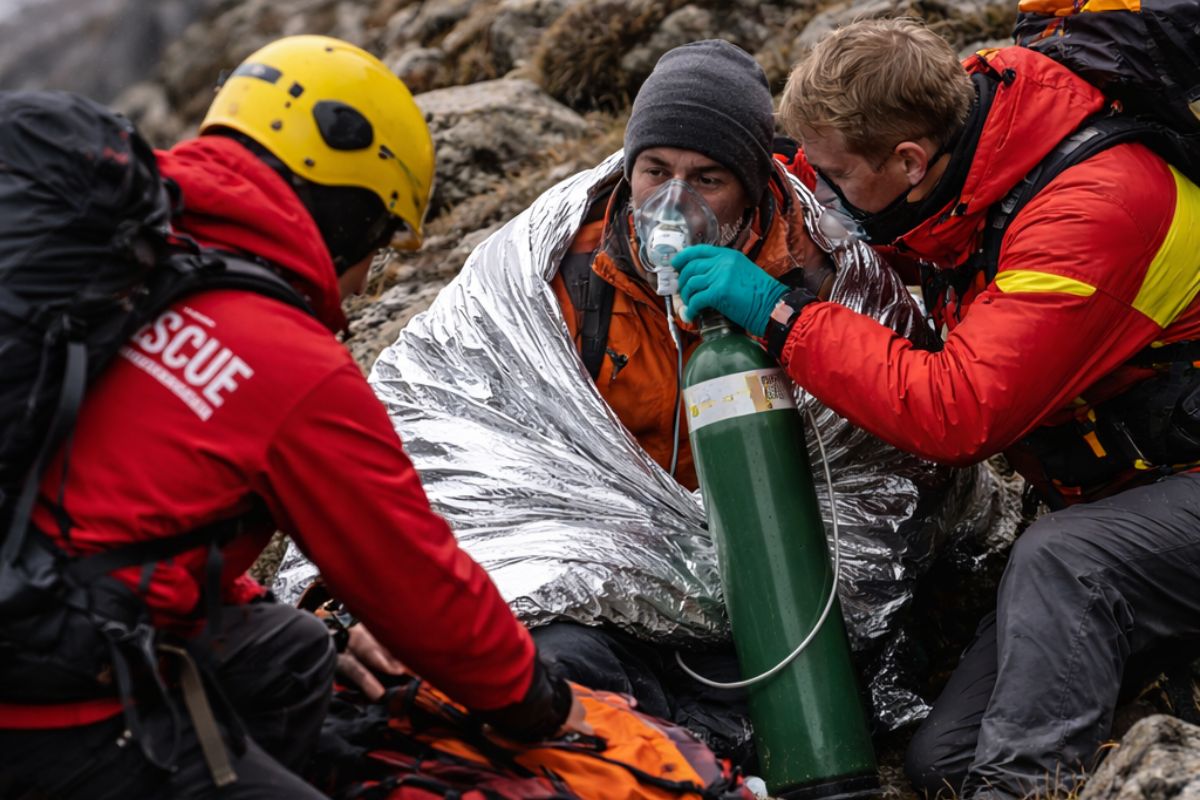
Underestimating altitude sickness (Acute Mountain Sickness or AMS) is a serious and common trekking mistake in Nepal. Many trekkers rush when they ascend without giving their bodies time to acclimatize because they want to stick to rigid trekking schedules. AMS can happen to anybody and is highly unpredictable, no matter how fit you are.
Headache, dizziness, nausea, and fatigue are signs from your body that are not adapting to the altitude. Failing to recognize these signs and continuing to trek higher can lead to life-threatening conditions like high altitude pulmonary edema (HAPE) or high altitude cerebral edema (HACE).
There is no shortcut to acclimatization. Your body needs time to adapt to being in an environment with less oxygen. Rapidly ascending to high altitudes, such as flying directly to Lukla, and starting a trek without allowing time for your body to rest, is a poor idea because at that point, you are greatly increasing your risk.
How to Avoid
Ascend gradually, following the "climb high, sleep low" principle
Include rest days in your itinerary for acclimatization
Stay hydrated and avoid alcohol
Learn to recognize the symptoms of AMS and never ignore them
Descend immediately if symptoms get worse
Overpacking or Packing the Wrong Gear
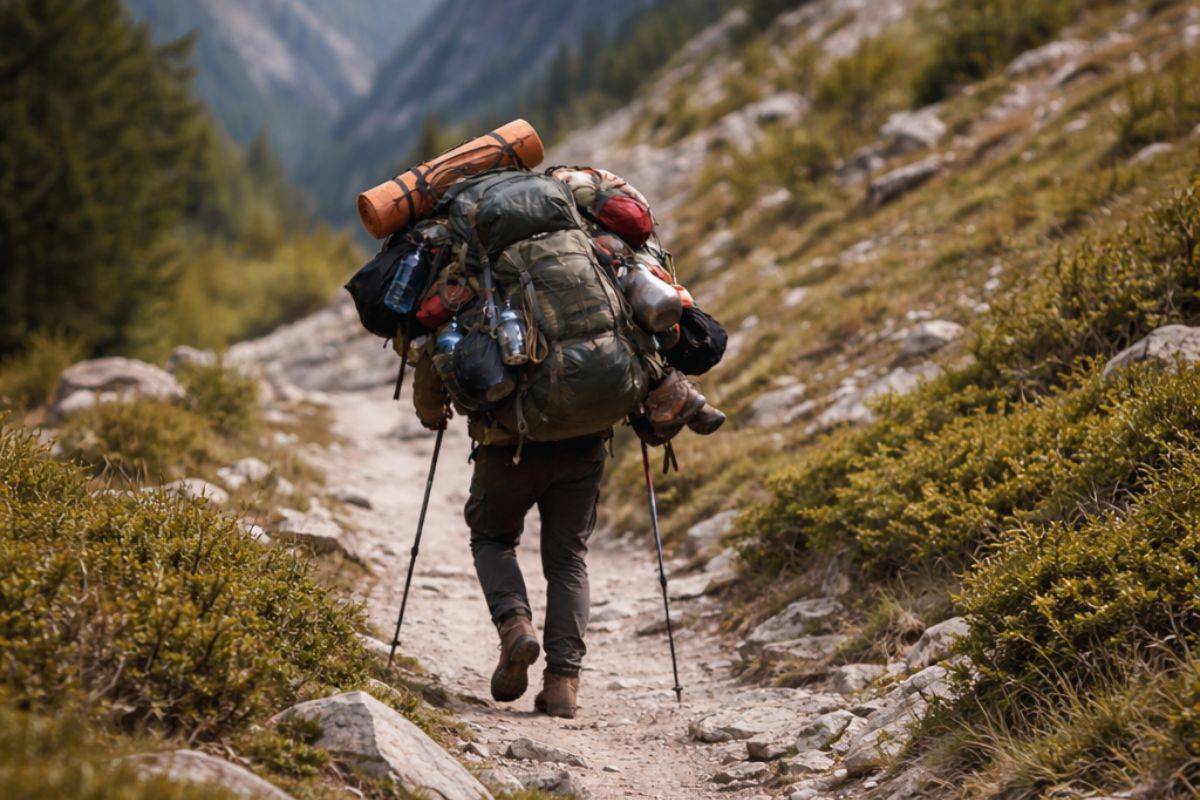
Many people make the mistake of arriving in Nepal with either an overly large backpack or unsuitable gear. Packing too much is never convenient, whether during flight transfers or while hiking along a trekking trail when you need to carry your own pack or pay a porter to carry it.
On the other hand, packing the wrong gear can negatively impact your comfort and safety. This includes not bringing a reliable water purification method, assuming all seasons are mild, or packing bulky cotton clothing that becomes heavy and useless when wet. Things like headlamps, a simple first-aid kit, or comfortably broken-in hiking boots are frequently overlooked.
Keep in mind that there are trekking gear shops in Kathmandu and Pokhara to rent or buy quality gear, so you do not have to bring everything with you.
How to Avoid
Make a simple packing list based on your activities and season
Use lightweight moisture-wicking clothing layers
Find a good method for purifying water
Break in all footwear before the trip
Leave behind what you won't need
Drinking Tap Water and Street Food Carelessly
A fast way to ruin your vacation is to drink untreated tap water or not take enough caution with street food, so Nepal travel safety tips include staying cautious. Tap water in Nepal is not safe to drink and can have bacteria and parasites, which produce a severe gastrointestinal illness.
Street food is delicious and an important part of the culture, but you have to be careful. The biggest area of risk is from untreated water that is used in drinks, washed salads, or food that has been left unrefrigerated. Sickness can easily progress to dehydration, which may even mean you have to cancel your trekking plans.
How to Avoid
Drink only bottled, filtered, or purified water
Use purification tablets or a filter bottle
Avoid ice in drinks
Choose busy street food stalls with high turnover where food is cooked fresh and served hot
Focusing Only on Everest and Kathmandu
Too many travelers only think of the Kathmandu Valley and fly or trek to the Everest Base Camp as the only essential things to do in Nepal, which is sad since there are so many places you should not miss while visiting Nepal.
Nepal offers vastly different experiences beyond these two points. The subtropical lowlands of Chitwan National Park provide world-class wildlife viewing, including rhinos and tigers. The calm lakes of Pokhara offer paragliding and access to shorter, stunning treks in the Annapurna region.
The ancient culture exhibited throughout the Kathmandu Valley includes nearby cities, Bhaktapur and Patan, which have their own architectural heritage. Travelers often visit only the most well-known sites, missing the many landscapes and cultures that Nepal has to offer.
How to Avoid
Look into different regions of the country, such as Chitwan, Pokhara, and Lumbini
Include some cultural, wildlife, and adventure activities in your itinerary
Research smaller trekking/hiking itineraries or cultural experiences in lesser-known areas beyond main cities
Traveling Without Insurance
What tourists should know before visiting Nepal is that skipping full travel insurance when visiting is a serious and expensive mistake. Many common policies or health plans do not cover high-altitude trekking, helicopter rescue, or medical care in Nepal.
Nepal has a rugged landscape. If you do develop serious altitude sickness or have an injurious accident, you would be required to be emergency airlifted out, and helicopter evacuation can cost tens of thousands of dollars.
Travel within Nepal can be irregular as well, with countless flight delays or cancellations on account of weather, lost luggage, and trip interruptions. If you do not have insurance, you are personally liable for all these high costs. A good travel insurance policy is not optional but, in fact, is mandatory when visiting Nepal.
How to Avoid
Buy a policy that specifically mentions high-altitude trekking and emergency evacuation
Confirm the coverage limits for medical and repatriation expenses
Always keep a copy of your insurance details and emergency contact number with you
Falling for Common Tourist Scams
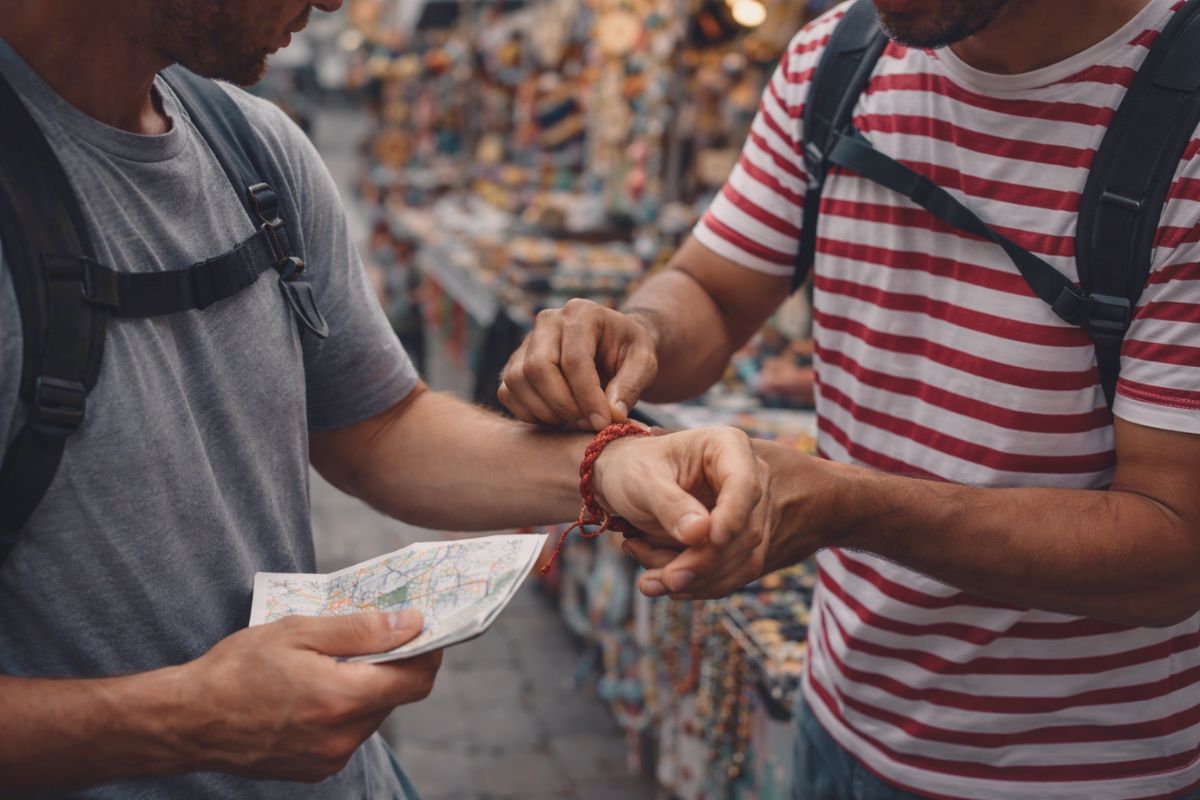
Being aware of common tourist scams can help you enjoy a smoother and safer trip in Nepal. In popular areas like Thamel, some individuals may approach you offering guided services or asking for donations, so it’s wise to stay alert and make informed choices.
A frequent situation involves taxi drivers suggesting alternative hotels, sometimes to receive a commission. Confirm your bookings in advance and politely stick to your plans to avoid confusion.
When shopping, agree on prices beforehand and keep an eye on the items during wrapping. Most locals are honest, friendly, and eager to share their culture, but a little caution ensures your goodwill is met with a positive experience.
How to Avoid
Research common scams before you arrive
Book taxis through your hotel or a ride-hailing app such as Pathao and Indrive
Politely but firmly decline unsolicited offers for guides or tours
Count your change carefully after any transaction
Not Carrying Enough Cash
It is a common misconception to assume credit cards are accepted anywhere. Other than major hotels in cities and high-end restaurants in Kathmandu and Pokhara, Nepal runs on a cash economy.
You will need Nepalese rupees (NPR) for local transport, all teahouses on the trekking routes, entrance fees for UNESCO sites, and most markets and street food.
ATMs in cities are available and convenient, but can be unreliable, out of cash, or have high withdrawal fees. If you're traveling off the beaten path or beginning a trek and you do not have enough cash, it may leave you unable to purchase the necessities, including food, water, and lodging. Therefore, carrying enough cash is crucial while visiting Nepal.
How to Avoid
Carry a mix of large and small denomination Nepali rupee notes
Withdraw enough cash in cities before heading to remote areas
Keep your cash secure in a money belt or hidden pouch
Have a backup source of funds, such as a spare card or emergency US dollars
Conclusion
Visiting Nepal can be an incredible experience, and avoiding these silly mistakes will keep your trip both safe and enjoyable. From understanding what travel mistakes to avoid in Nepal and what to do and not to do in Nepal to respecting local customs to trekking permits and being ready for high altitude issues, preparation is everything. Some practical things, from packing properly for the right gear to having enough cash, staying hydrated, travel insurance, and other things, can help reduce the likelihood of a problem during a Nepal trip. If you are mindful of these mistakes, then you will have everything well thought out and will ensure that your experience is memorable, too, and not stressful.
Frequently Asked Questions
What are the biggest mistakes first-time travelers make in Nepal?
New travelers typically forget permits, underestimate altitude, and pack improperly. They also forget cultural etiquette. This can cause both minor misunderstandings and direct confrontation with locals.
Do I need a visa to travel to Nepal?
Yes, most travelers can obtain a visa upon arrival at Kathmandu airport, and it's usually pretty convenient. However, before you book travel, make sure to check out the latest Visa requirements or if there are any delays.
Is it a mistake to travel to Nepal during the monsoon season?
Yes, trekking in Nepal during the monsoon is generally considered risky, mainly because the trails become muddier and landslides are very common. Heavy rains also block the views of the mountains, making trekking less enjoyable.
Is bargaining acceptable in Nepal?
Yes, bargaining is normal in local markets and shops. But do so politely and respect the sellers by trying not to negotiate too hard for very small amounts.
How many days do I need to visit Nepal?
You need at least 7–10 days to explore cities and short treks comfortably. For longer treks like Everest Base Camp or Annapurna Circuit, plan 14–18 days.
What is the travel advisory for Nepal?
Nepal is generally safe for tourists, but travelers should expect road delays, strikes, and occasional altitude-related issues. Always check government travel advisories before your trip.
How expensive is it to travel in Nepal?
Nepal is generally the most affordable country for most of the travelers, with cheap transport and accommodation options. Costs can rise if you book luxury tours, flights late, or high-end lodges.
Aayushma Bhandari
Aayushma Bhandari is currently pursuing her Bachelor's degree in Travel and Tourism. She began her journey as an intern at Footprint Adventures, where she is now actively writing content and blogs. She loves exploring the diverse regions of Nepal, immersing herself in its stunning landscapes and rich cultures. Her trekking experiences give her unique insights, which she shares through her writing, helping others discover the beauty of Nepal's trekking routes and local traditions. Looking ahead, Aayushma is excited to grow with the team at Footprint Adventures. She values the chance to learn from industry professionals and is eager to contribute to the field of tourism and travel.
.jpg)
.jpg)