Everest is magnificent. It's also unforgiving. Every year, trekkers arrive at Lukla with high hopes and full backpacks, and a surprising number turn back early. Not because the trail defeated them physically, but because they made avoidable mistakes. Wrong pace. No acclimatization. Poor gear choices. Cultural missteps.
The do's and don'ts in the Everest Region aren't just etiquette rules; they're the difference between reaching Base Camp and being helicoptered out at Dingboche. Whether you're heading up for the first time or returning for another attempt, this guide covers everything you need to get it right: safety, altitude, culture, packing, and trail behavior. From safe trekking guidance to personalized itineraries, our team helps you explore the Everest Region with confidence, comfort, and unforgettable mountain experiences.
Planning your Everest adventure? Let Footprint Adventure take you to Everest with fully customizable Himalayan trips crafted by experienced local experts.
Why Knowing the Do's and Don'ts in Everest Region Matters
Knowing the do's and don'ts in the Everest Region is important for safety, cultural respect, and environmental protection in one of the world's most extreme environments.
- High altitude kills without warning. The Everest trail rises above 5,300 m, where oxygen levels drop to roughly half of what you breathe at sea level: AMS, HACE, and HAPE are real risks for unprepared trekkers.
- Weather is unpredictable and unforgiving. Conditions can shift from clear to dangerous within hours, especially above Namche Bazaar, leaving ill-prepared trekkers stranded with no quick exit.
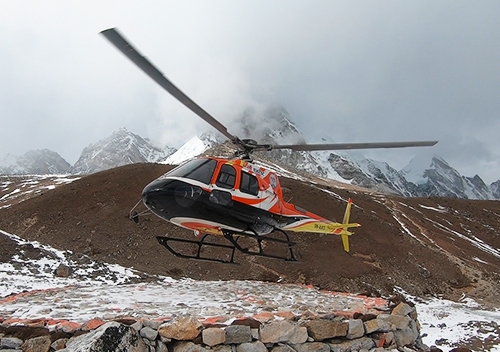
- Mistakes are expensive to fix. Emergency helicopter evacuations from high altitude cost USD 3,000–6,000 and only happen when weather permits; there's no calling a cab at 5,000 m.
- Simple errors end treks early. Going too fast, skipping acclimatization, or packing wrong are the most common reasons trekkers turn back; none of them are unavoidable.
- The local culture and ecosystem deserve protection. Ignoring Sherpa traditions or leaving waste on the trail causes lasting damage to communities and a UNESCO World Heritage landscape.
- Responsible trekking benefits everyone. Following Everest trek safety tips doesn't just protect you; it preserves the trail, supports local livelihoods, and keeps the region accessible for future trekkers.
The Most Important Do's in Everest Region Trekking
Getting to Everest Base Camp is achievable for most reasonably fit people. What separates those who make it from those who don't usually comes down to habits, not just fitness.
Train and Prepare
Start preparing at least 8 - 12 weeks before your trek.
- Cardiovascular exercises: Running, cycling, and swimming build the aerobic base you need at altitude. Aim for 4–5 sessions per week, gradually increasing duration.
- Hiking practice: Do weighted hikes on actual trails. If you're nowhere near mountains, use stairs. Your legs need to know what 6–8 hours of downhill feels like.
- Strength training: Focus on legs, core, and lower back. Squats, lunges, and step-ups directly translate to trail performance.
- Mindset and mental preparedness: Some days on the trail are slow, cold, and discouraging. Mental resilience, knowing why you're doing this and accepting discomfort, matters more than most people expect.
Physical preparation makes altitude easier to manage and reduces the risk of injury.
Curious about the fitness requirements for the Everest Base Camp trek? Explore the complete fitness for Everest Base Camp trek guide.
Walk Slowly and Maintain a Steady Pace
The Sherpa phrase "bistari bistari" means "slowly, slowly." It's the most practical Everest trekking guide advice you'll receive. Walking too fast at altitude accelerates oxygen depletion and increases acute mountain sickness (AMS) risk. A sustainable pace means you can hold a full conversation without gasping. Most experienced trekkers average 3 - 4 km/h on ascent days, slower than you'd walk around a park.
Don't compare your pace to others on the trail. The trekker overtaking you at Tengboche might be turning back at Lobuche.
Drink Plenty of Water Every Day
At altitude, your body loses moisture faster through breathing and exertion, often before you feel thirsty.
- Drink 3 - 4 liters of water daily, increasing at higher elevations
- Signs of dehydration include dark urine, headaches, and fatigue, symptoms that overlap with early AMS
- At teahouses, use water purification tablets or a UV pen for tap water, or buy boiled water (which costs more but is safer than unfiltered sources)
- Avoid sugary drinks and caffeine as primary fluids; they contribute to dehydration
Hydration is one of the most underrated Everest Base Camp preparation steps.
Take Proper Acclimatization Days
Acclimatization isn't optional rest; it's active altitude adaptation. Two mandatory acclimatization days define most standard itineraries:
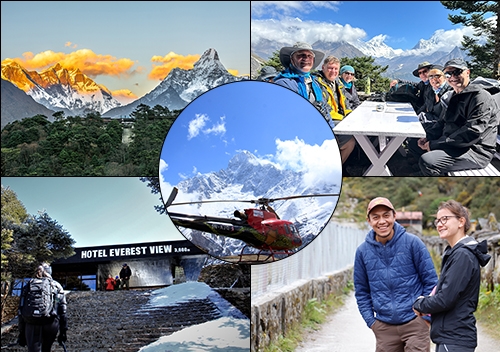
- Namche Bazaar (3,440m): After arrival, spend an extra day hiking to the Everest View Hotel (3,880m) or Khumjung Village, then return to sleep lower. This is the "climb high, sleep low" method in action.
- Dingboche (4,410m): A second rest day here, with a short hike to 4,800–5,000m, prepares your body for the final push toward Base Camp.
Monitor yourself for AMS symptoms: persistent headache, nausea, dizziness, loss of appetite, or difficulty sleeping. If two or more symptoms appear together, don't ascend further until they resolve.
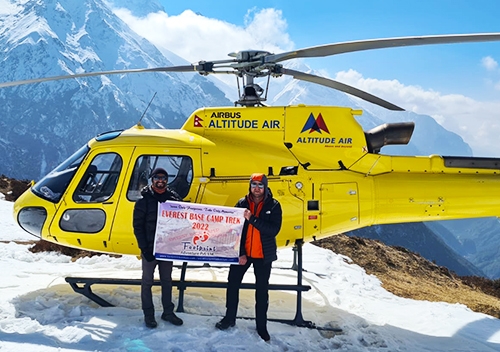
Want to witness the world’s highest mountain without days of trekking? Experience the breathtaking Everest Base Camp from the sky with the unforgettable Everest Base Camp Heli Tour with Breakfast.
Respect Sherpa Culture and Local Traditions
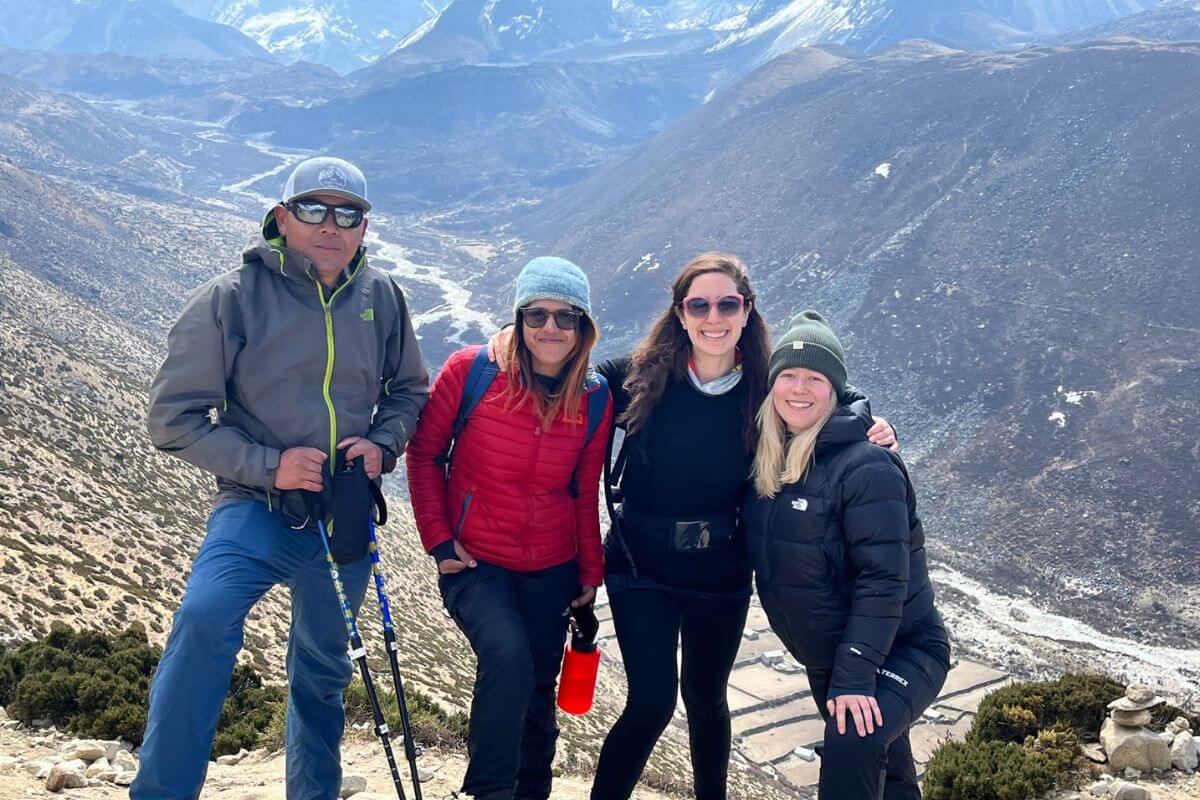
The Khumbu region is the homeland of the Sherpa people, and the trails pass through active religious sites.
- Monasteries: Remove shoes before entering, walk clockwise inside, and keep voices low. Ask before taking photographs.
- Prayer wheels and mani stones: Always pass these on the left, keeping them to your right; this is a sign of respect in Tibetan Buddhist tradition.
- Greeting locals: A simple "Namaste" with hands pressed together is always welcome. Avoid pointing at religious objects or stepping over offering items.
Trekkers who engage respectfully with local culture consistently report a richer, more memorable experience.
Hire a Licensed Guide or Porter
A licensed guide isn't just a luxury on the Everest trail; they're a safety asset.
- Navigation: Trail conditions change. Guides know alternate routes, teahouse locations, and weather patterns.
- Medical emergencies: Experienced guides recognize AMS early and know when to call for evacuation.
- Cultural interpretation: They bridge the gap between trekkers and local communities.
- Economic support: Hiring locally keeps income within Sherpa communities, a meaningful form of responsible trekking.
Solo trekking is allowed, but guides become especially critical during poor weather, health concerns, or off-season conditions.
Carry Proper Trekking Gear
Gear failures in the Himalayas have no easy fixes.
- Layering system: Base layer (moisture-wicking), mid layer (fleece or down), and outer shell (waterproof and windproof). Temperatures at Base Camp can drop to -20°C at night.
- Broken-in boots: Never start an Everest trek in new boots. Blisters at altitude are a genuine reason people abandon treks.
- Trekking poles: Protect knees on descent and improve stability on uneven terrain.
- Sunscreen and UV sunglasses: UV radiation increases significantly at altitude. Snow blindness is real and preventable.
Carry Enough Cash
There are no ATMs above Namche Bazaar. That's not a rumor; it's a logistical reality. Withdraw sufficient Nepali rupees in Kathmandu or Namche before heading higher. Daily expenses: teahouse accommodation, meals, boiled water, hot showers, and charging fees typically run NPR 2,500–5,000 per person per day, increasing with altitude.
Common Don'ts That Can Ruin Your Everest Trek
These are the mistakes that end treks early, damage health, or leave trekkers stranded. Each comes with a real consequence and a smarter alternative.
Don't Ignore Altitude Sickness Symptoms
Early AMS signs are easy to dismiss as tiredness or a minor headache. That's the danger.
- Early AMS: Headache, fatigue, loss of appetite, mild dizziness
- HACE (High-Altitude Cerebral Edema) warning signs: Severe headache unresponsive to paracetamol, confusion, loss of coordination, inability to walk in a straight line
- HAPE (High-Altitude Pulmonary Edema) warning signs: Breathlessness at rest, persistent dry cough, crackling sounds when breathing, blue-tinged lips
The rule is simple: if symptoms worsen, descend immediately. Even dropping 300–500m often brings rapid relief. Never ascend with unresolved AMS symptoms.
Don't Drink Alcohol or Smoke at High Altitude
Drinking alcohol or smoking, Both significantly impair your body's ability to manage altitude. Alcohol suppresses the respiratory drive, the mechanism that automatically increases your breathing rate to compensate for thin air. It also accelerates dehydration. At 4,000m+, a single beer can mimic the symptoms of mild AMS.
Smoking reduces oxygen-carrying capacity in the blood, making every uphill step harder and recovery slower. Save the celebration for Kathmandu. Herbal tea and hot lemon are better altitude companions.
Don't Overpack or Underpack
Common beginner packing mistakes in both directions.
- Overpacking: Trekkers frequently pack doubles of everything, heavy camera equipment, and comfort items that become dead weight. On multi-hour ascents, every extra kilogram costs energy and increases fatigue risk.
- Underpacking: Leaving out a warm down jacket, rain gear, or a quality sleeping bag because "it won't get that cold" is a mistake that costs comfort and sometimes safety.
- The rule: Every item in your pack should serve a specific, non-redundant purpose. If you can't name why it's there, leave it.
- Porters can carry excess gear, another reason to hire local support.
Recommended Read:Best time to visit Everest Base Camp
Don't Trek Without Travel Insurance
This isn't a recommendation. It's a requirement. Helicopter rescue from above 5,000m costs between USD 3,000–6,000. Medical evacuation to Kathmandu can exceed USD 10,000. Without insurance, trekkers either bear that cost personally or face difficult decisions during emergencies.
Your policy must include:
- High-altitude trekking coverage (specify above 5,000m)
- Emergency helicopter evacuation
- Medical expenses and hospitalization
- Trip cancellation or interruption
Carry a digital and physical copy of your policy, along with the emergency contact number.
Don't Disturb Wildlife or Damage Nature
The Everest Region falls within Sagarmatha National Park, a UNESCO World Heritage Site.
- Leave No Trace: Carry out everything you carry in. Don't leave wrappers, bottles, or waste on the trail.
- Plastic bottles: Bring a reusable water bottle and use purification methods. Single-use plastics are increasingly restricted in the park, and buying bottled water at altitude is expensive and wasteful.
- Wildlife: Snow leopards, Himalayan tahrs, and red pandas inhabit this region. Keep distance, don't feed animals, and stay on marked trails.
The mountain has absorbed enough damage from irresponsible tourism. Trekking consciously is part of the Everest Base Camp experience.
Don't Walk on the Wrong Side Around Yaks
Yaks are large, load-bearing animals, and they own the trail. When a yak train approaches, always move to the uphill (mountain) side of the trail. The downhill side is the cliff side. A startled yak pushing against you from below has nowhere to go, and neither would you.
Give yak trains space, move slowly, and don't make sudden noises. This is one of the most practical and undermentioned do's and don'ts in Everest Region trail safety.
Final Thoughts
The Everest Region rewards trekkers who respect it. Your success depends far more on how you approach the mountain than on how fit you are. Walk slowly. Drink water. Take your acclimatization days seriously. Respect the culture of the people who call the Khumbu home. And pack smart, not heavy.
Small decisions like choosing to rest an extra day, hiring a local guide, and keeping to the uphill side of a yak trail stack up into a safe, successful, and genuinely unforgettable trek.
Connect with Footprint Adventure for guided Everest Region treks, experienced local guides, and personalized trekking support. Our team helps you plan every stage from permits to packing lists for a safe Himalayan journey.
Frequently Asked Questions
What is the biggest mistake trekkers make in the Everest Region?
The most common mistake is trekking too fast without proper acclimatization. Rapid altitude gain increases the risk of acute mountain sickness (AMS), which can force trekkers to descend early or cancel the trek completely. Following a structured itinerary with built-in rest days is the most effective prevention.
How can I avoid altitude sickness during the Everest trek?
Walk slowly, drink 3 - 4 liters of water daily, take acclimatization days seriously, and avoid alcohol above 3,500m. Listening to your body is essential; descend immediately if two or more AMS symptoms appear together and don't improve with rest.
Is it safe to trek in the Everest Region without a guide?
While some experienced trekkers go independently, hiring a licensed guide improves safety, navigation, emergency response, and cultural understanding. Guides are especially valuable during bad weather, health concerns, or unfamiliar trail sections above Namche Bazaar.
How much water should I drink during the Everest trek?
Most trekkers should drink 3 - 4 liters of water daily. Dry mountain air and sustained physical effort increase dehydration risk even when you don't feel thirsty. At higher elevations, increase intake slightly and monitor urine color as a hydration indicator.
What is the best season for trekking in the Everest Region?
Spring (March - May) and Autumn (September - November) offer the most stable weather, clearest mountain views, and safest trail conditions. Avoid monsoon season (June–August) when trails become slippery and visibility drops significantly.
Why is travel insurance important for Everest trekking?
Travel insurance with helicopter evacuation coverage protects trekkers in emergencies: altitude sickness, injuries, or weather-related delays. Helicopter rescue from high altitude can cost USD 3,000–6,000+, making coverage essential rather than optional.
What cultural etiquette should trekkers follow in the Everest Region?
Remove shoes before entering monasteries, pass mani stones on the left, ask permission before photographing locals, and greet people with "Namaste." Treating guides, porters, and teahouse staff with genuine respect is both culturally appropriate and personally rewarding.