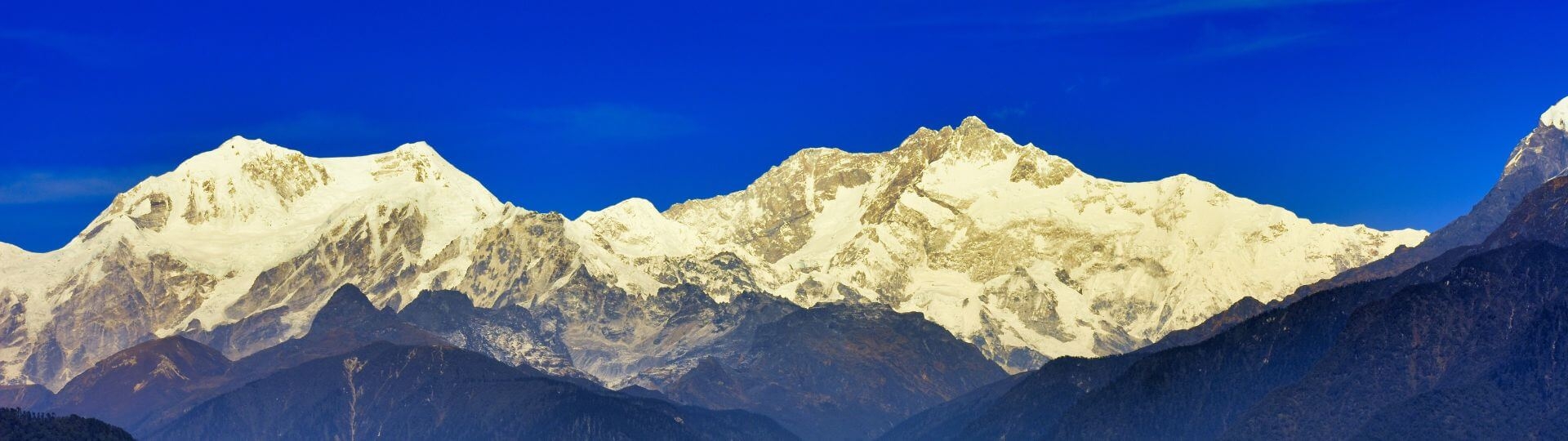
Planning a trek to Kanchenjunga Base Camp is not like planning a trip to Everest Base Camp. There are no coffee shops at every corner. There are no crowds of trekkers passing you every ten minutes. And there is definitely no room for poor preparation.
This is one of Nepal's most remote and rewarding treks. And if you are reading this, you are probably trying to figure out if it is the right trek for you, what it actually involves, and how to plan it without getting overwhelmed.
This Kanchenjunga Base Camp trek guide from Footprint Adventure covers everything: route, distance, permits, cost, difficulty, packing list, and more. By the end, you will know exactly what to expect and whether this adventure is calling your name.
Kanchenjunga Base Camp Trek Route Overview
The Kanchenjunga Base Camp trek starts from Taplejung, a small town in the far eastern corner of Nepal. From here, the trail winds through dense forests, river valleys, and remote Himalayan villages.
The main trekking route passes through key villages like Mitlung, Sekathum, Amjilossa, and Ghunsa before heading higher into the mountains. From Ghunsa, trekkers usually split into two objectives:
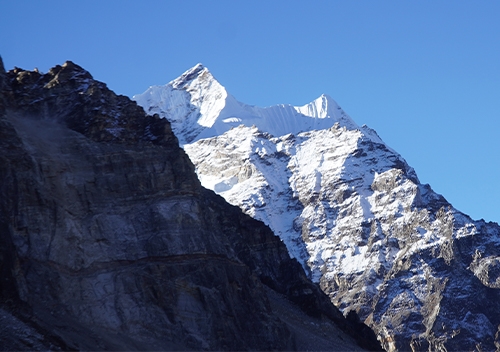
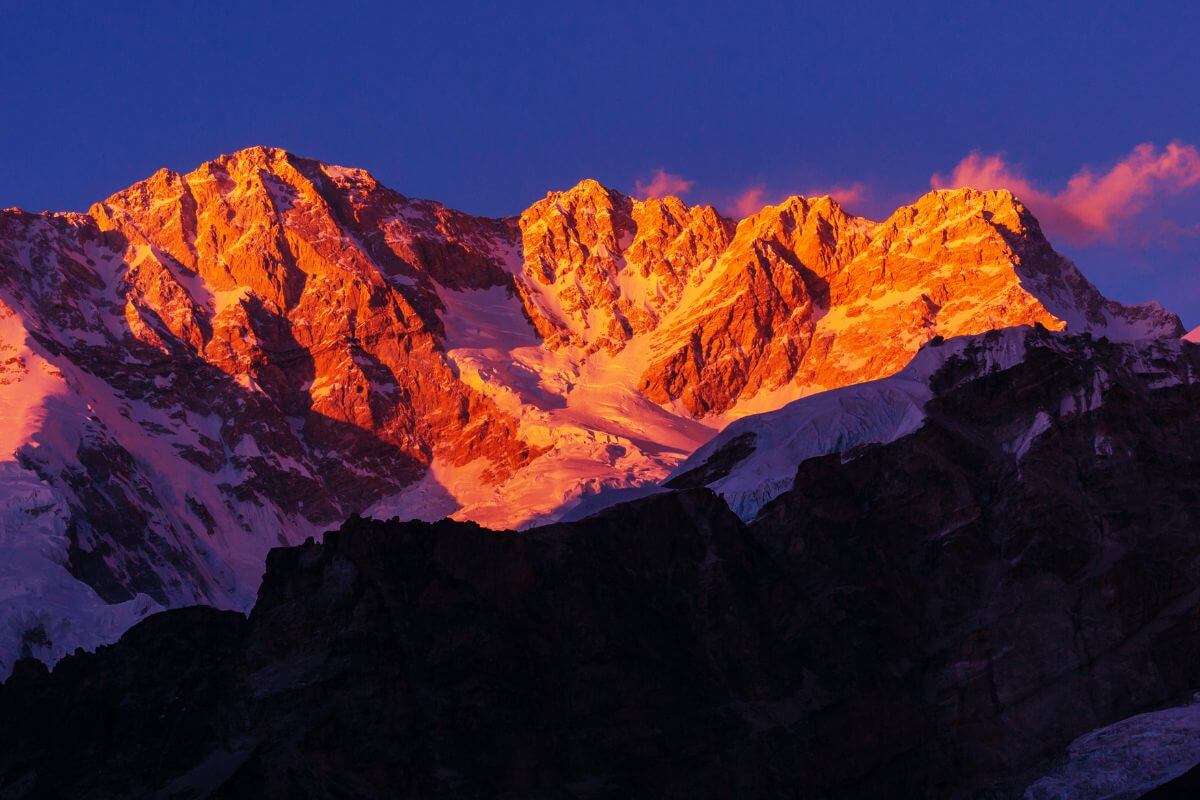
- North Base Camp (Pangpema): This is the more popular of the two. Pangpema sits at around 5,143 meters and gives you a dramatic, almost overwhelming view of Kanchenjunga's massive north face. On a clear morning, the light hitting the glacier is something else entirely.
- South Base Camp (Oktang): Located at around 4,800 meters, Oktang offers a completely different perspective of the mountain. The approach through the Yalung Glacier Valley is stunning in its own right, quieter, more meditative, and far less visited than the north route.
Many trekkers do the full Kanchenjunga circuit trek, visiting both base camps on a single trip. That is the more complete experience, though it adds days to your itinerary. The kanchenjunga trekking route is not marked like popular trails. Signposts are rare. Villages are far apart. And the trail itself can get tricky in places. Having a knowledgeable guide is not just helpful here; it is essential.
Not sure how to plan this trek? Talk with Footprint Adventure for help with permits, guides, and a full itinerary.
Kanchenjunga Base Camp Trek Map and Distance
The total distance of this trek is roughly 220 to 250 kilometers, depending on your exact route. That covers everything from the start in Taplejung to both base camps and back.
If you do the full circuit (both north and south base camps), expect to cover more ground and add extra days. A basic one-base-camp itinerary is shorter, but most experienced trekkers recommend doing both if time allows. The south side of the mountain gets far fewer visitors, and the solitude up there is remarkable.
The kanchenjunga base camp trek map is something you should study before leaving Kathmandu. The trail is not well-documented on apps like Google Maps. OpenTopoMap has better coverage, but even that can be incomplete in certain sections. Carry a printed topo map, and make sure your guide has one too. Do not rely entirely on digital tools. Batteries die, and mobile signal is essentially nonexistent for most of this route.
A rough overview of major trail distances:
- Taplejung to Ghunsa: approximately 7–8 days on foot
- Ghunsa to Pangpema (North Base Camp): 2–3 days
- Ghunsa to Oktang (South Base Camp): 2–3 days via the southern route
- Return to Taplejung: roughly 5–7 days depending on your pace
Kanchenjunga Trek Difficulty
The kanchenjunga trek difficulty is rated as strenuous to challenging. This is not a beginner trek. And it is probably harder than most people expect, even those who have done Everest Base Camp before.
Here is what makes it hard:
- Long walking days: Expect 6 to 8 hours of hiking daily, sometimes more on transition days. The terrain slows you down more than the distance suggests. A 12 km day at altitude on a rough trail can feel like twice that on flat ground.
- High altitude: You are going above 5,000 meters. The air is thin, your body feels heavier, and everything takes more effort. Simple tasks like tying your boots or holding a conversation while walking uphill become noticeably harder.
- Remote trails: There is no quick escape if something goes wrong. The nearest road or hospital can be days away on foot. Helicopter evacuation is possible but expensive, and weather does not always cooperate even for that.
- Rough terrain: The trail has steep ascents, river crossings, loose rock sections, and, in places, glacial moraine that requires careful footing. Some portions are genuinely demanding. Trekking poles are not optional at this level.
- Unpredictable weather: Even in good seasons, conditions can shift quickly in the mountains. Snow in May is not unheard of at higher elevations. Pack for warmth even if you are trekking in spring.
If you have done multi-day high-altitude treks before and are physically fit, you can do this. But if your longest hike has been a weekend walk, you need to train seriously before even booking flights.
Worried about doing this trek on your own? Contact us to plan a safer and smoother journey.
Kanchenjunga Base Camp Altitude and Acclimatization
The Kanchenjunga base camp altitude varies by which base camp you are visiting:
- Pangpema (North Base Camp): Approximately 5,143 meters
- Oktang (South Base Camp): Approximately 4,800 meters
- Ghunsa: Around 3,595 meters a key acclimatization stop
- Kambachen: Around 4,050 meters
- Lhonak: Around 4,780 meters
Altitude sickness is a genuine risk on this trek. It does not care how fit you are or how many marathons you have run. It affects beginners and experienced trekkers alike. The severity depends partly on how fast you ascend, your hydration, your rest, and simple genetics.
The golden rule for this trek: go slow. The standard advice, "climb high, sleep low," applies here more than almost anywhere else.
Signs of altitude sickness to watch for:
- Persistent headache, especially at night
- Nausea or vomiting
- Loss of appetite
- Dizziness or feeling off-balance
- Breathlessness at rest
- Extreme fatigue beyond what the day's effort justifies
If any of these worsen after resting, the only correct response is to descend. Do not wait. Do not sleep on it hoping tomorrow will be better. Descend.
Recommended acclimatization stops:
- A full rest day at Ghunsa before moving higher: explore the village, visit the monastery, go easy
- A shorter walking day approaching Lhonak, gaining altitude gradually
- If you have any sign of headache, nausea, or dizziness stop and rest wherever you are
- Do not rush this trek. The mountain will still be there tomorrow.
Best Time for Kanchenjunga Base Camp Trek
The best time for kanchenjunga trek is during two main windows: spring and autumn. But understanding what each season actually feels like on this specific route helps you pick the right one for your schedule and comfort level. Here is a breakdown of all four seasons so you know exactly what to expect before you book.
Spring (March to May)
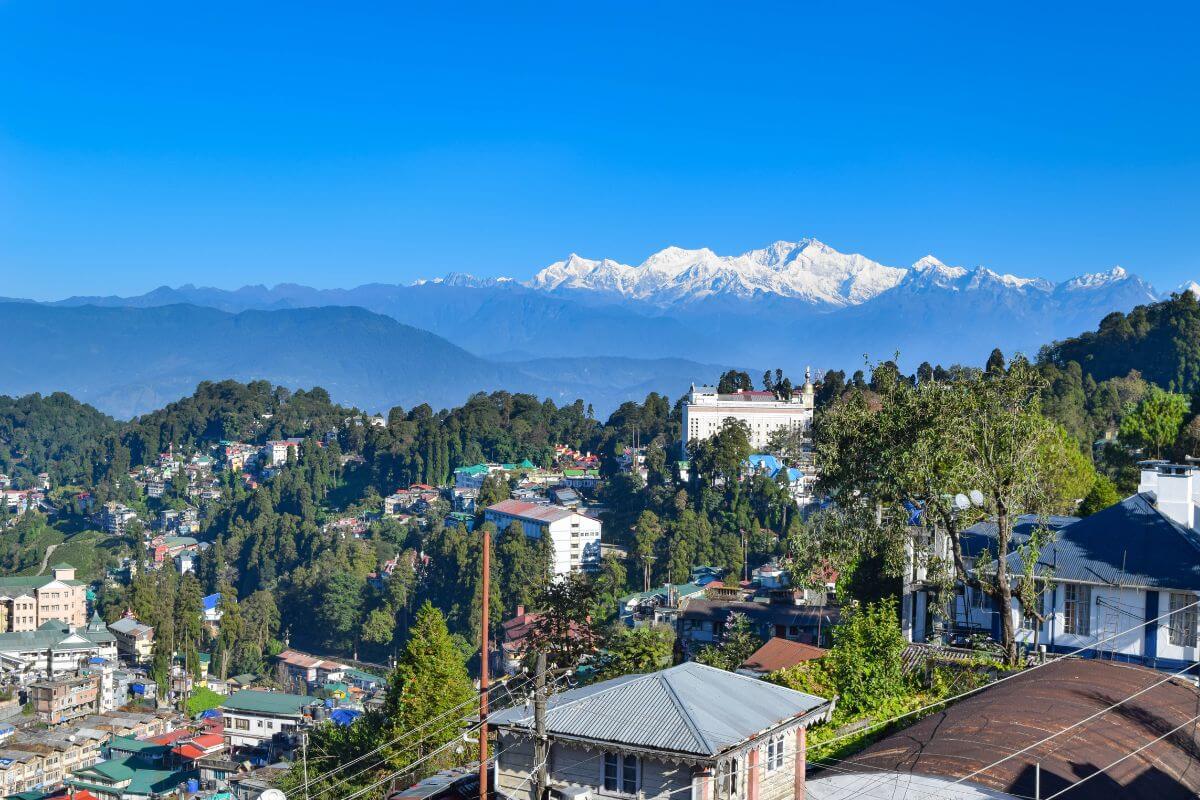
This is arguably the most beautiful time to trek here. Rhododendrons are in bloom along the lower trails; entire hillsides turn red, pink, and white. The sky is generally clear in the mornings before afternoon clouds build up. Temperatures are manageable at lower elevations, though it can still be cold above 4,000 meters at night. April and May are the sweet spot within this window, with April being particularly reliable for mountain views.
Autumn (September to November)
Post-monsoon, the air is washed clean, visibility is excellent, and the trails have mostly dried out. October is the most popular month across Nepal's trekking scene. Even on the Kanchenjunga Base Camp route, you will notice slightly more trekkers in October, though "slightly more" still means very few compared to Everest or Annapurna. Late September and early November are also excellent and less busy than peak October.
Winter (December to February)
Very cold. High passes can be blocked by snow. Tea houses at higher elevations may be closed. Not recommended unless you are highly experienced with cold-weather trekking and have the right gear.
Monsoon (June to August)
Trails get slippery and genuinely risky. Leeches are common at lower elevations, and they are relentless. Landslides are a real hazard, especially on the approach sections. Visibility is poor. Most experienced trekkers avoid this period entirely.
Month-by-Month Overview
| Month | Weather Conditions | Temp Range | Trekking Recommendation |
| January | It's very cold, snowfall is likely, and most tea houses are closed at high altitudes. | −10°C to 5°C | Not Recommended. Too cold, too risky, and too few facilities open to make it worthwhile. |
| February | Still cold but improving in the second half of the month. | −5°C to 8°C | Risky. Only consider it from the third week onwards with proper cold-weather gear. |
| March | Rhododendrons blooming, temperatures warming, visibility improving. | 0°C to 14°C | Recommended. A solid start to the trekking season with pleasant conditions throughout. |
| April | Clear skies, stable temperatures, and outstanding mountain views. | 5°C to 18°C | Best Time. The most reliable month on the calendar. If you can only go once, go in April. |
| May | Warm lower down, afternoon clouds building as pre-monsoon approaches. | 8°C to 20°C | Good. Early May is excellent. Start hiking early each day to catch the clearest skies. |
| June | The monsoon arrives, trails are slippery, and leeches are common at lower elevations. | 12°C to 22°C | Avoid. Rain is near daily, and landslide risk on approach sections is real. |
| July | Heavy rain, landslides, poor visibility, and hazardous trail conditions. | 14°C to 23°C | Avoid. The worst month of the year. No serious trekker attempts this route in July. |
| August | Peak monsoon, trail damage, flooding risk, and the lowest visibility of the year. | 13°C to 22°C | Avoid. Still deep in monsoon. Postpone your trip rather than risk it. |
| September | Monsoon clearing, air freshening, and trails drying out by late month. | 8°C to 18°C | Good. Aim to start after mid-September for the best conditions and fewer crowds. |
| October | Crystal-clear skies, sharp visibility, and the most stable weather of the year. | 3°C to 15°C | Best Time. The clearest views of Kanchenjunga Base Camp happen in October. Do not miss it. |
| November | Cooler, more stable, and quieter trails than in October, but views are still excellent. | −2°C to 10°C | Recommended. An underrated month. Great for those who want solitude on the trail. |
| December | Temperatures are dropping fast, and upper tea houses are closing by mid-month. | −8°C to 5°C | Risky. First two weeks only. Have a solid backup plan if weather turns early. |
Kanchenjunga Trek Cost Breakdown
The kanchenjunga trek cost varies based on your itinerary, group size, and the agency you book with. Here is a rough breakdown of what to expect:
| Expense | Estimated Cost (USD) |
| Restricted Area Permit (RAP) | ~$10 per person per week |
| Kanchenjunga Base Camp Conservation Area Permit (KCAP) | ~$20 |
| Licensed guide (per day) | $25–$40 |
| Porter (per day) | $18–$25 |
| Accommodation (per night) | $5–$15 |
| Meals (per day) | $10–$20 |
| Kathmandu to Taplejung flights (round trip) | $150–$250 |
| Trekking agency package fee | Varies by operator |
| Gear and equipment | Varies |
Total estimated cost: USD 1,800 to USD 3,000 for most trekkers booking through an agency. This includes guide and porter fees, permits, accommodation, meals, and local transport. It does not usually include international flights, travel insurance, or personal gear purchases.
Kanchenjunga Base Camp Trek Permits
The Kanchenjunga Base Camp region is a restricted area, which means you cannot simply show up and start walking. Two permits are mandatory, and both must be arranged through a registered agency.
1. Restricted Area Permit (RAP)
This is the primary permit for entering the restricted zone. As of March 22, 2026, the Department of Immigration updated its policy. Here's what you need to know:
- Fee: USD $20 per person per week (for the first four weeks); USD $25 per week thereafter.
- Solo Permits Now Allowed: Solo foreign trekkers can now obtain a RAP for the Kanchenjunga region; the previous two-person minimum requirement has been lifted.
- Mandatory Guide: Even though a solo permit is now possible, you are still required to hire a licensed trekking guide through your registered agency for the entire duration of the trek. Independent solo trekking remains prohibited.
- Agency Requirement: You cannot apply for this permit independently. All applications must go through a government-registered trekking agency. Walk-in individual applications are not accepted at the permit office.
2. Kanchenjunga Conservation Area Permit (KCAP)
This covers entry into the conservation area and is relatively straightforward to obtain through your agency. The fee is NPR 3,000 (approximately USD $22), valid for single entry with no time limit.
Both permits need to be arranged before you leave Kathmandu. Your agency will handle the paperwork, but allow a couple of days for this if you are arriving just before the trek.
Important: A licensed guide is mandatory by regulation. If you are found on this route without one, you will be turned back and may face fines. This is not something to try to work around in a region this remote; having a guide is genuinely in your interest regardless of the rules.
Tea House vs Camping Trek
This is one of the more practical questions people have about the kanchenjunga Base Camp trek. Tea houses are available in most villages along the main route. They are basic, simple rooms with thin mattresses, shared toilets, and limited electricity. But they work. You can usually find food and shelter at Taplejung, Mitlung, Ghunsa, and a few other stops.
Camping is common, especially in higher, more remote sections where no tea houses exist. Between certain stops, especially near Lhonak and Pangpema, camping is often the only option. Many agencies now offer semi-tea-house, semi-camping itineraries, which is the most practical approach for this route.
| | Tea House | Camping |
| Comfort level | Moderate | Lower |
| Cost | Lower (per day) | Higher (equipment and cook costs) |
| Flexibility | Less flexible, fixed stops | More flexible |
| Availability | Limited above certain altitudes | Required in high remote zones |
| Meals | Tea house menu (simple) | Camp-cooked (often more variety) |
| Setup effort | None | Daily tent setup and breakdown |
For most trekkers, a combination of both is the realistic experience on this route. Discuss this clearly with your agency before you book so there are no surprises on day ten when you expected a bed and found a tent.
Accommodation and Food
Food on the Kanchenjunga Base Camp trek is simple but filling. Dal bhat (rice and lentil soup) is the staple; it is warm, cheap, and surprisingly energizing. You will also find noodles, soup, eggs, potatoes, and, on good days, some kind of vegetable dish.
Do not expect a menu with options. Some tea houses in remote sections offer just two or three things. Eat what is available, drink plenty of warm fluids, and carry some energy snacks of your own. Accommodation is basic but functional. Some tea houses have attached bathrooms. Many have shared facilities. Hot showers (often solar-heated) are available at a few stops for an extra charge.
Packing List for Kanchenjunga Base Camp Trek
The kanchenjunga trek packing list needs to be lean and functional. You need enough to stay safe and comfortable across a wide range of conditions, but not so much that your pack becomes punishing from day one.
A useful rule: lay out everything you plan to bring, then remove 20 percent. You will find you do not miss most of it.
Upper Body Clothing
- Moisture-wicking base layer (thermal)
- Fleece mid-layer
- Down or synthetic insulated jacket
- Waterproof and windproof outer shell
- 2–3 trekking t-shirts
- Sun hat and warm beanie
- Lightweight gloves and heavier gloves for high altitude
Lower Body Clothing
- 2 pairs of trekking pants (one lighter, one heavier or lined)
- Thermal bottom layers for cold nights
- Comfortable moisture-wicking innerwear (merino wool works well)
- Waterproof or water-resistant pants for rain and snow
Footwear
- Sturdy waterproof trekking boots broken in before the trek, not on day one of it
- 4–6 pairs of good trekking socks (wool or synthetic blends)
- Camp shoes or light sandals for evenings at tea houses when your feet need to breathe
Sleeping Gear
- Sleeping bag rated to at least -15°C; this matters more than most people realize.
- Nights above 4,000 meters are genuinely cold. Do not bring a summer bag and hope for the best.
- Sleeping bag liner for extra warmth and hygiene
Health and First Aid
- Basic first aid kit (bandages, antiseptic, blister plasters)
- Personal prescription medicines
- Diamox (acetazolamide) for altitude sickness: consult your doctor first
- Oral rehydration salts
- Anti-diarrhea medication
- Sunscreen (SPF 50+) and lip balm
- Hand sanitizer
Essential Gear
- 40–50 litre trekking backpack
- Trekking poles (two not optional at this level)
- Headlamp with extra batteries
- Water bottles or hydration bladder
- Water purification tablets or filter
- Portable charger or power bank
- Camera (optional, but you will want one)
- Trekking map and compass
How to Prepare for Kanchenjunga Base Camp Trek
Knowing how to prepare for kanchenjunga trek properly is what separates a good experience from a genuinely difficult one. Start at least 3 to 4 months before your departure date.
- Cardio and endurance training: Run, cycle, swim, do anything that gets your heart rate up consistently. Aim for 4–5 sessions per week. Build up duration gradually.
- Hiking practice: The best way to train for a trek is to go on shorter treks. Do weekend hikes with a loaded pack. Climb stairs with weight. Get your legs used to long walking days.
- Strength training: Work on your legs, core, and back. Squats, lunges, and step-ups will help more than you think.
- Altitude preparation: If you can, trek at altitude before this trip. Even Langtang or Annapurna Base Camp will give you a sense of how your body reacts to thin air.
- Mental preparation: This is the part people skip. Fourteen days into a remote trek, when it is raining and your legs hurt and the tea house food is the same as yesterday, your mindset will matter as much as your fitness. Go in with realistic expectations.
Preparation is not something you can rush on a trek like this. Start early, be consistent, and give yourself enough time to actually get ready, not just ready enough.
Who Should Do This Trek
This trek is a good fit if you:
- Have done multi-day high-altitude treks before (at least 10–14 days at altitude)
- Are physically fit and have been genuinely training for this, not just thinking about it
- Are comfortable with basic or very basic accommodation
- Want a genuinely remote, off-the-beaten-path experience
- Are patient, adaptable, and okay with things not going exactly to plan
- Have a love of mountains that goes beyond collecting photos
This trek is not ideal if you
- Are a first-time trekker with no multi-day hiking experience
- Need reliable WiFi, hot showers, or comfortable beds
- Have a tight and inflexible travel schedule
- Are not willing to seriously train in the months before the trip
- Have a history of altitude-related illness or existing respiratory conditions
Common Mistakes to Avoid
Most problems on the Kanchenjunga Base Camp trek are not caused by bad luck. They are caused by poor planning, overconfidence, or simply not knowing what to expect. These are the mistakes that catch trekkers out most often, and all of them are avoidable.
- Skipping acclimatization days: This is the biggest one. People get excited and want to push forward. But altitude sickness can end your trek or worse. Take the rest days. They are built into the itinerary for a reason.
- Packing too heavy: You will regret every extra kilogram by day five. A porter can carry some of your load, but keep your day pack lean. Do not bring things "just in case."
- Underestimating the difficulty: Some people read "20 to 26 days" and think it will be relaxing. It will not be. Prepare accordingly.
- Booking with an inexperienced agency: The Kanchenjunga Base Camp region is remote. If something goes wrong, you want a reliable, experienced team behind you. Do your research before committing to an operator.
- Not carrying cash: There are no ATMs once you leave Taplejung. Bring enough Nepali rupees to cover your entire trek. Do not assume you can pay with cards.
None of these mistakes are complicated to avoid. They just require thinking ahead. A little extra planning before you leave saves a lot of suffering once you are out there.
Why Choose Kanchenjunga Base Camp Trek
There are easier treks in Nepal. There are more famous ones with better marketing budgets and glossier photos online. But few can match what Kanchenjunga Base Camp gives you.
- Solitude: You will meet very few other trekkers on this route. Some days, you might not see any. That kind of quiet is increasingly hard to find in the Himalayas.
- Untouched nature: The forests here are dense and wild. You will see red pandas (if you are lucky), Himalayan wildlife, and landscapes that have not changed much in decades.
- Cultural richness: The villages along this route, many of them Tibetan-influenced, have a way of life that feels completely separate from the modern world. People are genuinely warm and welcoming.
- The mountain itself: Kanchenjunga Base Camp is the third-highest peak in the world, at 8,586 meters. Seeing it up close, in its full scale, from either base camp is something that stays with you.
If you want a trek that feels genuinely earned, this is it. Not polished, not crowded, not easy but absolutely worth it.
Safety Tips for the Trek
The Kanchenjunga Base Camp trail is remote, high, and unforgiving if things go wrong. There are no hospitals nearby, no quick exits, and no room for careless decisions. These are not optional suggestions; they are the basics that keep you safe out there.
- Always trek with a licensed guide. This is a legal requirement and a practical one.
- Stay hydrated. Drink at least 3–4 liters of water per day. More at high altitude.
- Know the signs of altitude sickness. Headache, nausea, loss of appetite, dizziness, shortness of breath take these seriously.
- Follow the golden rule: If symptoms worsen, descend immediately.
- Carry a basic emergency kit and know how to use it.
- Keep your trekking agency informed of your daily progress if possible.
- Get proper travel insurance that covers high-altitude trekking and emergency evacuation. This is non-negotiable.
The mountains reward preparation and good judgment. Follow these basics and you give yourself the best chance of coming back with great memories.
Kanchenjunga Base Camp vs Everest and Annapurna Treks
If you are deciding between these three classic routes, here is an honest side-by-side:
| | Kanchenjunga Base Camp | Everest Base Camp | Annapurna Circuit |
| Difficulty | Hard | Moderate–Hard | Moderate |
| Duration | 20–26 days | 12–16 days | 12–21 days |
| Crowds | Very few | Very crowded | Moderate |
| Trail infrastructure | Basic | Well-developed | Well-developed |
| Permit complexity | High (restricted area) | Moderate | Low |
| Tea house quality | Basic to very basic | Good to excellent | Good |
| Unique selling point | Remote, raw, untouched | Iconic, world-famous | Diverse landscapes and culture |
| Best suited for | Experienced trekkers | All experience levels | All experience levels |
| Cost | Higher | Moderate | Lower to moderate |
Kanchenjunga Base Camp is not better or worse than Everest Base Camp or Annapurna. It is a genuinely different type of experience. If you want drama, scale, and solitude without the crowds that now define the more famous routes, this is your trek.
Choose Footprint Adventure for Your Trek
Trekking in a restricted area with limited facilities is not the place to cut corners on your operator choice. Footprint Adventure has been running treks in Nepal's remote regions for years. The team knows the Kanchenjunga Base Camp route, the trail variations, the tea house options, the acclimatization schedule, and what to do when plans change because the mountains do not always cooperate.
What you get with us:
- Experienced, licensed local guides who know this region personally
- Well-planned itineraries with proper acclimatization built in
- Transparent pricing: no hidden costs once you are on the trail
- Flexible support before, during, and after your trek
- All permits arranged for you
- Real help, not a call center
If you have questions before booking, we are happy to help you figure out the right itinerary for your fitness level and timeline.
Final Thoughts
The Kanchenjunga Base Camp trek is not for everyone. That is not a criticism; it is just honest. It demands real preparation. It takes more days than most people can spare. The trail is remote, the facilities are basic, and there are no shortcuts once you are out there.
But for the right person, someone who has put in the training, who wants a genuine mountain experience without Instagram crowds, and who is ready to be uncomfortable in exchange for something unforgettable, this trek delivers in a way that few others can.
You will walk through forests most travelers never see. You will sleep in villages that feel completely untouched by modern tourism. And you will stand at the base of the third-highest mountain on Earth with almost no one else around.
That is rare. And honestly, that is worth quite a lot. If you are thinking about it, start your preparation now. The best trekkers on this route are the ones who showed up ready, not the ones who showed up hoping it would be easier than expected.
Explore our Kanchenjunga Circuit Trek package to see full itinerary options, pricing, and group dates.
FAQs
How difficult is the Kanchenjunga Base Camp Trek?
The Kanchenjunga Base Camp Trek is considered challenging. You walk 6 to 8 hours daily on remote trails and reach high altitudes above 5,000 meters. Good fitness and prior trekking experience are important.
How many days does the Kanchenjunga Base Camp Trek take?
The trek usually takes around 20 to 26 days. The duration depends on your itinerary, acclimatization days, and walking pace.
Do I need a guide for the Kanchenjunga Trek?
Yes, a licensed guide is mandatory. The Kanchenjunga region is a restricted area, so you cannot trek alone. You must go with a registered trekking agency.
What permits are required for the Kanchenjunga Trek?
You need two permits: the Restricted Area Permit (RAP) and the Kanchenjunga Conservation Area Permit (KCAP). Both are mandatory and must be arranged before starting the trek.
What is the best time for the Kanchenjunga Base Camp Trek?
The best time is spring (March to May) and autumn (September to November). The weather is clear, and the views are better during these seasons.
How much does the Kanchenjunga Base Camp Trek cost?
The cost usually ranges from USD 1,800 to USD 3,000. It depends on your itinerary, guide service, accommodation, and transportation.
Is accommodation available on the Kanchenjunga Trek?
Yes, but it is basic. You will find simple tea houses in most villages. In remote areas, camping may still be needed.
Is the Kanchenjunga Trek safe?
Yes, the trek is safe if you go with a guide and prepare well. The main risks are altitude sickness and remoteness, so proper planning is important.