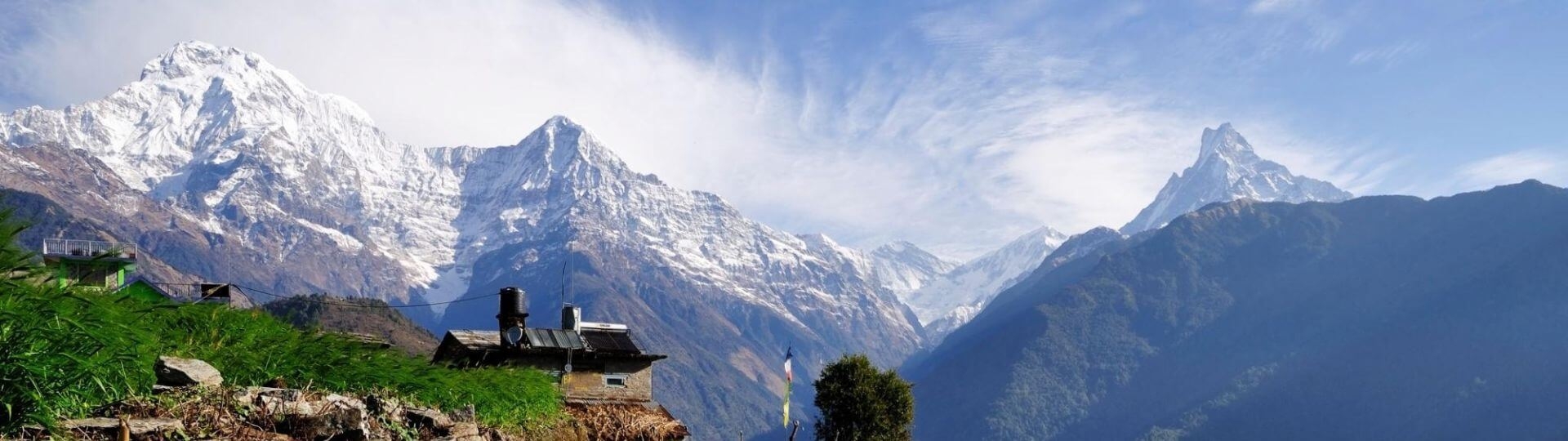

The Annapurna Trek draws trekkers from every corner of the world and for good reason. Towering peaks, ancient villages, rhododendron forests, and some of the most dramatic trail systems on earth make this one of Nepal's greatest trekking destinations. But Annapurna is also unforgiving. Altitude, weather, and remote terrain don't care how enthusiastic you are.
Knowing the do's and don'ts in the Annapurna region before you lace up your boots isn't optional; it's the difference between a life-changing adventure and a dangerous situation you could have avoided. This guide is written for beginners, solo trekkers, international visitors, and families planning their first or second Himalayan trek. It covers safety, culture, food, gear, permits, and everything else that actually matters on the trail.
Footprint Adventure has guided trekkers through the Annapurna region for years. What follows is practical advice drawn from real experience, not generic travel tips.
Annapurna trekking safety starts well before you reach the trailhead. Most problems trekkers face: altitude sickness, getting lost, food poisoning, or being stranded in sudden snowfall, happen because of avoidable preparation gaps.
Here's what catches beginners off guard most often:
Responsible trekking also matters here. The Annapurna Conservation Area is fragile. The teahouse economy along the trail depends directly on trekkers behaving like guests, not tourists.
Good Annapurna trekking tips aren't complicated, but they need to be followed consistently, especially at altitude where your judgment can be subtly impaired without you realizing it. The essential do’s in the Annapurna Region are:
Acclimatization is the most important variable in high-altitude safety. Your body needs time to adjust to lower oxygen levels, and rushing that process causes Acute Mountain Sickness (AMS).
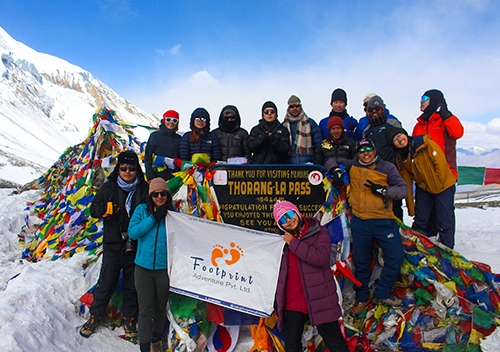
Plan a rest day in Manang (3,519m) before attempting Thorong La. Walk slowly. If you feel a headache coming on, stop; don't push through it.
Key signs of AMS to watch for:
Drink 3 to 4 liters of water daily at altitude. Dehydration amplifies AMS symptoms significantly. Walk at your own pace, not your guide's or your trekking partner's.
What you pack directly affects your safety and comfort. The Annapurna Circuit and ABC trek both pass through zones where temperatures can drop below freezing even in spring and autumn.
Essential gear checklist:
Recommended Read: Annapurna Circuit Trek Packing List
The villages along the Annapurna trails: Gurung, Magar, Thakali, and Tibetan communities, have their own customs. A little awareness goes a long way.
A licensed guide isn't just a convenience on Annapurna, it's a genuine safety asset. They know when weather is turning, which trails are passable, and what to do if someone in your group develops symptoms at high altitude.
Beyond safety, local guides offer something no app can replace: cultural context, trail knowledge built over years, and real relationships with teahouse owners along the route. Hiring a porter also reduces the physical burden significantly, letting you focus on enjoying the scenery rather than grinding through it exhausted.
Supporting local tourism workers is also part of responsible trekking in the Annapurna region. It keeps the economy connected to conservation.
Ready to explore the Annapurna region? Let Foodprint Adventure help you plan a safe, meaningful, and stress-free journey with expert local guides, personalized support, and unforgettable mountain experiences.
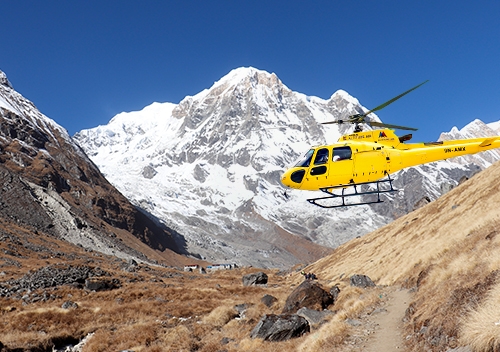
This is non-negotiable. Helicopter evacuation from high-altitude areas in Nepal costs between USD $3,000 and $10,000 or more depending on location and circumstances. Without insurance, you're either gambling with your finances or staying on the trail longer than is safe.
Make sure your policy explicitly covers:
Get the details sorted before you fly to Nepal.
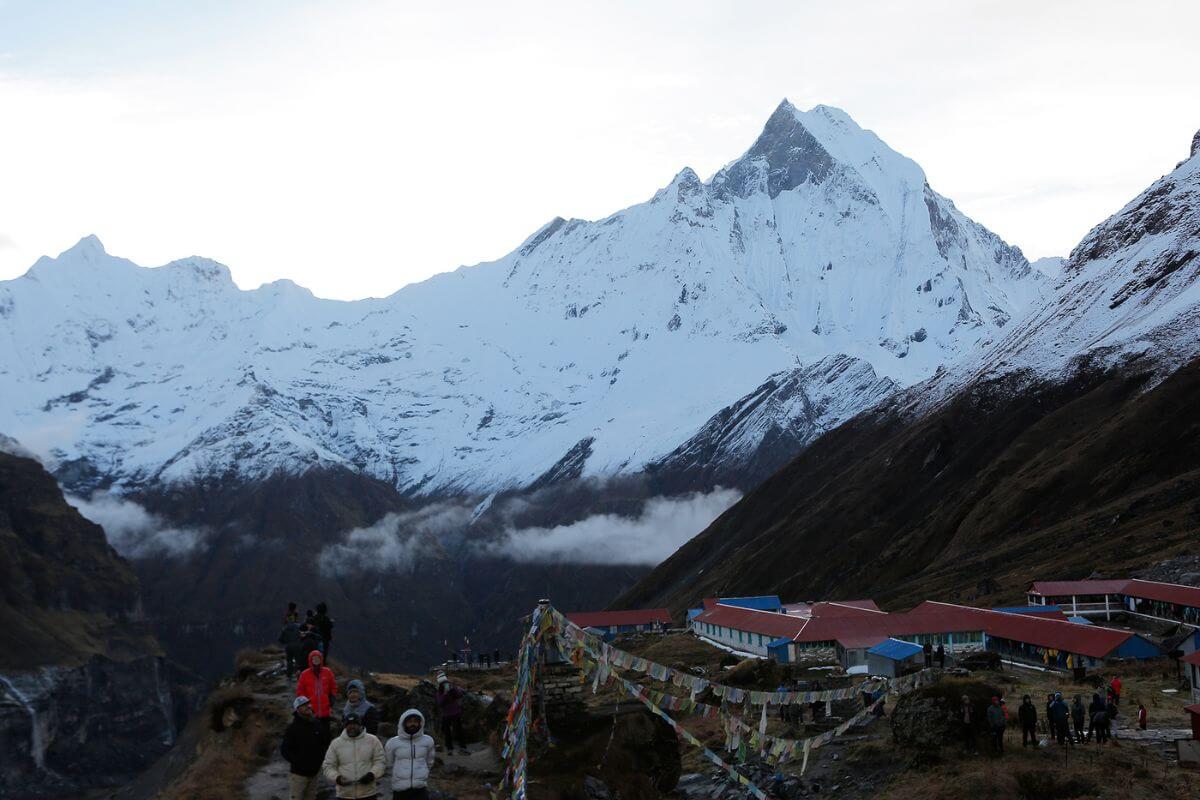
Knowing what not to do on the Annapurna trail is just as important as having the right gear. These are the mistakes that turn a good trek into a bad one or a dangerous one.
The golden rule of Annapurna trek safety: if in doubt, descend. AMS can escalate to High Altitude Pulmonary Edema (HAPE) or High Altitude Cerebral Edema (HACE), both life-threatening conditions that develop fast.
If you or anyone in your group shows worsening symptoms: confusion, loss of coordination, severe headache, or difficulty breathing, descend immediately. Don't sleep on it. Don't hope it improves by morning.
There's no prize for reaching Thorong La or Annapurna Base Camp faster than planned. Every extra day you give yourself for acclimatization is a day that reduces your risk significantly. Trekkers who push the pace to hit an arbitrary schedule are the ones who end up being evacuated.
Follow the "climb high, sleep low" principle: short altitude hikes during the day are fine, but always return to a lower elevation to sleep.
Physical fitness preparation matters more than most people admit. You don't need to be an elite athlete, but you should be comfortable walking 6–8 hours a day with a loaded pack before you arrive.
Mental readiness is part of it too. There will be cold mornings, tired legs, and stretches where the trail feels relentless. That's normal. Expect it.
Enjoy stunning mountain views, peaceful villages, and a thrilling helicopter ride with the unforgettable Annapurna Base Camp Helicopter Tour from Pokhara with Footprint Adventure.
Plastic waste is a serious problem in Nepal's trekking regions. The Annapurna trail has improved over the years, but irresponsible trekker behavior still leaves a visible mark.
Pack out everything you pack in. Use refillable water bottles; most teahouses sell boiled or filtered water. Avoid single-use plastic wherever possible. Don't bury trash or leave it off-trail.
"Leave No Trace" isn't just an outdoor principle here; it's a direct act of respect for the communities and ecosystems you're walking through.
The Annapurna region is known for dramatic weather shifts. Even in the best seasons, spring and autumn, a clear morning can turn into heavy snowfall by afternoon at high altitudes. During monsoon season (June–August), trail conditions deteriorate significantly with flooding, landslides, and limited visibility.
Check weather forecasts daily. Carry your rain gear and insulating layers even if you set out in sunshine. If a local guide or teahouse owner tells you the weather is turning, listen to them; they've seen it before.
The Annapurna Conservation Area is home to snow leopards, red pandas, Himalayan tahr, and hundreds of bird species. Keep noise levels down in forested zones. Don't feed animals; it disrupts their natural behavior. Stay on marked trails to avoid damaging habitat.
Food and water safety is one of the most overlooked parts of Annapurna trekking preparation. Getting sick on the trail at altitude is significantly worse than getting sick at sea level.
The teahouses along the Annapurna circuit and ABC trek serve a solid range of hot, cooked meals. Stick to these.
Best options:
Hot meals are always safer than cold ones at altitude. Heat kills pathogens that cold storage doesn't.
Recommended Read: Best Time for Annapurna Base Camp Trek
Some things that are fine at sea level become real risks on the trail.
Tap water and stream water on the trail are not safe to drink untreated. Your options:
| Method | Effectiveness | Best For |
| Boiled water (from teahouse) | High | Daily hydration |
| Water purification tablets | High | Backup/emergencies |
| UV purifier (SteriPen) | Very high | Reusable, fast |
| Filter bottle (LifeStraw, etc.) | High | Convenience |
Avoid buying single-use plastic water bottles; they're expensive on the trail and create waste, and most teahouses have better alternatives.
Guided or Independent trekking in the Annapurna Region? This is one of the most common questions Annapurna trekkers ask, and Annapurna solo trekking rules have evolved in recent years.
| Factor | Guided Trek | Independent Trek |
| Safety at altitude | High | Moderate–Low |
| Navigation | Guide handles it | Your responsibility |
| Emergency support | Immediate local network | You manage it |
| Cost | Higher | Lower |
| Flexibility | Moderate | High |
| Best for | Beginners, solo trekkers, families | Experienced trekkers with Himalayan experience |
A licensed guide provides navigation support, language help with local communities, emergency response knowledge, and real-time weather awareness. On complex sections of the circuit, particularly near Thorong La, their assistance makes a measurable difference to your safety margin.
Without a guide, route-finding becomes your full responsibility. Trail markers aren't always clear, especially in poor weather. Logistics: food, accommodation, and permits require significantly more preparation. If something goes wrong, your response time to get help is longer.
Independent trekking is also harder than it looks on paper. Being alone at 4,500 meters with an uncertain route is a very different experience from being alone at sea level.
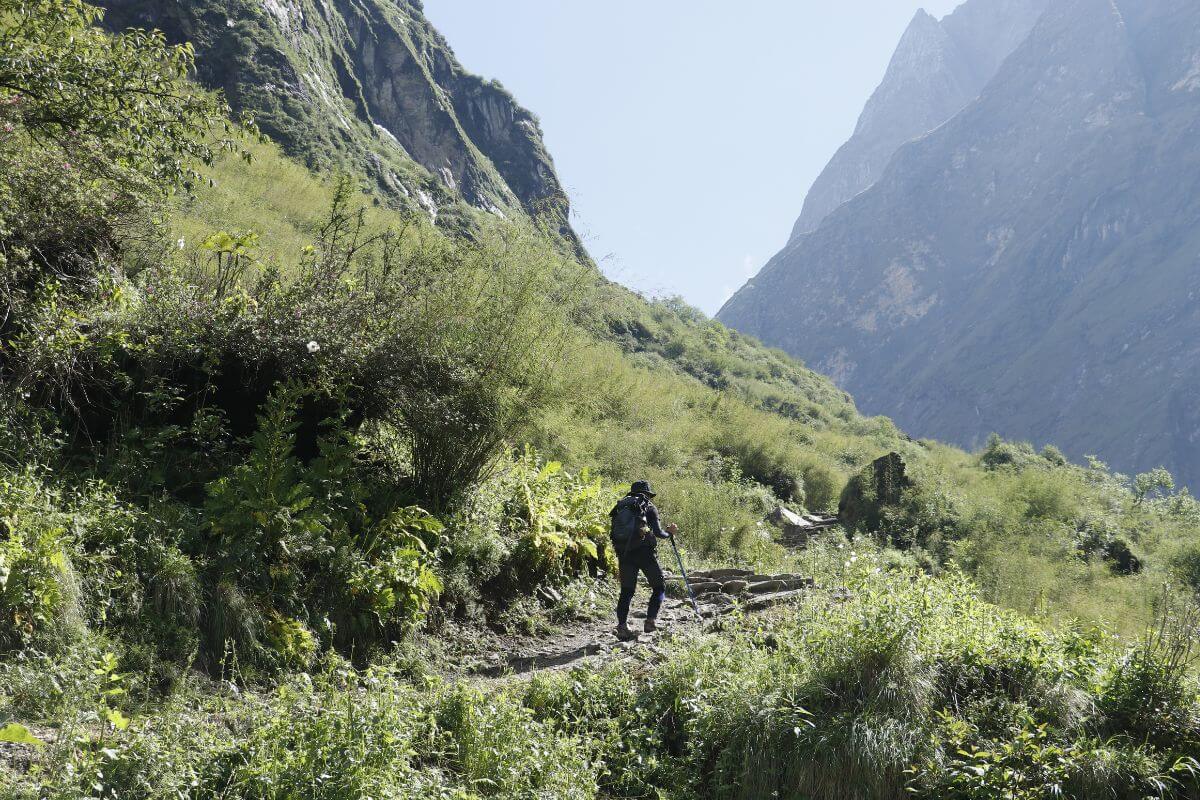
If this is your first high-altitude trek or your first time in Nepal, hire a guide. The cost is modest relative to your overall trip expenses, and the safety benefit is substantial. You can always trek independently once you've learned the terrain, the altitude dynamics, and the local systems firsthand.
Recommended Read: Beginner's Guide to Annapurna Base Camp Trek
At Footprint Adventure, we've spent years helping trekkers navigate the Annapurna region safely and responsibly. Our approach is built on three things: deep local knowledge, genuine safety planning, and routes designed around your fitness level and goals.
Our guides are licensed, certified, and from Nepal. They know the Annapurna trails through years of experience, not just maps. They speak the languages, know the teahouse owners, and understand exactly how local conditions shift across seasons.
Every itinerary we plan includes proper acclimatization days. We build in flexibility for weather delays and monitor group health proactively. Emergency protocols, including evacuation planning and medical kit requirements, are standard, not optional extras.
We work with solo travelers, couples, small groups, and families. Whether you're doing the full Annapurna Circuit, a shorter Annapurna Base Camp trek, or a custom route, we'll design an itinerary that matches your pace and priorities.
The do's and don'ts in the Annapurna region come down to three things: preparation, pacing, and respect. Prepare your body and your gear before you arrive. Move at a pace that lets your body adjust to altitude. Respect the environment, the wildlife, and the communities who call this landscape home.
Small mistakes that would be inconveniences elsewhere become serious problems at 4,000 meters. That's not a reason to be afraid of Annapurna; it's a reason to take it seriously. The trekkers who have the best experiences here are rarely the strongest or the fastest. They're the most prepared and the most present.
Planning your Annapurna adventure? Contact Footprint Adventure for expert-guided trekking, customized itineraries, and safe Himalayan journeys designed for every type of traveler.
Yes, Annapurna trekking is safe for beginners who prepare properly. Walk slowly, acclimatize at rest stops like Manang, drink plenty of water, and hire a licensed guide. The trails are well-established, but altitude adds a layer of risk that preparation directly reduces.
Yes, always. Travel insurance with high-altitude trekking coverage and helicopter evacuation is essential. Emergency rescue from the Annapurna region can cost thousands of dollars; insurance makes that a non-issue if the worst happens.
Some routes are possible independently, though Nepal trekking regulations have changed in recent years and certain areas now require a licensed guide. Even where solo trekking is permitted, a guide improves safety and navigation significantly, especially above 4,000 meters.
Spring (March to May) and autumn (September to November) offer the best conditions: stable weather, clear mountain views, and safe trail conditions. Avoid the monsoon season (June–August) unless you have specific experience with wet-weather Himalayan trekking.
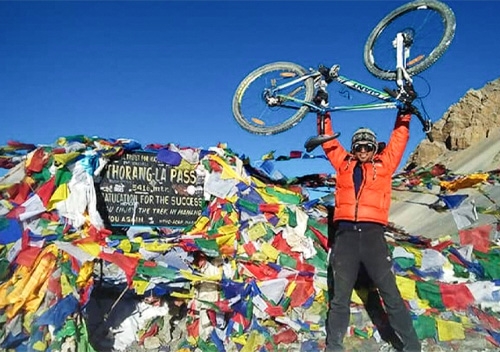
Difficulty varies by route. Annapurna Base Camp (ABC) is moderately challenging, suitable for fit beginners with good preparation. The Annapurna Circuit is longer and more demanding, particularly the Thorong La crossing at 5,416 meters. Both require good physical fitness and proper acclimatization.
Most Annapurna treks require the ACAP permit (Annapurna Conservation Area Project). Some routes also require a TIMS card (Trekkers' Information Management System). Requirements can change, so make sure to confirm current regulations with your trekking agency or the Nepal Tourism Board before departure.
Carrying a heavy pack at altitude significantly increases fatigue and your AMS risk. A porter manages the weight so you can focus on your pace and enjoy the experience. It also supports the local economy directly; porter wages represent vital income for trail communities.