How to Choose the Right Trek in Nepal Based on Your Fitness Level
How to Choose the Right Trek in Nepal Based on Your Fitness Level
Modified on Jan 9, 2026
Trekking in Nepal provides a unique experience, and there are options in terms of trekking routes for every fitness level and experience. Since the Himalayas extend across the entirety of the country, there are several treks in Nepal suitable for different fitness levels. One can choose from easy hikes at lower altitudes to challenging high-altitude expeditions that require advanced physical ability. It is essential to understand how to select treks in Nepal based on your fitness level, ensuring both safety and enjoyment while trekking in Nepal.
Selecting a trek appropriate for your relative fitness level will reduce your risks for over-exertion, altitude sickness, and injuries, allowing you to enjoy the breathtaking natural beauty of Nepal fully. There are Nepal trekking for different fitness levels, so if you are a beginner looking for easy to moderate fitness level treks in Nepal or an advanced trekker preparing for strenuous high-altitude trekking fitness Nepal requires, you will find suitable trails.
To successfully trek in Nepal, it is practical to consider various components of your fitness: your endurance for long hikes each day, your strength for uphill hikes, and your adaptability to weather and altitude. Treks are graded from easy to strenuous depending on trail conditions, distance per day, elevation gain, altitude, etc, and they will almost always correlate to the trekker's level of fitness.
By thoroughly assessing your physical condition, including cardiovascular, endurance, and experience with uneven terrain, you are able to determine the best trekking routes in Nepal by fitness category for you. There are beginner and moderate treks best suited for beginners or those who have a moderate fitness level, with accessible hiking times and lower altitudes. In contrast, difficult and demanding routes require high-level fitness and proper acclimatization.
If you are planning to trek in Nepal and wondering how to choose the right trek based on fitness level, this guide can help you realistically assess your fitness, understand trekking grades, and choose the trek that matches your physical ability. Whether you are aiming for moderate fitness level treks in Nepal or challenging high-altitude adventures, knowing how to select your trek based on fitness ensures a safe, enjoyable, and memorable experience in the Himalayas.
Table of Content
Understanding the Difficulty Levels of Treks in Nepal
Before trekking in Nepal, it is essential to understand that the country is located within the Himalayas, and the elevation of Nepal ranges from 59 meters (194 feet) at Mukhiyapatti Musharniya in the Dhanusha District to 8,848 meters (29,029 feet) at Mount Everest. The significant range in elevation makes trekking in Nepal exceptionally varied, offering treks that suit every level of trekker.
The Nepal trek difficulty level is generally categorized in four grades: Easy, Moderate, Challenging, and Strenuous (Expedition). Grades are based on factors such as the altitude, daily walking hours, trail conditions, trekking length, climate, and total distance. Knowing the trekking grade will help trekkers decide which trekking routes are appropriate for their fitness level and level of experience.
Grade A (Easy)
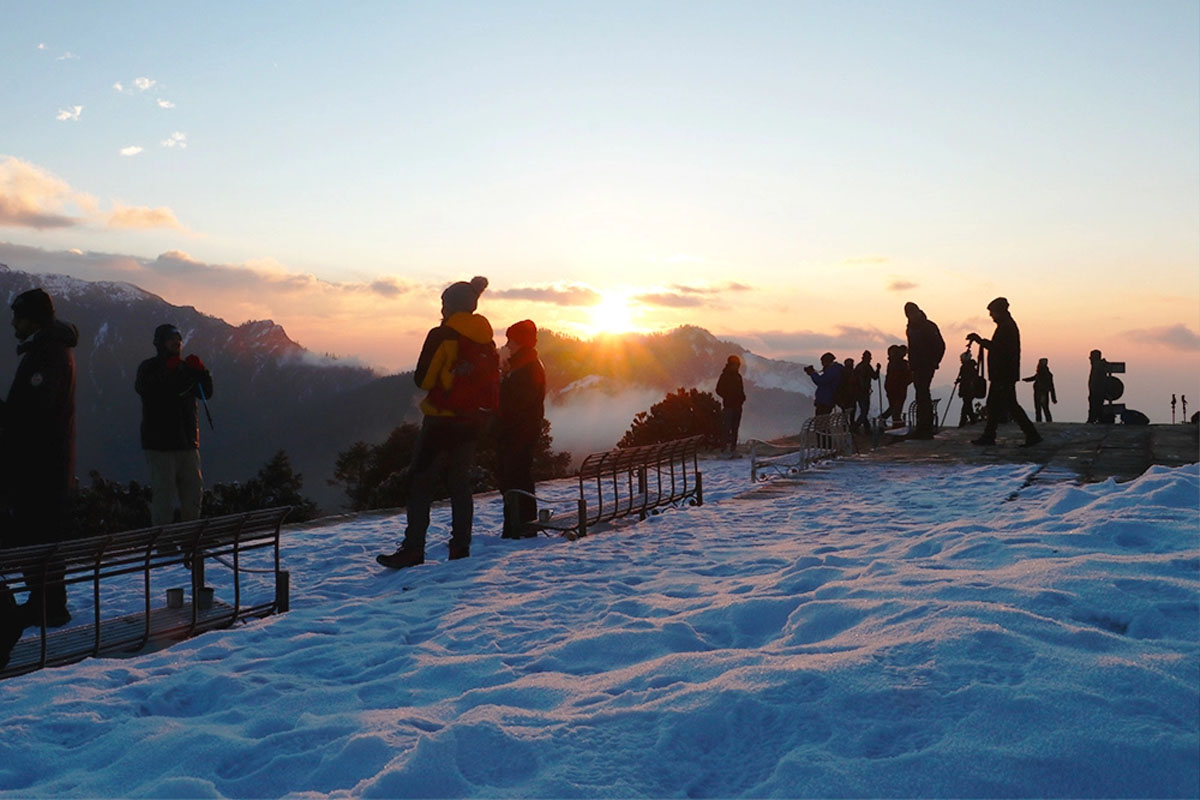
Easy treks go up to around 3,000 meters (9,842 feet) and do not require any acclimatisation. The trails are gentle and well-marked, with teahouses or lodges available for trekkers along the way. Trekkers typically hike for around 5 to 6 hours per day for a number of days. Easy treks are a great option for beginning trekkers or those of average fitness levels. They are suitable for all ages and do not require prior hiking experience.
Ghorepani Poonhill Trek
Grade B (Moderate)
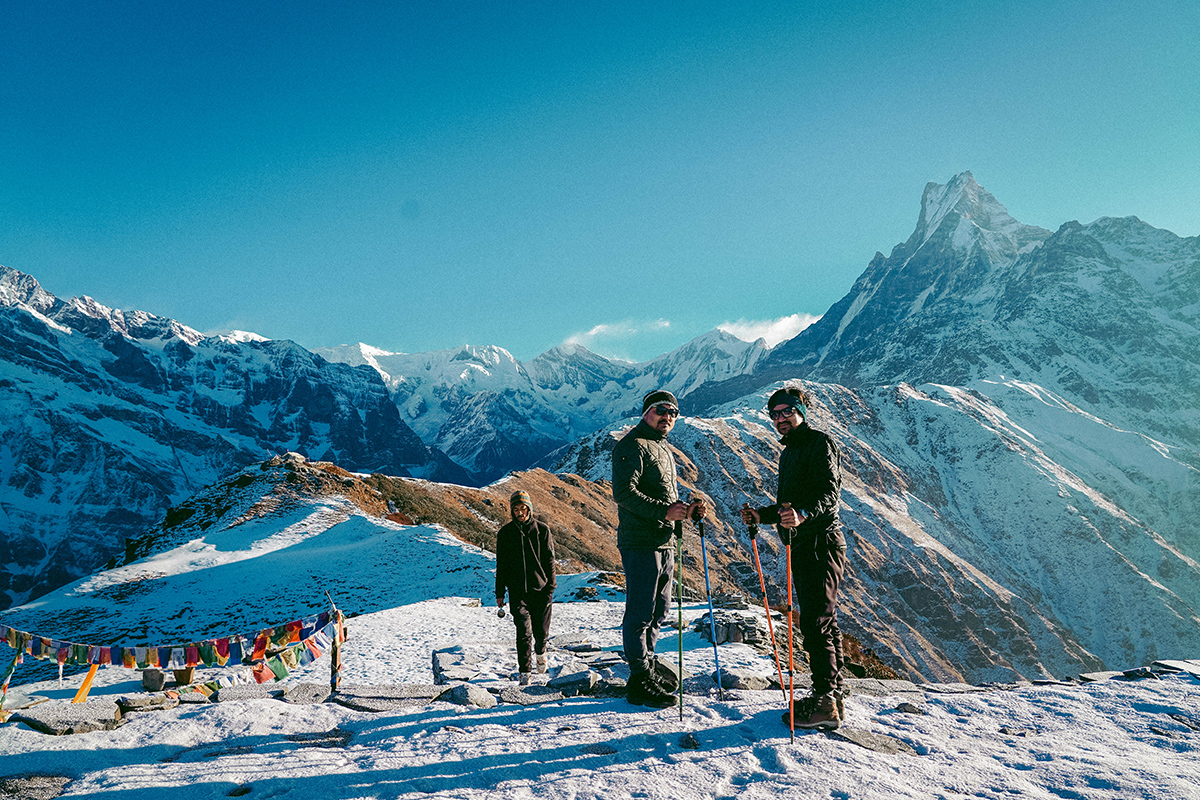
Moderate treks reach elevations of approximately 4,500 meters (14,764 feet), and trekkers should allow 1-2 days to acclimatize to minimize the risk of Acute Mountain Sickness (AMS). The trails have varying grades, including gradual and steep stretches, with paths that are well-maintained and the availability of teahouses frequently along the way. Generally, trekkers will walk during the day for 4 to 6 hours per day. These treks are most suitable for individuals with a reasonable level of fitness and stamina who enjoy lengthy walking days. A good level of fitness is important, and as well, some pre-trek prep hiking is beneficial.
Mardi Himal Trek
Grade C (Hard/ Challenging)
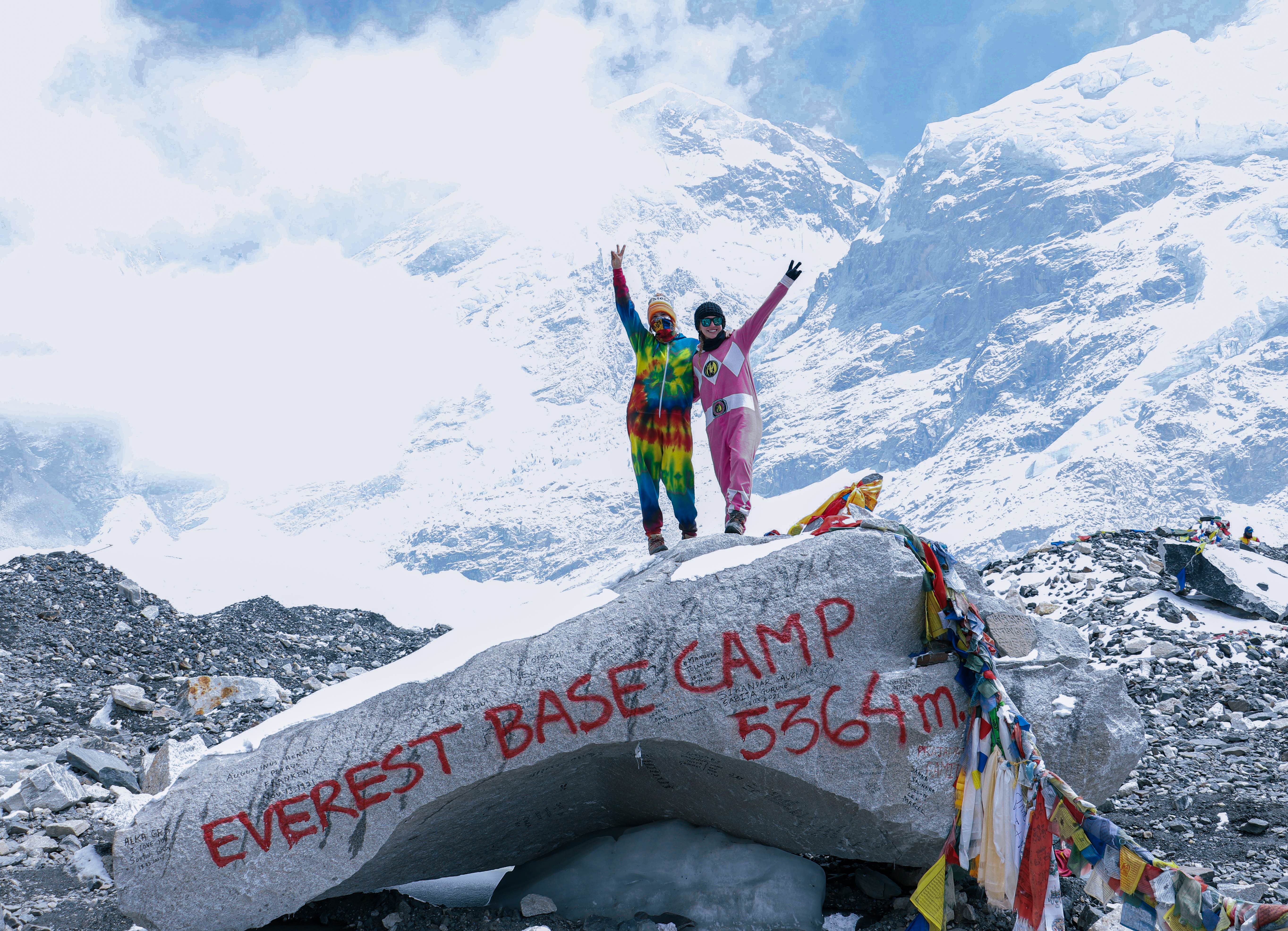
Difficult treks exceed 5,000 meters (16,404 feet), and you will be required to acclimatize due to the height. The routes take you through rocky terrain, into high mountain passes, and sometimes snow with possible glacier crossings. Trekkers typically walk for more than 6 hours each day. These treks will be challenging and will require strong physical fitness, stamina, and endurance.
Everest Base Camp Trek
Grade D (Strenuous)
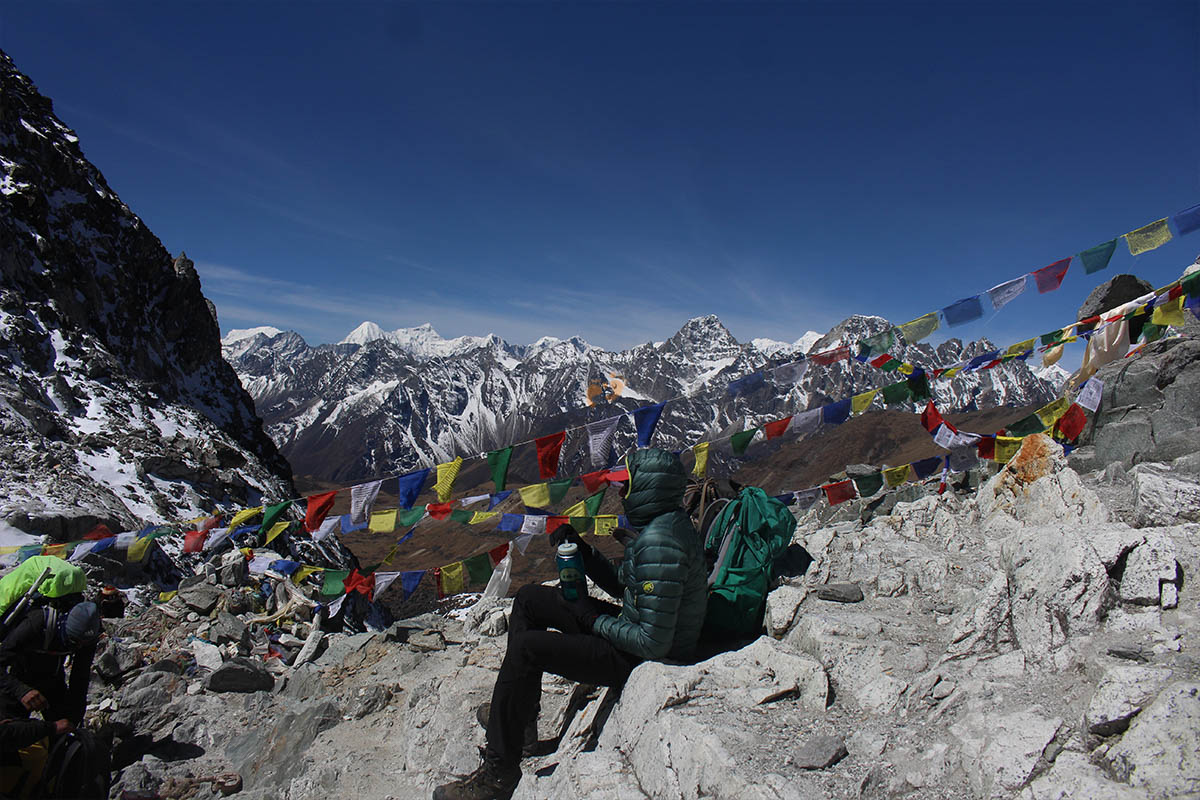
Strenuous treks ascend to above 5,500 meters (18,044 feet) and lead through snowy, rocky trails in a remote setting. Trekkers must adequately acclimatize and spend full days trekking in difficult conditions. Completing these treks requires a great deal of stamina, fitness, and mental toughness; trekkers often use technical skills, such as climbing or using crampons or ice axes. These treks can involve crossing high mountain passes and combining remote trails.
Everest Three Pass Trek
Grade E ( Very Strenuous )
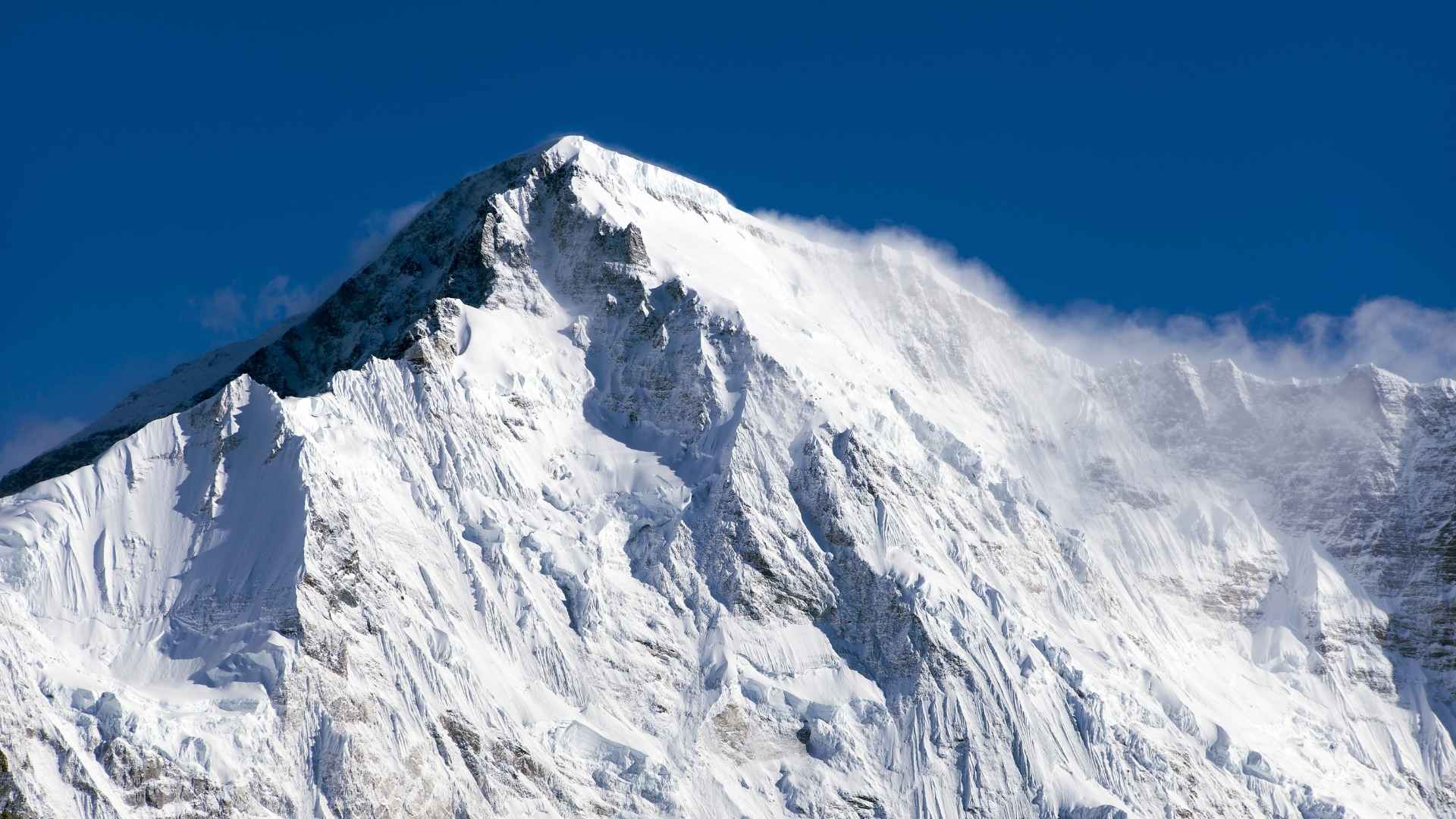
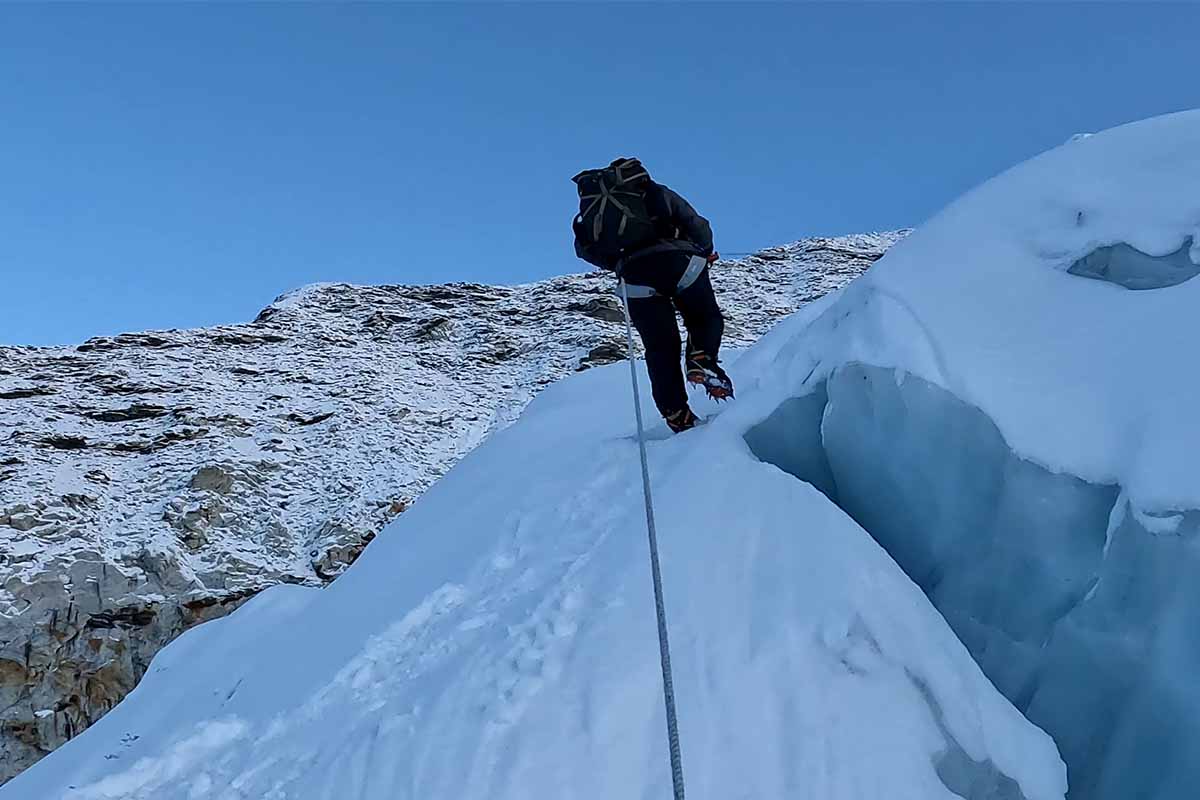
Very strenuous treks exceed 6,000 meters (19,685 feet) and are the toughest treks you can do. They are an expedition-style climb that requires advanced mountaineering experience with ropes and crampons, while camping at high altitudes in extreme weather and altitude conditions. It requires incredible physical fitness, excellent health, plus a good amount of mental strength. These routes suit only experienced mountaineers with technical climbing expertise.
Island Peak
Easy Treks in Nepal for Beginners
Trekking in Nepal for beginners typically involves short, moderate-altitude routes (generally under 4,000m) that do not require any particular fitness or technical skills. Beginners should aim to plan their treks on trails that have manageable walking hours, gradual elevation gain, and are easy to walk. A daily walking time of around 3–4 hours is ideal, ascending gradually to avoid any potential altitude acclimatization issues. Well-maintained and marked trails on firm ground are easier and safer. Additionally, beginners should be in good health and should not have any pre-existing medical issues that may hamper safe walking at high altitudes.
These are Grade 1 hikes with flat or slight grades, generally on a reasonably good, durable surface, and no previous experience is necessary, with daily walks of only 3-4 hours. Some of the best treks for beginners in Nepal include:
Moderate treks in Nepal are intended for trekkers with some hiking experience who are fit. These treks generally involve more time spent walking each day, steeper trails, and moderate altitude, usually between 3,000 and 4,500 meters. Trekkers should expect to gain elevation gradually, have varied terrain, and some harder sections. Trails may be labeled as well-maintained, but trekkers might have to cross uneven terrain and walk on rocky paths.
Most moderate treks include an average of 10 km of hiking per day over gentle slopes and hills. These treks would require medium experience, but they can be done by trekkers of all ages and general fitness levels. Daily hiking is usually done in 5–6 hours. Moderate treks are a good balance of adventure, spectacular mountain views, and cultural experiences, and give the active trekker a good opportunity to hike and enjoy the scenery in the Himalayas. Moderate treks in Nepal for active hikers are
Challenging Treks in Nepal for Experienced Trekkers
Difficult treks in Nepal (typically, Grade 4 and above) are suited for trekkers with a good fitness level and prior trekking experience at altitude. They offer long daily hours of walking, steep, often rugged trails, and a higher altitude (notably from 4,500 to 5,500m). Trekkers should be prepared for significant altitude gain, uneven and rocky ground, and challenging physical conditions.
The daily hikes will be above 6-8 hours, with some hikes in remote areas where you'll have little or no facilities. The strenuous trek is the most difficult in this class; therefore, the focus is on excellent physical fitness and prior trekking experience. However, strenuous treks are often among the most spectacular in terms of mountain views, challenging routes, adventure, and cultural connections that offer serious Himalayan trekking challenges. Some of the advanced treks in Nepal for experienced trekkers are
How to Assess Your Fitness Level for Trekking in Nepal
It is important for trekkers to be aware of their fitness level prior to trekking in Nepal. Not everyone finishes their trek, and some trekkers have to stop due to fitness or injury reasons. You must also be physically and mentally fit so that the trek can be successfully completed. You should have a basic understanding of what your fitness level is so that you can choose trekking routes in Nepal that are suited to your abilities. Here’s a simple guide to help you choose trekking trails based on fitness level in Nepal.
Walking Comfortably for Longer Periods
Think about how long you can walk each day without excessive fatigue. Treks in Nepal involve 3 to 8 hours of walking a day on irregular terrain, and therefore, it is important to have the ability to sustain long walking hours. By evaluating your daily activity and endurance, you can decide which trek is appropriate for your fitness level.
Uphill Walking Ability
Most trails will involve some uphill, and some will include steep and strenuous uphill sections. If you can walk up stairs or hills, then you can likely do a moderate to strenuous trek. If you have trouble walking uphill, that means you should only look to do easy treks. In either case, this process will help you establish treks in Nepal, and you can proceed based on your fitness level.
Carrying a Daypack
Even with hiring a porter, you'll need to carry a small pack with essential items - water, snacks, a jacket, etc. If you can walk comfortably with 5-8 kg for a few hours, that's a good indication you can manage moderate treks. If carrying weight is difficult, it is probably better to choose a trek in Nepal categorized for fitness that involves shorter, easier walking each day.
Adapting to Altitude and Weather
High-altitude trekking involves less air pressure, and it's often colder. While fitness alone does not guarantee success in altitude adaptation, in general, fitter bodies manage altitude and temperature challenges better. Knowing your tolerance and physiological reactions at altitude is important for understanding the trek's demands based on your fitness.
Endurance on Uneven or Rocky Terrain
Hiking often requires walking on rough, rocky, and slippery terrain. Take a hike on a trail or gravel path or walk on an uneven surface and notice how your legs respond and how balanced you feel. If you feel stable as you walk and can maintain a good pace, you can probably handle some moderate treks. If you have trouble keeping your balance or become tired on uneven surfaces, you may want to stay on the easy treks in Nepal, based on your fitness level.
How to Prepare Physically for a Trek in Nepal
Build Your Walking and Hiking Endurance
Begin building your walking endurance early. A majority of treks in Nepal involve walking for five to seven hours a day over several consecutive days. You should begin to train at least eight to ten weeks prior to your trek. Walk regularly and increase both the distance and duration of each walk every week. Walk on uneven or hilly pathways as a majority of trails in Nepal rise and fall continuously. This type of walking will strengthen your legs and knees for prolonged periods of activity. Carry a small pack while you walk, so you get used to the load you will be carrying on your trek.
Strengthen Your Legs and Core
Improve leg and core strength to make trekking more comfortable and safer. When trekking uphill or downhill, your thighs, hips, and stomach muscles do most of the work. Performing squats, lunges, and step-ups strengthens your legs. Add planks and sit-ups for core stability and balance. If you work out at a gym or fitness center, use a treadmill with an incline or a stair machine to mimic conditions in the mountains. Strong muscles protect your joints from injury and help you feel better on your treks.
Improve Your Cardiovascular Fitness
Enhance your cardiovascular fitness so you can be ready for longer days at elevation. High altitude means less oxygen, so your heart and lungs have to work harder. You should incorporate at least 3-4 days per week activities such as jogging, cycling, swimming, or walking briskly. Plan for 30-45 minutes of sustained physical activity at least 3-4 times per week. Focus on building endurance rather than trying to do intense sets of physical activity. When you develop endurance from doing regular cardiovascular exercise, you breathe easier and recover faster, and this improved efficiency will greatly contribute to managing high-altitude trekking fitness in Nepal.
If Possible, Practice Hiking at Altitude
If you live in a mountainous or hilly area, practice hiking at higher elevations. This will help your body adapt to lower oxygen levels and help you practice and understand your breathing and pacing. Pay attention to how your body responds, and you will also learn to hydrate when hiking higher. If you cannot practice at altitude, continue to build endurance and health at lower elevations. After you start your trek in Nepal, make sure to hike slowly, drink plenty of water, and get adequate rest for your body to get acclimated.
Learn to Walk with a Backpack
Practice with a loaded backpack prior to your trip. Each day on the trail, you will need to carry a daypack with water, snacks, and personal items, and if you are unaccustomed to it, carrying it for hours can be exhausting. Adjust the straps so the backpack sits comfortably on your shoulders and fits securely on your waist. Weigh the backpack up to your real trek weight, and with a load you will actually carry. If you use trekking poles, practice walking with them as well. You’ll get used to balancing with them, and it takes strain off your knees on descents.
Focus on Nutrition and Hydration
A balanced diet is needed to support your active training or during your trek. You should eat proteins, whole grains, fruits, and vegetables at each meal to give your body the fuel it needs. Proteins help your body rebuild and repair muscles, and carbohydrates provide steady energy throughout long days of walking. Remember to drink lots of water every single day to keep hydrated and to fight off fatigue. Don’t skip meals and try to eat when possible. Focus on a balanced diet that gives your body the nutrition it needs.
Train Consistently for 8–11 Weeks Based on Your Trek Difficulty
There are varying levels of trekking in Nepal, and it is best to prepare your body accordingly. Easy treks, like Ghorepani Poon Hill and Helambu, suggest you train for 4-6 weeks before the trek with daily walks, shorter hikes (2-3 hours), and basic strength training. Medium treks, for example, Annapurna Base Camp or Langtang Valley, can require 6-8 weeks training by increasing the length of hikes and perhaps the steepness of the hike, and/or training with a backpack.
For hard treks, for instance, the Everest Base Camp trek, the Manaslu Circuit, or Upper Mustang require taking the extra time to add in long-duration hikes, constantly adjusting for uphill climbing, adding in some cardiovascular workouts, and possibly strength exercises for the legs and core to prepare your body for 8-10 weeks before the trek. Regardless of trek level, if you train consistently and are mindful of how you prepare your body prior to the trek, your body and possibly your mind will be prepared for the physical demands that any trek has to offer.
Other Factors to Consider When Choosing a Trek in Nepal
Altitude: Treks at higher altitudes, such as Everest Base Camp and Manaslu Circuit, expose your body to thinner air. This may result in altitude sickness, even for those trekkers who are fit. Choose a trek where you can gradually acclimatize to the conditions and build in rest days.
Duration: Treks can be as short as a few days or as long as several weeks. For example, short treks like Ghorepani Poon Hill last 4-5 days and are perfect for beginners or those short on time. Medium treks like Annapurna Base Camp or Langtang Valley last 7-12 days and require greater endurance. Long treks like the Annapurna Circuit or the Everest Base Camp trek last 15-20 days or longer, so plan your schedule accordingly.
Weather and Season: The best trekking seasons in Nepal are pre-monsoon (March-May) and post-monsoon (September-November), with clear weather, dry trails, and is safe to hike. The monsoon season should be avoided due to risky landslides and slippery trail conditions. Winter trekking in high altitude areas can be cold and demanding, so be mindful and well-prepared for any attempt to trek during the winter season.
Trail Difficulty: Some trails are steep, rocky, and physically challenging; others have gentle trails and easier uphill climbs. Know the distance and uphill gain, the terrain you will be hiking on, to determine the difficulty and assess your fitness level to do your trek in Nepal.
Accommodation and Facilities: Some trekking routes have well-established teahouses or lodges, providing meals and beds, while remote trails require camping or self-sufficiency. Choose a trek according to your comfort level and ability to manage basic facilities.
Cultural and Scenic Experience: Treks in Nepal offer unique cultural experiences through villages, monasteries, and local traditions, alongside breathtaking mountain views. Decide if you want more cultural exposure, scenic landscapes, or a mix of both when selecting a trek.
Support and Guidance: Consider if you want to trek by yourself, hire a guide, or go with an organized group. A guide can provide safety, local understanding and help out logistically. Independent trekking is allowable on many trails. Guided trips tend to be safer for a first-time trekker or if the trek is at high altitude.
Frequently Asked Questions
How do I know I am fit enough to trek in Nepal?
If you can walk for 5–6 hours a day with a small pack and climb some hills with ease, you are fit enough for most easy or moderate treks in Nepal. You do not have to be a professional hiker, but regular walking, hiking, or light physical activity can go a long way.
How can I improve my fitness if I have limited time before trekking in Nepal?
Walk or hike every day for at least 45–60 minutes. Climb the stairs, do some squats or lunges, and practice hiking with a light pack. Your trek will be much easier if you put in a few weeks of regular exercise.
What is the easiest trek in Nepal for first-time trekkers?
Ghorepani Poon Hill, Langtang Valley, and Pikey Peak are the easiest treks for beginners. They are shorter and have easy-going trails, beautiful mountain views, and accommodations along the way.
Can older trekkers or families with kids do trekking in Nepal?
Yes, they can! Nepal has many other short and easy treks suitable for older travelers and families. As long as everyone is healthy and enjoys walking, you can choose among several short treks in Nepal.
What happens if I get tired or sick during my trek?
If you start feeling tired, rest, hydrate, and walk at your own pace. If you get sick or don't feel well, let your guide know right away. Travel insurance and trekking with a local travel agency help you get quick help and support in emergencies.
Do I need a guide for my first trek in Nepal?
Yes, the government requires a licensed guide for all treks in Nepal. A guide helps ensure your safety and assists you with navigation and altitude issues. Ultimately, a guided trek is a more enjoyable and worry-free way to trek.
Conclusion
To have a safe, enjoyable, and memorable Himalayan experience, selecting the appropriate trek in Nepal, according to your fitness level, is essential. From easy treks for beginners like Ghorepani Poon Hill to challenging routes such as Everest Base Camp or Manaslu Circuit, Nepal offers trekking experiences for every fitness level and goal. By honestly assessing your physical ability, preparing well, and understanding trek difficulty levels, you can select the perfect trail to match your endurance, experience, and expectations.
Get personalized suggestions on the best trekking routes in Nepal, depending on your fitness level, by contacting Footprint Adventure today. We have a team of experts who will guide you through your trekking dream in Nepal by planning, preparing, and making your dream a reality.
Aayushma Bhandari
Aayushma Bhandari is currently pursuing her Bachelor's degree in Travel and Tourism. She began her journey as an intern at Footprint Adventures, where she is now actively writing content and blogs. She loves exploring the diverse regions of Nepal, immersing herself in its stunning landscapes and rich cultures. Her trekking experiences give her unique insights, which she shares through her writing, helping others discover the beauty of Nepal's trekking routes and local traditions. Looking ahead, Aayushma is excited to grow with the team at Footprint Adventures. She values the chance to learn from industry professionals and is eager to contribute to the field of tourism and travel.