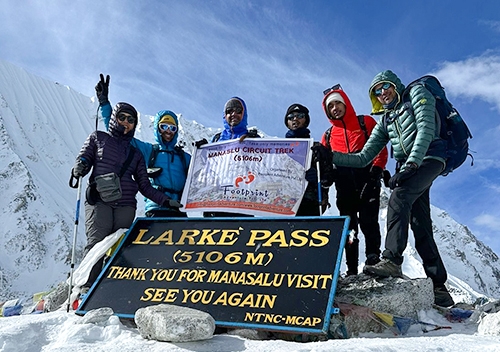
Why is Packing Smart Essential for the Manaslu Circuit Trek
.jpg)
Making sure you pack wisely is very important for the Manaslu Circuit Trek since it's in a really remote area with hardly any stores or places to rent or purchase gear. If you happen to forget something, like comfortable clothes or medical supplies, you won't be able to get replacements once you've started the trek.
The journey takes you through all sorts of weather, going from warm lowland forests to freezing high altitude conditions at Larke La Pass. Making sure you've got the right clothes and a comfortable sleeping bag is key to staying safe and cozy when the weather shifts suddenly.
The trail is long, steep, and physically demanding, so carrying unnecessary weight makes the trek harder and increases fatigue at altitude. Packing only what you truly need helps you maintain energy and avoid altitude-related problems.
Teahouses provide only basic comfort, so bringing your own essentials, such as hygiene items, power sources, and warm gear, ensures a better and more enjoyable experience throughout the trek.
Where to Buy or Rent Trekking Gears in Kathmandu
You don’t need to bring all your trekking gear from home because Kathmandu has many good shops where you can buy or rent everything you need. In the Thamel area, you’ll find plenty of reliable local trekking gear rental stores like Everest Outfit, Dolpo Gear, Wild Yak Gear, Sonam Gear, and Sherpa Adventure Gear, along with some well-known international brands like Mountain Hardwear, Northface and Columbia.
These shops offer a wide range of high-quality trekking items, including jackets, sleeping bags, poles, boots, and accessories, at various price levels. This makes it easy and practical to buy or rent gear after you arrive, allowing you to travel lighter while still getting everything you need for your trek.
Seasonal Packing List for Manaslu Circuit Trek
Autumn essentials for Manaslu Circuit Trek ( September- November)
Autumn is one of the best times to trek the Manaslu Circuit, as the weather tends to be very stable, and the skies are usually clear. In the daytime, lower elevation temperatures typically range between 10-20°C; however, nighttime temperatures at higher altitudes may sometimes drop to below freezing. Although the trails still tend to be dry, some remnants of the monsoon may exist. Trekkers should be sure to bring enough warm clothing, an appropriate sleeping bag for at least -10° C, and trekking poles or microspikes in case of possible remaining snow.
Essentials to carry
- Moisture-wicking base layers
- Fleece jacket for insulation
- Light down jacket for cold evenings
- Windproof and waterproof jacket
- Quick-drying trekking shirts and pants
- Trekking boots with good ankle support
- Warm hat, gloves, and thermal socks
- Sunglasses, sun hat, and sunscreen
- Trekking poles for steep sections
Spring essentials for Manaslu Circuit Trek (March- May)
The spring months bring comfortable temperatures and longer daylight for trekking. Temperatures at lower altitudes can reach as high as 12 °C during daytime and can still get colder than 0 °C during nighttime at higher altitudes. Trekking routes are normally dry but may experience some rainfall at lower elevations. Blooming flowers along most trekking routes provide colour to the landscape. Trekking gear for the Manaslu circuit during spring should include breathable clothing layers, a light insulating layer, a water-resistant jacket, and a good sunblock.
Essentials to Carry
- Breathable quick-dry shirts
- Lightweight base layers
- Fleece jacket or light insulating jacket
- Waterproof jacket for rain
- Trekking pants with good ventilation
- Breathable trekking boots
- Cap, sunglasses, and sunscreen
- Light gloves and a buff for dust
- Rain cover for backpack
Winter essentials for Manaslu Circuit Trek (December- February)
The winter is extremely cold, especially in higher-altitude regions where snow is prevalent. Lower elevation daytime temperatures average around 0-10 °C, while nighttime temperatures at high elevations can drop well below -10 °C. Icy trails or slippery trails, combined with the effects of extreme wind chill, will lead to additional difficulty for those without proper equipment. Therefore, it is critical to have warm clothes, an insulated sleeping bag, and gear such as microspikes while trekking during the winter season in the Manaslu region.
Essentials to carry
- Heavy thermal base layers
- Thick fleece jackets or warm mid-layers
- Down jacket (high-fill, very warm)
- Waterproof and windproof outer shell
- Insulated trekking boots
- Wool socks, insulated gloves, and a warm hat
- Neck gaiter or balaclava
- Four-season sleeping bag (rated to at least –15°C)
- Microspikes or crampons for icy trails
- Lip balm and moisturizer for dry skin
Essential Gears for Manaslu Circuit Trek
Right Backpack and Daypack for Manaslu Circuit Trek
Backpack for Multiday Trekking: A 60-65 liter backpack is the ideal size for your trek along the Manaslu Circuit if you plan to go without a porter. This one should have features that are useful for trekking, like a lid pocket, external stash pockets, compression straps, as well as compartments designated for wet and dry items.
The trekking bag’s length must be appropriate for your torso. It is critical to fit the pack properly, so wear it while standing in front of a mirror and ensure the pack sits correctly on your back. As the weather can change very rapidly in Nepal, you should select a backpack that is either made from, or includes a rain cover made from, water-resistant material.
Daypack for Hiking essentials: You will also need a 20–30 liter daypack for short acclimatization hikes or for daily essentials if you hire a porter. Carry only the basics such as water, snacks, sunscreen, a camera, and a rain jacket.
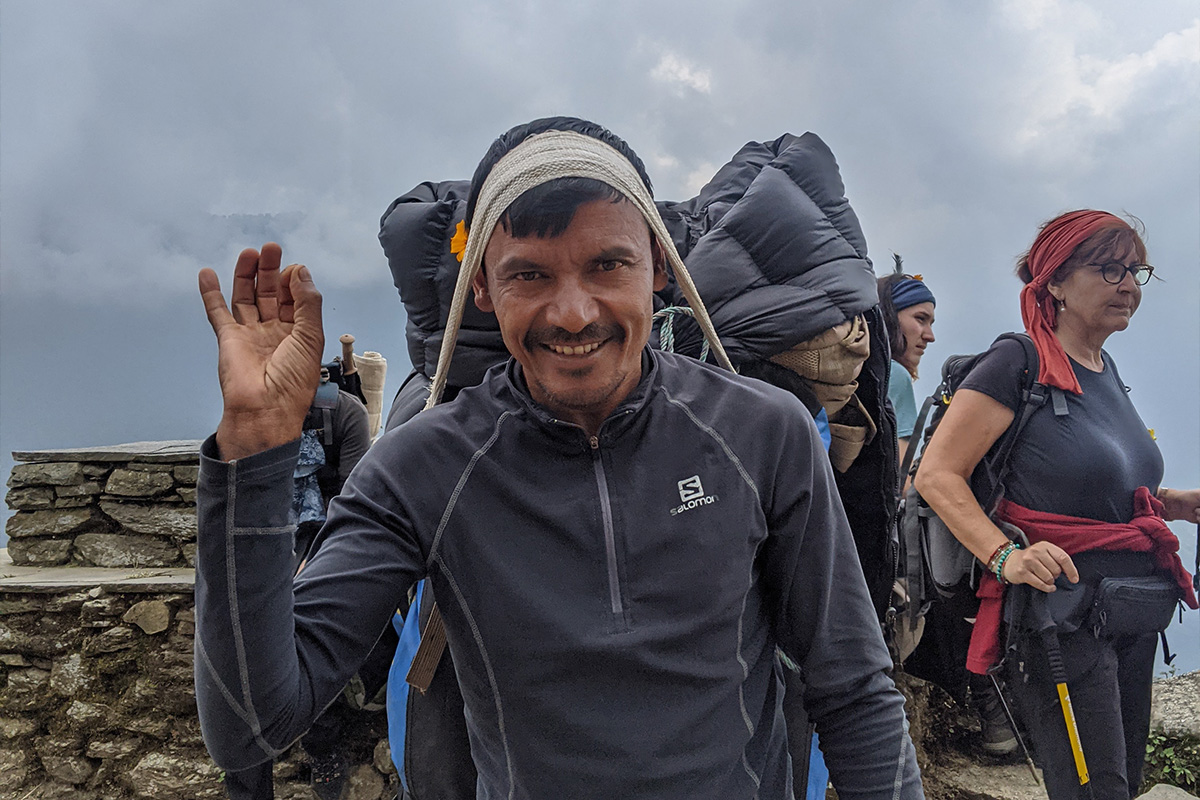
If you hire a Porter: If you decide to hire a porter, they will carry most of your equipment for you during the trek. During treks in Nepal, typically one porter carries everything for two trekkers and will carry a maximum of 12 kg per trekker in a 65-90 liter duffel bag. Therefore, if you're using a porter, you will only need to carry a small 20-30 liter daypack during your daily hikes.
Sleeping Gear and Trekking Poles for Manaslu Circuit Trek
Sleeping Bag for Manaslu Circuit Trek
When you're trekking the Manaslu Circuit, it's key to have a sleeping bag that can keep you warm when it's chilly, around –10°C, but also comfortable if it gets warmer at night, from 15 to 20°C. It's a good idea to use a sleeping bag liner to protect your bag from sweat and oils; hence, silk liners are a popular choice as they're light and provide more warmth than cotton ones.
While teahouses do offer blankets, they might not be warm enough at higher altitudes, so having your own sleeping bag is a must. If you don't want to purchase one, you can easily rent a sleeping bag in Kathmandu for around $2 per day.
Trekking Poles for Manaslu Circuit Trek
The trails along the Manaslu Circuit can get pretty rocky, steep, and uneven. That's why it's a good idea to bring along some trekking poles to ease the strain on your knees and keep your balance in check while trekking the Manaslu Circuit. When picking out your poles, go for a pair that's lightweight, adjustable, has a comfortable grip, and sturdy wrist straps. Having adjustable poles is handy as you can tweak their length to suit different terrains, whether you're going uphill or downhill.
You can easily buy trekking poles in Kathmandu, especially in Thamel, for around $12–$16 for a pair.
Clothing Essentials for Manaslu Circuit Trek
Base Layer
.jpg)
Select base layers made from fabric that is soft, dries rapidly, and provides warmth. As you wear them, the fabrics will be comfortable against your skin and will also quickly wick away moisture.
- In hot/warm weather, wear a lightweight synthetic shirt that will dry within minutes, offers sun protection, and has an antibacterial finish.
- When the temperature is cool to warm, wear a long-sleeve t-shirt, which can protect you from the sun during the day and act as a light insulating layer in the evening.
- If the weather is cool to cold, your base layer should be made of thermal fabric. This will enable you to stay warm throughout the chilly days and nights.
- For the coldest temperatures, the base layer should consist of a heavy thermal layer with an excellent insulating capability for all day.
A loose, lightweight, reversible synthetic shirt is also a good option to have if it is hot or humid. You should also never wear cotton next to your skin since it absorbs moisture and increases the risk of hypothermia. Bring 2-3 sets of moisture-wicking thermal tops and bottoms made from merino wool or synthetic, and 3-5 pairs of quick-drying underwear. This allows you to rotate one set for wearing, one for drying, and one as a spare.
Insulating Layer
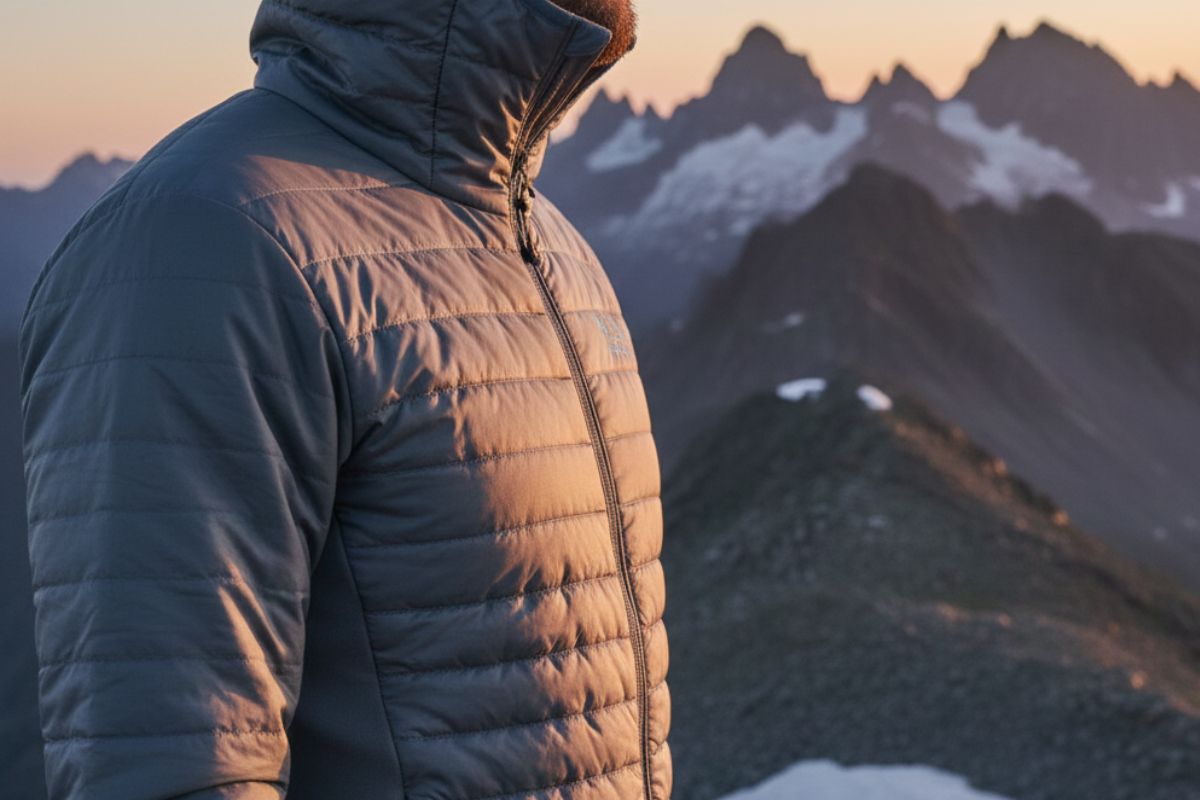
Proper insulating layers are critical when trekking into colder and higher altitudes as they retain body warmth while you hike through those conditions. A mid-weight fleece sweatshirt or jacket will keep you warm and comfortable throughout your day when trekking in the Manaslu region. Additionally, you can pack a light synthetic or down puffy jacket for your cool morning and evening temperatures, if needed. Finally, at the very top of your trek, i.e., the Larkya La Pass, it is advisable to carry a heavier down puffy jacket that can withstand freezing temperatures.
Outer Layer
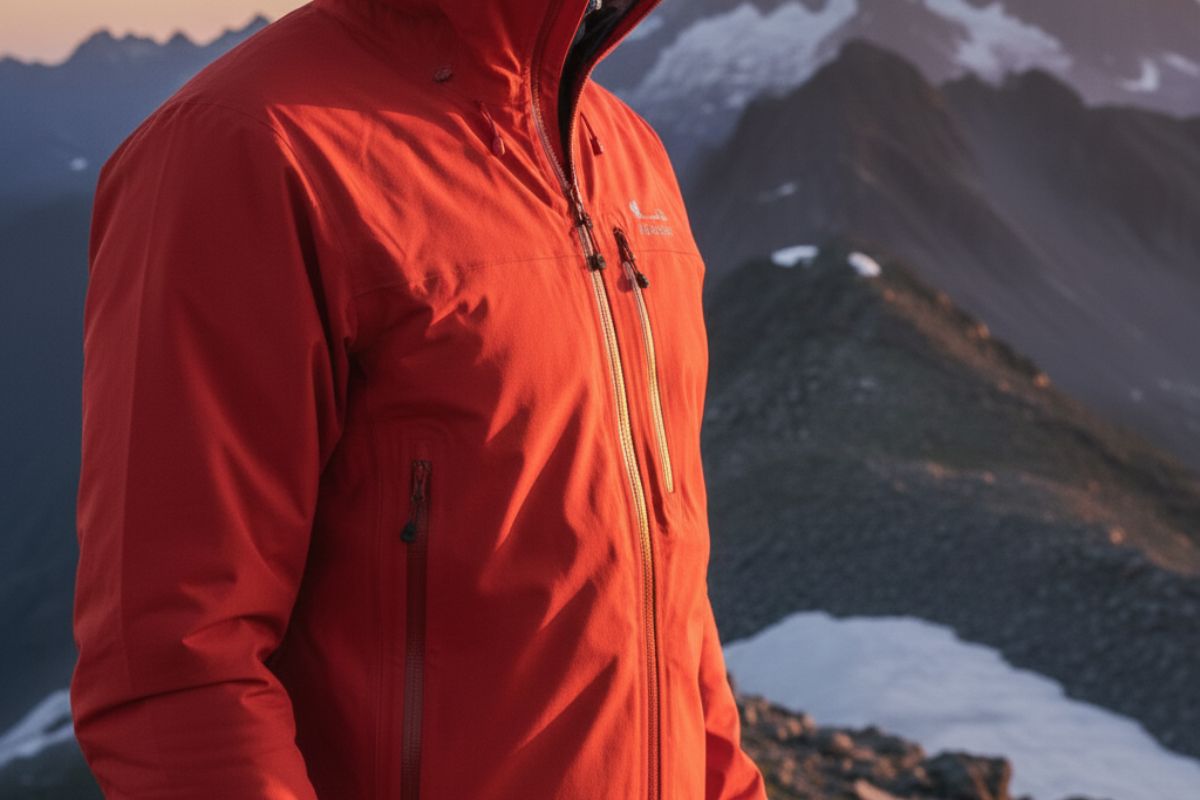
The outer layer of your hiking gear protects you from high winds, rain, and snow. You need to pack a waterproof and breathable hardshell jacket, such as Gore-Tex or similar materials to keep you warm, dry, and comfortable in extreme weather conditions. Also include waterproof and breathable pants, so you stay dry from rain when hiking. Carry 1–2 pairs of quick-dry trekking pants for daily use, and add insulated trekking pants if you want extra warmth at higher altitudes.
Camp Shoes, Sandals, and Trekking Boots for Manaslu Circuit Trek
Properly broken trekking boots for the Manaslu Circuit Trek are essential because the trail is rocky, uneven, and often wet. Choose sturdy, waterproof boots with strong ankle support and good grip to stay safe and comfortable. Make sure you break them in before the trek to prevent blisters. Reliable options include Salomon X Ultra 3, La Sportiva Nucleo High GTX, and Merrell Moab 2 Waterproof.
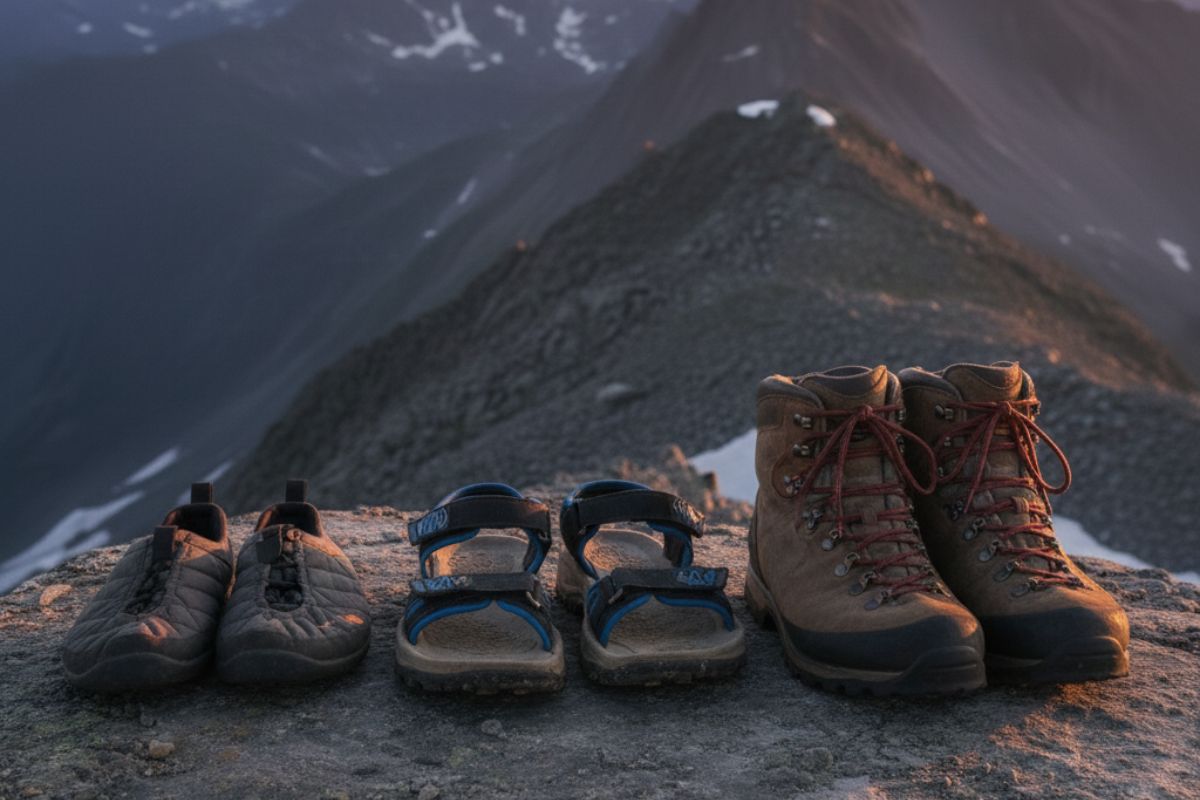
For evenings in the teahouse, bring warm and comfortable camp shoes so your feet can rest after long hiking days. Temperatures drop quickly at higher altitudes, so avoid regular open sandals as they don’t provide enough warmth. If you trek during snowy seasons, consider adding gaiters or lightweight crampons for extra traction and safety.
Accessories: Hats, Gloves, Socks, and Buff Required for Trekking Manaslu Circuit
Make sure to pack two hats for the Manaslu trek. Bring a sun hat or cap for the sunny parts and a cozy beanie for the chilly high-altitude spots. Opt for a quick-drying material for the sun hat and a soft, warm fabric like fleece or wool for the beanie.
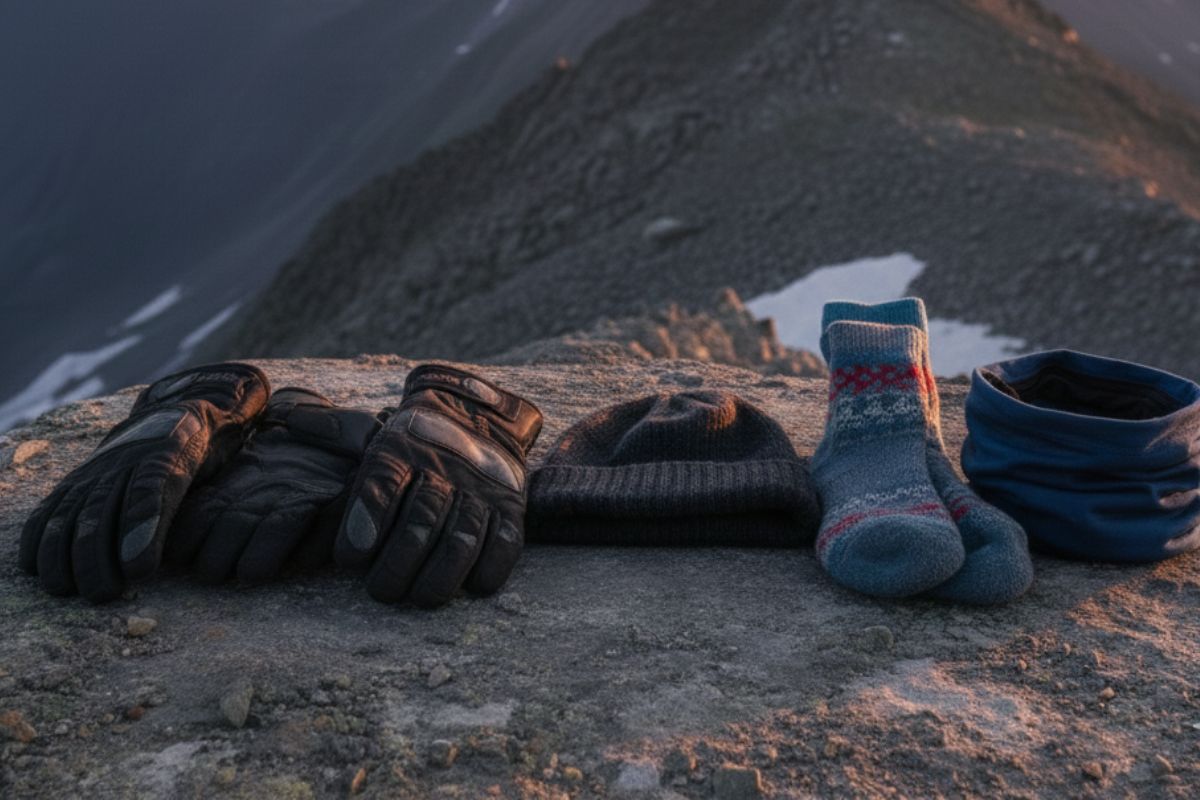
Don't forget to pack 2 pairs of gloves. Take a lighter pair for mild weather, a thicker pair for the chillier areas close to the mountain pass. Also, make sure the thicker pair is windproof and waterproof to keep you well-protected.
Make sure you pack 3-4 pairs of top-notch trekking socks. Opt for merino wool or moisture-wicking synthetic materials to help keep your feet dry, warm, and comfortable. Plus, having a few pairs allows you to switch them up during your trek.
Carry one buff or neck gaiter. Pick a breathable, quick-drying material. It protects you from dust, wind, and cold and adds extra warmth at higher altitudes.
Travel Documents and Essential Permits for Manaslu Circuit Trek
Documentation required
- Passport: A valid passport with six months of validity from your arrival in Nepal. Bring along the original passport and a photocopy.
- Visa for Nepal: Make sure your visa is valid for your entire stay in Nepal during your trek; you can apply for the Entry Travel Authorization (ETA) online prior to entering Nepal.
- Passport Size Picture: You will require two recent photographs (2x2). Some offices will take photographs for a nominal fee; therefore, it is recommended to have your own.
Permits Required for Trekking the Manaslu Circuit
- Manaslu Restricted Area Permit (RAP): Required to enter the Manaslu region. Must be obtained through a licensed trekking agency, as solo trekking is not allowed. Costs vary by season: approximately $100 per week in autumn and $75 per week in the off-season.
- Manaslu Conservation Area Permit (MCAP): Required for trekking in the Manaslu Conservation Area. Costs around $30.
- Annapurna Conservation Area Permit (ACAP): Required if your trek passes through the Annapurna Conservation Area. Costs around $30.
- Additional Local Entry Fee: NPR 1,000.
Permits can be obtained from the Nepal Tourism Board in Kathmandu or Besisahar. If you travel with us, we will handle all permit arrangements on your behalf.
Toiletries and Hygiene Essentials for Manaslu Circuit Trek
Biodegradable soap and shampoo
- Hand sanitizer
- Wet wipes/ Baby wipes (Useful for quick “showers” when water is limited or too cold)
- Toilet Paper (Most teahouses don’t provide it, so carry enough by your own)
- Travel-sized toothbrush and toothpaste
- Quick-drying towel
- Feminine hygiene products (Bring enough pads or tampons since they are not available at higher altitudes. Always pack out your waste and avoid leaving anything in the mountains)
- Sunscreen (SPF 30+)
- Lip balm with SPF
- Moisturizing cream
- Dry shampoo
- Nail clippers and a small mirror
- Waterproof bags to keep toiletries and waste dry
- Travel-sized deodorant
- Foot powder or antifungal powder to keep feet dry and prevent irritation
- Small comb or travel hair brush
Electronic and Charging Essentials for Manaslu Circuit Trek
For the Manaslu Circuit trek, pack essential electronics such as a 10,000–20,000 mAh power bank, an optional but useful solar charger, a universal adapter, a headlamp, your phone with an NTC SIM for the best coverage, and a camera. Electricity is unreliable, and charging in remote tea houses costs 500 to 800 NPR per hour, so carry spare batteries and cables. Keep your devices warm and manage your power carefully throughout the trek.
First Aid Essentials for Manaslu Circuit Trek

While trekking with us, our guide will always carry a complete set of first-aid essentials to ensure your safety and well-being throughout the trek. However, if you are traveling independently, the following items are highly recommended to include in your personal first-aid kit:
- Pain relievers (Paracetamol, Ibuprofen)
- Antihistamines for allergies
- Anti-diarrheal medication
- Oral rehydration salts (ORS)
- Altitude sickness medication (e.g., Diamox – consult your doctor before use)
- Adhesive bandages (various sizes)
- Sterile gauze pads
- Elastic bandage (for sprains)
- Blister plasters
- Antiseptic wipes or solution
- Antibiotic ointment
- Hand sanitizer
- Small scissors
- Tweezers
- Safety pins
- Medical tape
- Thermometer
- Personal prescription medicines
- Water purification tablets or drops
- Emergency whistle
- Small torch or headlamp with spare batteries
Frequently Asked Questions
How much weight should I aim to carry each day during the trek?
During the Manaslu Circuit Trek, aim to carry 10-12 kg (22-26 lbs) in your daypack. This should include water, snacks, extra layers, a camera, and first-aid. Carrying more makes steep climbs harder and increases fatigue at high altitude.
Do I need to bring food or snacks for the trek, or can I buy them along the trek?
You can buy snacks like chocolate, energy bars, instant noodles, biscuits, and tea in Kathmandu, because they are more expensive and harder to find at high altitudes along the trek. It’s a good idea to carry some high-energy snacks from Kathmandu for long days or remote sections, especially near passes like Larke La.
Are there any items commonly forgotten by trekkers along the Manaslu Circuit Trek?
Trekkers often forget items such as sunglasses, sunscreen, lip balm, warm gloves, extra batteries, and trekking poles. Making a small checklist before packing helps avoid missing these essentials.
Should I carry a bed sheet and a pillow during the Manalsu trek?
It’s recommended to carry a light sleeping bag liner or thin sheet because teahouse blankets are sometimes thin or not very clean. A small travel pillow can make nights more comfortable, but it is optional.
What is the layering system advice for the Manaslu Trek in Nepal?
For clothing, use a three-layer system: a moisture-wicking base layer, an insulating fleece or down jacket, and a waterproof and windproof outer layer. This system keeps you warm, dry, and comfortable in the changing weather conditions of the trek.
What type of plugs and adapters should I carry during the Manaslu trek?
Nepal uses Type C and D plugs (220V, 50Hz), so bring a universal adapter for charging your devices. Power banks are also highly recommended because electricity in teahouses can be limited or unstable.
Conclusion
When getting ready for the Manaslu Circuit Trek, it's important to pack wisely and have the must-have items for the Manaslu Circuit with you. Make sure to prioritize items such as layered clothing to adapt to varying weather conditions, a cozy sleeping bag, durable trekking boots, and trekking poles for extra support along the way.
Don't forget to bring a daypack with some water, snacks, and first-aid essentials. It's also a good idea to pack high-energy snacks from Kathmandu since they can be both pricey and hard to find at higher altitudes. And remember to pack those often forgotten items like sunglasses, sunscreen, lip balm, and extra batteries, as they can really come in handy during your trek. Use a three-layer system to stay warm and dry, and carry a universal adapter and power bank for your electronics. With careful planning, your trek will be safer, more comfortable, and much more enjoyable. Feel free to contact us if you want to trek the Manaslu Circuit or need a complete packing checklist for the Manaslu Circuit Trek.

-2.jpg)
.jpg)